Health Essentials
Spicing Christmas with beautiful messages

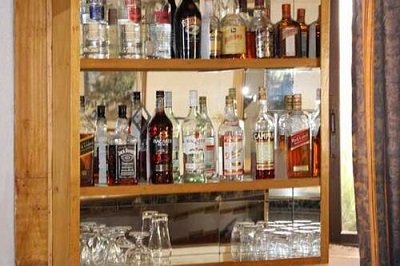
Christmas has its own “swag”. There is no other time of the year that is filled with as much magic as Christmas. Christmas carols, décor, loving hearts and giving. There is insane traffic in some areas and window shoppers are also in abundance just like food and drinks.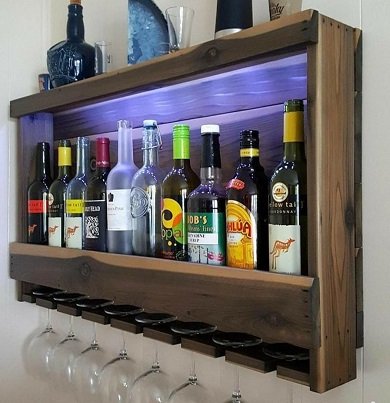
All the above create an atmosphere that may lead to regret when managed poorly. In the midst of all the fun do remember to keep your family safe and make time to talk about the following;
Cooking areas/kitchens are not an extension of a child’s play area. It can be a recipe for disaster; tripping, burns etc.
Do ensure the handles of pans and pots on your stove point away from your work area to avoid accidentally bumping into them and causing a spillage
If you have decorations be sure there is no fire / lighted candles close by. Also watch out for small parts , toys that can easily be swollen by children
As we try to create a different atmosphere at home we may end up running cables on the floor. That is a trip alert especially for the elderly and children.
The excitement, alcohol and hormone spikes may lead to adventure from our young adults and some end up in unprotected sex which opens many floodgates including STIs, pregnancy and HIV among others.
Be wary of what your children especially eat or drink when they leave home because drinks, pastries etc. may be spiked with hard drugs
“Ambitious” children may sometimes even want to sneak out with your car even when they are not licensed to drive and we all know what may happen.
Finally make time to connect as a family. Spend time together. Catch up on what is happening in your lives. Eat at least one good meal together each day. Do not keep yourself so busy you have to be out every day.
As adults we are role-models to our children and other young ones. Let us set the right tone and leave memories that are worth emulating from generation to generation.
As we enjoy the love and spirit of giving that comes with this season, we can think through messages shared by friends and colleagues over a period of time. I am sure many will impact positively on our lives.
“Wishing you a Merry Christmas and a healthy and prosperous New Year. Eat wisely over the holidays. Remember to take a walk to visit two neighbours each day through the holidays. Dispose of your waste wisely and let us make our environment a cleaner place” –Harold Esseku, Sanitary Engineer
“It’s the season of love. Let the only fire that burns be the fire of love not domestic fires” –Victor Etwire, Paediatric Surgeon. Korle Bu Teaching Hospital.
“Christmas, the season to share with one another and enjoy great and mouthwatering dishes. Don’t forget your fruits and vegetables. Sanitise your green leafy vegetables with vinegar to avoid food poisoning. Enjoy the season to the max” -Gifty Dufie Ampofo, Public Health Specialist.
“As we celebrate the birth of Lord Jesus this Christmas let us make sure we cross over to the New Year with all our loved ones. Be safe on the roads, avoid drinking and driving and teach the children to use Zebra Crossings when crossing roads. Merry Christmas! –Brenda Addo-Quarshie, Paediatric Doctor
“As the Irish proverb says; a good laugh and a long sleep is better than medicine. May laughter and rest be the cure to all your ailments. Remember health means wealth!”-Anita Arthur, Human Resource Professional.
“If you are on medication, please do not go on a drug holiday so that you can spend the money on pleasure. Remember these are not the last days of your life; you will be here in 2022. Do not start the new year with financial stress and complications of your illness”-Kojo Cobba Essel, Wellness Entrepreneur.
“Santa has been the same size since inception because he loves to fit in his suits. Let’s all in the season of love adopt this model and watch our portions. Keep your teeth extra happy this season and remember to brush them appropriately.”-Josephine Opoku-Bekoe, Human Resource Professional.
“The intergovernmental panel on Climate Change have reemphasised that climate change is ongoing and the impact will get worse if nothing is done. The situation looks dire but there is always a light of hope. More importantly as we celebrate the birth of Jesus let us be reminded that He came to help us resolve our most difficult situations.”- Ama Kwansima Essel, Climate Change Expert.
As we unwrap our gifts this season remember that the first gift of Christmas did not come with pomp, neither was it wrapped yet it is the greatest gift a Father could ever give to His children; the gift of LOVE. Jesus was and is still that gift. This season seize the opportunity to boost your “happiness level” by giving especially to the less fortunate in society. I guarantee that such an act will make you more content and healthier.
If no one is kind enough to give you a gift of an annual medical examination, please make it a point to reward all your labour with at least the basic medical tests after discussing with your doctor.
AS ALWAYS LAUGH OFTEN, ENSURE HYGIENE, WALK AND PRAY EVERYDAY AND REMEMBER IT’S A PRICELESS GIFT TO KNOW YOUR NUMBERS (blood sugar, blood pressure, blood cholesterol, BMI)
Dr. Kojo Cobba Essel
Health Essentials Ltd/ St Andrews Clinic/Mobissel Ltd
Dr. Essel is a medical doctor, holds an MBA and is ISSA certified in exercise therapy, fitness nutrition and corrective exercise.
Thought for the week – “During the holiday season remember to focus on Christ and catch up on sleep; sleep deprivation does not only make you accident-prone, it increases your risk of putting on extra fat and in addition may predispose you to conditions such as diabetes and high blood pressure”


Very often we leave the doctor’s office only to remember that we left out a major complaint. Some patients immediately rush back to the consulting room totally oblivious of the privacy that the next patient is entitled to.
They expect that as they walk in, the doctor should ignore the seated or positioned patient and attend to them. That is totally outrageous. Others go home and continue to live with the condition hoping to be healed miraculously.
Most of us will be extremely lucky to spend 15 minutes with our doctor and this time is often much shorter in countries/communities where the doctor-patient ratio is so low that at best it can be described as criminal.
We are now in the second half of 2026, and I highly recommend that you see a doctor not only when you are unwell but as a means to assess your state of wellbeing and take the needed precautions. It is critical that you find a good primary care doctor who is knowledgeable and proactive and will also be able to coordinate specialist care that you may require.
To make the most out of our time with the doctor we need to PREPARE. If your condition is an emergency, then you do not have the benefit of time to prepare.
A must do!
Kindly ensure your personal hygiene is excellent.
- Take a good bath and brush your teeth
- Wear clean clothes that also make undressing easy, especially if you need to expose some areas for inspection/examination.
This may sound ridiculous, but the opposite does happen in real life.
Remember that doctors are human and when you are unkempt you may not get adequate contact with your doctor.
Research on the symptoms
If you have access to the internet or a book worth its salt you may read about your symptoms or wait to read after your doctor tells you your diagnosis.
Remember that if you need to research on the internet, it is essential that you use a reputable site.
In tune with your complaints
- Write down your complaints/symptoms if you think you may forget.
- If you have had a similar problem and have the results of any investigations e.g. Laboratory tests, x-rays, CT scans etc kindly carry them along
- Let your doctor know if you react to any drugs.
- Be truthful about any medications you have taken for the condition, if you do not remember the names make sure you go with the containers.
- If you have any other medical conditions (and medication) make the doctor aware.
- Remember to make a note of the following
- When did the symptoms/complaint begin?
- How long have you had these symptoms?
- Is it getting worse?
- Does anything make the condition worse?
- What makes you feel better?
- Is anything related to their onset?
- How often does it occur?
- How long does it last e.g. in pain conditions as well as rash, allergies etc.
- Does anyone else in your family have them?
- How do they affect your daily life?
- Is it related to work or home?
You may need to modify these slightly when you have skin lesions, swellings etc. This list is by no means exhaustive, and you may not need to find answers to all of them before getting help, but they will definitely help you ace the visit to your doctor.
If your doctor books you for surgery, do not leave his presence without finding out the following:
- Will you go home on the same day of the surgery?
- Will you need assistance to go home or can you drive unsupervised for instance
- What form of anaesthesia will you be given?
Then, if your visit is for a medical examination, do remember that also being aware of disease conditions in your family will help your doctor select the appropriate tests and make the whole experience and time useful.
Finally do not leave your doctor without finding out:
- How much physical activity/exercise you require; the Almighty “FITT” prescription
- What you need to eat or avoid.
- Some basic information regarding SLEEP.
See you in the consulting room soon.
AS ALWAYS LAUGH OFTEN, ENSURE HYGIENE, WALK AND PRAY EVERYDAY AND REMEMBER IT’S A PRICELESS GIFT TO KNOW YOUR NUMBERS (blood sugar, blood pressure, blood cholesterol, BMI)
Dr. Kojo Cobba Essel
Health Essentials Ltd (HE&W Group)/Medics Clinic
(dressel@healthessentialsgh.com)
*Dr. Essel is a Medical Doctor with a keen interest in Lifestyle Medicine, He holds an MBA and is an ISSA Specialist in Exercise Therapy, Fitness Nutrition and Corrective Exercise. He is the author of the award-winning book, ‘Unravelling The Essentials of Health & Wealth.’
Thought for the week – “The next big thing in Healthcare in Ghana is the Medics Clinic. Visit https://medicsgroupgh.com/ for more information.”
References:

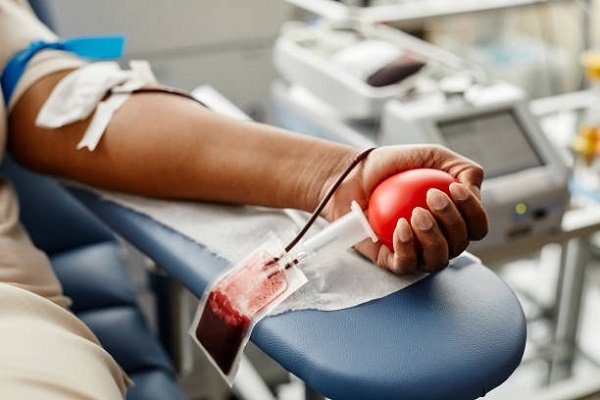
The call often comes at the worst possible moment. A mother is bleeding heavily after childbirth. A road crash victim has been rushed into surgery. A child with severe anaemia needs an urgent transfusion.
Then comes the message to relatives: “The patient needs blood. Find donors.”
Within minutes, family members begin making frantic calls, sending WhatsApp messages, and appealing on social media. Some race from one hospital to another in search of matching donors. Others simply pray that blood arrives before it is too late.
For many Ghanaians, this is their first encounter with a reality healthcare professionals know all too well-blood remains one of the country’s most critical and vulnerable healthcare resources.
Despite years of progress, experts say Ghana’s blood collection, storage, and transfusion system still faces significant gaps that affect access, quality, and safety. And in emergencies, those gaps can cost lives.
A system built out of necessity
For decades, hospitals across Ghana collected blood however they could because patients needed it. There was no law governing blood services. There was simply the urgent need to save lives.
It was only in 2020 that Parliament passed the Blood Service Act (Act 1042), establishing the National Blood Service (NBS) as the agency responsible for ensuring safe and adequate blood supplies nationwide.
Charity and philanthropy
According to Dr. Shirley Owusu-Ofori, Chief Executive Officer of the NBS, the law marked a major shift toward a coordinated national system. But reforming practices that evolved over generations remains a challenge.
The blood that is not there
One of the biggest weaknesses is Ghana’s continued dependence on family replacement donors. These are relatives and friends who donate blood only when someone they know requires a transfusion.
The preferred option, experts say, is a strong pool of voluntary, unpaid donors who donate regularly, allowing blood to be available before emergencies occur.
“The blood should be waiting when the emergency happens, not the other way round,” Dr. Owusu-Ofori said.
The numbers reveal the challenge.
The World Health Organization recommends that countries collect at least 10 units of blood per 1,000 people.
Ghana currently collects about 6.6 units per 1,000 population, an improvement from previous years but still well below the recommended threshold. Yet demand continues to rise.
An estimated 80 to 85 per cent of blood requests in Ghana are for emergencies, leaving little room for delays.
More than a bag of blood
Many people assume donated blood goes straight to a patient. It does not. Every unit must first be screened for infections such as HIV, hepatitis B, hepatitis C, and syphilis. It must then be processed, stored under strict temperature conditions, and transported safely.
Blood itself is not a single product. Red blood cells, plasma, and platelets all require different storage conditions and handling procedures.
Maintaining those standards requires specialized equipment, trained personnel, and continuous monitoring.
And that is where another challenge emerges.
The infrastructure gap
Across the country, some hospitals lack adequate blood storage facilities and the specialized equipment required to operate fully functional blood banks. Others depend on nearby facilities for supplies when emergencies arise.
While healthcare workers often improvise to meet patients’ needs, experts warn that blood safety cannot depend on improvisation.
Storage conditions, transportation systems, and quality controls must work every time.
A breakdown anywhere along the chain can compromise blood quality and patient safety.
Unequal access
Geography presents another challenge. For years, Ghana relied on three major blood centres in Accra, Kumasi, and Tamale to serve the entire country. The arrangement made blood collection and distribution across vast regions difficult and expensive.
To address this, the National Blood Service has established five regional blood centres in the Greater Accra, Ashanti, Northern, Volta, and Central regions.
More are planned.
But with 16 regions nationwide, large areas still remain underserved.
The result is uneven access to blood and blood products, particularly for facilities located far from regional centres.
Closing the regulatory gaps
The Food and Drugs Authority (FDA) says recent assessments have uncovered compliance challenges across the blood sector.
According to Dr. Edwin Nkansah, Director of Vaccine Vigilance and Clinical Trials at the FDA, gaps exist across the entire transfusion chain, from donor recruitment and testing to storage and transfusion practices.
To strengthen oversight, the FDA is embarking on a programme to regulate and license selected blood facilities across the country. The aim is not punishment, he stressed, but improvement.
Facilities will undergo audits, receive technical support, and be guided to meet approved standards.
The goal is simple: ensuring that blood transfused in any hospital meets the same safety requirements.
The missing link
For all the discussions about infrastructure, regulation, and accreditation, experts agree that the biggest solution lies with ordinary citizens.
Every unit of blood starts with a donor. Yet voluntary blood donation remains far below what the country requires.
Health officials estimate that if just one per cent of eligible Ghanaians donated blood regularly, shortages could be dramatically reduced.
That would mean fewer desperate appeals from hospital wards and fewer families scrambling for donors during medical emergencies.
A race against time
Ghana has made important strides in strengthening blood services. Collection rates are improving. Regulatory oversight is expanding. New regional centres are being established. Yet significant gaps remain.
And for the mother experiencing postpartum haemorrhage, the accident victim on the operating table, or the child awaiting a transfusion, those gaps are not statistics. They are the difference between life and death.
Until safe blood is available whenever and wherever it is needed, Ghana’s blood system will remain a critical work in progress—one whose success depends not only on regulators and hospitals, but also on the willingness of citizens to roll up their sleeves and donate.
Because when blood is missing, every second matters.- GNA