Profile
Abu Jinapor calls for stronger environmental laws to unlock Africa’s nature-based economy

- /home/u249204778/domains/spectator.com.gh/public_html/wp-content/plugins/mvp-social-buttons/mvp-social-buttons.php on line 27
https://spectator.com.gh/wp-content/uploads/2026/07/WhatsApp-Image-2026-07-01-at-12.37.17-1.jpeg&description=Abu Jinapor calls for stronger environmental laws to unlock Africa’s nature-based economy', 'pinterestShare', 'width=750,height=350'); return false;" title="Pin This Post">
- Share
- Tweet /home/u249204778/domains/spectator.com.gh/public_html/wp-content/plugins/mvp-social-buttons/mvp-social-buttons.php on line 72
https://spectator.com.gh/wp-content/uploads/2026/07/WhatsApp-Image-2026-07-01-at-12.37.17-1.jpeg&description=Abu Jinapor calls for stronger environmental laws to unlock Africa’s nature-based economy', 'pinterestShare', 'width=750,height=350'); return false;" title="Pin This Post">
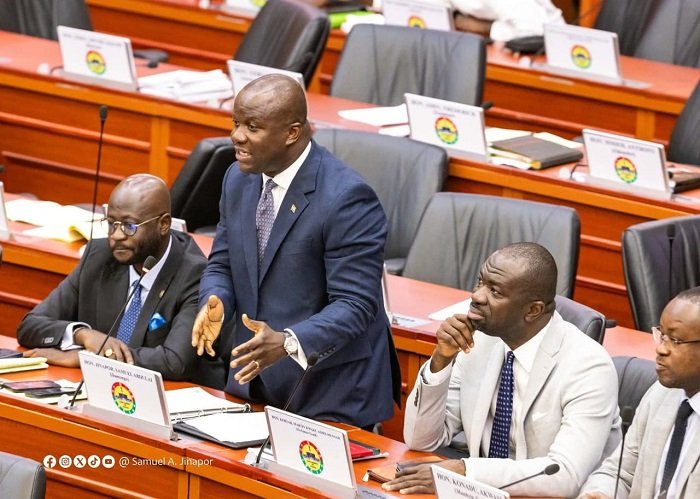
The Member of Parliament for Damongo and former Minister for Lands and Natural Resources, Samuel Abu Jinapor, has called for stronger environmental legislation to enable African countries to fully benefit from nature-based solutions while building climate resilience, creating jobs and promoting sustainable economic growth.
He said although several African countries, including Ghana, had made significant progress in developing policies to protect the environment and promote carbon markets, stronger legal backing was needed to ensure their long-term implementation and attract greater investment.
Mr. Jinapor made the call during a panel discussion at a public lecture organised by the Research and Innovation Directorate (RID) of the University of Ghana and the Africa Centre for Nature-Based Climate Action (AC4NCA) to commemorate the 2026 Day of Scientific Renaissance of Africa (DSRA) at the Cedi Conference Centre of the university on Tuesday.
Speaking on the theme, “Africa at a Crossroads: Can Nature-Based Solutions Deliver Climate Resilience, Jobs, Equity and Justice?”, Mr. Jinapor stressed that research should not remain in academic journals but must influence public policy and national development.
He said research should also be linked to business and financing so that scientific discoveries could be transformed into practical solutions that improved livelihoods and generated economic value.
According to him, governments across Africa must demonstrate political commitment by establishing policies and regulatory systems that would enable their countries to benefit from the growing global market for nature-based solutions.
Mr. Jinapor said Ghana had already taken important steps by developing a national framework for carbon trading, creating opportunities for communities to benefit financially from environmental conservation.
He disclosed that the country had successfully distributed about five million dollars through a benefit-sharing arrangement under its carbon market programme to support local communities and researchers.
The former Lands and Natural Resources Minister also highlighted Ghana’s achievements in responsible forest management, noting that the country was among the first in the world, alongside Indonesia, to issue Forest Law Enforcement, Governance and Trade (FLEGT) licences for legally sourced timber exported to international markets.
He said successive governments had continued to strengthen environmental policies and expand certified forest resources to meet international standards.
Contributing to the discussion, the Regional Director for West and Central Africa of the International Union for Conservation of Nature (IUCN), Mr. Balla Moussa Sidibé, said Africa’s future depended on protecting and restoring nature rather than exploiting it for short-term economic gains.
He described climate change as one of the continent’s biggest development challenges, affecting agriculture, food security, water resources, livelihoods and economic growth.
According to him, forests, wetlands, mangroves and healthy soils were strategic natural assets capable of reducing climate risks, improving food security and creating sustainable jobs if properly managed.
Mr. Sidibé cited the Congo Basin as one of the world’s most important ecosystems because of its role in storing carbon, conserving biodiversity and regulating rainfall, saying its protection was critical not only for Africa but for the global climate.
He called for increased investment in ecosystem restoration, sustainable agriculture, ecotourism and other green sectors to create employment opportunities, particularly for young people.
Other panelists called for stronger collaboration among universities, governments and research institutions across Africa, arguing that countries facing similar environmental challenges should share knowledge and expertise instead of working in isolation.
They also stressed the need for trust, transparency and fairness in research partnerships to ensure the benefits of collaboration were shared equitably.
Touching on Monday’s floods in parts of Accra, the panelists said years of wetland destruction and poor land-use planning had significantly worsened flooding in the capital.
They explained that wetlands such as the Densu Delta and Sakumo Ramsar sites naturally absorb floodwaters and protect biodiversity but had come under increasing pressure from encroachment and degradation.
The Director of the Research and Innovation Directorate of the University of Ghana, Professor David Dodoo-Arhin, said the Day of Scientific Renaissance of Africa had become an important platform for promoting research, innovation and partnerships that addressed Africa’s development challenges.
He urged government, industry and academia to deepen collaboration to ensure research produced practical solutions that improved livelihoods and supported sustainable development.
He urged African governments to invest more in nature-based solutions, strengthen environmental laws and translate research into practical policies capable of building climate-resilient, inclusive and sustainable economies for future generations.
By: Jacob Aggrey






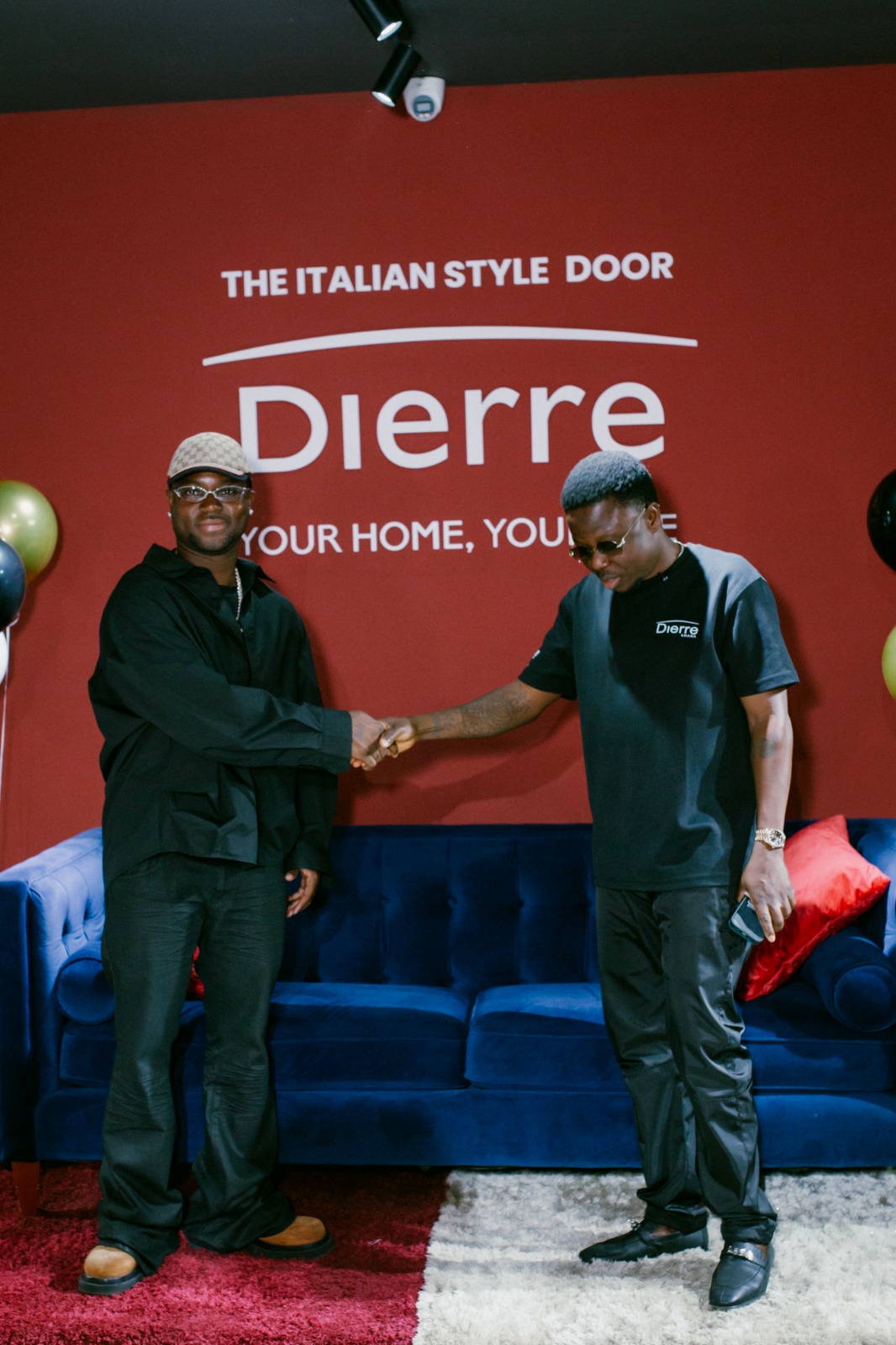
Italian premium security door manufacturer Dierre S.p.A. has named award-winning Ghanaian Afrobeats and Highlife artiste King Promise (Gregory Bortey Newman) as the face of its new Ghana and West Africa marketing campaign.
The partnership, managed by Regiments Management Company Limited, forms part of Dierre’s efforts to strengthen its presence in the West African market.
The two-week campaign, themed “Secure What Matters,” will run across digital, outdoor and influencer platforms, with King Promise featuring in a campaign film showcasing Dierre’s Prestige and Synergy security door ranges.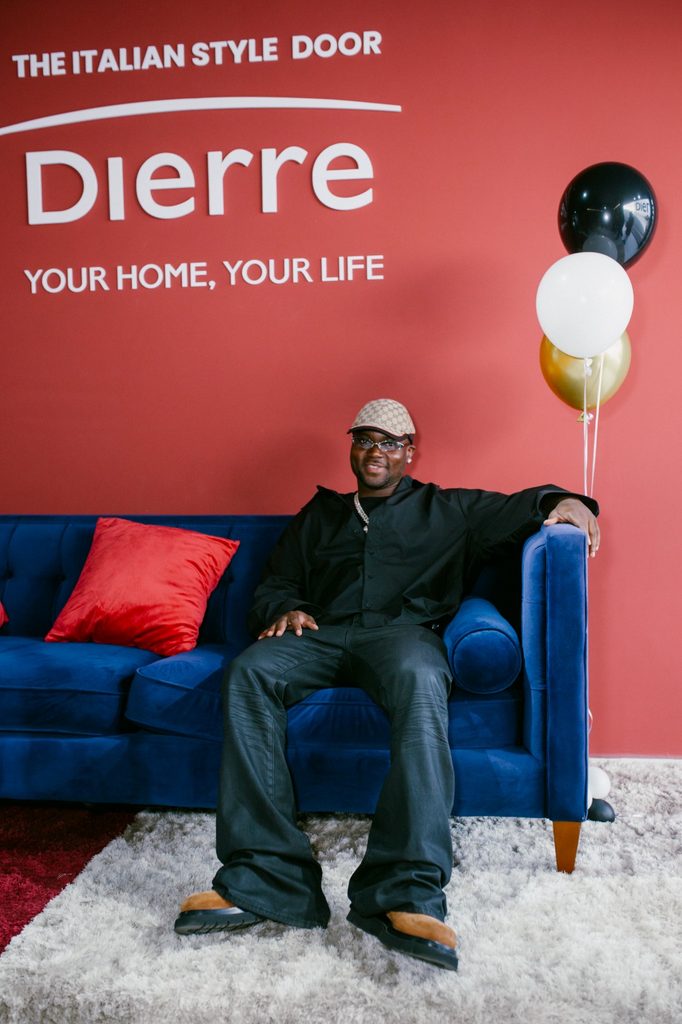
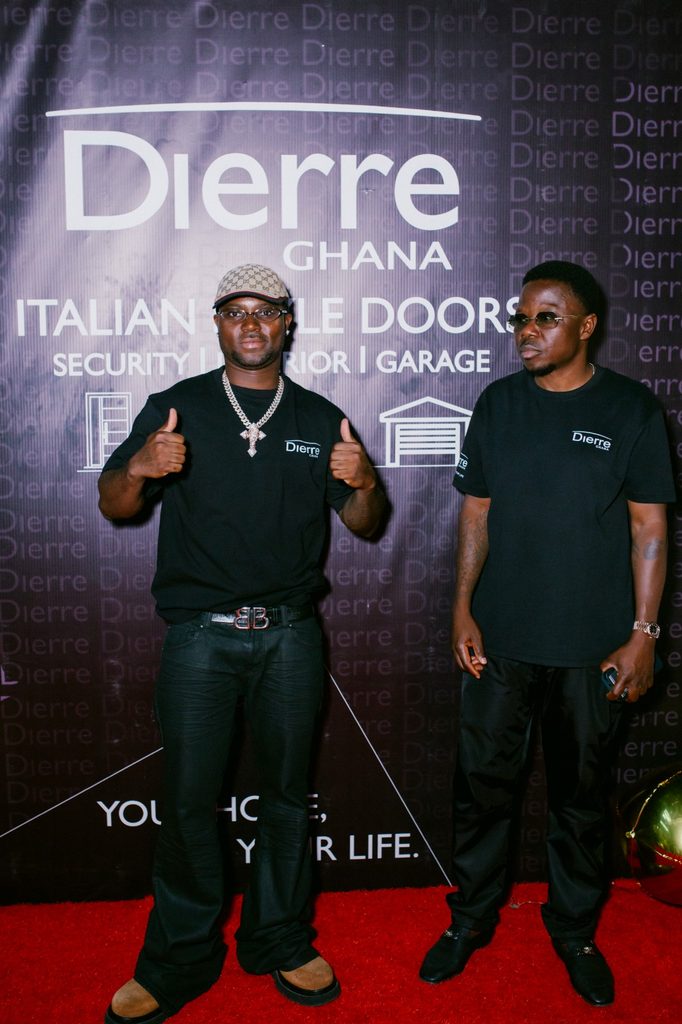
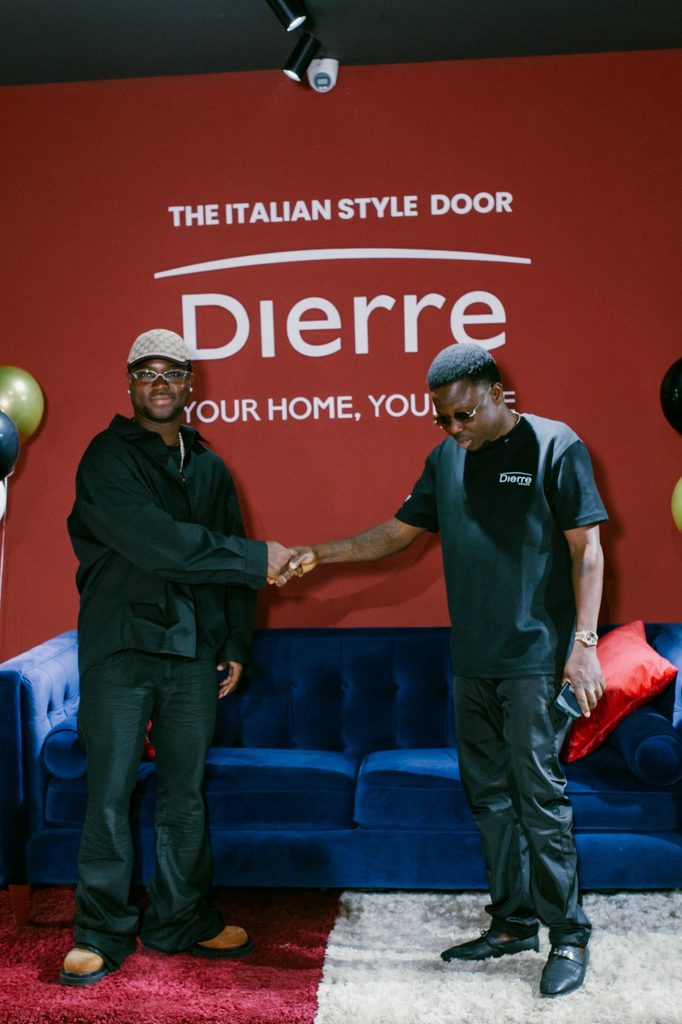
“Home is everything. It is where you protect the people and things that matter most. Dierre builds doors that reflect exactly that security, quality and style without compromise. I am proud to represent a brand that stands for those values,” King Promise said.
Founded in Italy, Dierre is a global manufacturer of armoured security doors, interior doors and fire-protection systems. Its products carry international anti-burglary certifications across Classes 3, 4 and 5, with the company producing hundreds of thousands of doors, locks and safes annually.
King Promise is one of Ghana’s leading Afrobeats and Highlife artistes, known for his distinctive sound, international collaborations and growing global audience.
The partnership combines Dierre’s security and design expertise with King Promise’s influence in contemporary African music and culture, as the brand expands its consumer engagement in Ghana and across West Africa.
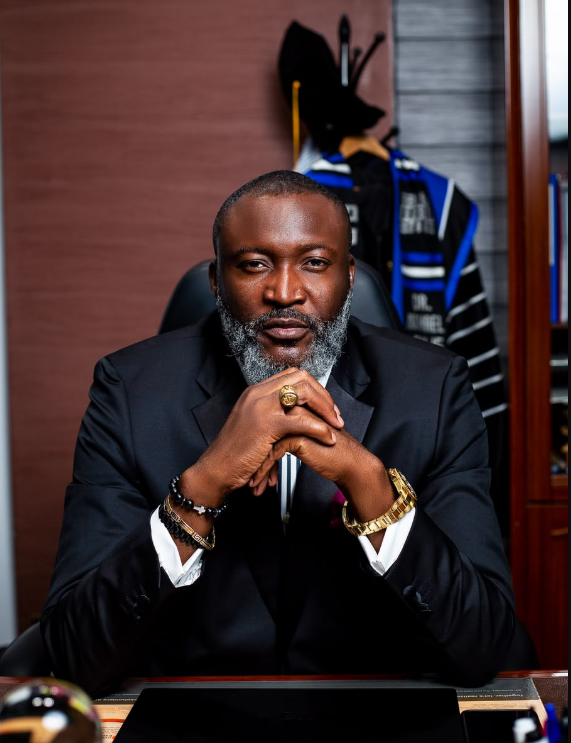
From humble beginnings to building an enterprise with global ambitions, Michael L. Bartlett-Vanderpuye’s journey is a story of discipline, independence, resilience and the belief that businesses should be built to outlive their founders.
Long before he became the Group Chairman of M&C Group, Michael L. Bartlett-Vanderpuye was building from modest beginnings.
His entrepreneurial journey did not start in a sophisticated corporate office or with a large team behind him.
At one stage, he was working from his room with limited resources, focused on turning an idea into a viable business.
That beginning became an important part of his philosophy: build the business first, then let the infrastructure grow with it.
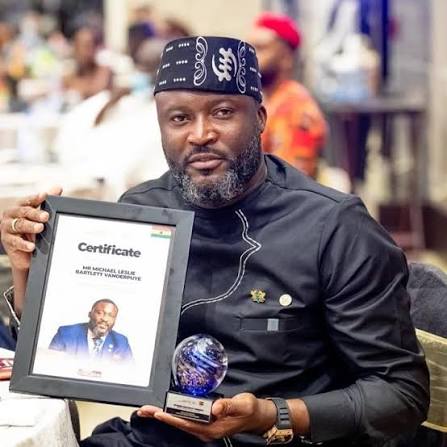
Michael’s early experiences shaped his determination to become an entrepreneur. After university and periods of professional employment, including banking, accounting, marketing, packaging and logistics, he developed a deeper understanding of how businesses operate and how different industries connect.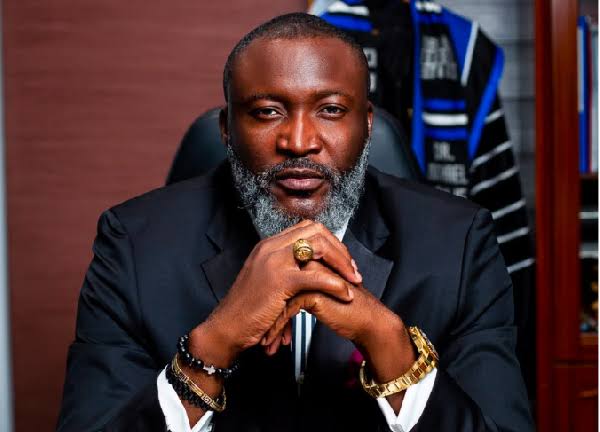
His exposure to mining advisory work, property and other commercial opportunities broadened his perspective and helped him identify opportunities beyond a single sector.
But the journey was far from easy.
He recalls the uncertainty of sending proposal after proposal without knowing which one would eventually open a door.
Even after establishing an office in East Legon, some people assumed he was working for someone else because they could not imagine that the business belonged to him.
The confidence and corporate presence associated with success today were built through years of uncertainty, rejection, experimentation and persistence.
His evolution from working out of a room to leading M&C Group reflects a broader philosophy that has guided his business life: do not build an image before you build the substance.
For Michael, entrepreneurship is not simply about owning a company. It is about learning how to turn knowledge, relationships, opportunities and resources into sustainable value.
He believes professionals in every field can develop an entrepreneurial mindset by creating assets, building networks, investing in opportunities and developing additional sources of value alongside their careers.
That philosophy has influenced the way he approaches business expansion. Rather than viewing companies as isolated entities, Michael sees opportunities to create connections between industries, people and services.
Strategic partnerships, in his view, can create greater value than treating every other business as a competitor.
His approach has also been shaped by research and international exposure. He argues that entrepreneurs must understand the markets they enter rather than simply copy businesses they see succeeding elsewhere.
Behind every successful enterprise, he believes, are structures, regulations, relationships, research and decisions that may not be immediately visible from the outside.
As his business interests have grown, so has his ambition. M&C Group represents a significant chapter in that evolution, reflecting his drive to build an enterprise that extends beyond a single venture.
His vision is rooted not merely in personal wealth, but in creating businesses capable of generating employment, developing people, building partnerships and contributing to the wider economy.
Michael is particularly concerned about the role of the private sector in addressing unemployment and creating sustainable opportunities. For him, a successful business should ultimately do more than enrich its owner. It should employ people, develop skills, support suppliers and create opportunities that extend beyond the founder.
That long-term perspective is central to his understanding of success.
He is cautious about equating visibility with achievement. In an age where social media can make a business appear larger than it is, Michael believes the real measure of an enterprise lies in its systems, customers, assets, operations and results. The brand should be supported by substance.
His personal journey has therefore become a lesson in patience and discipline. The man who once had to convince people that the business was actually his now speaks about building systems, protecting capital, understanding markets and thinking beyond the immediate reward.
And his ambitions do not stop with the present generation.
Michael describes legacy as something that should extend beyond his children to future generations. His objective is to build something sustainable-something that can continue creating value after he is no longer at the centre of it.
From a modest room and limited resources to the boardroom and the development of a growing business group, Michael L. Bartlett-Vanderpuye’s story is ultimately about building before displaying, learning before expanding and creating something designed to last.
His journey is a reminder that global ambition does not necessarily begin with global resources. Sometimes, it begins with little more than an idea, discipline, persistence and the willingness to start where you are. – MyStoryMagazine