Profile
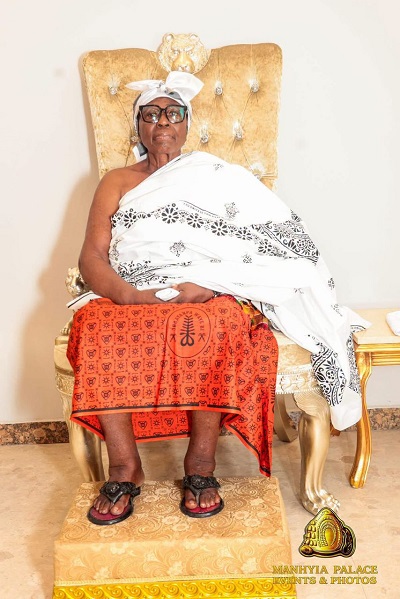
Meet Nana Yaa Akyaa II, 15th Asantehemaa of Asante Kingdom

- /home/u249204778/domains/spectator.com.gh/public_html/wp-content/plugins/mvp-social-buttons/mvp-social-buttons.php on line 27
https://spectator.com.gh/wp-content/uploads/2026/07/queen.jpg&description=Meet Nana Yaa Akyaa II, 15th Asantehemaa of Asante Kingdom', 'pinterestShare', 'width=750,height=350'); return false;" title="Pin This Post">
- Share
- Tweet /home/u249204778/domains/spectator.com.gh/public_html/wp-content/plugins/mvp-social-buttons/mvp-social-buttons.php on line 72
https://spectator.com.gh/wp-content/uploads/2026/07/queen.jpg&description=Meet Nana Yaa Akyaa II, 15th Asantehemaa of Asante Kingdom', 'pinterestShare', 'width=750,height=350'); return false;" title="Pin This Post">
For nearly a year, one of the most revered stools in the Asante Kingdom remained vacant, leaving a quiet but unmistakable sense of expectation hanging over the Manhyia Palace.
Every sitting of Asanteman Council, every major traditional ceremony, and every conversation within royal circles carried the same lingering question: Who would become the next Asantehemaa?
Last Monday, that long wait finally gave way to certainty and historic celebration.
In a development warmly received across the length and breadth of the Asante Kingdom, the Asantehene, Otumfuo Osei Tutu II, formally accepted the nomination and welcomed the newly enstooled Asantehemaa in a grand ceremony steeped in age-old tradition at the Manhyia Palace.
Born Margaret Serebour, the 79-year-old retired educationist has ascended the revered Kusiamoah Stool. She has been enstooled under the stool name Nana Yaa Akyaa II, officially becoming the 15th Asantehemaa in the rich history of the Asante Kingdom.
The historic enstoolment marks the end of months of quiet consultations and meticulous traditional processes following the passing of Nana Ama Konadu Yiadom III in August 2025.
Since her demise, the prestigious office of Asantehemaa—one of the highest traditional institutions in Ghana—had remained vacant, with Asanteman patiently awaiting the customary selection of a worthy successor.
Nana Yaa Akyaa II brings an impeccable and deeply historic royal pedigree to the stool.
She is a direct granddaughter of Otumfuo Agyeman Prempeh I, the legendary Asante monarch who, alongside Nana Yaa Asantewaa, was exiled to the Seychelles islands by the British after the Anglo-Asante War.
Furthermore, she is a niece of Otumfuo Sir Osei Agyeman Prempeh II and a biological sister of the late Nana Akwasi Agyemang, the prominent, long-serving former Chief Executive of the Kumasi Metropolitan Assembly.
A devout Christian, the new Queen mother is also a well-known, dedicated worshipper at the Anglican Church in AshTown, Kumasi.
Palace sources describe Nana Yaa Akyaa II as a woman widely admired within the Royal family for her humility, patience, calm disposition, and unique ability to unite people.
These qualities are regarded as essential for the occupant of an office that seamlessly blends moral authority, cultural stewardship, and traditional leadership.
An opinion leader, speaking on condition of anonymity, noted that Manhyia is once again witnessing a moment of profound historical and cultural significance—one that closes a chapter of waiting and opens a vibrant new page in the centuries-old story of the Asante Kingdom.
Within the constitutional and cultural framework of the Asante Kingdom, the Asantehemaa occupies a position second only to the Asantehene.
She serves as the ultimate custodian of the royal matrilineal lineage and bears the singular responsibility of nominating a successor to the Golden Stool whenever the throne becomes vacant.
Beyond her critical role in succession, she operates as a trusted co-ruler and adviser to the Asantehene, acts as the ultimate leader of women in Asanteman, and serves as a vital arbiter in family and customary disputes.
With her formal customary rites completed on Thursday, July 9, and her acceptance by the Asantehene finalised, Nana Yaa Akyaa II begins her historic reign, anchoring the ancient traditions of Asanteman into a modern era.
The development also paves the way for the preparation of the final funeral rites of the late Nana Yaa Konadu Yiadom III, as ‘Dote Yie’ had already been observed.
From Kingsley E. Hope, Kumasi

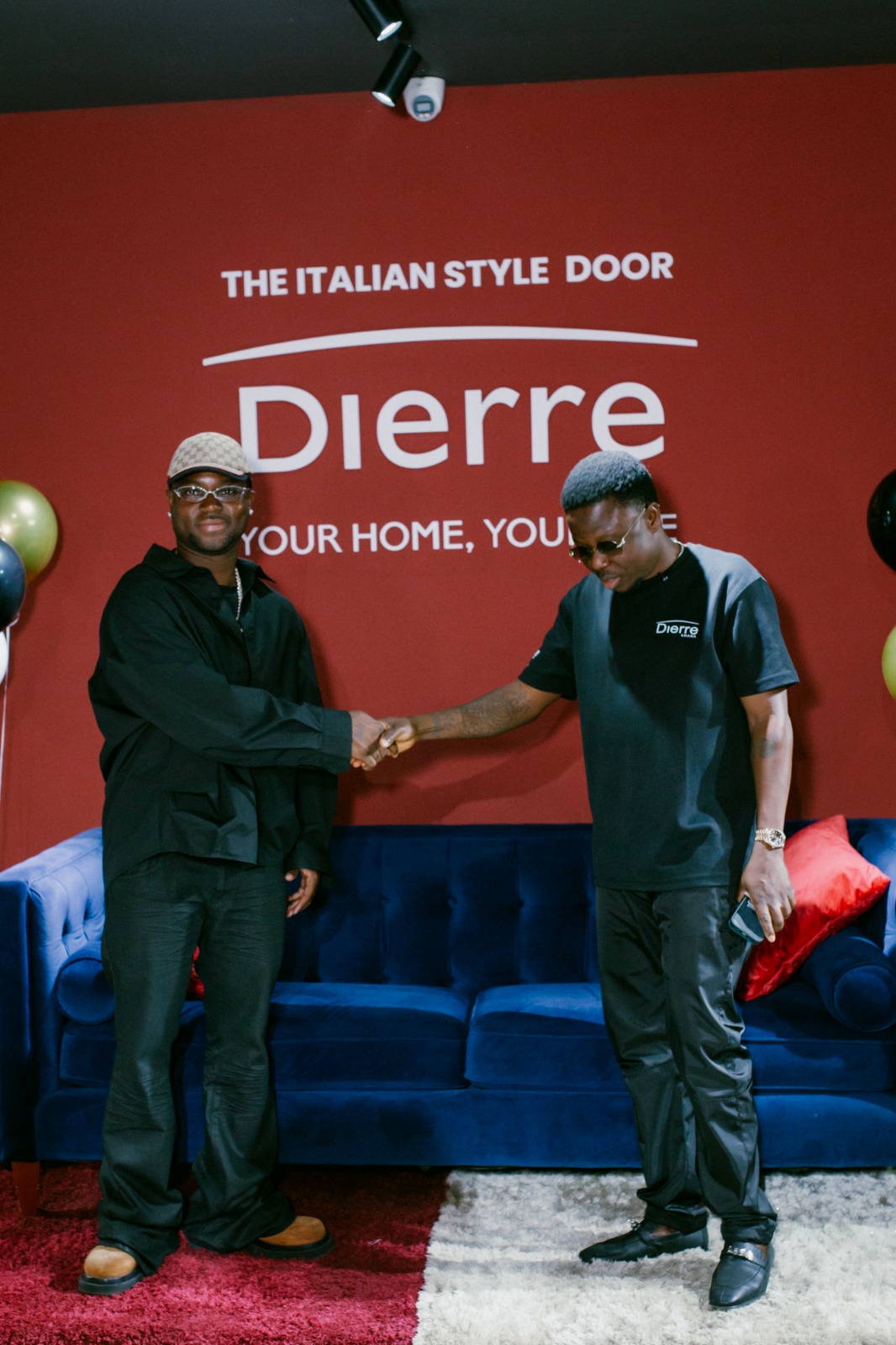
Italian premium security door manufacturer Dierre S.p.A. has named award-winning Ghanaian Afrobeats and Highlife artiste King Promise (Gregory Bortey Newman) as the face of its new Ghana and West Africa marketing campaign.
The partnership, managed by Regiments Management Company Limited, forms part of Dierre’s efforts to strengthen its presence in the West African market.
The two-week campaign, themed “Secure What Matters,” will run across digital, outdoor and influencer platforms, with King Promise featuring in a campaign film showcasing Dierre’s Prestige and Synergy security door ranges.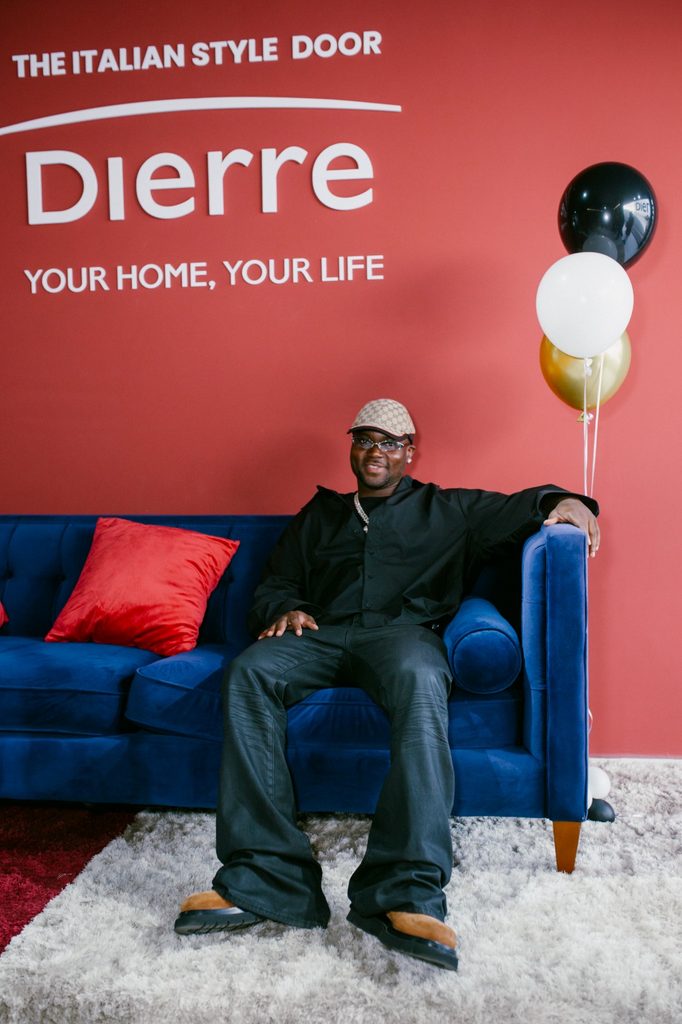
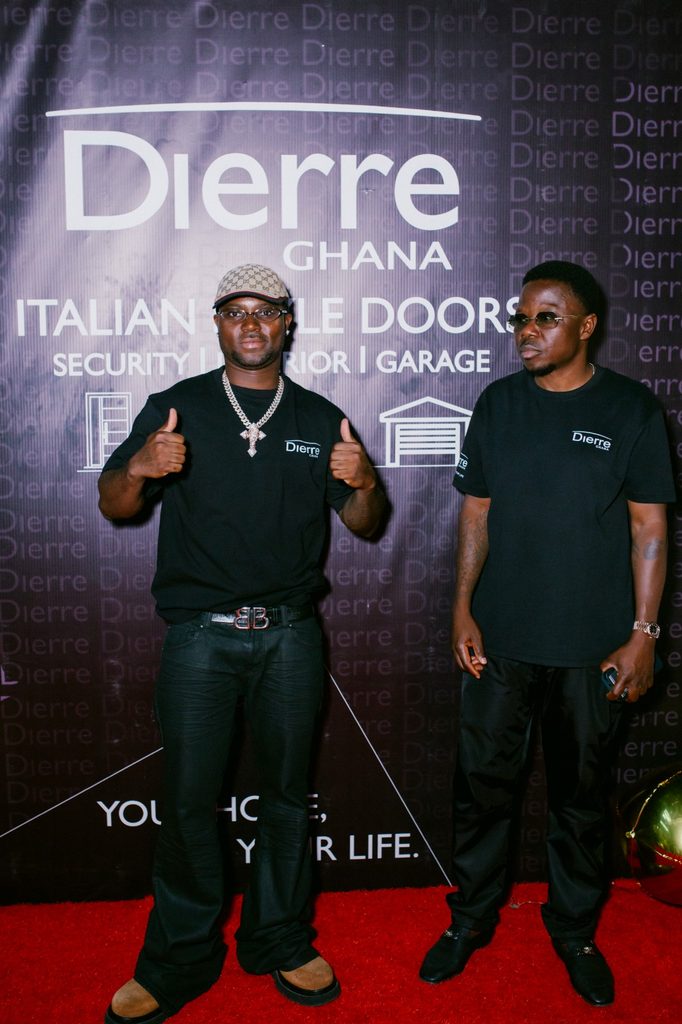
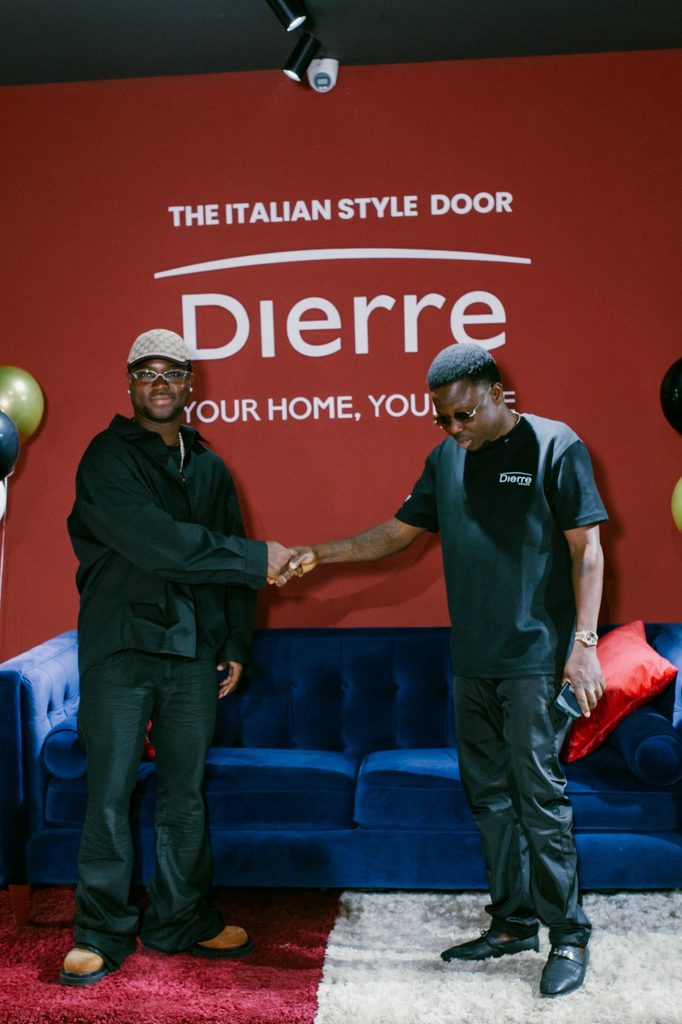

“Home is everything. It is where you protect the people and things that matter most. Dierre builds doors that reflect exactly that security, quality and style without compromise. I am proud to represent a brand that stands for those values,” King Promise said.
Founded in Italy, Dierre is a global manufacturer of armoured security doors, interior doors and fire-protection systems. Its products carry international anti-burglary certifications across Classes 3, 4 and 5, with the company producing hundreds of thousands of doors, locks and safes annually.
King Promise is one of Ghana’s leading Afrobeats and Highlife artistes, known for his distinctive sound, international collaborations and growing global audience.
The partnership combines Dierre’s security and design expertise with King Promise’s influence in contemporary African music and culture, as the brand expands its consumer engagement in Ghana and across West Africa.
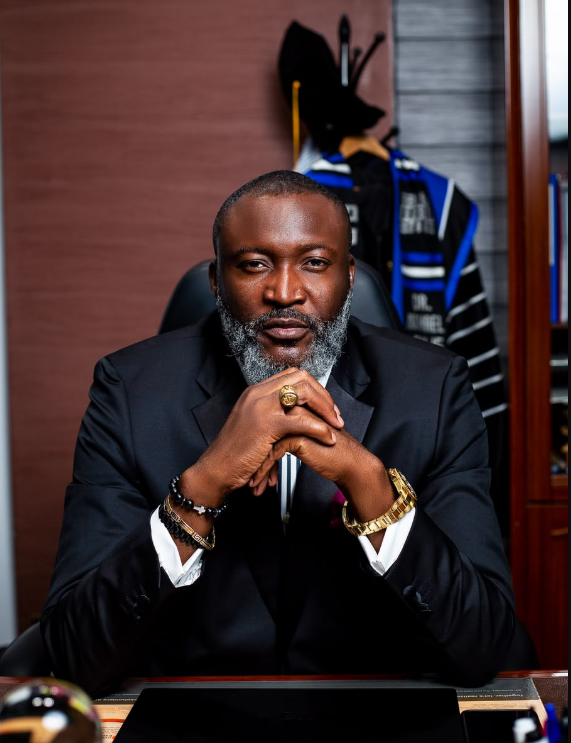
From humble beginnings to building an enterprise with global ambitions, Michael L. Bartlett-Vanderpuye’s journey is a story of discipline, independence, resilience and the belief that businesses should be built to outlive their founders.
Long before he became the Group Chairman of M&C Group, Michael L. Bartlett-Vanderpuye was building from modest beginnings.
His entrepreneurial journey did not start in a sophisticated corporate office or with a large team behind him.
At one stage, he was working from his room with limited resources, focused on turning an idea into a viable business.
That beginning became an important part of his philosophy: build the business first, then let the infrastructure grow with it.
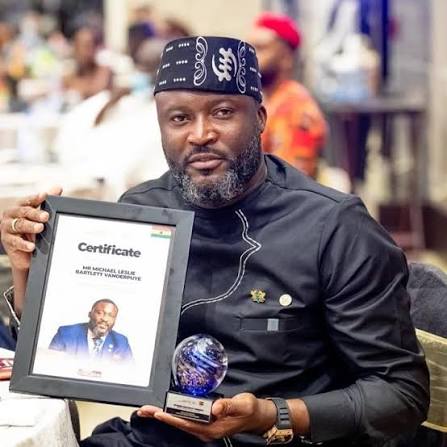
Michael’s early experiences shaped his determination to become an entrepreneur. After university and periods of professional employment, including banking, accounting, marketing, packaging and logistics, he developed a deeper understanding of how businesses operate and how different industries connect.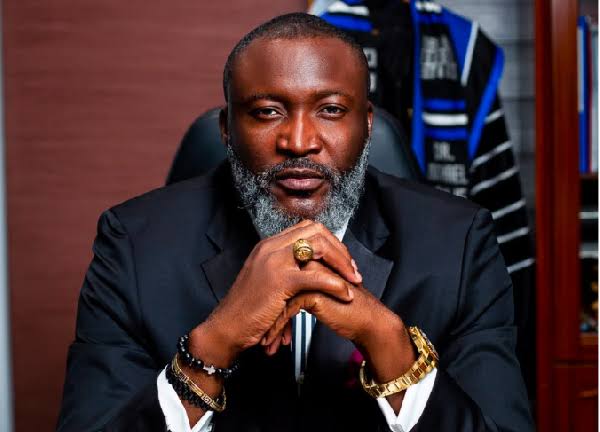
His exposure to mining advisory work, property and other commercial opportunities broadened his perspective and helped him identify opportunities beyond a single sector.
But the journey was far from easy.
He recalls the uncertainty of sending proposal after proposal without knowing which one would eventually open a door.
Even after establishing an office in East Legon, some people assumed he was working for someone else because they could not imagine that the business belonged to him.
The confidence and corporate presence associated with success today were built through years of uncertainty, rejection, experimentation and persistence.
His evolution from working out of a room to leading M&C Group reflects a broader philosophy that has guided his business life: do not build an image before you build the substance.
For Michael, entrepreneurship is not simply about owning a company. It is about learning how to turn knowledge, relationships, opportunities and resources into sustainable value.
He believes professionals in every field can develop an entrepreneurial mindset by creating assets, building networks, investing in opportunities and developing additional sources of value alongside their careers.
That philosophy has influenced the way he approaches business expansion. Rather than viewing companies as isolated entities, Michael sees opportunities to create connections between industries, people and services.
Strategic partnerships, in his view, can create greater value than treating every other business as a competitor.
His approach has also been shaped by research and international exposure. He argues that entrepreneurs must understand the markets they enter rather than simply copy businesses they see succeeding elsewhere.
Behind every successful enterprise, he believes, are structures, regulations, relationships, research and decisions that may not be immediately visible from the outside.
As his business interests have grown, so has his ambition. M&C Group represents a significant chapter in that evolution, reflecting his drive to build an enterprise that extends beyond a single venture.
His vision is rooted not merely in personal wealth, but in creating businesses capable of generating employment, developing people, building partnerships and contributing to the wider economy.
Michael is particularly concerned about the role of the private sector in addressing unemployment and creating sustainable opportunities. For him, a successful business should ultimately do more than enrich its owner. It should employ people, develop skills, support suppliers and create opportunities that extend beyond the founder.
That long-term perspective is central to his understanding of success.
He is cautious about equating visibility with achievement. In an age where social media can make a business appear larger than it is, Michael believes the real measure of an enterprise lies in its systems, customers, assets, operations and results. The brand should be supported by substance.
His personal journey has therefore become a lesson in patience and discipline. The man who once had to convince people that the business was actually his now speaks about building systems, protecting capital, understanding markets and thinking beyond the immediate reward.
And his ambitions do not stop with the present generation.
Michael describes legacy as something that should extend beyond his children to future generations. His objective is to build something sustainable-something that can continue creating value after he is no longer at the centre of it.
From a modest room and limited resources to the boardroom and the development of a growing business group, Michael L. Bartlett-Vanderpuye’s story is ultimately about building before displaying, learning before expanding and creating something designed to last.
His journey is a reminder that global ambition does not necessarily begin with global resources. Sometimes, it begins with little more than an idea, discipline, persistence and the willingness to start where you are. – MyStoryMagazine