Nutrition
Seasonal fruits: Ghana’s cheapest super foods are already in our markets

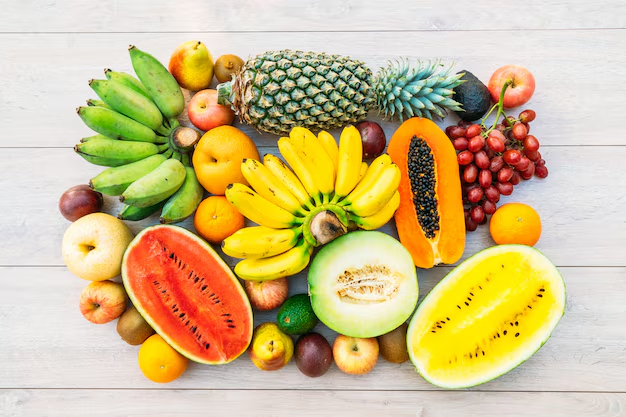
Walk through any market in Ghana during fruit season and one thing is unmistakable: nature has been generous. Mangoes, pineapples, oranges, watermelon, pawpaw, bananas, and avocados sit in abundance, often at their most affordable prices of the year.
And yet many families still eat far less fruit than they should even as non-communicable diseases like hypertension, diabetes, and obesity continue to rise nationally. Encouraging more seasonal fruit in everyday diets is one of the simplest, most cost-effective nutrition wins available to Ghana.
Nature’s nutrient package
Fruits deliver the vitamins, minerals, fibre, and antioxidants that the body needs to function well. Vitamin C strengthens immunity and helps the body absorb iron. Potassium supports healthy blood pressure. Fibre aids digestion and helps regulate blood sugar. For children, fruit fuels healthy growth and development. For adults, regular fruit intake is linked to lower risk of heart disease, stroke, and certain cancers, all while staying naturally low in sodium and free of added sugar, unlike most processed snacks.
Why eating in season just makes sense
Seasonal fruit is fresher, tastier, cheaper, and at its nutritional peak, all at once. Buying in season saves households money, supports local farmers, and reduces post-harvest losses across the supply chain. Small habits compound: a banana at breakfast, watermelon as an afternoon snack, a slice of pawpaw after dinner. None of it dramatic, all of it adding up.
The competition from processed foods
Despite this local abundance, sugary drinks, biscuits, and processed snacks are steadily winning market share, especially with children and adolescents. Aggressive marketing and convenience have made them the easier choice, even though they’re typically high in sugar, salt, and unhealthy fat and low in real nutrition. Swapping just one processed snack a day for a piece of fresh fruit is a small change that pays off over time.
Making the healthy choice the easy choice
Fixing this is not just about telling people to eat better. It is about shaping the environment around them. Schools can build fruit into feeding programmes. Workplaces can offer healthier snacks at meetings. Markets and supermarkets can give locally grown fruit better visibility and shelf space. Local authorities can support vendors with better storage to cut spoilage. And nutrition education should spotlight Ghana’s own fruits, not just imported alternatives.
Seasonal fruit is one of Ghana’s greatest and most underused nutritional assets. Sometimes the best solution to a nutrition problem isn’t a new product. It’s already growing in our own communities.
Feature article by Women, Media and Change under its Nourish Ghana: Advocating for Increased Leadership to Combat Malnutrition project


Ingredients
-Oil
-1 large onion
-2 cups of rice
-Salt
-2 cups of wheat
Preparation
-In a medium saucepan, heat oil over medium-low heat
-Add the onion and cook, stirring frequently, until soft and turns golden brown
-Wash rice and wheat and put into pan. Sauté for two to three minutes, until toasty and fragrant
-Add water and salt and allow to boil.
– Reduce heat to low and allow to simmer for 10 to 15 minutes until rice is tender and the water is absorbed.
-Taste the rice/wheat; if it is still a bit firm, add a few more tablespoons of water and cook a few more minutes.
-When the rice/wheat is ready, take it off the fire and serve hot
Benefits of wheat
–Improves digestion: High levels of insoluble fibre- wheat promotes regular bowel movements, prevent constipation, and support a healthy gut microbiome.
-Supports heart health: Whole-grain wheat helps lower LDL (bad) cholesterol, reduces blood pressure, and decreases the risk of stroke and heart disease.
-Aids weight management: Complex carbohydrates and dense fibre slow digestion, increase feelings of fullness, and help prevent sharp blood sugar spikes.
-Lowers type 2 diabetes risk: Steady glucose release and minerals like magnesium improve insulin sensitivity.
– Provides essential vitamins and minerals: Wheat supplies B vitamins, iron, magnesium, phosphorus, zinc, and selenium, which help build bones and boost immune function.
–Delivers Antioxidants: Compounds like phenolic acids, ferulic acid, and lutein protect cells from oxidative stress and support eye health.
SKIP THE QUEUE, TAP THE NEWS
You can now read the Ghanaian Times and The Spectator newspapers from the comfort of your device via TimesNewsPlus.
Join our WhatsApp Channel: https://whatsapp.com/channel/0029VbBElzjInlqHhl1aTU27

Ingredients
-4 cups of crushed corn
-1 cup of sugar
Method:
-Soak crushed corn for two or more days to ferment
-Boil the fermented corn for about 20-30 minutes until foamy substance is dried up
-Pour sugar in a saucepan and heat until almost burnt
-Strain water from the boiled corn and pour in the saucepan containing sugar
-Use a strainer to strain the chaff
-Allow to cool and store in refrigerator
– Serve with milk
By Linda Abrefi Wadie