Profile
Seeing beyond sight … Ayisha Ibrahim’s journey

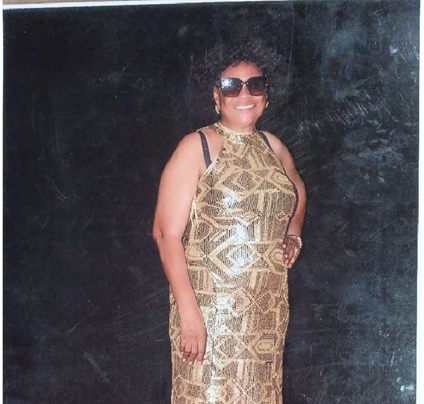
There is something disarming about watching Madam Ayisha Ibrahim move around her home in Wa.
She walks confidently through the hallway, pauses to point out something and continues the conversation with the ease of someone familiar with every corner of her surroundings.
There is no drama in her movements and no attempt to make her blindness the centre of attention.
Her home is also the site of Sky Limit Preparatory School, the private school she established in 2014 and continues to manage even after retirement.
For a woman who lost her sight as a young girl, the ordinary business of moving through life has long been accompanied by a determination to remain independent, productive and useful.
“I am a proud, visually impaired woman,” she declares.
It is a simple statement that captures much about Ayisha Ibrahim Jinsung. She does not deny her blindness. What she rejects is the idea that it should define her.
Born in Wa on November 25, 1964, Ayisha was not born blind. As a child, she attended a regular public school and was considered a bright pupil. Her academic performance was strong enough for her to skip classes, moving from Primary One to Primary Three and later from Primary Four to Primary Six.
But problems with her left eye had already begun.
At the time, specialist medical care was not readily available. The condition, locally described as “nimbi bulli”, was later understood to have been cataract. Despite treatment, her sight continued to deteriorate.
After completing Middle Form Four in 1976, she moved to Tamale to stay with an uncle. While attending a vocational school, her condition worsened. Even threading a needle had become difficult.
She was eventually admitted to hospital, where she spent about seven months. Doctors later concluded that she would become blind.
For the young Ayisha, it was a painful turning point. But a social welfare officer encouraged her to continue her education, advice she decided to take.
In 1978, arrangements were made for her to attend a school for the blind to learn Braille. Her parents initially resisted, but by early 1979, they allowed her to go.
That decision changed the course of her life.
After learning Braille for a year, Ayisha proceeded to secondary education and later entered teacher training. She became a teacher and continued studying while working.
She eventually obtained a diploma and degree from the University of Education, Winneba, and later completed a master’s degree in Educational Administration and Management in 2009.
Her career progressed from teaching to management. In 2018, she applied for a directorship position in the Ghana Education Service, passed the selection process and became a Deputy Regional Director before being appointed District Director of Education for Wa East in 2019. She retired on November 25, 2024.
But one of the most difficult moments in her career came in 2013, when she applied to head the School for the Blind where she was teaching.
Although she qualified and received an appointment letter, she says she was later told that, because she was a Muslim, she could not head the Methodist School for the Blind. The position eventually went to another person.
“I wasn’t happy,” she recalls.
Some advised her to leave or take the matter to court. She chose to stay.
“I was there because of the children,” she explains. “And the place wasn’t mine.”
She continued working and supporting the students, many of whom had become attached to her through a reading club she established.
The club, inspired by an International Readers Association conference she attended in Uganda, encouraged children to read twice a week. Since many books were in print rather than Braille, she enlisted sighted teachers to read to the students.
With support from KPMG and the Ghana Blind Union, the initiative expanded, and one of the students eventually wrote a book.
For Ayisha, reading was a way of widening the children’s world.
Her commitment to children was matched by her advocacy for persons with disabilities.
In 2000, she became involved with Action on Disability and Development and helped establish a radio programme on disability issues. At the time, she recalls, public understanding of disability was limited, and persons with disabilities often faced insensitive attitudes.
She later rose through the leadership of the Ghana Blind Union, serving as regional secretary, coordinator of the women’s wing, national honorary treasurer and vice president before becoming national president in 2014-the first blind woman to hold the position. She served until 2022.
Among the milestones she cherishes are becoming the first blind person she knows of to serve as a district director of education and the first blind woman she knows of to obtain a degree from the School for the Blind.
Yet, beyond the titles, Ayisha remembers the people who helped her along the way.
She speaks fondly of her late sister, a teacher who supported her education, and her father, who treated his children equally and encouraged her schooling.
Marriage came later in life. After turning down several proposals because she was not ready to settle simply because someone was interested, Ayisha eventually married at 50.
She has no biological children and believes she may have entered menopause before marriage. But she does not describe her life by what she lacks.
Many of the blind students she taught call her “mother”. Her husband’s children also call her mother, and she treasures the relationship they share.
Today, retirement has not slowed Ayisha down.
She established Sky Limit Preparatory School in 2014, and the school has grown from a creche to junior high school. She proudly recalls two sets of pupils achieving 100 per cent results in their final examinations.
Now she hopes to add more classrooms and eventually develop the school into a boarding or secondary school.
“It is a risk,” she says. “I could have started it and failed. But I risked and God supported me. And I’m going to risk again.”
Ayisha cooks, cleans, washes, reads and enjoys drama and country music, including songs by Dolly Parton. She describes herself as sociable and patient.
To her, blindness does not take away ordinary human experiences, ambitions or dignity.
From Naziru Alhassan, Wa
SKIP THE QUEUE, TAP THE NEWS

You can now read the Ghanaian Times and The Spectator newspapers from the comfort of your device via TimesNewsPlus.
Join our WhatsApp Channel: https://whatsapp.com/channel/0029VbBElzjInlqHhl1aTU27

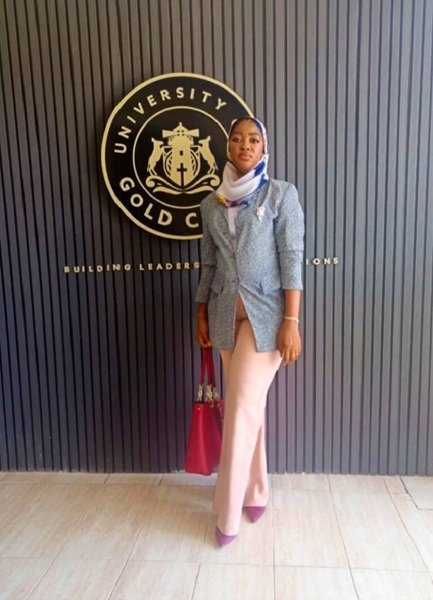
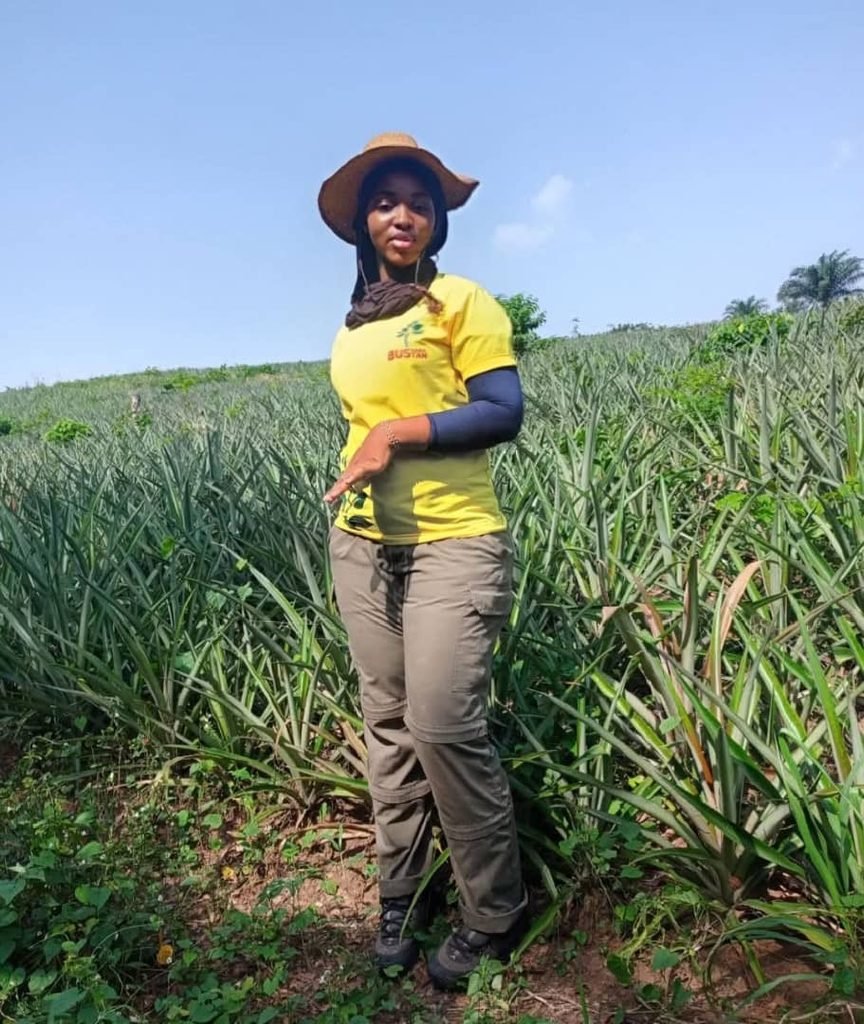
While many graduates dream of securing comfortable corporate jobs after years of education, Bushira Saanpograwwo Abass chose a different path. Armed with determination and savings from her National Service, she ventured into pineapple farming, driven by a belief in the untapped opportunities within agriculture.
What began as a modest farming experiment has since evolved into a growing agribusiness, positioning her as a woman determined to challenge conventional perceptions of farming, inspire young people and build a lasting agricultural legacy.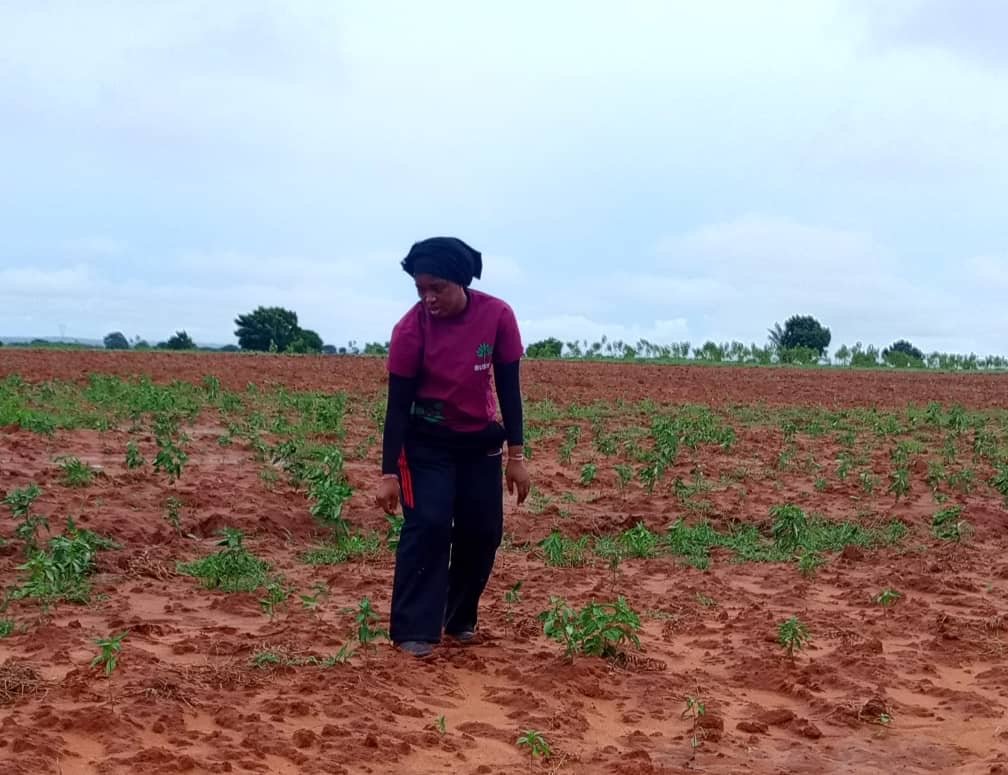
Born in Bawku in the Upper East Region, Bushira was raised in a family that valued education and discipline. She attended school in Bawku and Tamale Senior High School, studied Advanced French Language at the Ghana Institute of Languages and Bilingual Secretaryship at the University of Media, Arts and Communication, then earned an MPhil in Sustainability Science from the University of Ghana. Her childhood ambitions were journalism and space travel; but farming came unexpectedly.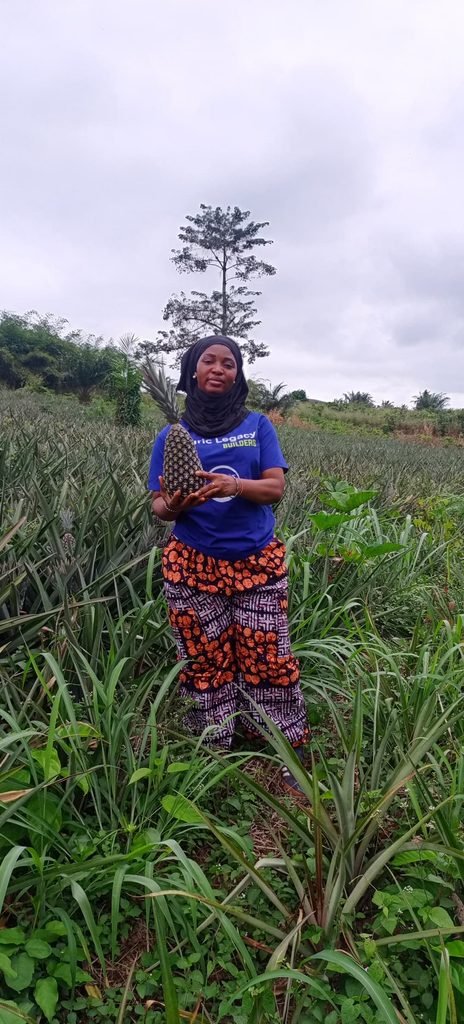
Bushira’s interest grew from seeing a gap in a sector essential to everyday life. She recognised agriculture’s untapped potential but believed youth participation and innovation were insufficient. To her, it offered much more than crop cultivation and animal rearing: it was a route to entrepreneurship, employment and wealth creation.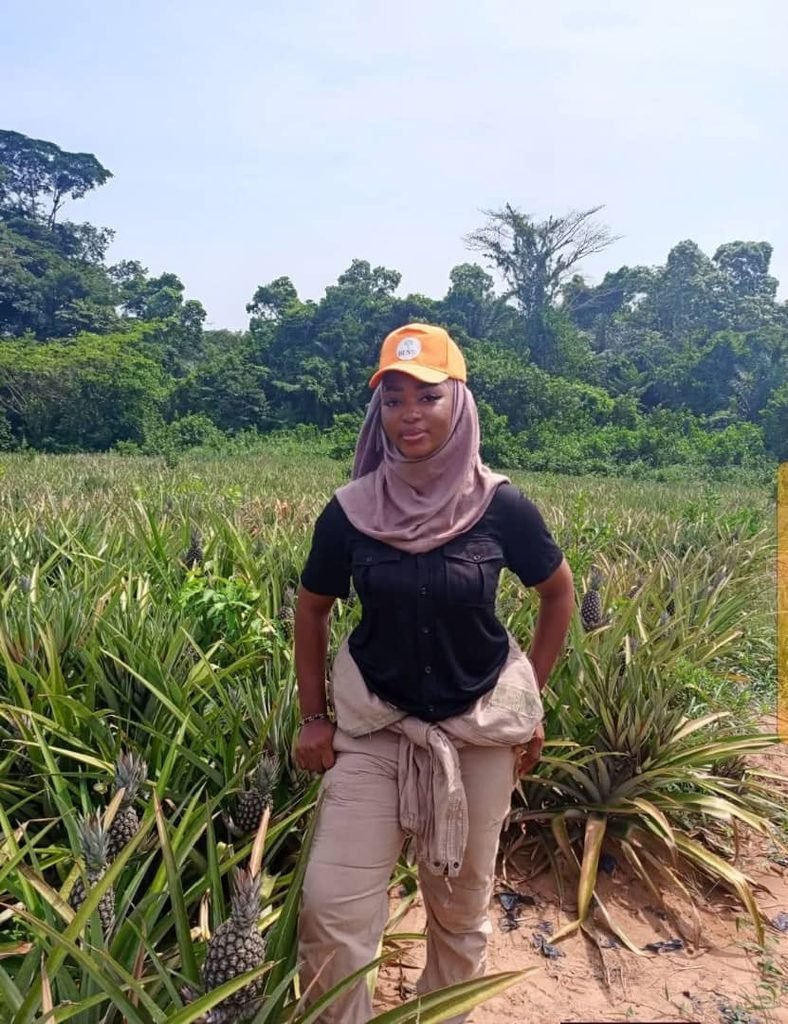
Her decision was not immediately understood. Her parents expected her to find an office job after her education, while some friends questioned her choice of farming. She remained convinced that the sector offered an opportunity worth pursuing.
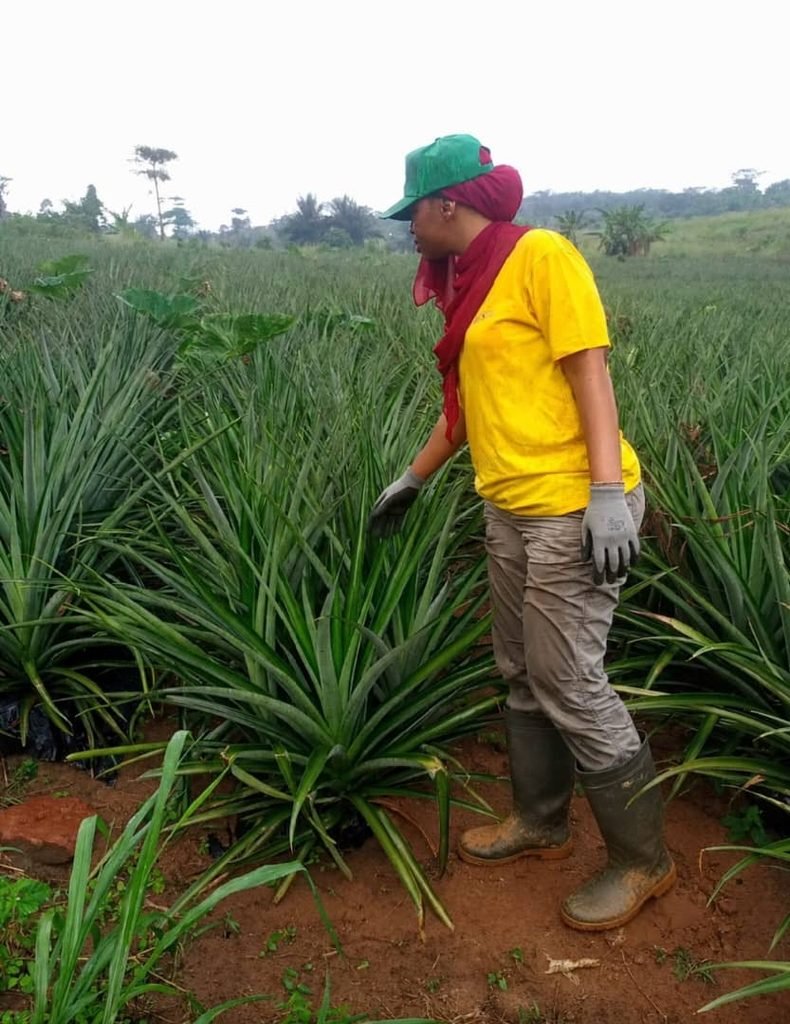
Her journey began about eight years ago, during National Service, when she saved portions of her allowance to establish a business. After considering crops and livestock, she chose crop production. A trip to the mountains around Aburi inspired her to grow pineapples. She admired the plantations and recognised the crop’s commercial potential.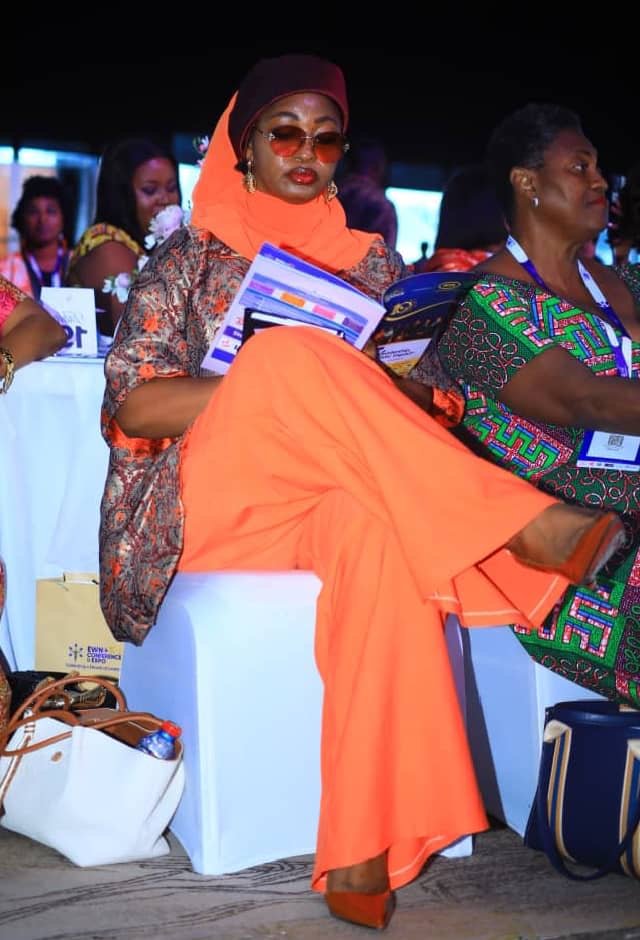
With her savings, she started despite having no practical farming experience. She learnt on the job, making mistakes and improving her methods. That first venture became the foundation of Bushara Bustan.
Her first major setback was losing an entire production, a financial and emotional blow that threatened the business.
She temporarily left farming, returned to corporate work, started a personal business and saved until she could rebuild. Eventually, she returned to the field.
Last year, an earth-moving machine destroyed part of her farm in an incident reportedly caused by a mistake. The damage attracted public attention and calls from concerned supporters. Despite promises of assistance, she says she received no help towards recovery.
She did not consider quitting. Other farms and ongoing production enabled her to continue. The experience reinforced her belief that entrepreneurs cannot always wait for outside support; sometimes they must work with the resources available.
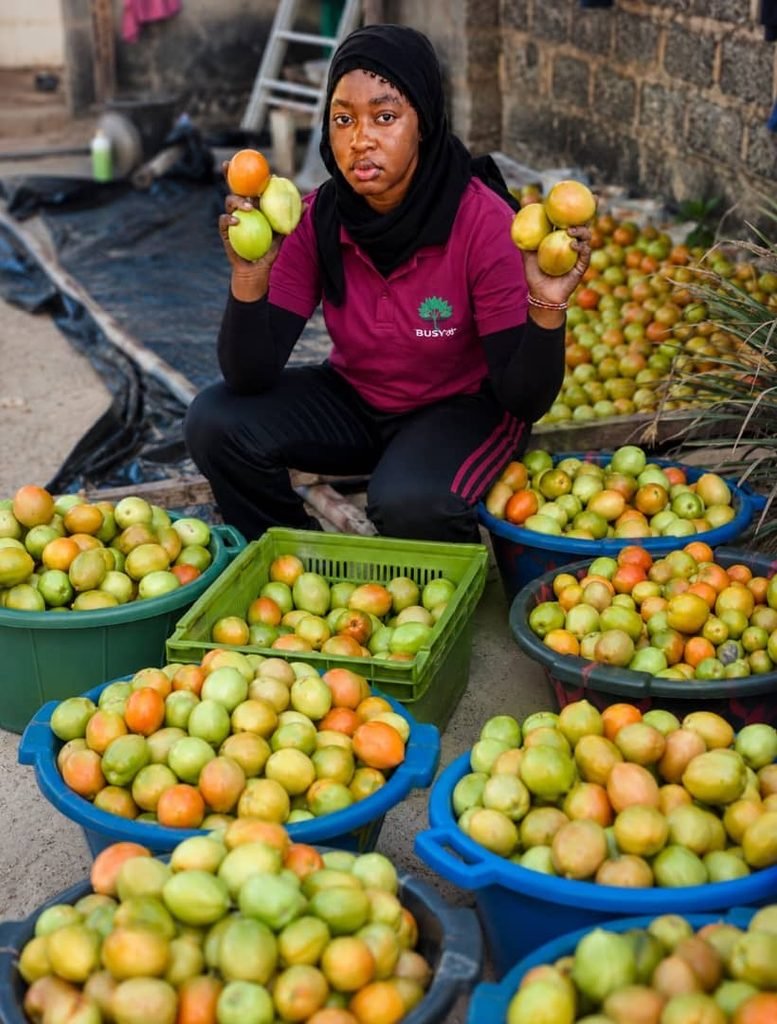
Bushara Bustan has grown from a small pineapple venture into a diversified enterprise. Pineapple remains its main crop, alongside cassava, chilli pepper and ginger.
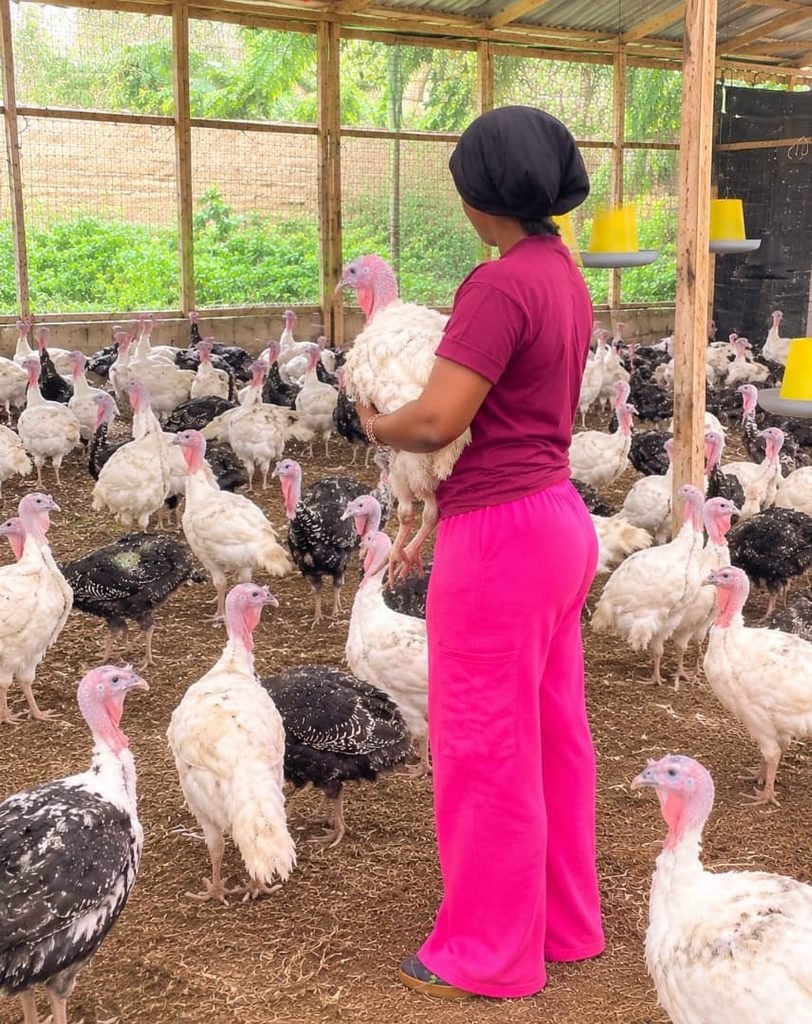
Bushira has also entered livestock and poultry through Horns and Wings Sustenance, which deals in chicken, turkey and goats, sold live or properly packaged.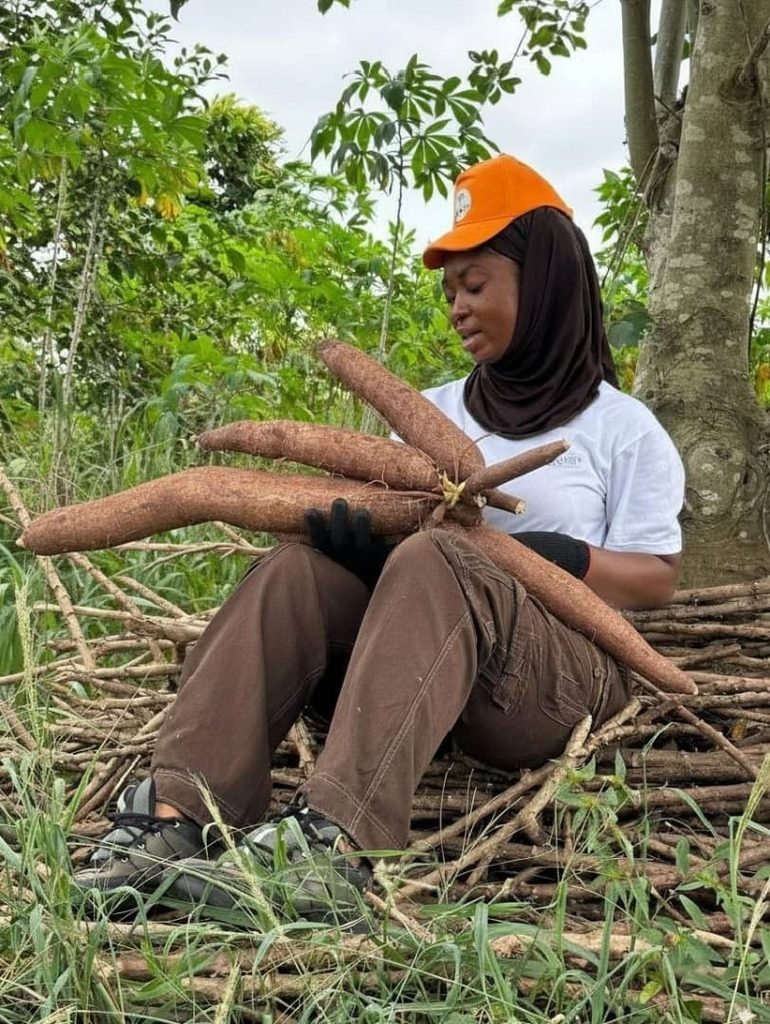
Farming’s reward, she says, is knowing her farms contribute food to people’s tables. Agriculture has also brought financial stability and opportunities in mentoring, teaching, consultancy and advocacy. Her day often begins at 5 a.m. with farm supervision.
Youth development is central to Bushira’s work. She founded ‘The Agreen Generation Blueprint’ to equip young people with practical agricultural skills and agribusiness knowledge. She also leads Agric Legacy Builders, a platform for sharing knowledge and connecting people through the experiences of those in the sector.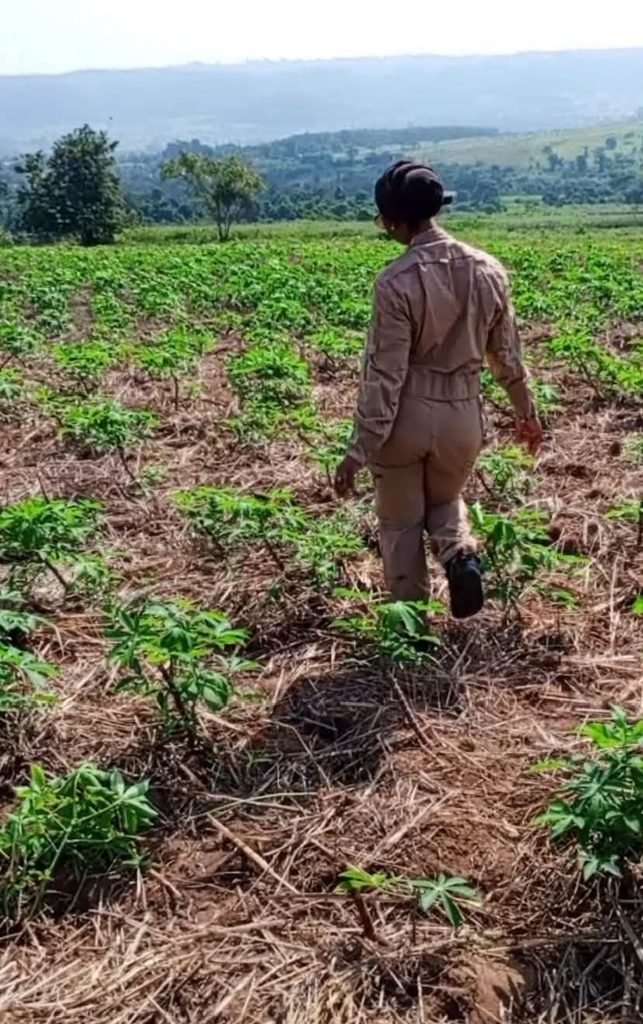
She wants young people to regard agriculture as a sector of choice, not a last resort.
As a woman in a traditionally male-dominated field, she has occasionally faced challenges managing farm workers. Some male workers, she says, have seemed reluctant to take her instructions seriously.
She suspects they assume she will not be firm enough to enforce decisions. She sees her leadership as a way to challenge stereotypes and show that women can run agricultural businesses.
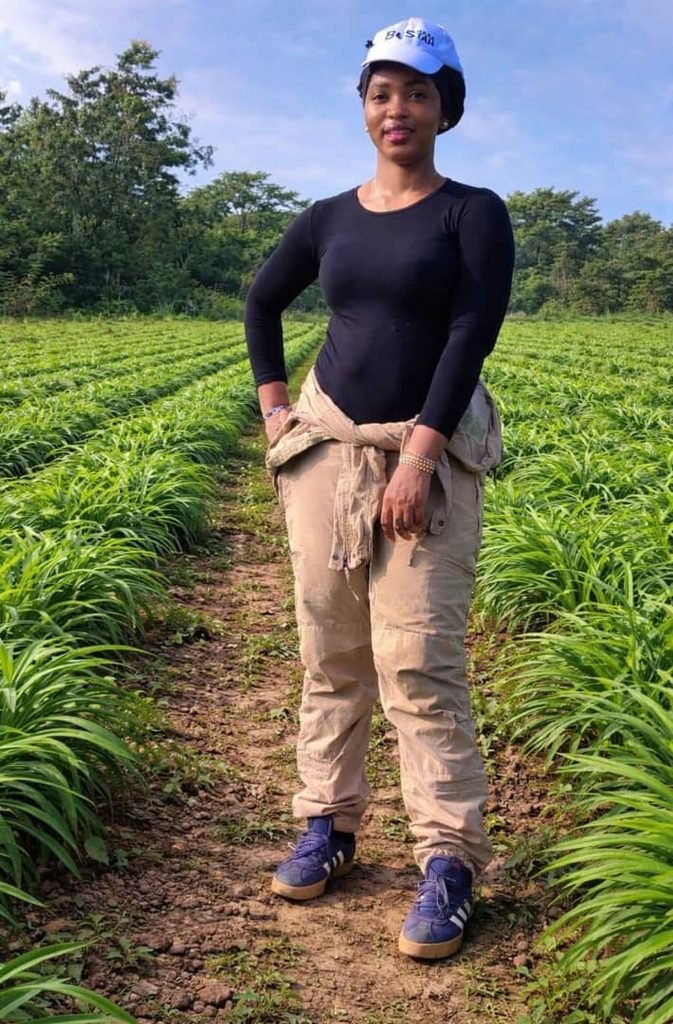
Bushira hopes to expand Bushara Bustan, increase production and improve market reach. She wants Horns and Wings Sustenance to become a reliable supplier of livestock and poultry products. Through The Agreen Generation Blueprint, she plans to reach more young people, especially women, with practical training and mentorship.
She wants her legacy associated with opportunity, impact and honesty. She believes success should not come at the expense of integrity.
Away from work, Bushira enjoys a quiet life, watching movies and resting at home. She sometimes visits the beach to relax. Her outlook is grounded in faith, hard work, contentment and treating others well.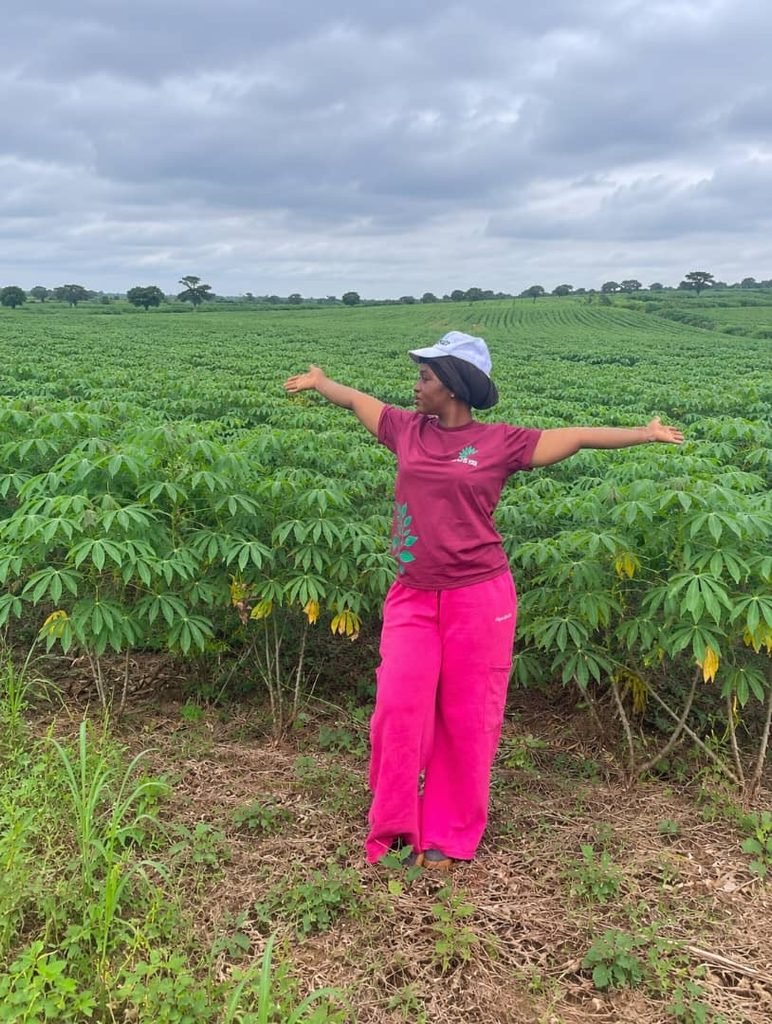
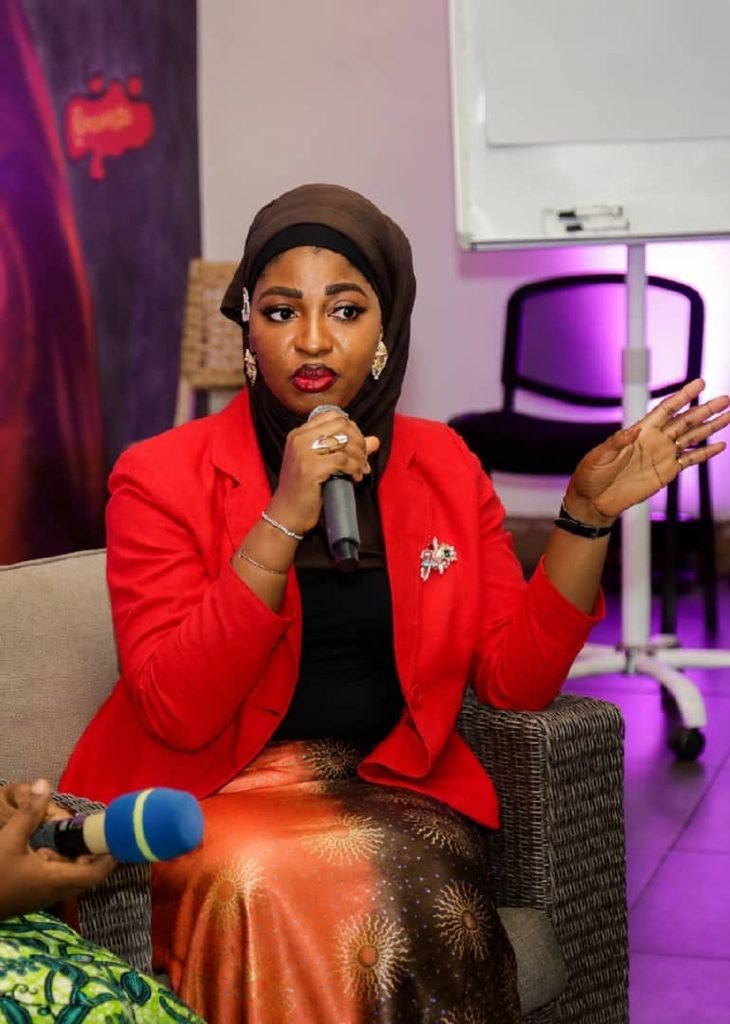
She urged young aspiring farmers to begin with what they have, keep learning and not let fear stop them.
“Farming demands patience, commitment and resilience. Young entrepreneurs also need access to land, affordable finance, practical training, mentorship, modern equipment and dependable markets,” she added.
By Esinam Jemima Kuatsinu
SKIP THE QUEUE, TAP THE NEWS
You can now read the Ghanaian Times and The Spectator newspapers from the comfort of your device via TimesNewsPlus.
Join our WhatsApp Channel: https://whatsapp.com/channel/0029VbBElzjInlqHhl1aTU27
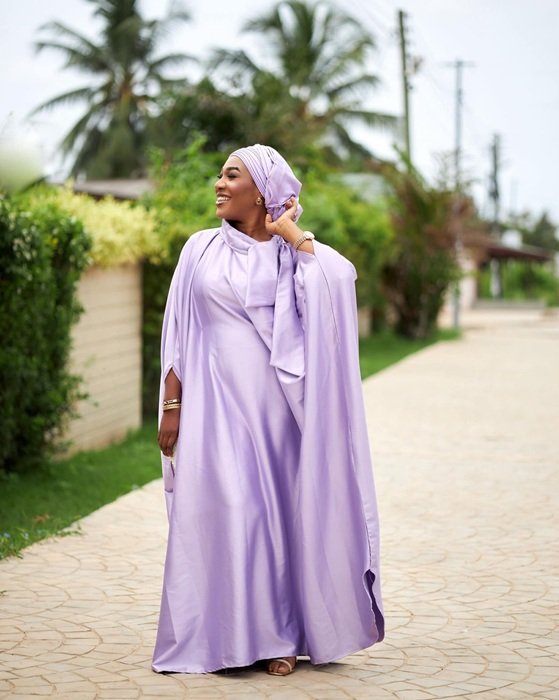
For Ms Fafa Gozo, being alive is a blessing she no longer takes for granted. Having faced breast cancer and endured the challenges of treatment, she has learnt to appreciate life differently, embrace change and find strength in an experience she once feared would end her life.
“If you ask me how to describe my life today, I would say well, because I am alive,” she said.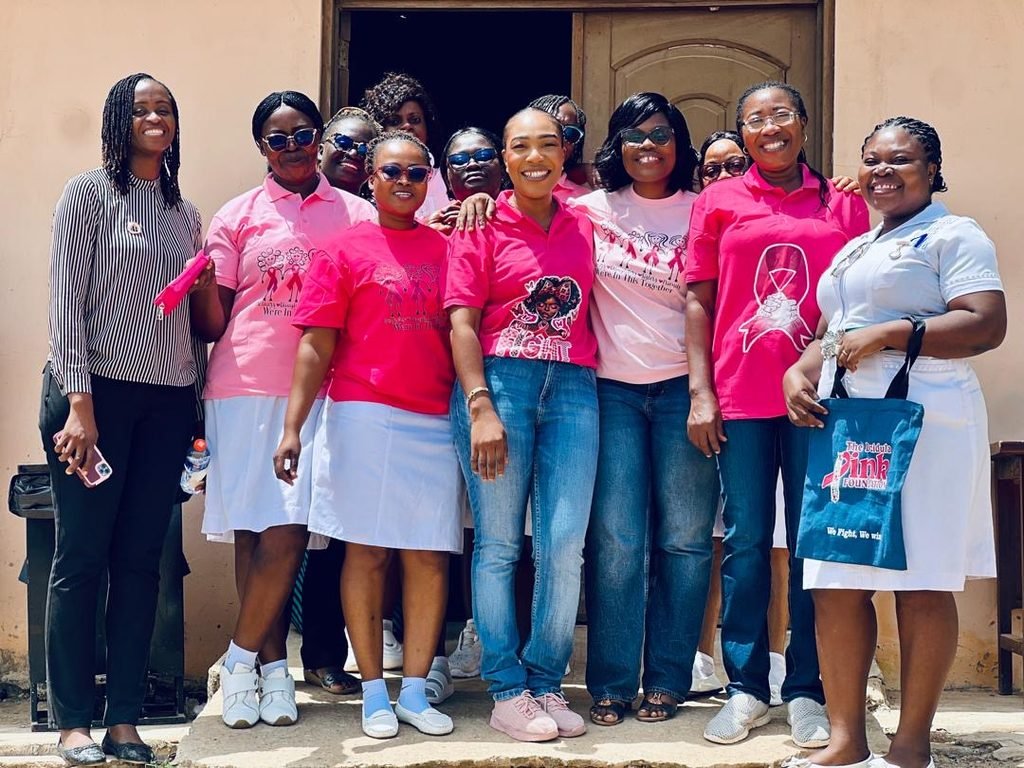
Although her life is no longer the same as it was before her diagnosis, she is grateful for the opportunity to live and make the most of each day.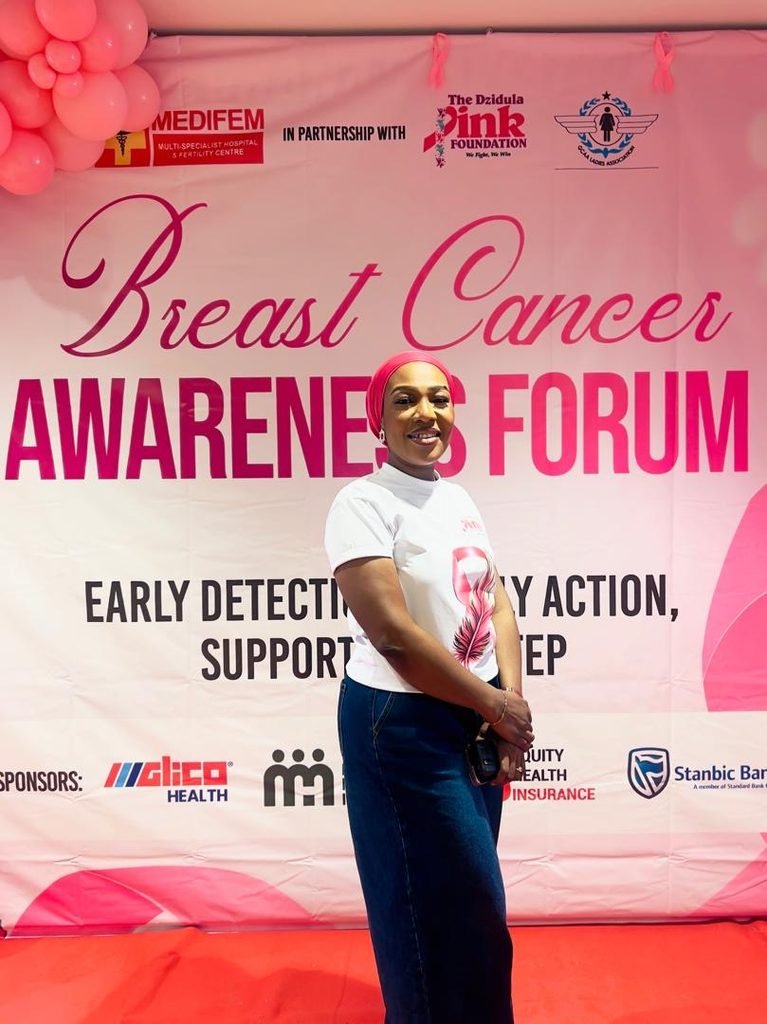
Before breast cancer, Ms Gozo described herself as a happy woman who balanced her responsibilities as a mother, wife and career woman. However, her life changed when she discovered a lump in her breast while breastfeeding her youngest child.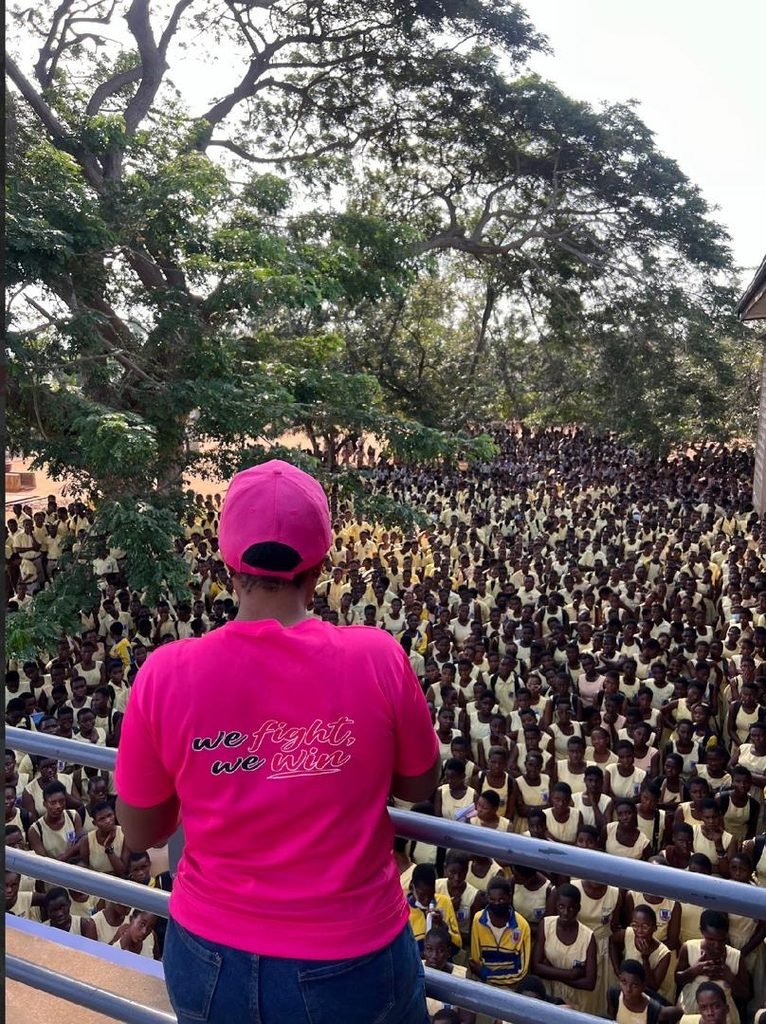
She sought medical attention, and further examinations led to a diagnosis of invasive breast cancer. The news was difficult to accept, particularly as she had a young child and family responsibilities to consider.
Chemotherapy began almost immediately. The treatment weakened her body, and she had to return to the hospital for further care.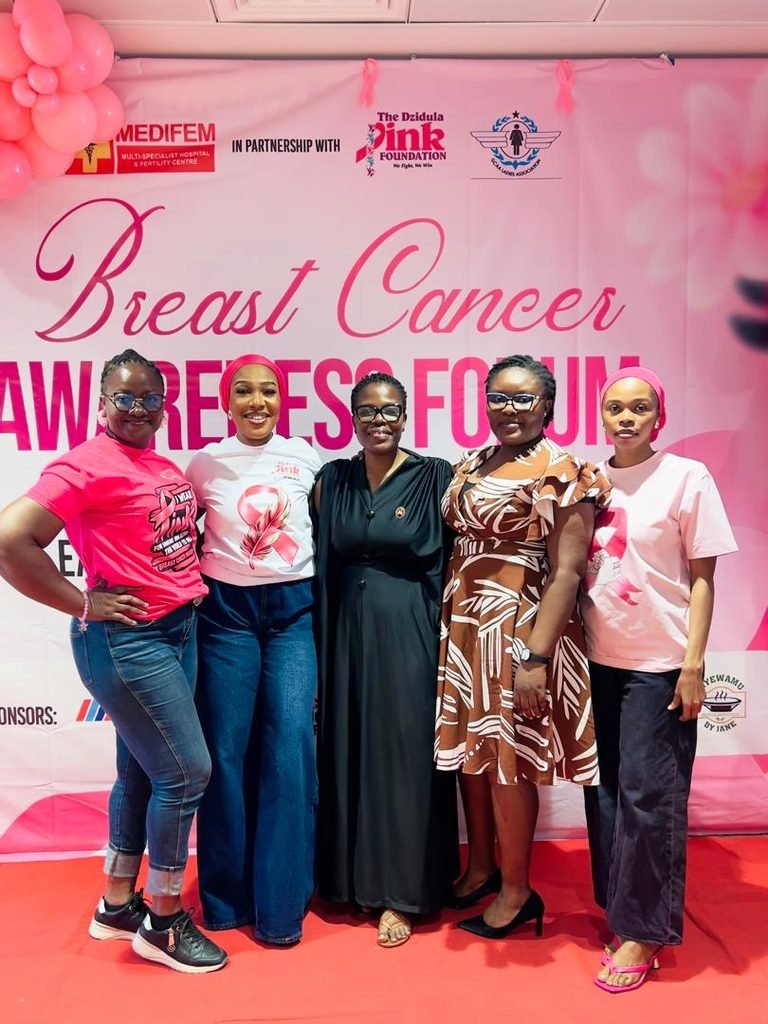
Beyond medication, she needed emotional strength to cope with the physical and psychological demands of the experience. Nevertheless, she continued with treatment, drawing strength from her faith and determination to live.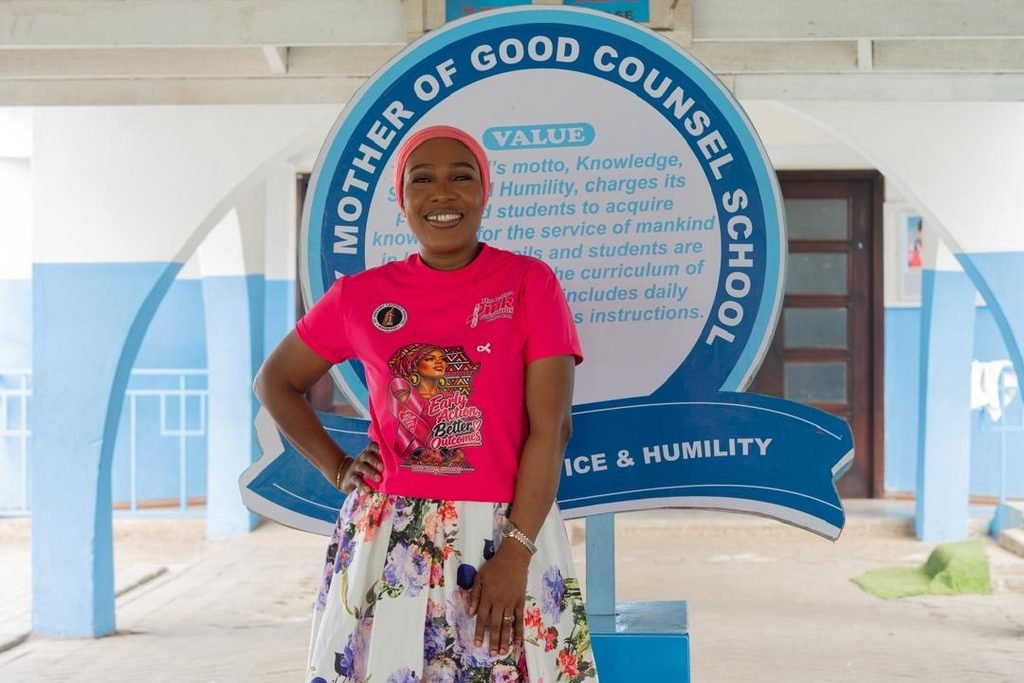
May 2022 marked the end of her chemotherapy, bringing relief after months of treatment. In June, she began another phase of her journey, focusing on recovery and rebuilding her life.
Healing was gradual, requiring physical and emotional adjustments. Just when she thought the worst was over, another health concern arose; bringing renewed anxiety and the need for further medical attention.
The experience taught her that recovery does not always follow a straight path. It requires patience, courage and the willingness to face uncertainty.
Despite the difficulties, Ms Gozo has chosen to embrace the woman she has become rather than dwell on what she has lost.
“The old Fafa is gone, but I am loving the new Fafa. I appreciate the new Fafa more and take life easy because now I know life is very short and very vulnerable. Everyone is at risk,” she said. Read More.
By Esinam Jemima Kuatsinu
SKIP THE QUEUE, TAP THE NEWS
You can now read the Ghanaian Times and The Spectator newspapers from the comfort of your device via TimesNewsPlus.
Buy Maps
Join our WhatsApp Channel: https://whatsapp.com/channel/0029VbBElzjInlqHhl1aTU27