Profile
Mary Adotei: From classroom teacher to women’s advocate

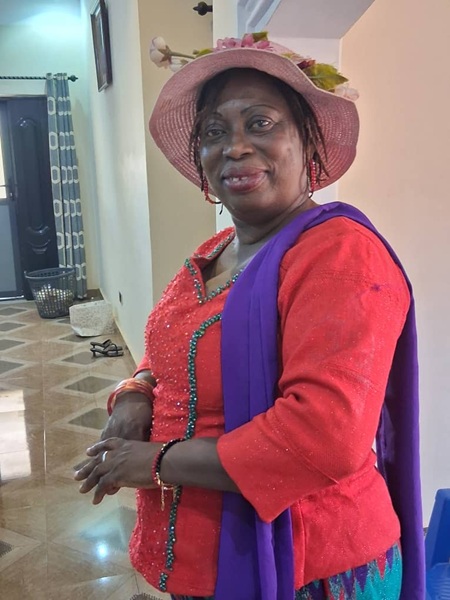
WHEN some of her pupils failed to show up at school, Mary Adotei did not always assume they were absent. Sometimes, she went looking for them.
In the communities where she taught, getting a child into the classroom could require more than preparing lessons. Mrs Adotei remembers occasions when she had to visit the homes of pupils, bathe them, prepare them and bring them to school herself.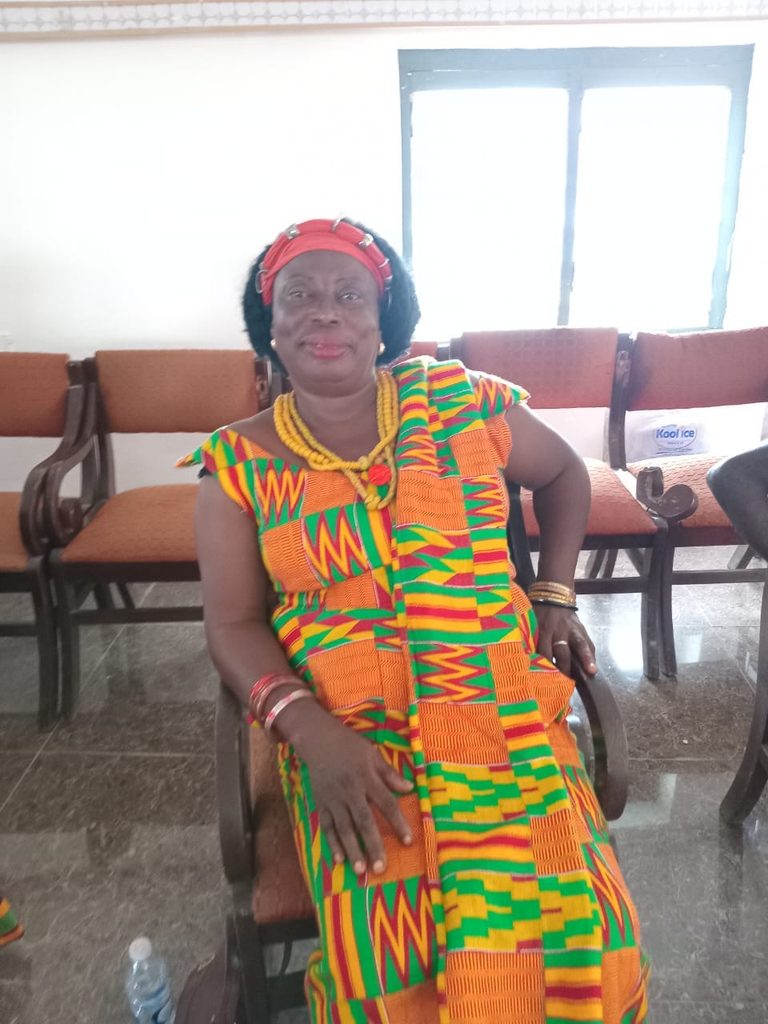
“There were times I had to go to the homes of some of the children, bathe them and bring them to school,” she recalled.
It is a memory that captures much of her journey over the years as a teacher, a profession she entered without knowing it would become central to her identity.
Now, after years of working with children and communities, Mrs Adotei is taking lessons from the classroom into a new arena.
She is contesting the position of Women’s Organiser of the National Democratic Congress (NDC) in the Asikuma Odoben Brakwa (AOB) Constituency in the Central Region, hoping to use her experience working with people to contribute to the welfare of women in the constituency.
But her story begins in the classroom.
After completing her basic and secondary education, Mrs Adotei spent 12 years working as a pupil teacher before she had the opportunity to receive professional training.
In 2006, she entered Fosu College of Education and completed her training in 2011 with a Diploma in Basic Education.
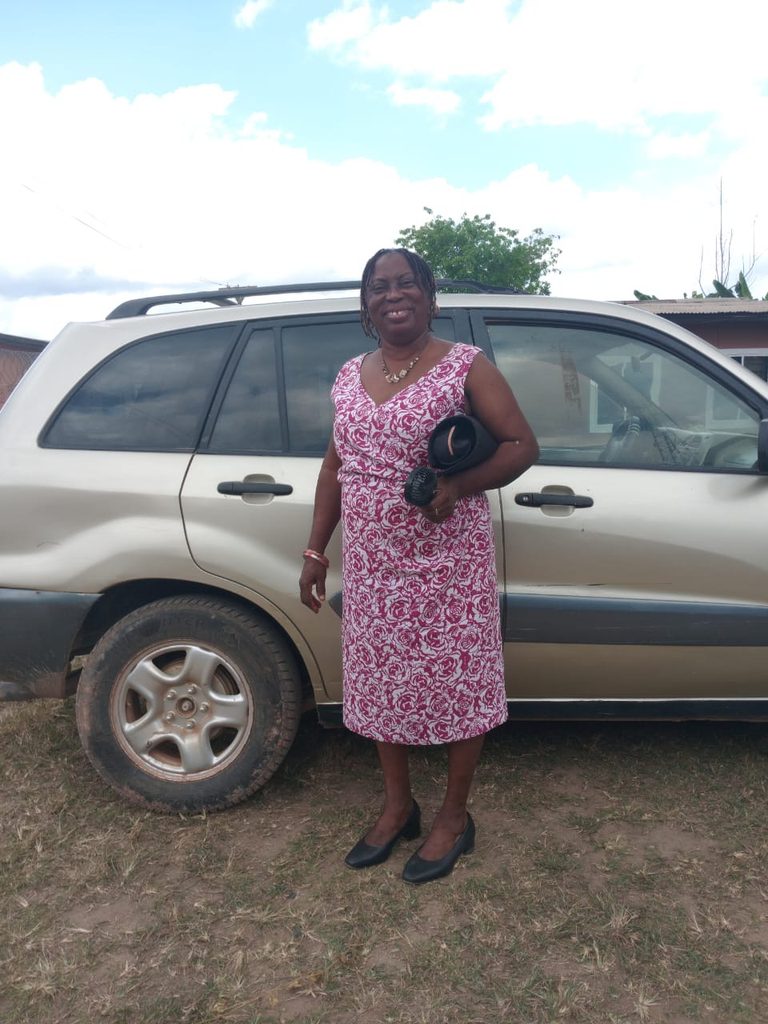
She returned to the classroom and has remained there since, teaching in different communities before moving to her current school, Catholic Boys Basic School in Breman Asikuma, in 2019.
The years have given her a front-row seat to the transformation education can bring.
Some of the children she once taught have grown into professionals, carrying the lessons they learnt in her classroom into hospitals, schools, offices and other workplaces.
Mrs Adotei said she had encountered former pupils who were now doctors, nurses, teachers and even a lawyer.
For a teacher, she said, such moments bring a special kind of satisfaction and reinforce the reason she remains passionate about education.
Her journey, however, has not been without difficult moments.
Teaching in local communities sometimes meant dealing with circumstances that went beyond academic work. Some pupils needed encouragement, personal attention and practical help before they could even settle down to learn.
Those experiences taught her that the challenges confronting people cannot always be solved from a distance. That understanding has followed her into her political activities.
Mrs Adotei has been involved in the NDC for years and previously served as a branch treasurer. She has also supported women in her branch, including assisting some to access medical treatment and providing help to families when the need arose.
She is now making her third attempt at becoming the constituency’s Women’s Organiser.
Her motivation is linked to what she has seen around her.
Mrs Adotei wants women in the constituency to have access to skills and opportunities that can help them become more economically independent.
She believes her years as a teacher have prepared her for the work, too, because the profession has taught her to listen, communicate, understand different circumstances and work patiently with people.
For her, the transition from teacher to political organiser is therefore not a complete departure from the path she has followed.
The classroom taught her to work with individuals. Politics, she hopes, will give her the opportunity to work with a wider group of women.
If elected, Mrs Adotei intends to continue teaching while taking up her political responsibilities. She said she would organise her time to attend meetings and constituency activities without abandoning her duties to her pupils.
Away from school and politics, she is a wife and mother of two sons who are pursuing their degrees at university.
Her message to young girls is shaped by everything she has seen education do for the children she has taught.
For Mrs Adotei, education remains one of the strongest tools available to young people, especially girls seeking to build better futures.
She wants them to stay in school, pursue further education and acquire skills that will prepare them for the future.
“Nowadays, you cannot go forward without education,” she said.
By Esinam Jemima Kuatsinu
SKIP THE QUEUE, TAP THE NEWS
You can now read the Ghanaian Times and The Spectator newspapers from the comfort of your device via TimesNewsPlus.
Join our WhatsApp Channel: https://whatsapp.com/channel/0029VbBElzjInlqHhl1aTU27


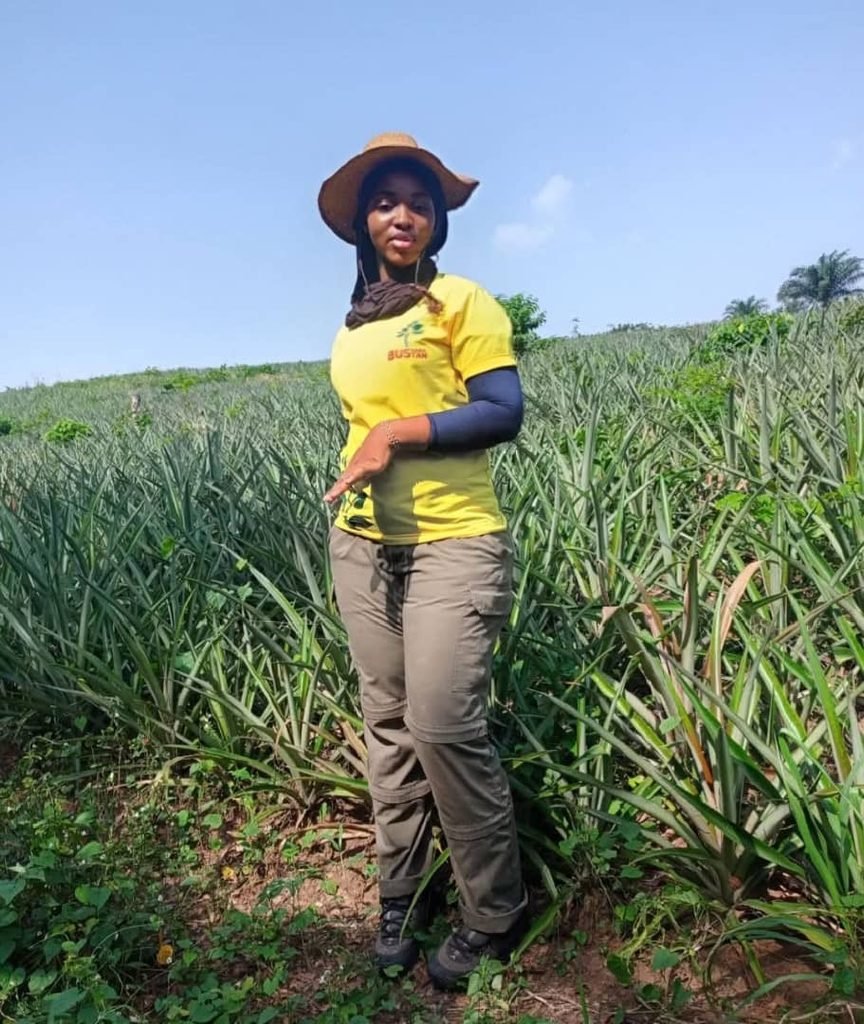
While many graduates dream of securing comfortable corporate jobs after years of education, Bushira Saanpograwwo Abass chose a different path. Armed with determination and savings from her National Service, she ventured into pineapple farming, driven by a belief in the untapped opportunities within agriculture.
What began as a modest farming experiment has since evolved into a growing agribusiness, positioning her as a woman determined to challenge conventional perceptions of farming, inspire young people and build a lasting agricultural legacy.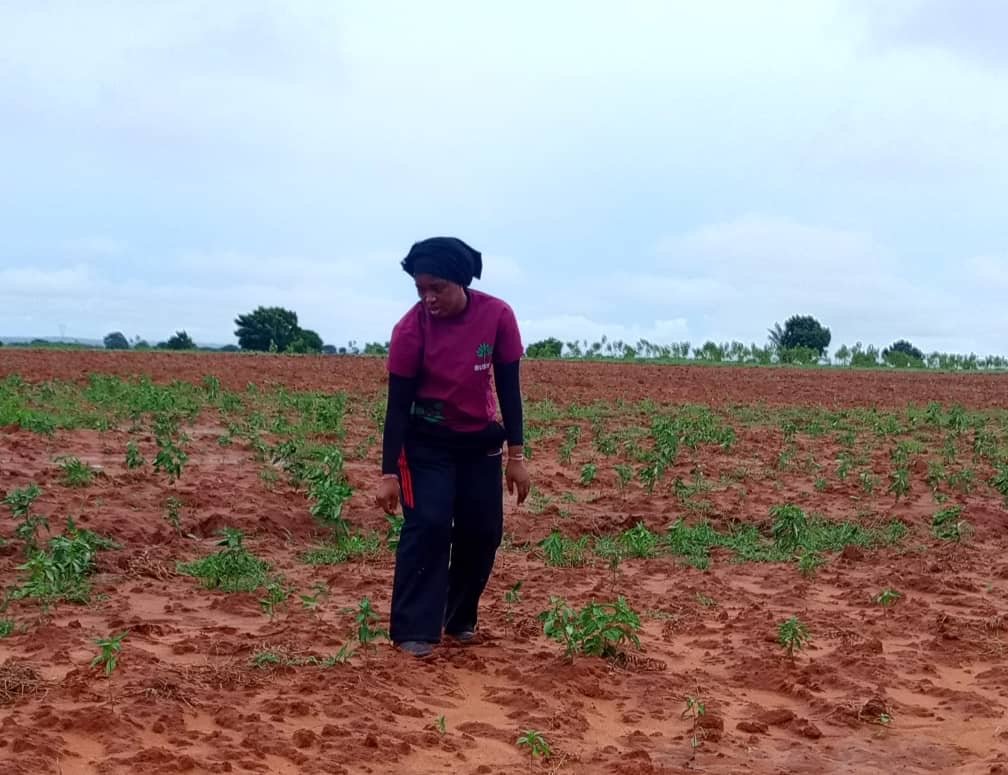
Born in Bawku in the Upper East Region, Bushira was raised in a family that valued education and discipline. She attended school in Bawku and Tamale Senior High School, studied Advanced French Language at the Ghana Institute of Languages and Bilingual Secretaryship at the University of Media, Arts and Communication, then earned an MPhil in Sustainability Science from the University of Ghana. Her childhood ambitions were journalism and space travel; but farming came unexpectedly.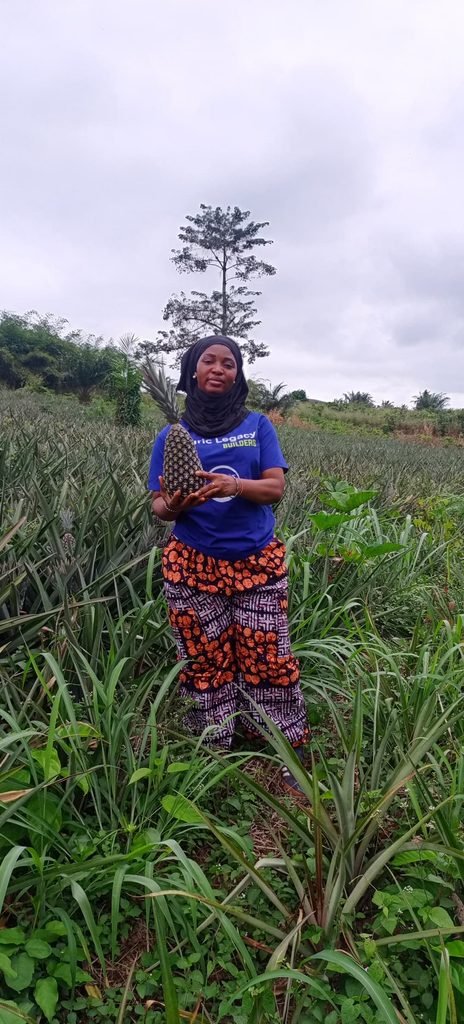
Bushira’s interest grew from seeing a gap in a sector essential to everyday life. She recognised agriculture’s untapped potential but believed youth participation and innovation were insufficient. To her, it offered much more than crop cultivation and animal rearing: it was a route to entrepreneurship, employment and wealth creation.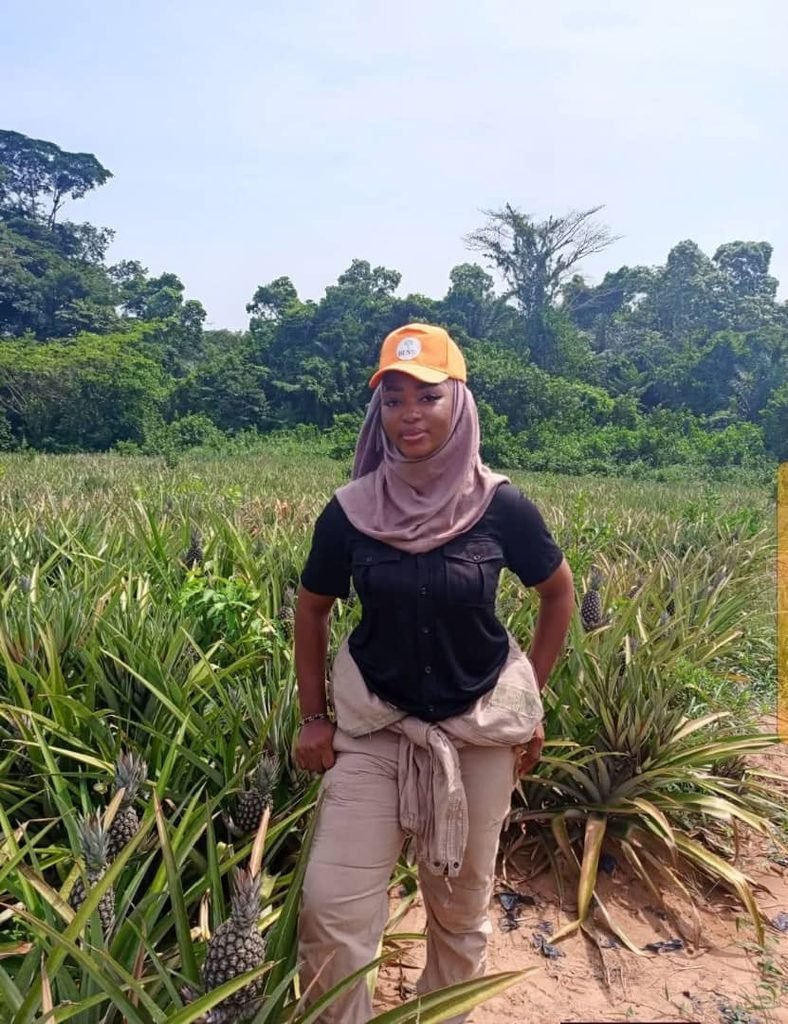
Her decision was not immediately understood. Her parents expected her to find an office job after her education, while some friends questioned her choice of farming. She remained convinced that the sector offered an opportunity worth pursuing.
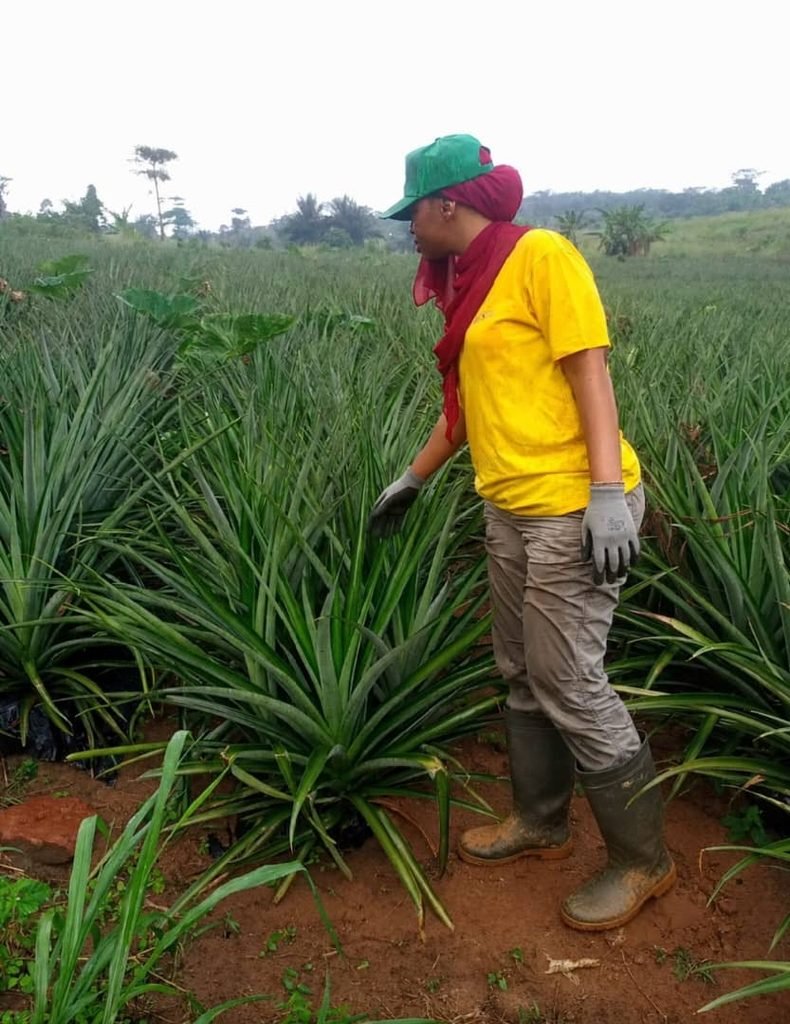
Her journey began about eight years ago, during National Service, when she saved portions of her allowance to establish a business. After considering crops and livestock, she chose crop production. A trip to the mountains around Aburi inspired her to grow pineapples. She admired the plantations and recognised the crop’s commercial potential.
With her savings, she started despite having no practical farming experience. She learnt on the job, making mistakes and improving her methods. That first venture became the foundation of Bushara Bustan.
Her first major setback was losing an entire production, a financial and emotional blow that threatened the business.
She temporarily left farming, returned to corporate work, started a personal business and saved until she could rebuild. Eventually, she returned to the field.
Last year, an earth-moving machine destroyed part of her farm in an incident reportedly caused by a mistake. The damage attracted public attention and calls from concerned supporters. Despite promises of assistance, she says she received no help towards recovery.
She did not consider quitting. Other farms and ongoing production enabled her to continue. The experience reinforced her belief that entrepreneurs cannot always wait for outside support; sometimes they must work with the resources available.
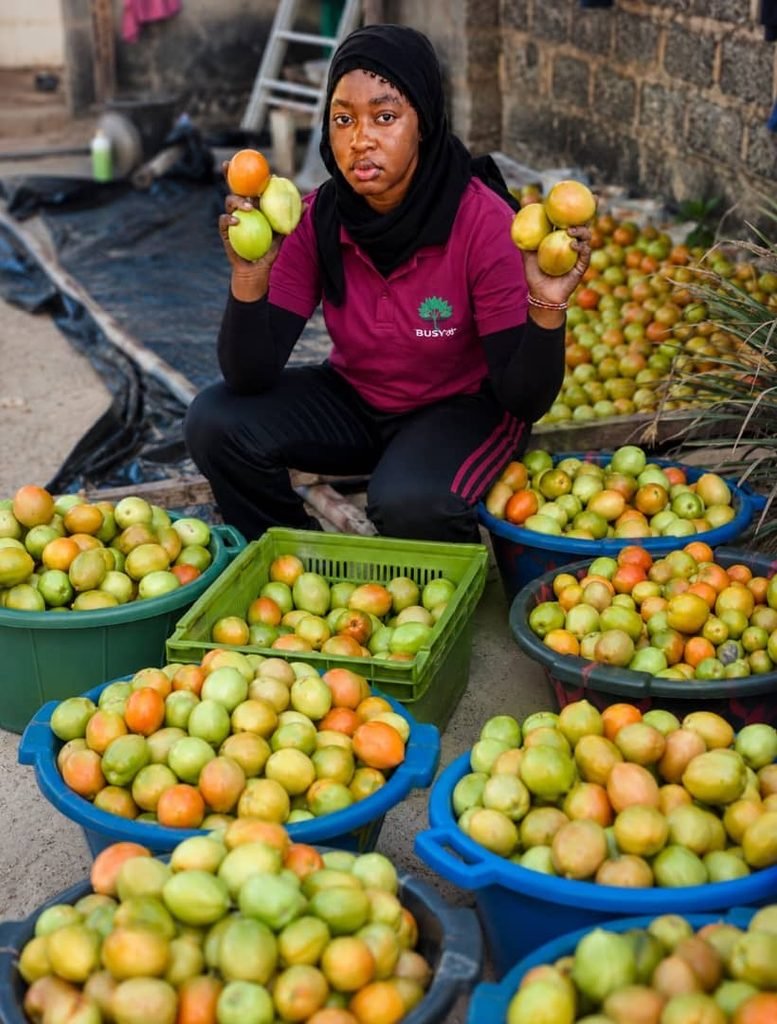
Bushara Bustan has grown from a small pineapple venture into a diversified enterprise. Pineapple remains its main crop, alongside cassava, chilli pepper and ginger.
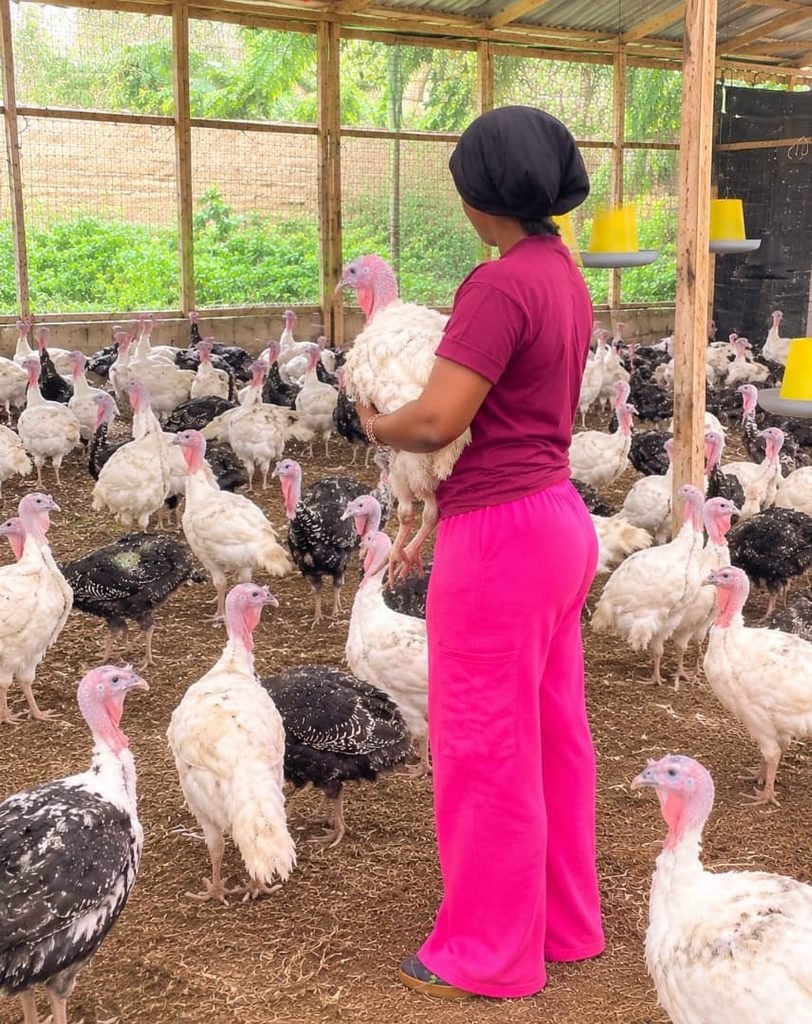
Bushira has also entered livestock and poultry through Horns and Wings Sustenance, which deals in chicken, turkey and goats, sold live or properly packaged.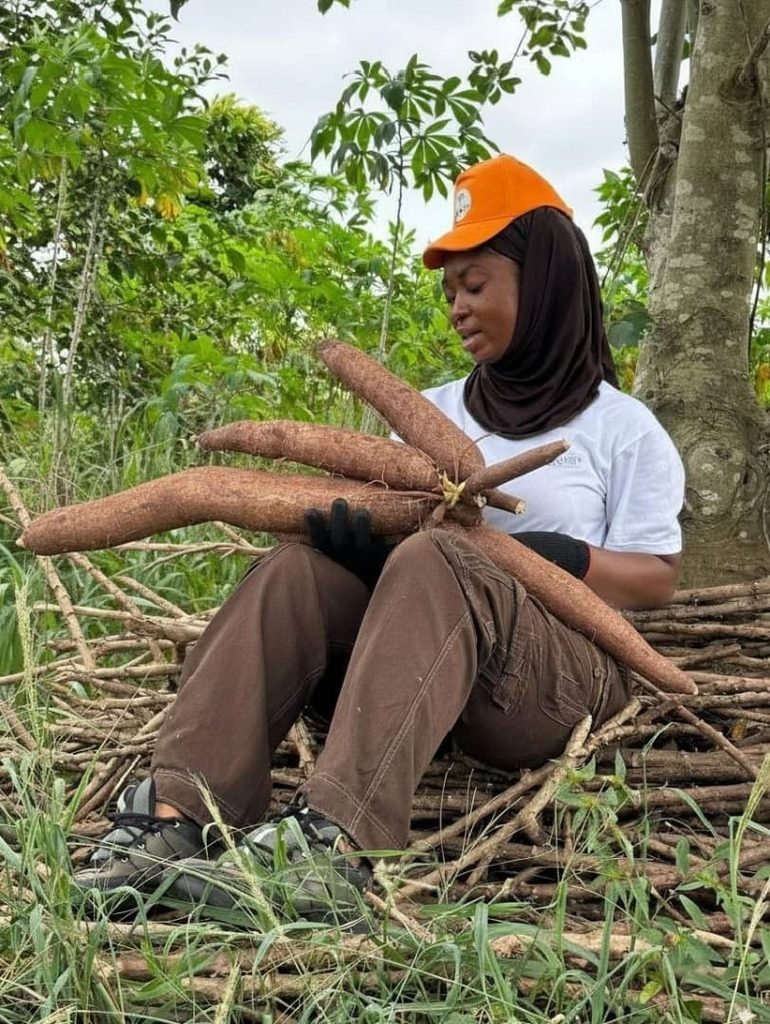
Farming’s reward, she says, is knowing her farms contribute food to people’s tables. Agriculture has also brought financial stability and opportunities in mentoring, teaching, consultancy and advocacy. Her day often begins at 5 a.m. with farm supervision.
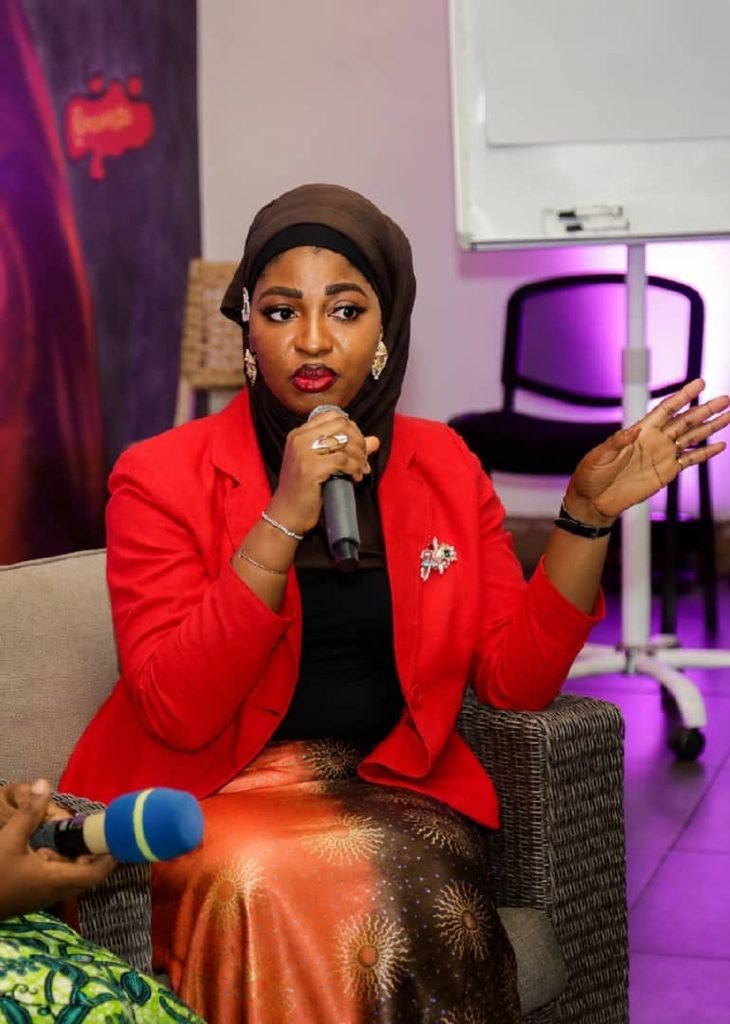
Youth development is central to Bushira’s work. She founded ‘The Agreen Generation Blueprint’ to equip young people with practical agricultural skills and agribusiness knowledge. She also leads Agric Legacy Builders, a platform for sharing knowledge and connecting people through the experiences of those in the sector.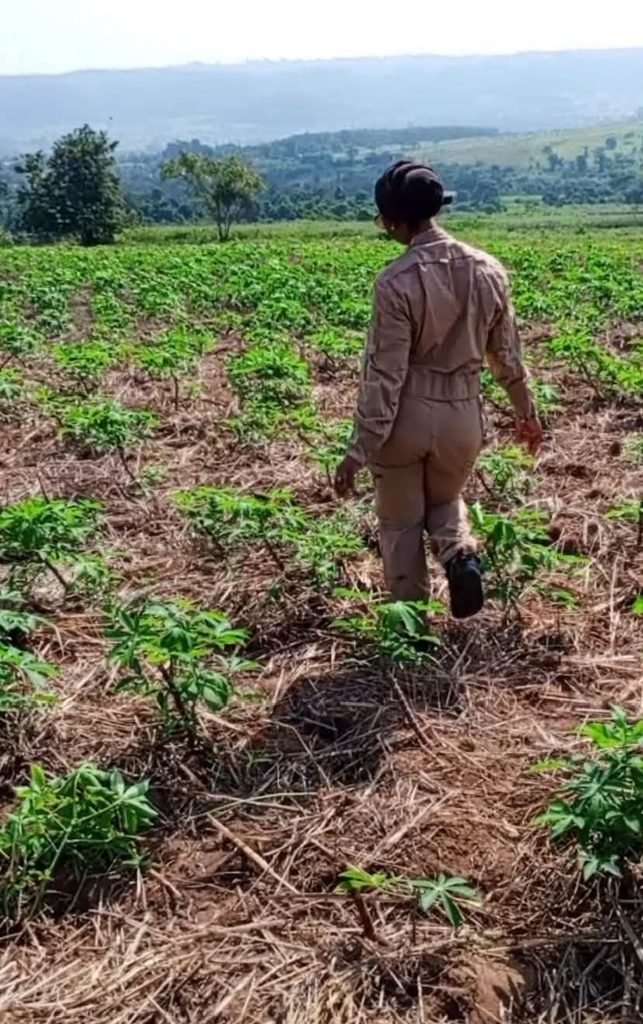
She wants young people to regard agriculture as a sector of choice, not a last resort.
As a woman in a traditionally male-dominated field, she has occasionally faced challenges managing farm workers. Some male workers, she says, have seemed reluctant to take her instructions seriously.
She suspects they assume she will not be firm enough to enforce decisions. She sees her leadership as a way to challenge stereotypes and show that women can run agricultural businesses.
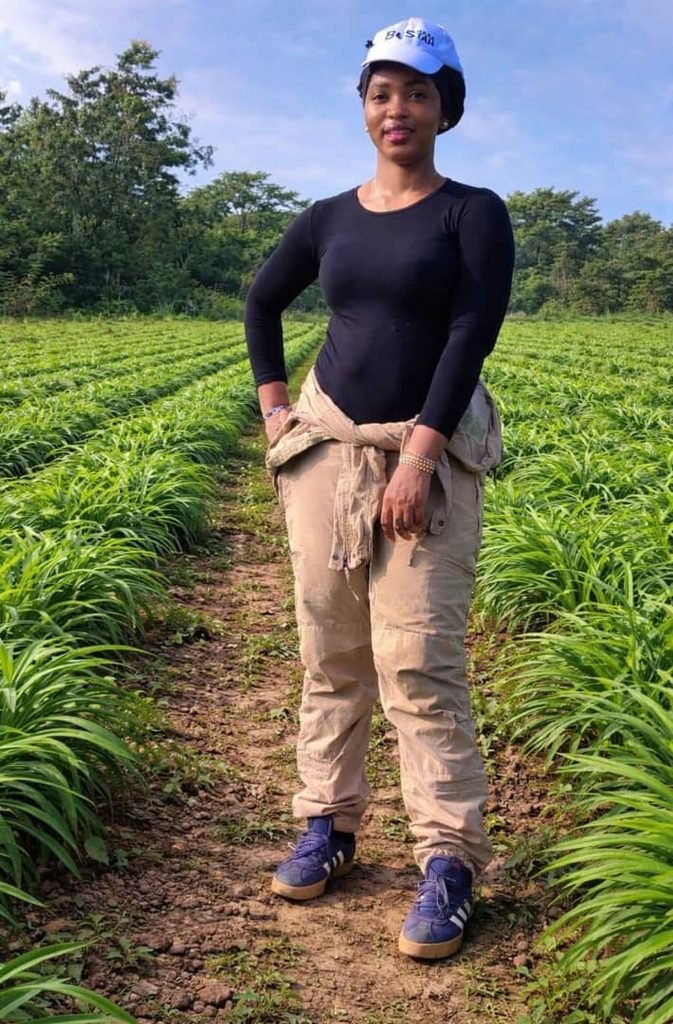
Bushira hopes to expand Bushara Bustan, increase production and improve market reach. She wants Horns and Wings Sustenance to become a reliable supplier of livestock and poultry products. Through The Agreen Generation Blueprint, she plans to reach more young people, especially women, with practical training and mentorship.
She wants her legacy associated with opportunity, impact and honesty. She believes success should not come at the expense of integrity.
Away from work, Bushira enjoys a quiet life, watching movies and resting at home. She sometimes visits the beach to relax. Her outlook is grounded in faith, hard work, contentment and treating others well.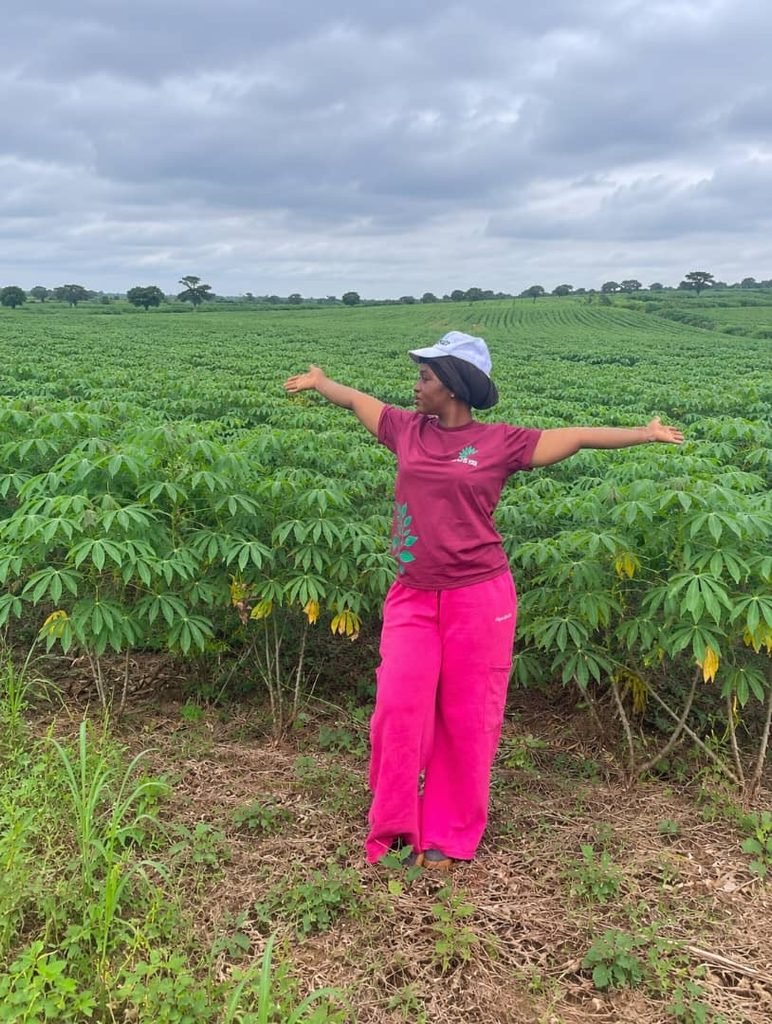
She urged young aspiring farmers to begin with what they have, keep learning and not let fear stop them.
“Farming demands patience, commitment and resilience. Young entrepreneurs also need access to land, affordable finance, practical training, mentorship, modern equipment and dependable markets,” she added.
By Esinam Jemima Kuatsinu
SKIP THE QUEUE, TAP THE NEWS
You can now read the Ghanaian Times and The Spectator newspapers from the comfort of your device via TimesNewsPlus.
Join our WhatsApp Channel: https://whatsapp.com/channel/0029VbBElzjInlqHhl1aTU27

For Ms Fafa Gozo, being alive is a blessing she no longer takes for granted. Having faced breast cancer and endured the challenges of treatment, she has learnt to appreciate life differently, embrace change and find strength in an experience she once feared would end her life.
“If you ask me how to describe my life today, I would say well, because I am alive,” she said.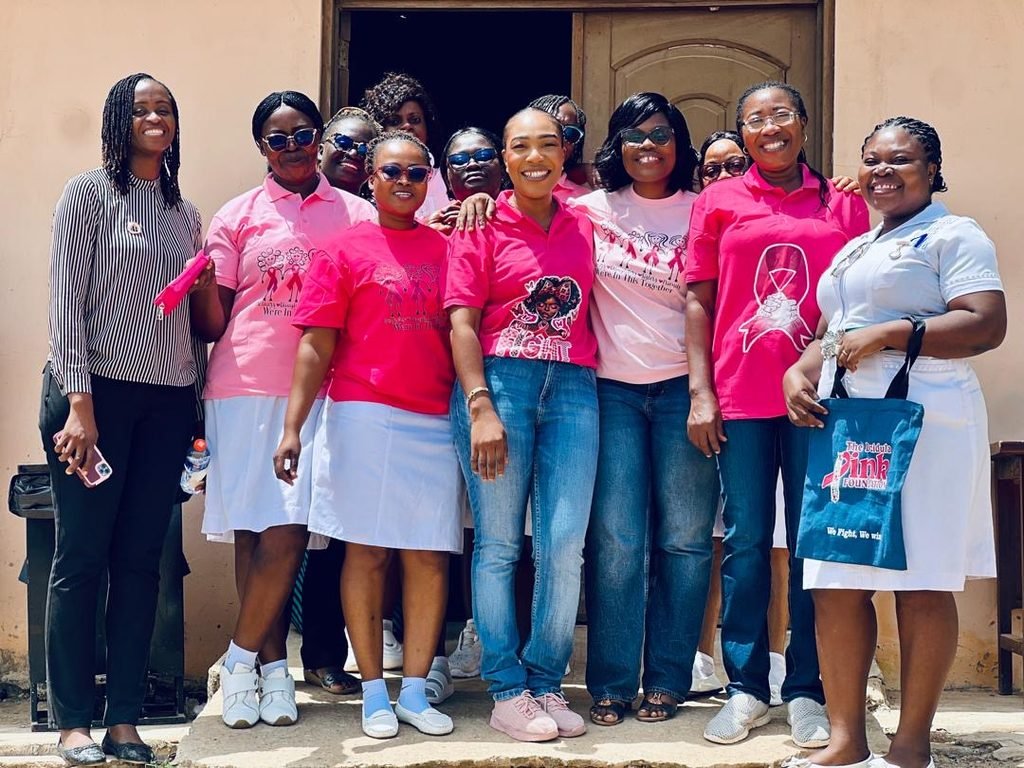
Although her life is no longer the same as it was before her diagnosis, she is grateful for the opportunity to live and make the most of each day.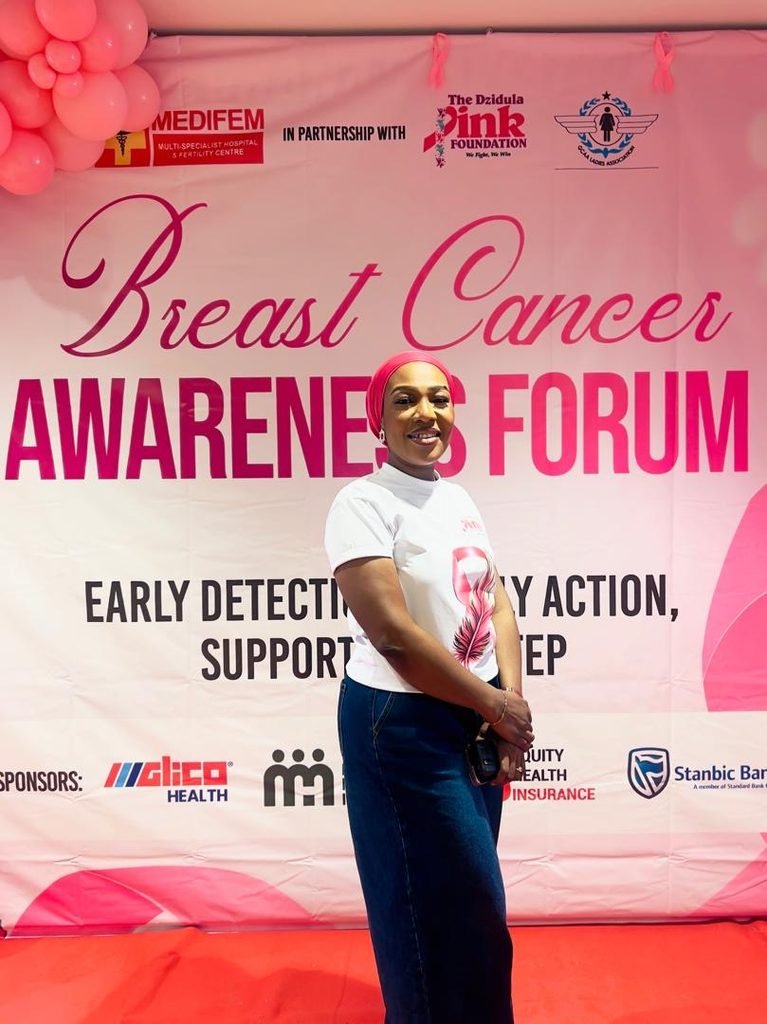
Before breast cancer, Ms Gozo described herself as a happy woman who balanced her responsibilities as a mother, wife and career woman. However, her life changed when she discovered a lump in her breast while breastfeeding her youngest child.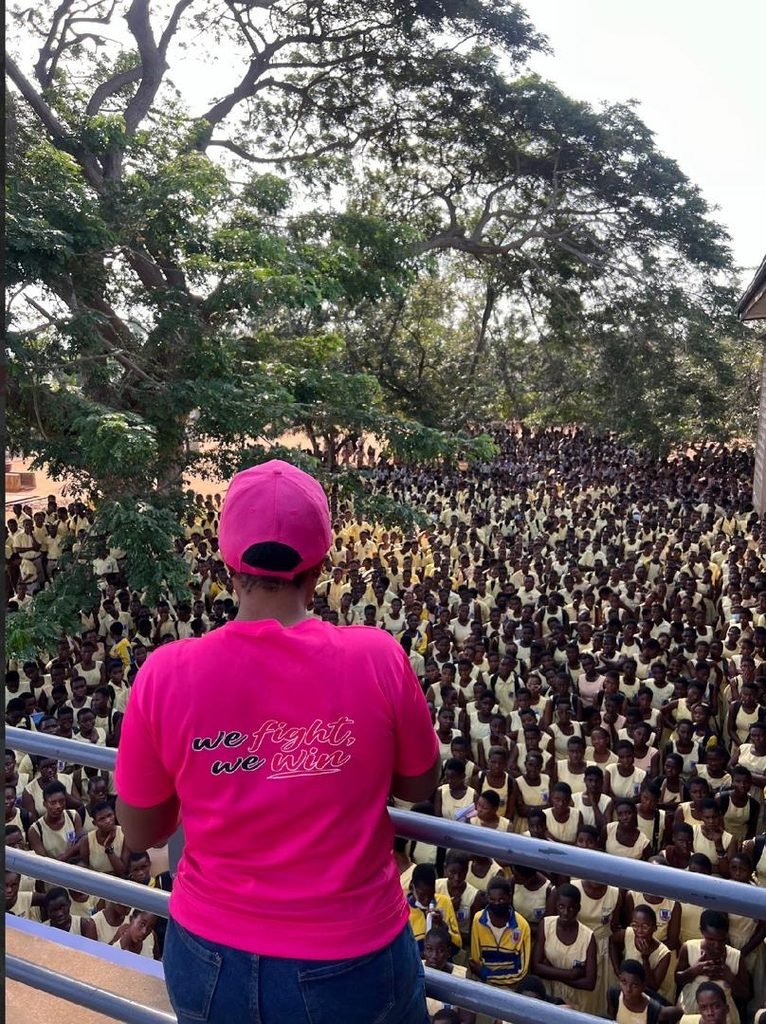
She sought medical attention, and further examinations led to a diagnosis of invasive breast cancer. The news was difficult to accept, particularly as she had a young child and family responsibilities to consider.
Chemotherapy began almost immediately. The treatment weakened her body, and she had to return to the hospital for further care.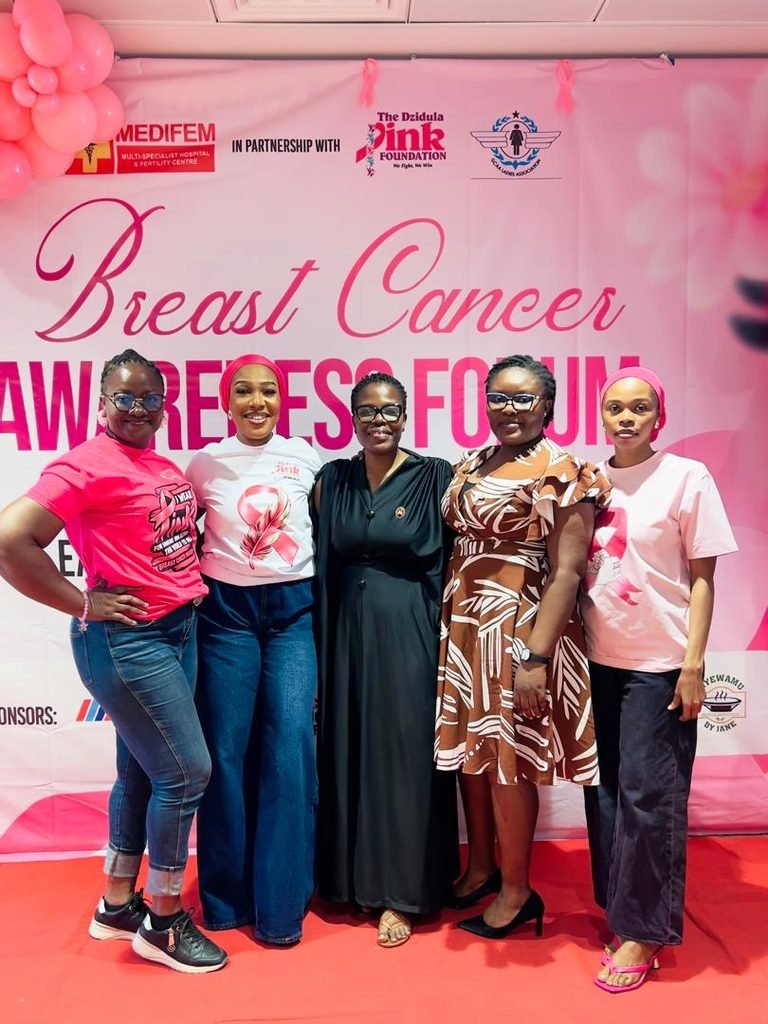
Beyond medication, she needed emotional strength to cope with the physical and psychological demands of the experience. Nevertheless, she continued with treatment, drawing strength from her faith and determination to live.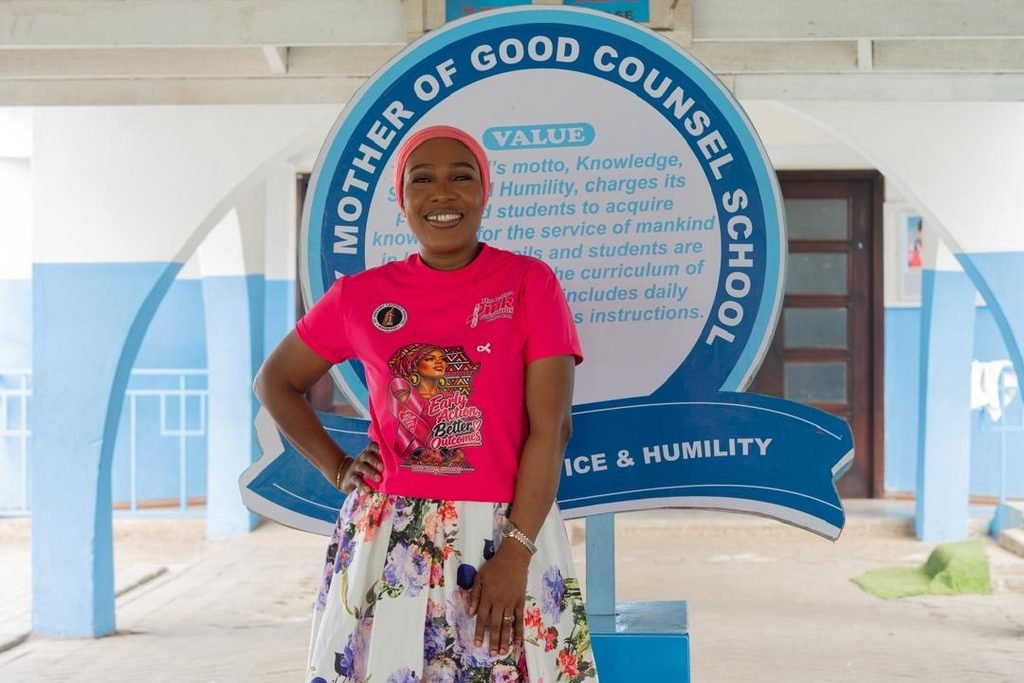
May 2022 marked the end of her chemotherapy, bringing relief after months of treatment. In June, she began another phase of her journey, focusing on recovery and rebuilding her life.
Healing was gradual, requiring physical and emotional adjustments. Just when she thought the worst was over, another health concern arose; bringing renewed anxiety and the need for further medical attention.
The experience taught her that recovery does not always follow a straight path. It requires patience, courage and the willingness to face uncertainty.
Despite the difficulties, Ms Gozo has chosen to embrace the woman she has become rather than dwell on what she has lost.
“The old Fafa is gone, but I am loving the new Fafa. I appreciate the new Fafa more and take life easy because now I know life is very short and very vulnerable. Everyone is at risk,” she said. Read More.
By Esinam Jemima Kuatsinu
SKIP THE QUEUE, TAP THE NEWS
You can now read the Ghanaian Times and The Spectator newspapers from the comfort of your device via TimesNewsPlus.
Buy Maps
Join our WhatsApp Channel: https://whatsapp.com/channel/0029VbBElzjInlqHhl1aTU27