Nutrition
When floodwaters rise, nutrition and food safety should not be ignored

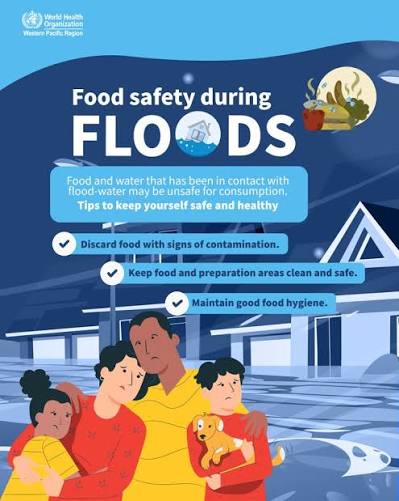
The recent floods across parts of Ghana have disrupted lives, displaced families, and damaged homes and livelihoods. While rescue efforts and rebuilding understandably take centre stage, another urgent issue deserves equal attention, nutrition and food safety, both during the flood and long after the water recedes.
Floods contaminate water sources, destroy crops, interrupt food supplies, and increase the spread of foodborne disease. These challenges place young children, pregnant and breastfeeding women, older adults, and people living with chronic illness at far greater risk of malnutrition. The scale of this threat is not hypothetical: in June 2025 alone, floods displaced nearly 90,000 people across seven regions, according to Ghana’s National Disaster Management Organisation (NADMO). Past flood-drought cycles show why displacement of this kind matters for nutrition following a similar disaster in Ghana’s three northern regions, the World Food Programme documented chronic malnutrition among children ranging from 34 to 48 per cent, alongside acute malnutrition of 8 to 12 percent, in the hardest-hit areas. As Ghana faces more frequent extreme weather events, protecting nutrition must become a core part of disaster preparedness, not an afterthought.
Floods affect more than food availability
Floodwaters wash away farms, destroy stored food, and make it difficult for farmers and traders to move produce to market. As supplies shrink, prices of nutritious foods such as fruits, vegetables, fish, and eggs increase. For households already stretched by the rising cost of living, that often means choosing cheaper, less nutritious food just to feel full. Over time, diets narrow, and the risk of vitamin and mineral deficiencies grows.
The hidden danger: unsafe food
Floodwater is rarely clean. It carries sewage, chemicals, animal waste, and other contaminants into homes, farms, and food stores. Eating food that has touched floodwater, or drinking unsafe water, can trigger diarrhoea, cholera, typhoid, and other infections, illnesses that block nutrient absorption and cause rapid weight loss, especially in children. The danger doesn’t end when the water goes down; improperly stored or damaged food can still make people sick weeks later.
What every household can do
- Drink only safe or treated water where supplies have been affected.
- Wash fruits and vegetables thoroughly with clean water.
- Discard any food that has been exposed to floodwater, even if it looks fine.
- Cook food thoroughly and never eat spoiled food.
- Keep breastfeeding infants: breast milk remains the safest source of nutrition in an emergency.
- Seek medical care promptly if a child develops persistent diarrhoea or shows signs of dehydration.
Recovery needs more than a full stomach
Emergency food aid tends to focus on energy-dense staples like rice and maize. Important, yes but not enough on their own. Recovering families also need protein, healthy fats, vitamins, and minerals, especially the most vulnerable groups. A nutrition-smart response includes fortified foods, beans and other legumes, safe drinking water and fresh produce where possible.
Recovery shouldn’t stop at food distribution, either. Communities need help rebuilding farms, markets, and livelihoods so families can go back to sourcing diverse, nutritious food on their own, not depending indefinitely on aid.
A call for leadership
Floods will keep testing Ghana’s resilience. The first call is to find innovative ways to reduce the impact of the floods. The response, however, has to go beyond emergency relief to actively protect nutrition and food safety through safe water provision, food safety education, trained health workers who can spot malnutrition early, and recovery programmes that help farmers get growing again quickly.
When communities are protected from hunger, disease, and poor nutrition at every stage of a disaster, they don’t just survive floods, they recover from them faster and stronger.
Feature article by Women, Media and Change under its Nourish Ghana: Advocating for Increased Leadership to Combat Malnutrition project


Ingredients
-Oil
-1 large onion
-2 cups of rice
-Salt
-2 cups of wheat
Preparation
-In a medium saucepan, heat oil over medium-low heat
-Add the onion and cook, stirring frequently, until soft and turns golden brown
-Wash rice and wheat and put into pan. Sauté for two to three minutes, until toasty and fragrant
-Add water and salt and allow to boil.
– Reduce heat to low and allow to simmer for 10 to 15 minutes until rice is tender and the water is absorbed.
-Taste the rice/wheat; if it is still a bit firm, add a few more tablespoons of water and cook a few more minutes.
-When the rice/wheat is ready, take it off the fire and serve hot
Benefits of wheat
–Improves digestion: High levels of insoluble fibre- wheat promotes regular bowel movements, prevent constipation, and support a healthy gut microbiome.
-Supports heart health: Whole-grain wheat helps lower LDL (bad) cholesterol, reduces blood pressure, and decreases the risk of stroke and heart disease.
-Aids weight management: Complex carbohydrates and dense fibre slow digestion, increase feelings of fullness, and help prevent sharp blood sugar spikes.
-Lowers type 2 diabetes risk: Steady glucose release and minerals like magnesium improve insulin sensitivity.
– Provides essential vitamins and minerals: Wheat supplies B vitamins, iron, magnesium, phosphorus, zinc, and selenium, which help build bones and boost immune function.
–Delivers Antioxidants: Compounds like phenolic acids, ferulic acid, and lutein protect cells from oxidative stress and support eye health.
SKIP THE QUEUE, TAP THE NEWS
You can now read the Ghanaian Times and The Spectator newspapers from the comfort of your device via TimesNewsPlus.
Join our WhatsApp Channel: https://whatsapp.com/channel/0029VbBElzjInlqHhl1aTU27

Ingredients
-4 cups of crushed corn
-1 cup of sugar
Method:
-Soak crushed corn for two or more days to ferment
-Boil the fermented corn for about 20-30 minutes until foamy substance is dried up
-Pour sugar in a saucepan and heat until almost burnt
-Strain water from the boiled corn and pour in the saucepan containing sugar
-Use a strainer to strain the chaff
-Allow to cool and store in refrigerator
– Serve with milk
By Linda Abrefi Wadie