News
ASOHOM organises fundraising gala to protect Ghana’s water resources, support vulnerable communities

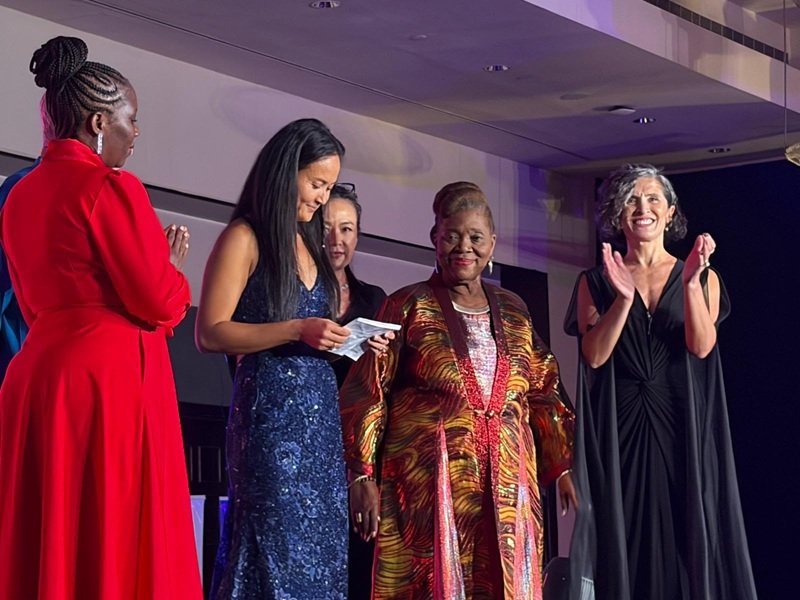
The Association of Spouses of Heads of Missions and International Organisations (ASOHOM) last Friday held the 2026 edition of its annual Charity Gala, at the Kempinski Hotel Gold Coast City, Accra under the theme ‘Woven Currents.’
It was attended by members of the diplomatic and international community, distinguished guests, corporate partners, and artists, friends of Ghana and supporters of ASOHOM’s charitable mission.
What was supposed to be a fundraiser turned into a perfect platform to celebrate friendship, culture and creativity.
Water was at the heart of this year’s message, said Sovanna Taliercio President, ASOHOM and Chairperson of its Fundraising Committee.
“Through art, music and live performance, the gala highlighted the vital connection between water, life and our shared future, while drawing attention to the importance of protecting Ghana’s water resources and supporting sustainable solutions for vulnerable communities,” a statement signed by Ms Taliercio said.
The evening featured a remarkable exhibition of Ghanaian contemporary art, live performances, an auction and raffle, alongside an elegant dinner and opportunities for guests to connect and support the cause.
She expressed gratitude to everyone who contributed to the success of the event— sponsors, artists, performers, partners, volunteers, ASOHOM members and, most importantly, every guest who chose to support its cause.
“Our fundraising efforts are ultimately about more than one evening. They are about transforming generosity into tangible support for communities in need. The funds raised through ASOHOM’s charitable initiatives will contribute to projects aligned with our humanitarian priorities and our commitment to supporting meaningful and sustainable development in Ghana,” she said.
She expressed pride at what ASOHOM represents: a community of women and men from across the diplomatic and international community who come together beyond their official roles to build bridges, strengthen partnerships and give back to the country we are privileged to call home.
She said the success of ‘Woven Currents’ was a testament to the power of collaboration, compassion and collective action and reminds that with togetherness, small contributions can create lasting impact.
By Spectator Reporter
SKIP THE QUEUE, TAP THE NEWS

You can now read the Ghanaian Times and The Spectator newspapers from the comfort of your device via TimesNewsPlus.
Join our WhatsApp Channel: https://whatsapp.com/channel/0029VbBElzjInlqHhl1aTU27



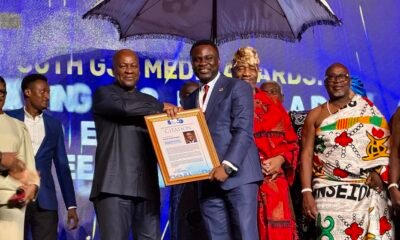




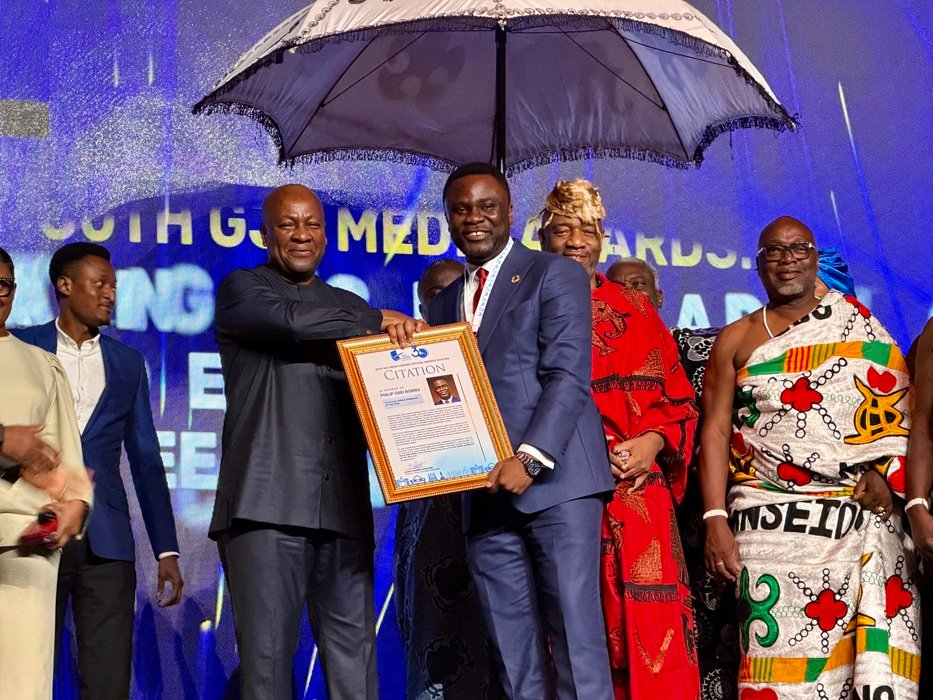
The 30th Ghana Journalists Association (GJA) Media Awards has celebrated three decades of recognising excellence and contributions to journalism and national development, while highlighting the media’s role in Ghana’s democracy.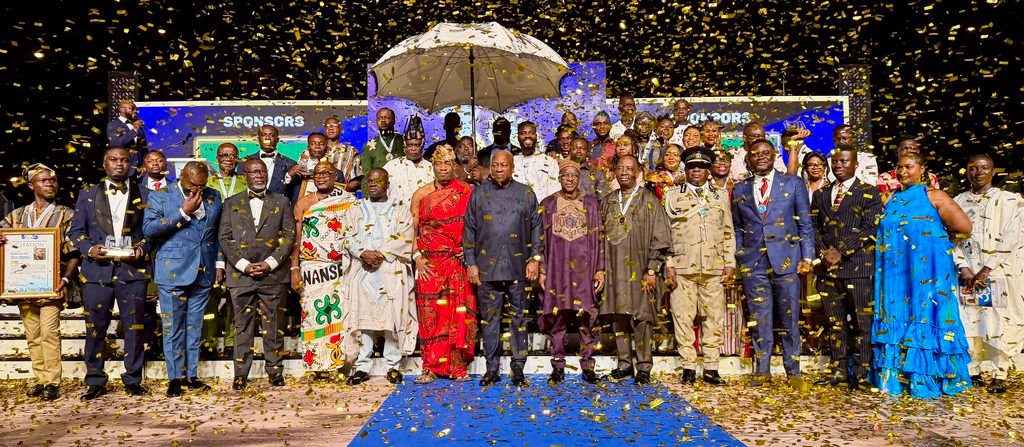
Marking the milestone, Philip Osei Bonsu of the Multimedia Group emerged as the GJA/P.A.V. Ansah Journalist of the Year.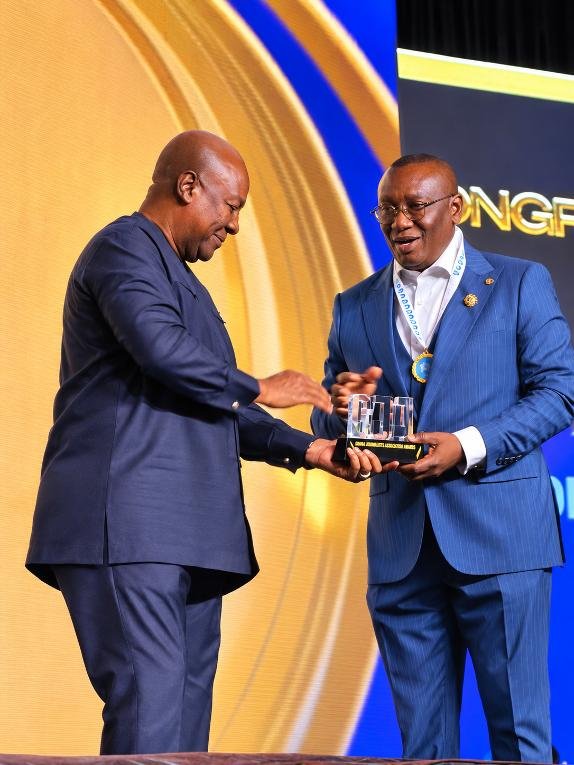
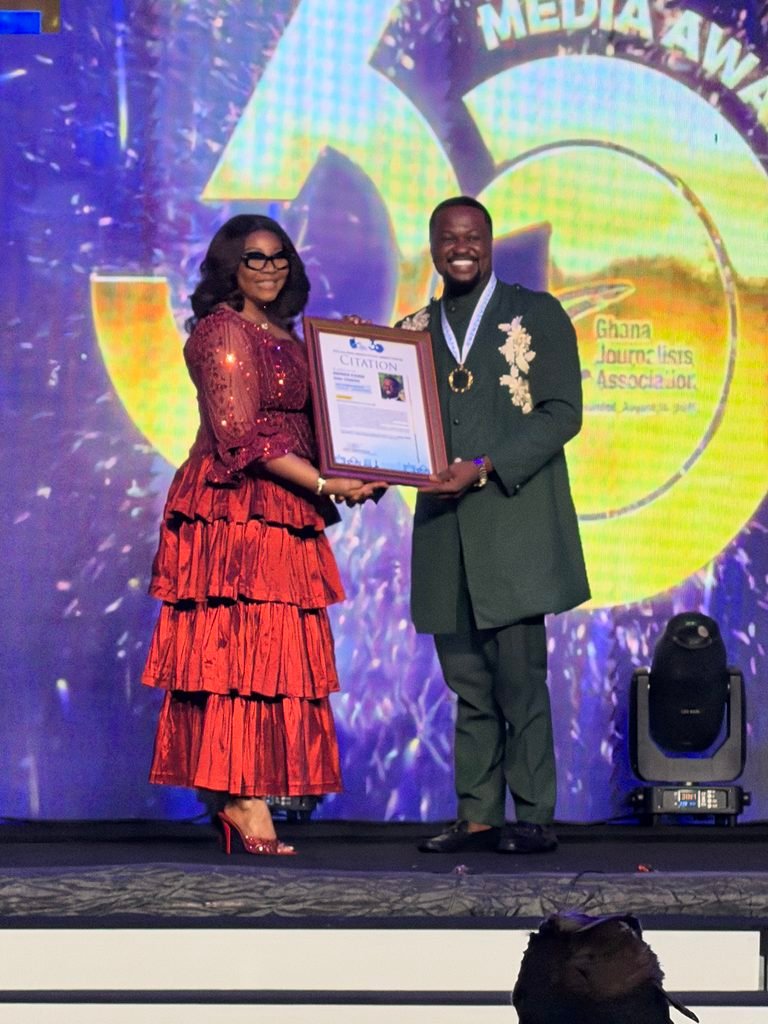
The Ghanaian Times’ Benedicta Gyimah Foley won the Best Feature Reporting, Print category, alongside other journalists recognised across various media platforms.
Other winners included Nathaniel Attoh, Best in Sports Reporting; and Godwin Asediba of Media General, Best in TV Documentary; Doreen Ampofo of GBC, Best in Radio Documentary; and freelance journalist Nii Adjei Mensahfio, Best in Online Documentary.
Daniel Kwabena Mantey was adjudged Best in TV Feature, while Clinton Yeboah of Luv FM won Best in Radio Feature, with Gilbert Azeem Tiroog of GNA taking Best in Online Features.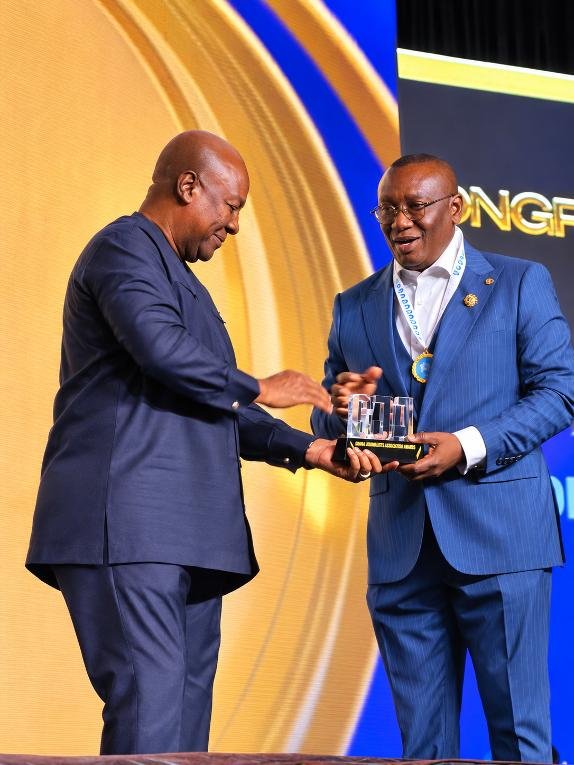
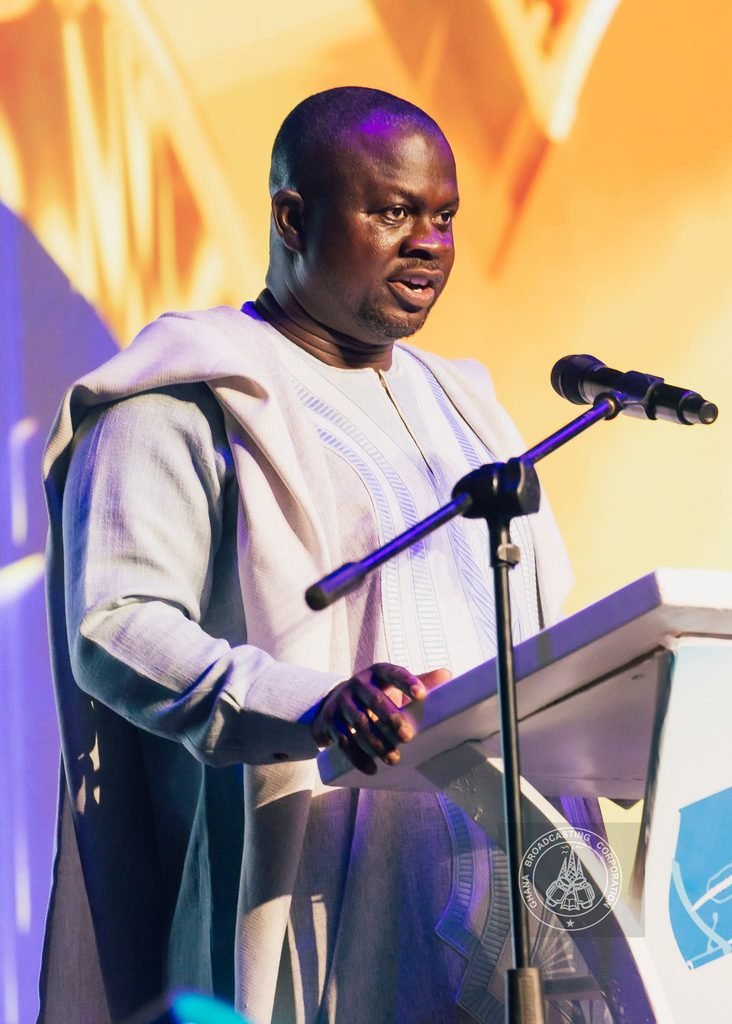
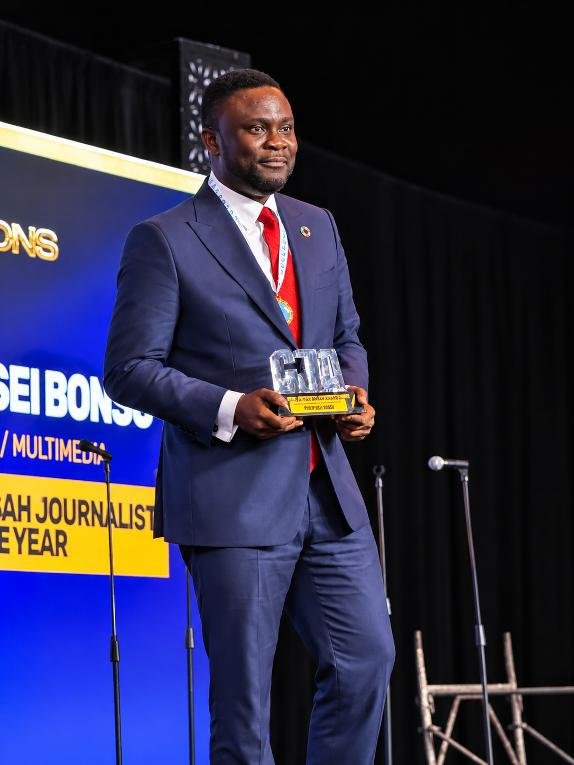
For news reporting, Mohammed Fugu of the Daily Graphic won Best in Print News Reporting, Nabil Ahmed Rufai, a freelance journalist, Best in TV News Reporting; Ridwan Karim Dini-Osman of EIB Network, Best in Radio News Reporting; and Timothy Ngnenbe of the Daily Graphic, Best in Online News.
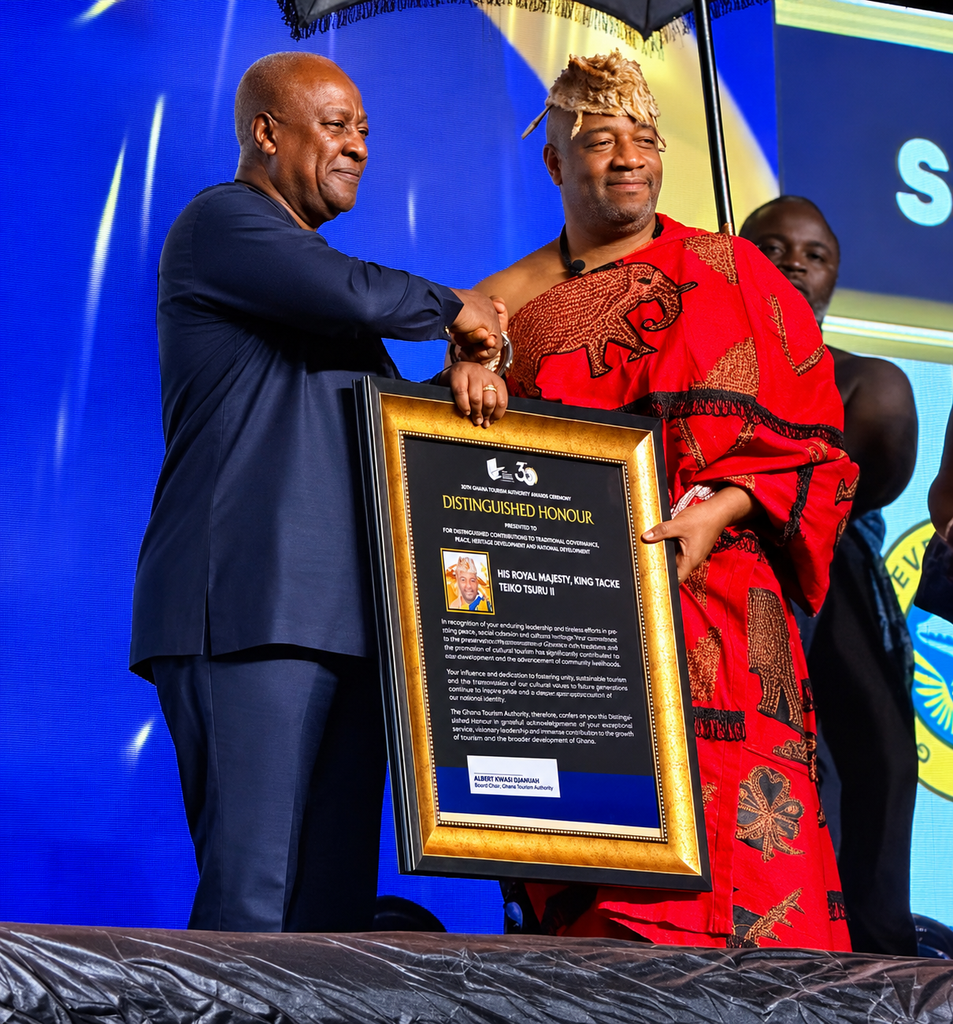
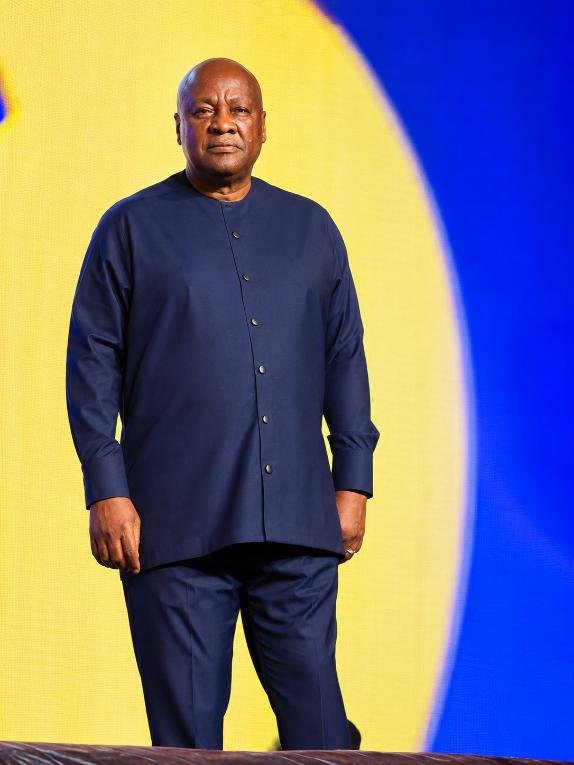
The ceremony, held in Accra last Saturday on the theme, “Celebrating Excellence, Advancing Media Freedom and Combating Hate Speech in the Digital Age”, was attended by President John Dramani Mahama as the special guest of honour.
Also in attendance were the Ga Mantse, King Tackie Teiko Tsuru II, and the Inspector-General of Police, Mr Christian Tetteh Yohuno, among others.
In his address, President Mahama announced a GH₵10 million allocation in the 2027 national budget as seed capital for the reactivated Media Development Fund to support journalists’ welfare, professional development, investigative reporting and safety training, with additional corporate contributions expected.
Mr Mahama, also urged media practitioners to uphold professionalism and accuracy by avoiding sensationalism, unsubstantiated allegations and the deliberate pursuit of scandals, while promptly correcting inaccurate reports and apologising when necessary to maintain public trust and professional standards.
On journalists’ safety, he assured that the government would continue to act against attacks on them.
By Stephanie Birikorang
SKIP THE QUEUE, TAP THE NEWS
You can now read the Ghanaian Times and The Spectator newspapers from the comfort of your device via TimesNewsPlus.
Join our WhatsApp Channel: https://whatsapp.com/channel/0029VbBElzjInlqHhl1aTU27
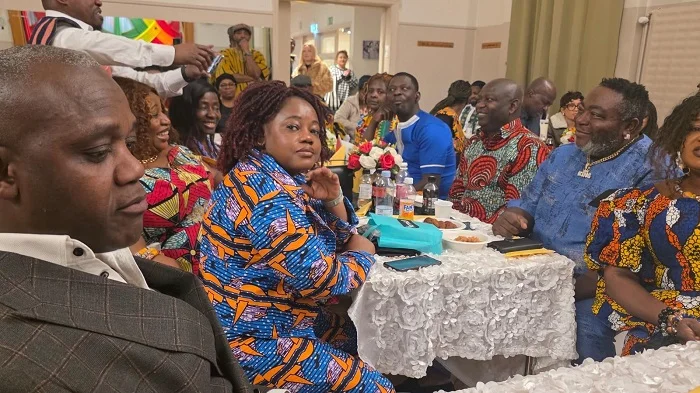
Today, I focus on the theme of Ghanaian/African migrants in Finland and economic empowerment, a move away from the topic of personalities or groups and their accomplishments within the Ghanaian community in Finland that I have been writing on.
In recent times, African migrant associations and Finnish institutions are organising meetings or forums and help people seeking employment to meet employers or build professional networks to achieve economic empowerment.
Such forums are usually open to their members and anyone of African descent.to get into the Finnish job market.
Competences
Researchers and experts say entrepreneurship or self-employment has great potential to offer a route for migrants, including highly-educated ones, to participate in and contribute to the local economy.
Competences, including knowledge and knowhow, opportunities, and social capital such as family support, language, etc., are necessary to boost the entrepreneurship endeavour.
Competence in the official Finnish or Swedish languages is undoubtedly a key quality to improve employment prospects, especially for migrants since the overall unemployment among migrants could be higher than in the mainstream Finnish population.
There could also be particular privileges which may be the provision of the right information for potential entrepreneurs or job seekers.
Barriers and stress factors
Although language has a huge potential to contribute positively to entrepreneurship possibilities, studies have shown that some of the major stress factors are language problems, finances or economic capital among African migrants.
Other barriers or challenges may be how to grow the business venture or its sustainability.
Thus, migrant communities can generally be highly vulnerable to language barrier, lack of information, the nature of the work of migrants in professions where working from home is not possible.
Migrant associations, social networks, and information
By their activities, migrant associations are doing much to educate and create awareness as well as enhance economic empowerment through migrants’ entrepreneurship or self-employment and enhance opportunities.
Such associations and institutions become networks that create an important social capital as well as outlets for sharing and gaining information or knowledge. Also, it will all be for societal good if such activities are able to help reduce stress and anxiety in the migrants’ entrepreneurship endeavours.
As I keep pointing out, Finland is committed to the integration of migrants into the Finnish society. A number of research studies from surveys and other in-depth enquiries have shown a trend of increasing efforts to integrate African and other migrants into the Finnish society.
Public agencies, migrant associations and other non-governmental organisations (NGOs) in Finland have been publishing information to help educate people, which is also good for their wellbeing.
Generally, migrant associations formally create awareness among their members and other migrants usually in collaboration with some Finnish institutions, and are thus an important tool for several migrants to be positively active and to get their interests and claims heard.
As I wrote previously, the role of migrant associations acting as bridge-builders for the integration and inclusion of migrants through participation in the decision making process and by acting as a representative voice is highly appreciated in Finland. Thank you!
SKIP THE QUEUE, TAP THE NEWS
You can now read the Ghanaian Times and The Spectator newspapers from the comfort of your device via TimesNewsPlus.
Join our WhatsApp Channel: https://whatsapp.com/channel/0029VbBElzjInlqHhl1aTU27