Nutrition
Benefits of Eating Tomatoes

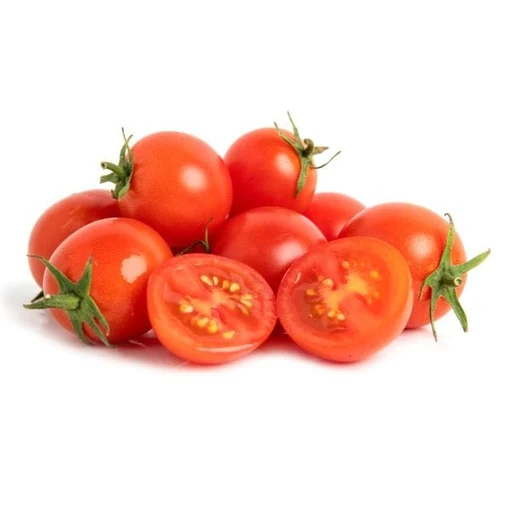
Help prevent heart disease
Regularly eating tomatoes may help lower blood pressure and improve cholesterol levels. The health benefits of tomatoes are mainly due to lycopene and other antioxidants, which help reduce inflammation and protect cells from oxidative damage, two key drivers of chronic disease.
Boost brain health
Growing evidence suggests that tomatoes support brain health by protecting nerve cells and reducing damage linked to ageing. A 2025 study involving rats found that lycopene improved memory and learning and reduced markers associated with Alzheimer’s disease, although these effects have not been established in humans.
Studies have also found that regular tomato consumption may be associated with a reduced risk of stroke. This may partly be due to lycopene’s potential to support blood vessel function.
Reduce cancer risk
Tomatoes contain nutrients and natural compounds that may help protect cells from damage and influence processes involved in abnormal cell growth. However, more research is needed to establish the extent to which eating tomatoes can reduce cancer risk.
Antioxidant protection
The vibrant red colour of tomatoes comes from lycopene, a powerful antioxidant that helps protect cells from damage and reduce inflammation. Tomatoes are also good sources of other antioxidants, including vitamins A and C, which contribute to healthy skin, immunity and overall well-being.
Improve vision and eye protection
Vitamin A is essential for good vision, and tomatoes provide nutrients that support eye health. They also contain compounds such as lutein and zeaxanthin, which help protect the eyes from oxidative damage. These nutrients may contribute to long-term eye health.
Potential anti-cancer benefits
Growing evidence suggests that antioxidants in tomatoes may be associated with a lower risk of certain cancers, particularly prostate cancer. Lycopene has been studied for its potential protective effects, although research has not established that eating tomatoes prevents cancer.
Support skin health
Rich in vitamin C, tomatoes help support collagen production, which keeps the skin firm and healthy. Vitamin C also contributes to skin repair and helps protect cells from oxidative damage caused by exposure to sunlight.
Support bone health
Tomatoes provide vitamin K and small amounts of calcium, two nutrients involved in maintaining healthy bones. Vitamin K contributes to normal bone metabolism, while calcium helps maintain bone strength. However, tomatoes alone cannot prevent or treat osteoporosis.
SKIP THE QUEUE, TAP THE NEWS
You can now read the Ghanaian Times and The Spectator newspapers from the comfort of your device via TimesNewsPlus.
Join our WhatsApp Channel: https://whatsapp.com/channel/0029VbBElzjInlqHhl1aTU27


Ingredients
For the dough:
- 350 grammes plain flour
- 2 tablespoonfuls baking powder
- 2 tablespoonfuls ground ginger
- 1 tablespoonful ground cinnamon
- ½ tablespoonful ground cloves (optional)
- ½ tablespoonful nutmeg
- 2 tablespoonfuls salt
- ½ cup unsalted butter, softened
- 1 cup dark brown sugar
- 2 large eggs
- ½ cup golden syrup
- 1 tablespoonful vanilla extract
- Sprinkles, edible glitter or small sweets for decoration
Preparation
- Preheat the oven to 180°C and line a baking tray with greaseproof paper.
- In a large bowl, sift together the plain flour, baking powder, ginger, cinnamon, cloves, nutmeg and salt. Stir well and set aside.

- In another bowl, use an electric whisk or wooden spoon to cream the softened butter and dark brown sugar until the mixture is light and fluffy. This helps incorporate air into the dough, giving the gingerbread a lovely texture.
- Beat the eggs into the butter and sugar mixture. Add the golden syrup and vanilla extract, stirring until fully combined.
- Gradually add the dry ingredients to the wet mixture, stirring gently until a dough forms. The dough should be soft but not sticky.
- Wrap the dough in cling film and refrigerate for at least 30 minutes. Chilling makes the dough easier to roll out and helps the shapes hold their form during baking.
- On a lightly floured surface, roll out the dough to a thickness of about 5 mm (¼ inch). Cut into your preferred shapes and place them on the prepared baking tray, leaving a little space between each one.
- Bake for 10–12 minutes, or until the edges begin to darken slightly. Keep a close eye on them to avoid over-baking.
- Allow the gingerbread to cool before decorating with sprinkles, edible glitter or small sweets.
Benefits of Ginger
- May help relieve symptoms of colds and nausea.
- Has anti-inflammatory properties.
- May help support digestion.
- May provide some pain-relieving benefits.
- May support heart health and healthy blood sugar levels.
- May help reduce menstrual pain.
Source: Health.com
SKIP THE QUEUE, TAP THE NEWS
Read the Ghanaian Times and The Spectator newspapers from the comfort of your device via TimesNewsPlus.
Buy Maps
Join our WhatsApp Channel: https://whatsapp.com/channel/0029VbBElzjInlqHhl1aTU27
Advertisement
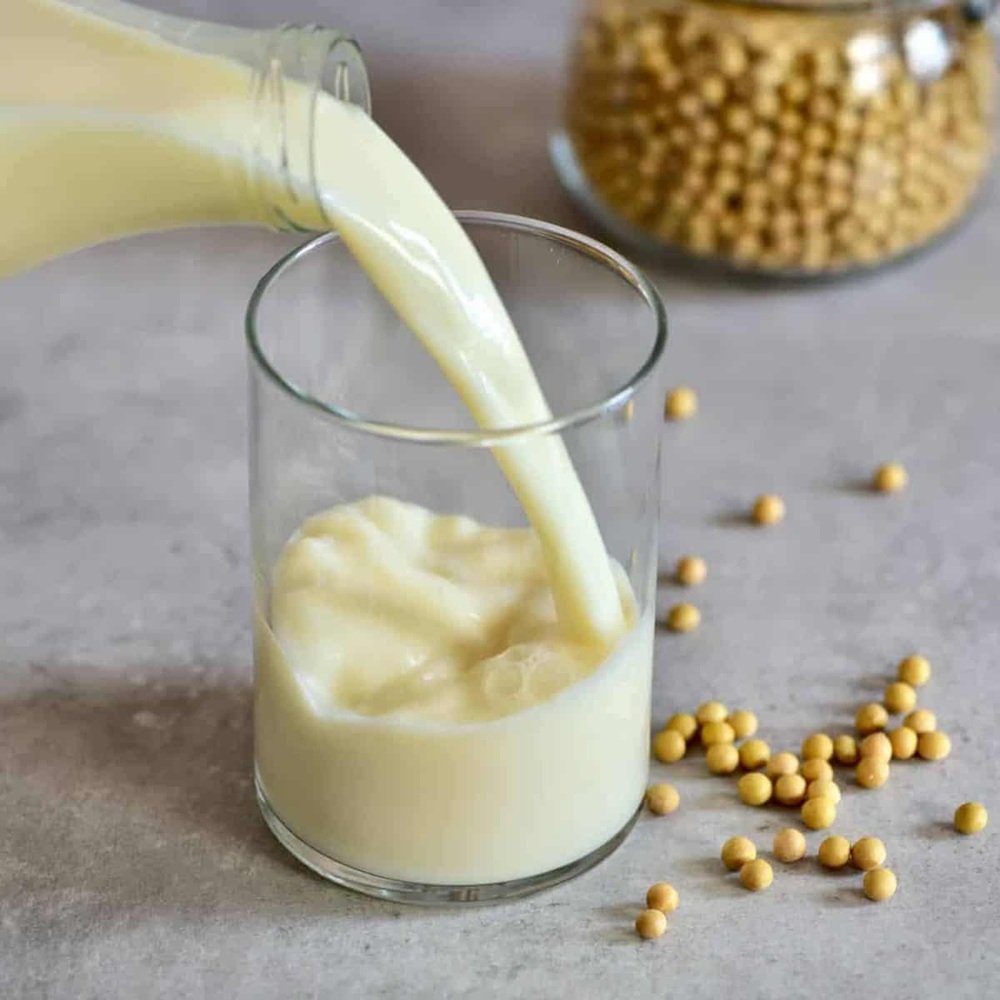
Ingredients
- 1 cup dried soya beans
- 4–5 cups clean water for blending
- Extra water for soaking
- Sugar, honey or dates (optional)
- Vanilla extract (optional)
Preparation
- Pick through the beans to remove stones or damaged seeds, then rinse thoroughly.
- Place the beans in a large bowl and cover with plenty of water. Soak for at least 8 hours or overnight.
- After soaking, rub the beans between your hands to loosen the skins. Rinse and drain.
- Removing the skins helps reduce the “beany” taste and improves the texture, but you may skip this step if short on time.
- Add the soaked beans to a blender with 4–5 cups of clean water.
- Blend until smooth and milky.
- Strain the mixture through a clean muslin cloth or fine sieve into a pot, squeezing well to extract as much liquid as possible.
- The leftover pulp, known as okara, can be used in baking, porridge or stews.
- Place the strained milk over medium heat and bring to a boil, stirring continuously to prevent burning or overflowing.
- Allow it to boil for about 25 minutes to remove the raw taste and neutralise naturally occurring compounds that may upset the stomach.
- Once boiled, allow the soya milk to cool slightly. Add sugar, honey, dates or vanilla extract to taste, if desired.
- Allow the milk to cool completely, then serve warm or chilled. Store any leftovers in a clean, covered container in the refrigerator.
Tip: Shake well before serving, as homemade soya milk may naturally separate during storage.
SKIP THE QUEUE, TAP THE NEWS
You can now read the Ghanaian Times and The Spectator newspapers from the comfort of your device via TimesNewsPlus.
Join our WhatsApp Channel: https://whatsapp.com/channel/0029VbBElzjInlqHhl1aTU27
Advertisement