
News
Rise in breast cancer cases alarming – Public Health Specialist

A public health specialist has expressed grave concern about the rising rate of breast cancer cases in the country.
Ms Abigail Ababio says Ghana records approximately 5,000 new breast cancer cases every year.
Out of this, between 2,000 and 2,695 of the affected persons die with the vast majority of the cases unfortunately, diagnosed at advanced stages (Stages 2 or 3).
Speaking at a breast cancer screening for the people of Besease in the Ejisu Municipality, Ms Ababio pointed out that, key risk factors associated with breast cancer include alcohol consumption, smoking, poor diet, obesity, physical inactivity, early onset of menstruation, late menopause, and late-age childbirth.
The free screening exercise was organised by MagMina Foundation as part of activities marking the World Breast Cancer awareness month, which is celebrated every year, to create awareness of the disease.
Observed globally, Breast Cancer Awareness Month in October aims to promote early detection, encourage routine screenings such as mammograms, and support ongoing research and treatment efforts.
Established in 2022, the MagMina Foundation is a non-governmental organisation (NGO) dedicated to supporting underserved schools and healthcare facilities in marginalised communities across Ghana.
This year’s global theme, “Every story is unique, every journey matters,” highlights that each breast cancer experience is distinct, emphasizing that, behind every diagnosis is an individual, a family, and a deeply personal journey.
Participants were advised to remain vigilant for symptoms such as lumps, alterations in breast size or shape, skin discoloration, nipple discharge, and other anomalies.
Dispelling common myths, Ms Ababio emphasized that breast cancer was not caused by spiritual forces, warning the public against seeking cures at prayer camps rather than medical facilities.
The public health specialist further warned that fear, social stigma, misinformation, and delayed medical intervention significantly worsen prognosis and treatment outcomes.
Nana Yaa Aninwaa Boddom, the Kontire Obaapanin of Ejisu-Besease, who spearheaded the screening initiative, called on local communities, traditional authorities, development partners, and the media to unite in raising awareness and promoting early intervention.
A cross-section of the participants expressed profound gratitude to the foundation and expressed hope that such vital healthcare initiatives would become a regular feature in their community.
The MagMina Foundation was founded by Ms Rosemary Mbroba Gaisie and Ms Angelina Asantewaa Yeboah to honour their mothers, Mrs Margaret Yeboah and Mrs Wilhelmina Ansah Abrokwah. -GNA
SKIP THE QUEUE, TAP THE NEWS
You can now read the Ghanaian Times and The Spectator newspapers from the comfort of your device via TimesNewsPlus.
Join our WhatsApp Channel: https://whatsapp.com/channel/0029VbBElzjInlqHhl1aTU27

The professor who spends his days exploring the intricacies of African languages found himself at the centre of a different kind of lesson on Friday, October 2, 2026. 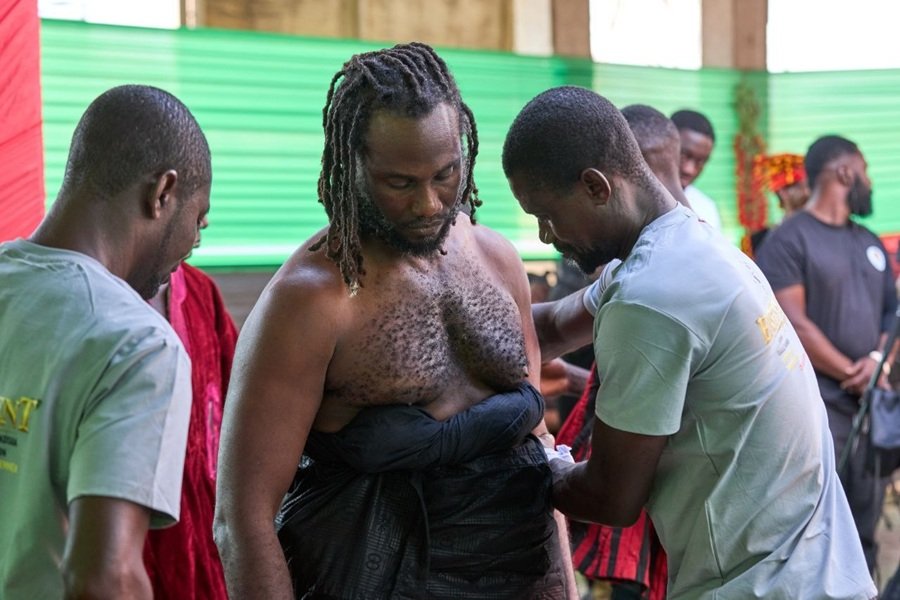
This time, there were no lecture notes, academic arguments or university classrooms. Instead, there was the weight of tradition, the rhythm of a community celebration and the solemnity of an oath at a royal palace.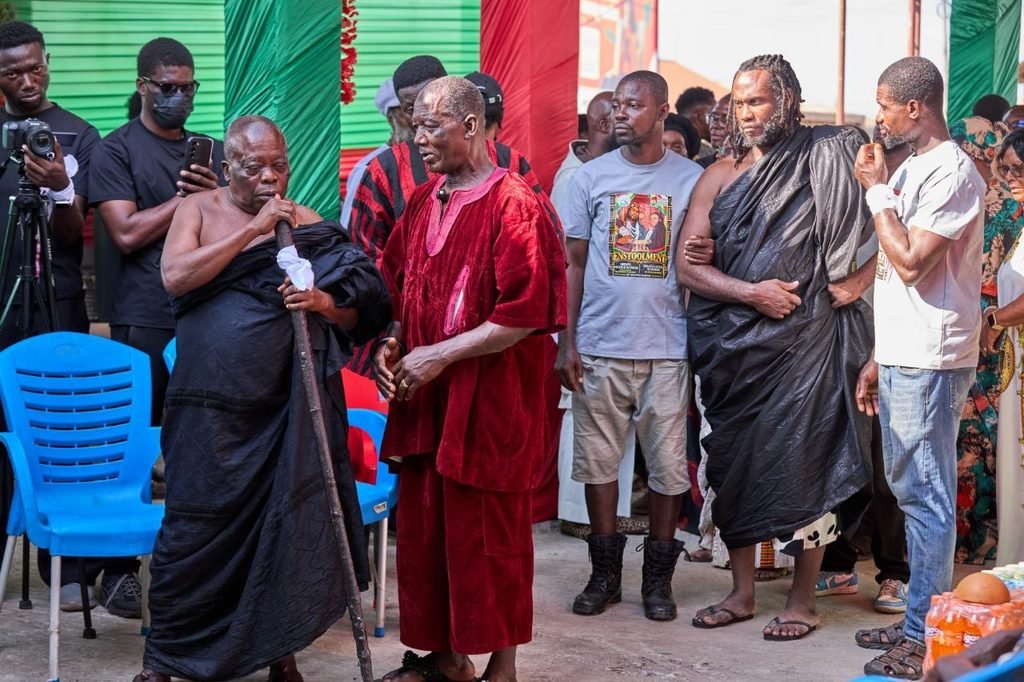
Professor Ọbádélé Kambon, a full Professor of African Linguistics at the University of Ghana, was enstooled as Apagyahene and Sunsum Ɔsahene of Akuapem Mampong in the Eastern Region in a ceremony that brought academia and traditional authority together.
For the professor, the occasion was more than a new title. It was a moment that connected his academic interests in African languages and indigenous knowledge with the living traditions of an Akan community.
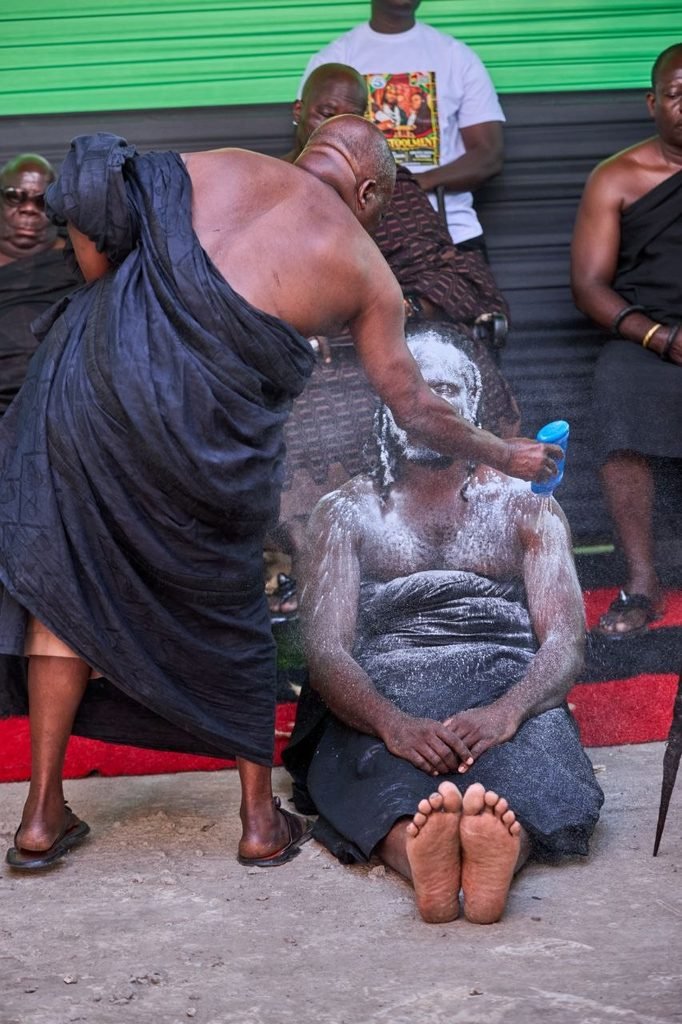
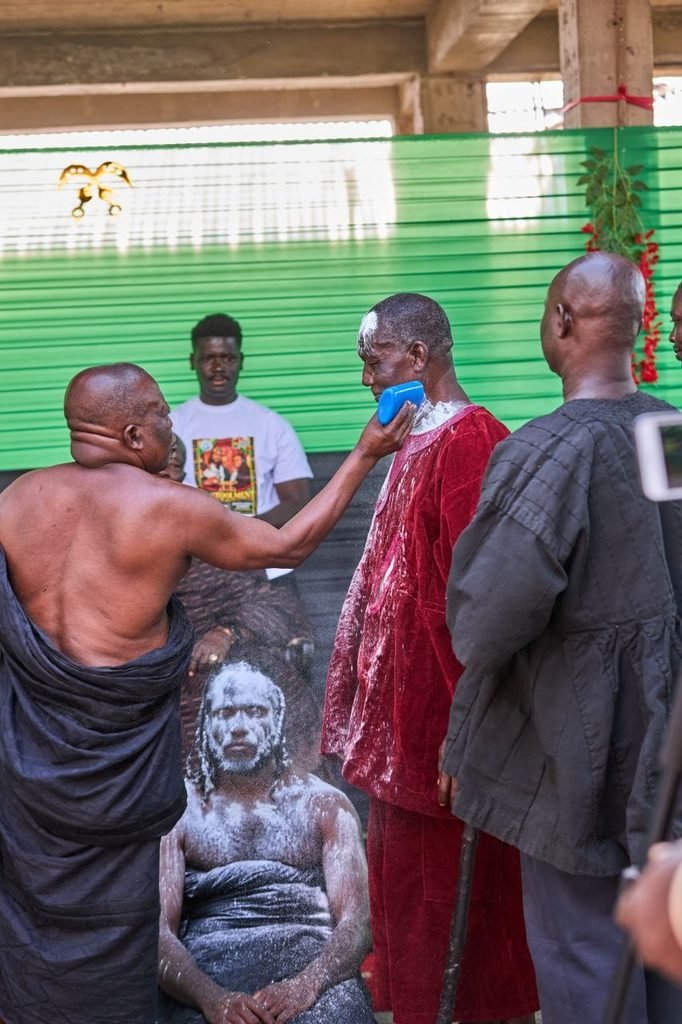
The day’s events unfolded through a series of customary observances. Kambon was first taken to the compounds of the Ɔkyeamehene and Gyasehene, where the preparations for his installation continued.
Then came the application of hyire, the white kaolin powder associated with traditional rites.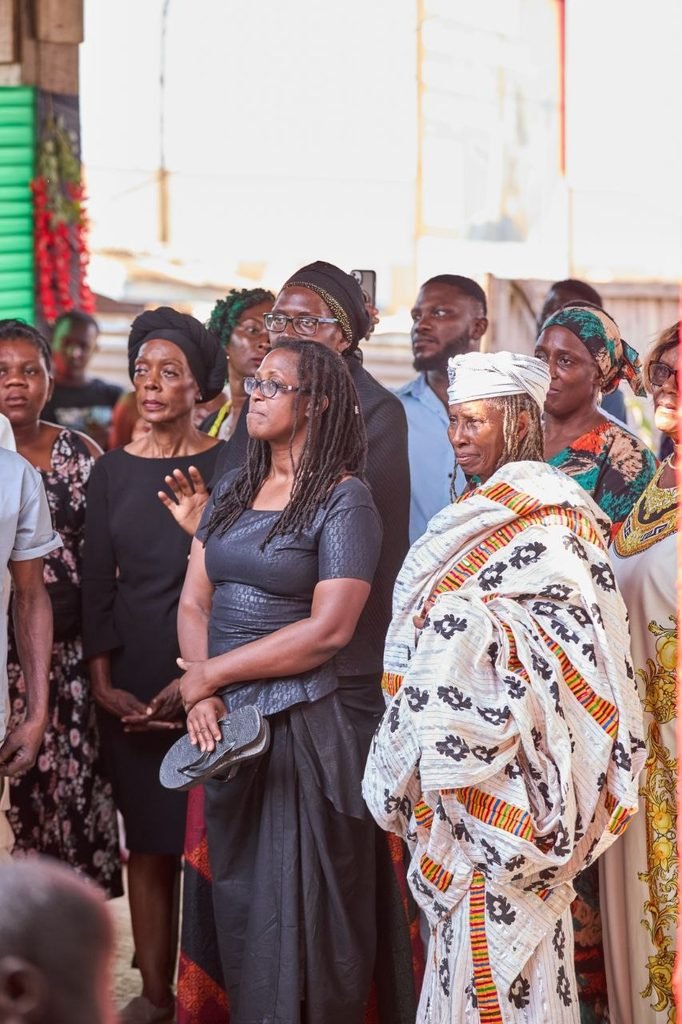
With the customary proceedings underway, the new chief was lifted onto the shoulders of celebrants and carried along the main thoroughfare of Akuapem Mampong.
The procession transformed the streets into a public stage for a ceremony rooted in the community’s traditional institutions.
There was something striking about the image, a university professor, accustomed to the measured language of academic discourse, being carried through the town in a display of traditional recognition.
Yet the celebration was not complete with the procession.
A ram was sacrificed at the Mamponghene’s compound before Kambon was taken to the palace, to swear the oath associated with his new offices.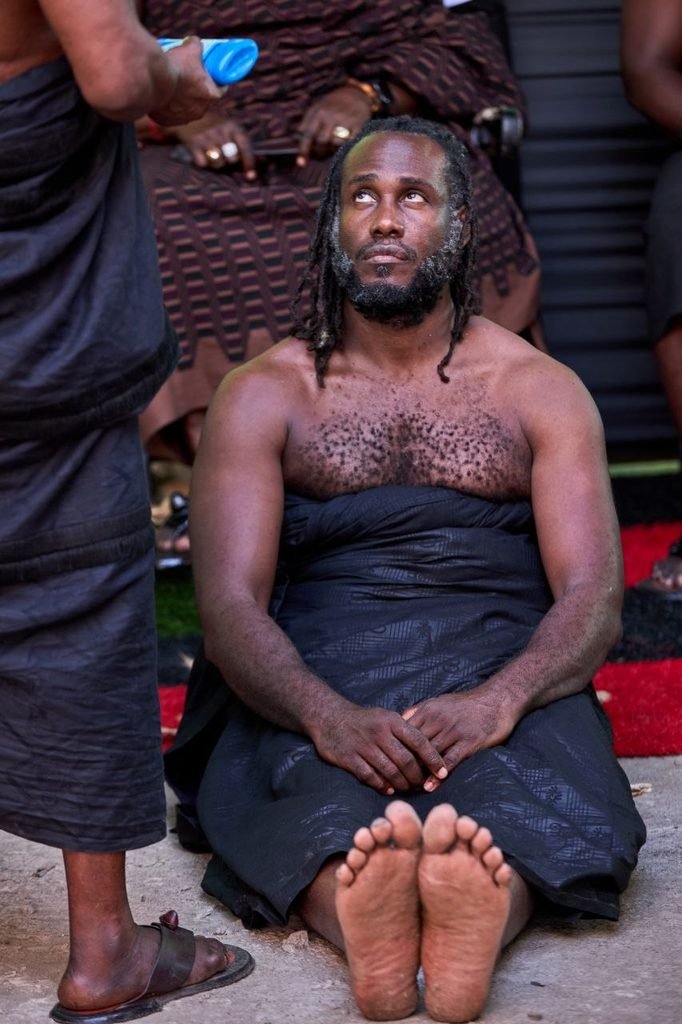

The ceremony brought him formally into his roles as Apagyahene and Sunsum Ɔsahene.
Beyond the colourful proceedings, the titles themselves carry layers of historical meaning.
Kambon in his research explores the historical connections between Apagya and Akan political and military organisation.
Accounts cited in his work linked Apagya to an asafo, or military company, while historical writing traces an Apagya stool in Asante to the reign of Opoku Ware I in the eighteenth century.
These historical associations offer a glimpse into the institutions that have shaped Akan society over generations, although they do not automatically define the precise responsibilities of the office in Akuapem Mampong.
Kambon’s own professional life reflects a similar interest in preserving and examining African knowledge.
His work encompasses Akan language structure, naming practices across the Black world, proverbs and indigenous intellectual traditions.
Through Abibitumi, the platform he founded, he also promotes language learning, scholarship and cultural engagement.
But tradition was only one part of the story that day.
When the formal ceremony gave way to a reception, the occasion expanded into a celebration of three milestones: Kambon’s enstoolment, his promotion to full professor and his daughter Ama’s admission to the University of Ghana.
The gathering therefore carried a personal significance that went beyond the honours bestowed on one man. 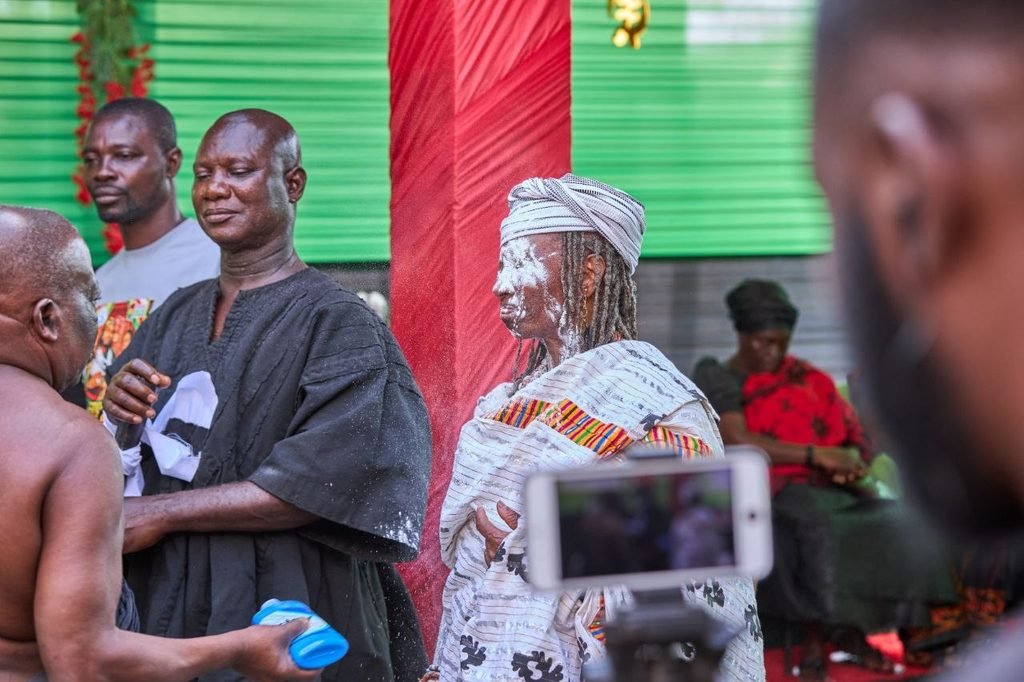
It celebrated professional advancement, the continuation of family aspirations and a connection to cultural heritage.
For a father, seeing a daughter gain admission to the same university where he holds a distinguished academic position offered another reason to celebrate.
For the professor, the moment placed family achievement alongside his own professional and traditional milestones.
Kambon had already established a place in the traditional life of Akuapem Mampɔn through an earlier installation as Banmuhene Kyidɔmhene, recorded in 2017.
His latest enstoolment adds another chapter to that relationship.
In Akuapem Mampɔn, the day brought together the university, the palace and the family table in one celebration. And for Kambon, the journey from the lecture room to the traditional procession showed how scholarship, cultural responsibility and family achievement could converge in a single memorable occasion.
By Enoch Ntiamoah Siaw
SKIP THE QUEUE, TAP THE NEWS
You can now read the Ghanaian Times and The Spectator newspapers from the comfort of your device via TimesNewsPlus.
Join our WhatsApp Channel: https://whatsapp.com/channel/0029VbBElzjInlqHhl1aTU27
News
ASOHOM organises fundraising gala to protect Ghana’s water resources, support vulnerable communities

The Association of Spouses of Heads of Missions and International Organisations (ASOHOM) last Friday held the 2026 edition of its annual Charity Gala, at the Kempinski Hotel Gold Coast City, Accra under the theme ‘Woven Currents.’
It was attended by members of the diplomatic and international community, distinguished guests, corporate partners, and artists, friends of Ghana and supporters of ASOHOM’s charitable mission.
What was supposed to be a fundraiser turned into a perfect platform to celebrate friendship, culture and creativity.
Water was at the heart of this year’s message, said Sovanna Taliercio President, ASOHOM and Chairperson of its Fundraising Committee.
“Through art, music and live performance, the gala highlighted the vital connection between water, life and our shared future, while drawing attention to the importance of protecting Ghana’s water resources and supporting sustainable solutions for vulnerable communities,” a statement signed by Ms Taliercio said.
The evening featured a remarkable exhibition of Ghanaian contemporary art, live performances, an auction and raffle, alongside an elegant dinner and opportunities for guests to connect and support the cause.
She expressed gratitude to everyone who contributed to the success of the event— sponsors, artists, performers, partners, volunteers, ASOHOM members and, most importantly, every guest who chose to support its cause.
“Our fundraising efforts are ultimately about more than one evening. They are about transforming generosity into tangible support for communities in need. The funds raised through ASOHOM’s charitable initiatives will contribute to projects aligned with our humanitarian priorities and our commitment to supporting meaningful and sustainable development in Ghana,” she said.
She expressed pride at what ASOHOM represents: a community of women and men from across the diplomatic and international community who come together beyond their official roles to build bridges, strengthen partnerships and give back to the country we are privileged to call home.
She said the success of ‘Woven Currents’ was a testament to the power of collaboration, compassion and collective action and reminds that with togetherness, small contributions can create lasting impact.
By Spectator Reporter
SKIP THE QUEUE, TAP THE NEWS
You can now read the Ghanaian Times and The Spectator newspapers from the comfort of your device via TimesNewsPlus.
Join our WhatsApp Channel: https://whatsapp.com/channel/0029VbBElzjInlqHhl1aTU27





