Gender
Motherhood in the Fields: The Unseen Health Toll on Women Farmers

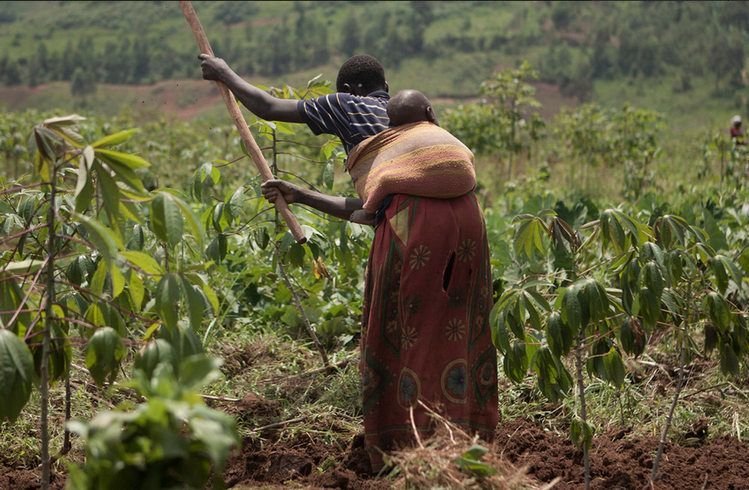
Across many farming communities in Northern Ghana, women routinely carry their infants on their backs while engaging in strenuous farm labour. This practice, though rooted in necessity and resilience, exposes both mothers and their babies to significant health risks, particularly musculoskeletal strain and developmental concerns.
For these women, the decision to take babies to the farm is rarely optional. It reflects the absence of affordable childcare, entrenched gender roles, and persistent economic pressures that compel women to combine farming, childcare, and household duties simultaneously.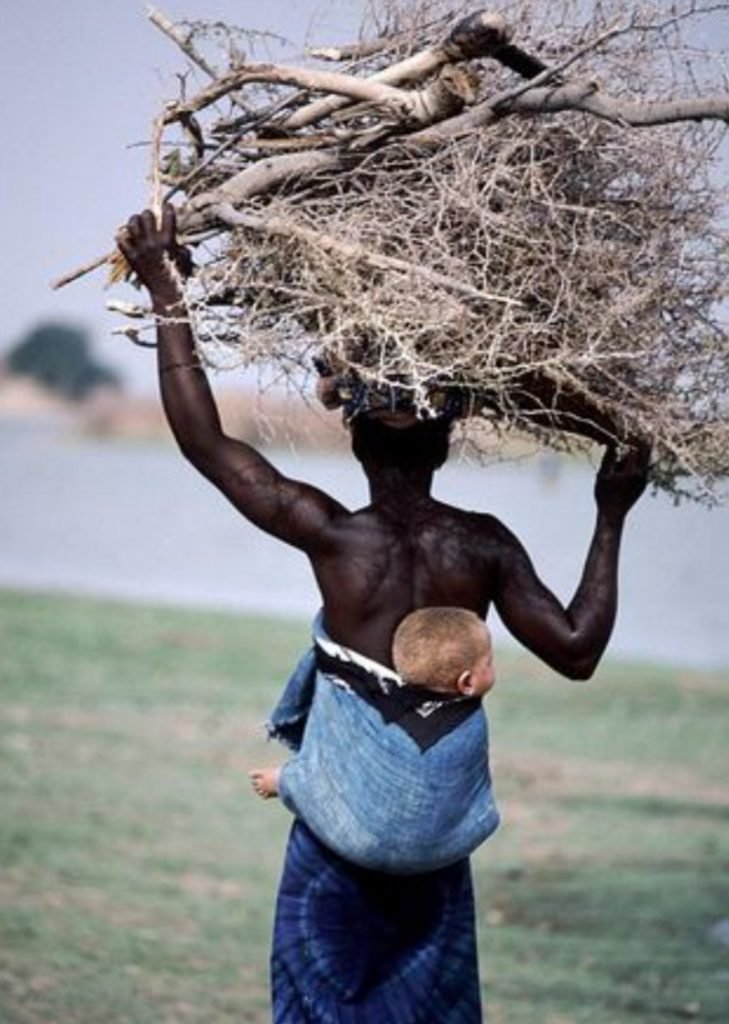
Everyday Reality
In many rural communities in Northern Ghana, women begin their day before sunrise, balancing farm work with domestic responsibilities such as fetching water and firewood, cooking, and caring for children. Carrying infants on their backs, strapped with cloth, enables them to breastfeed and monitor their babies while going about their farming activities.
The use of outdated tools increases the risk of sprains and strains. Exposure to pesticides, extreme heat, and zoonotic infections further endanger women, especially those who are pregnant or breastfeeding.
Effects on Mothers
Dr. Enoch Harvoh, a Senior Medical Doctor at the Tamale Teaching Hospital, explained in an interview with GNA that the primary health risks stem from prolonged physical strain. He identified several key concerns, including musculoskeletal pain, postural changes, chronic fatigue, injury risk, and other hazards such women face.
Dr. Harvoh explained that musculoskeletal issues such as chronic lower back, upper back, neck, and shoulder pain are common among women who farm with babies on their backs. He added that back-carrying alters spinal alignment, increasing pelvic tilt and causing abnormal curvature of the spine, medically described as cervokypholordotic posture.
The combination of farming, domestic work, and childcare leads to severe physical exhaustion and stress, while frequent bending, squatting, and lifting further contribute to physical strain.
Effects on Infants
While back-carrying supports bonding and infant safety, prolonged exposure in farm environments presents risks to infants. These include:
- Lower limb development concerns
- Restricted movement and visual stimulation
- Potentially affected sensorimotor development
- Exposure to farm hazards including chemicals, machinery, and excessive heat
According to Dr. Harvoh, some studies link extended back-carrying to changes in leg alignment, such as genu valgum (knock-knees), though these are often within normal clinical limits.
Labour and Time Constraints
Women face chronic labour shortages, especially during peak farming seasons. Combined with unpaid domestic work and childcare, this creates extreme physical and mental strain.
Madam Saada Abdul, a farmer from Kpadjai in the Kpandai District, told GNA that she regularly carries her baby while weeding, harvesting, transporting crops, and cooking. “The work is very hard, and the baby’s weight adds to the pain in my back and waist. I hardly get time to rest compared to my husband,” she said.
Similarly, Madam Ramatu Iddris from the Nawuri community explained that women often prioritise labour on their husbands’ farms, reducing productivity on their own plots. Limited access to tractors, credit, extension services, and market information forces many women to rely on manual labour while carrying their babies.
These compounded challenges heighten women’s vulnerability to climate shocks such as drought, erratic rainfall, and economic downturns.
Intersecting Challenges
The practice of carrying babies to farms is embedded within broader structural inequalities. Customary inheritance systems largely favour men, leaving women with limited access to land. Many women farm on their husbands’ plots or borrow small, less fertile parcels of land, discouraging long-term investment and access to credit or extension services.
Women account for more than half of Ghana’s agricultural labour force, particularly in subsistence farming in the Northern Sector, yet much of their work remains informal and undervalued, with limited recognition in economic planning and policy frameworks.
Resilience and Coping Strategies
Despite these hardships, Northern women farmers demonstrate remarkable resilience. Common coping mechanisms include forming women’s farming groups to access training, credit, and inputs. Livelihood diversification, such as engaging in shea butter processing, poultry rearing, petty trading, charcoal production, and seasonal migration, can help supplement income.
Recommendations
Stakeholders in agriculture, health, and local governance must prioritise targeted interventions to reduce the physical burden on women farmers. Key recommendations include:
- Establishing community-based childcare centres to reduce the need to carry babies to farms
- Providing practical ergonomic training on safe lifting, posture, and culturally appropriate baby-carrying techniques
- Improving access to appropriate farm tools and small-scale mechanisation
- Strengthening workplace protections through rest breaks, access to potable water, and protective equipment
- Formally recognising women’s unpaid care and agricultural labour in national and district development planning
Health professionals also recommend targeted strengthening and stretching exercises for the lower back and pelvic muscles to mitigate long-term physical strain associated with combined farming and childcare responsibilities.
Conclusion
Women farmers are indispensable to Ghana’s food security and rural livelihoods. Yet their contributions come at a high personal cost due to systemic inequities, limited support services, and entrenched gender roles.
Addressing the health and productivity challenges faced by women who farm with babies on their backs is not only a matter of equity but a critical investment in national development, public health, and future generations.
—GNA
Join our WhatsApp Channel now!
https://whatsapp.com/channel/0029VbBElzjInlqHhl1aTU27





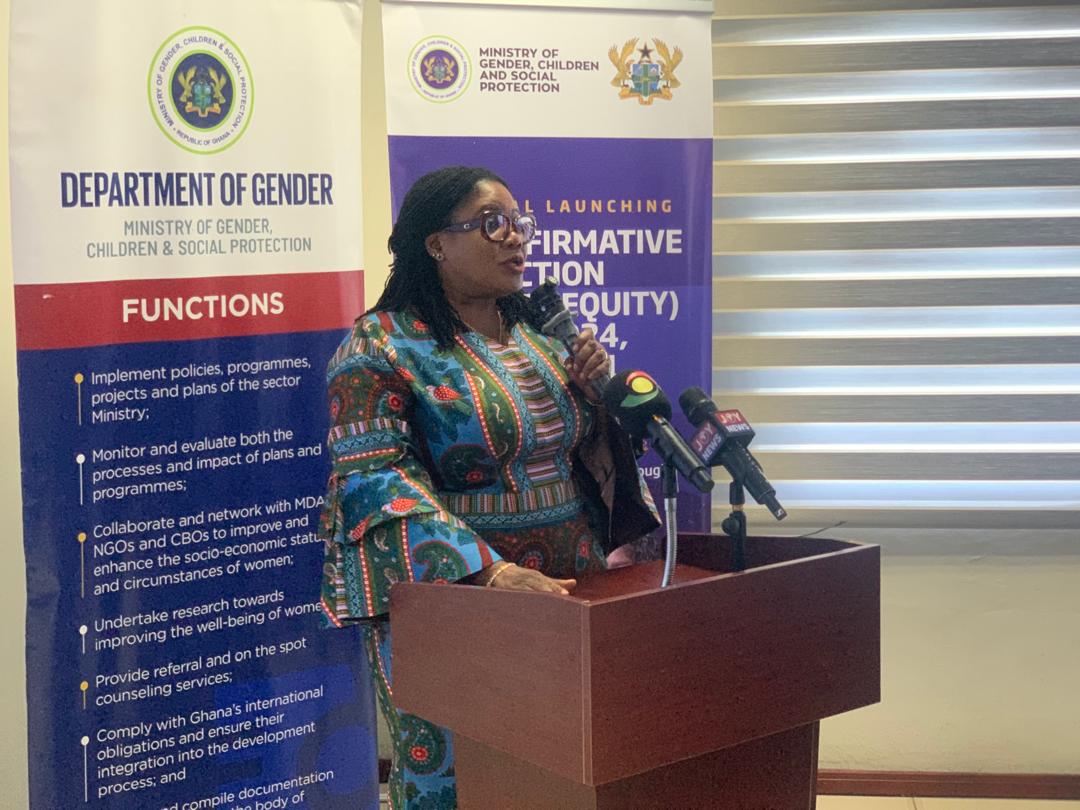
Gender equality should not be left to women alone, but requires the active participation of men and other stakeholders, the Minister for Gender, Children and Social Protection, Dr Agnes Naa Momo Lartey, has said.
She said gender equality was a national development issue and not a matter concerning only women, stressing that both men and women had important roles to play in creating an inclusive society.
Dr Lartey said this last Thursday in Accra at a capacity workshop on the implementation of the Affirmative Action (Gender Equity) Act, 2024.
The workshop was aimed at helping journalists understand the provisions of the Act, strengthen their capacity to communicate gender equity issues and promote accurate, balance reporting on the implementation of the Act.
Ghana could not achieve meaningful development if one section of society was excluded from participating fully in leadership, decision-making and other areas of national development.
“It is not about a group of people. It is not about one of the sexes. It is about the nation. It is about the country,” she said.
She called for stronger commitment to translating the Affirmative Action (Gender Equity) Act, 2024 (Act 1121), into practical action to improve women’s participation in leadership and decision-making.
She said the passage of the law should not be considered the end of the process, but rather the beginning of deliberate efforts to ensure that its objectives were achieved.
Dr Lartey said increasing the number of women in leadership was important, but their participation must also have a meaningful impact on national development.
“We want it to count,” she stressed, calling for practical initiatives that would move the affirmative action agenda from policy to implementation.
The Executive Director of Women, Media and Change (WOMEC), Dr Charity Binka, also urged the media to play a critical role in ensuring the effective implementation of the Act.
She said Ghana had taken an important step by passing the law after 13 years of efforts, but the real test was its implementation.
According to Dr Binka, the Act requires 30 per cent representation of women in leadership and decision-making by 2026, rising to 50 per cent by 2030.
She urged the media to inform the public about the law, monitor institutions’ compliance and challenge stereotypes that undermine women’s leadership.
Dr Binka urged journalists to ensure institutions were complying with requirements, including Gender Equity Policies, Compliance Certificates and annual reports.
She said affirmative action was not about replacing merit with gender, but addressing structural barriers that had historically limited qualified women’s opportunities to participate and lead.
She called for stronger collaboration among government, civil society, traditional and religious leaders, the private sector, the media and other stakeholders to turn the law into measurable results for women and girls.
By Esinam Jemima Kuatsinu
The United Nations has warned, that Gender equality is “woefully off track.”
At the current rate of progress, gender equality would take 171 years to achieve, the UN’s Gender Snapshot report said.
The number of countries with a woman as head of state or government has increased from 2020 to 2026. “Yet six in seven countries are still led by men.
Women’s representation in national cabinets declined to 22.4 per cent in 2026, after peaking at 23.3 per cent in 2024,” the report said. “The decline is a warning sign that gains cannot be taken for granted, and that progress towards equal political power remains fragile.”
Funding for gender equality has fallen to its lowest level since 2021, the report found. At the same time, 42 per cent of UN agencies reported that their efforts to promote gender equality had been weakened, as a result of budget cuts.
Millions of women also continued to endure some extremely severe forms of violence and discrimination across the globe, the UN said. Nearly one in five girls is married before the age of 18, and nearly one in three women globally have survived partner or sexual violence in their lifetime.
In the past year, 316 million women experienced physical or sexual violence by an intimate partner, the report said.
UN Under-Secretary-General for Economic and Social Affairs, Li Junhua, said the statistics were not inevitable. “It is the result of choices, made visible through data. Investing in gender equality, institutions, and the statistical systems that hold them to account is not a cost. It is the fastest route back to the 2030 Agenda’s promise of equal power for all.”-GNA
SKIP THE QUEUE, TAP THE NEWS
You can now read the Ghanaian Times and The Spectator newspapers from the comfort of your device via TimesNewsPlus.
Join our WhatsApp Channel: https://whatsapp.com/channel/0029VbBElzjInlqHhl1aTU27