Profile
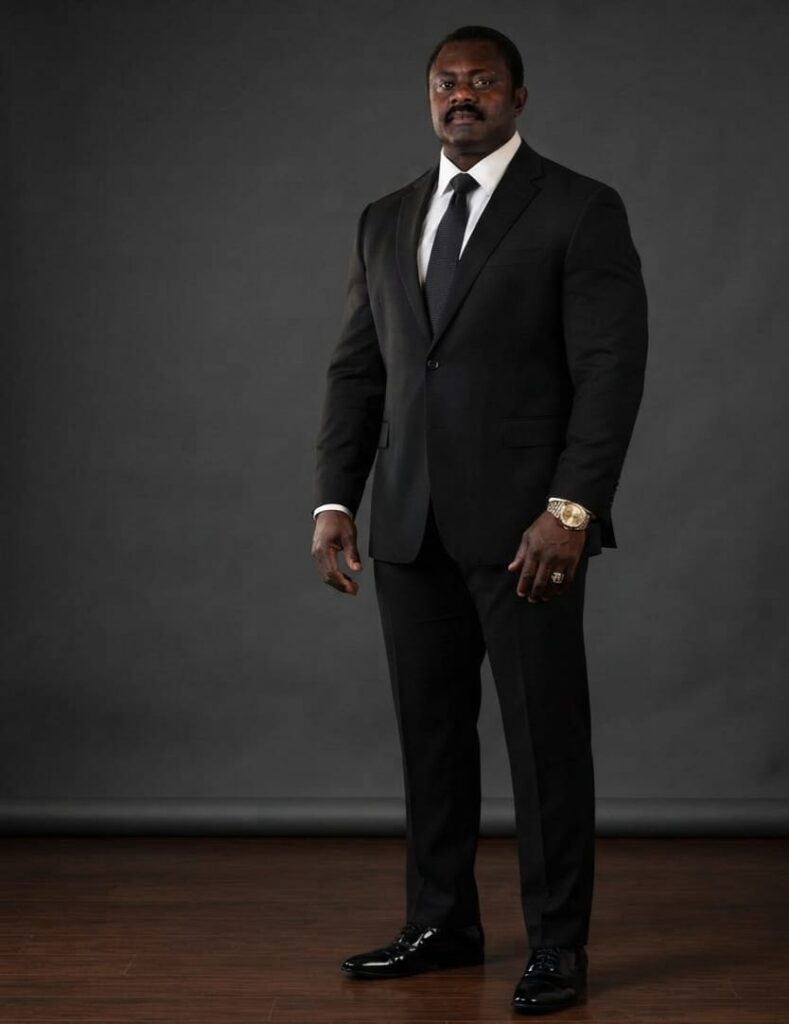
Robert Ekow Grimmond-Thompson: A man driven by innovation, creativity, purpose

Thousands of tiny glass seed beads, carefully stitched by hand onto an old, weathered jute sack, tells a story that goes beyond art. They speak of patience, resilience and a belief that beauty can emerge from the most unexpected places.
It is a philosophy that has guided Robert Ekow Grimmond-Thompson throughout his life.
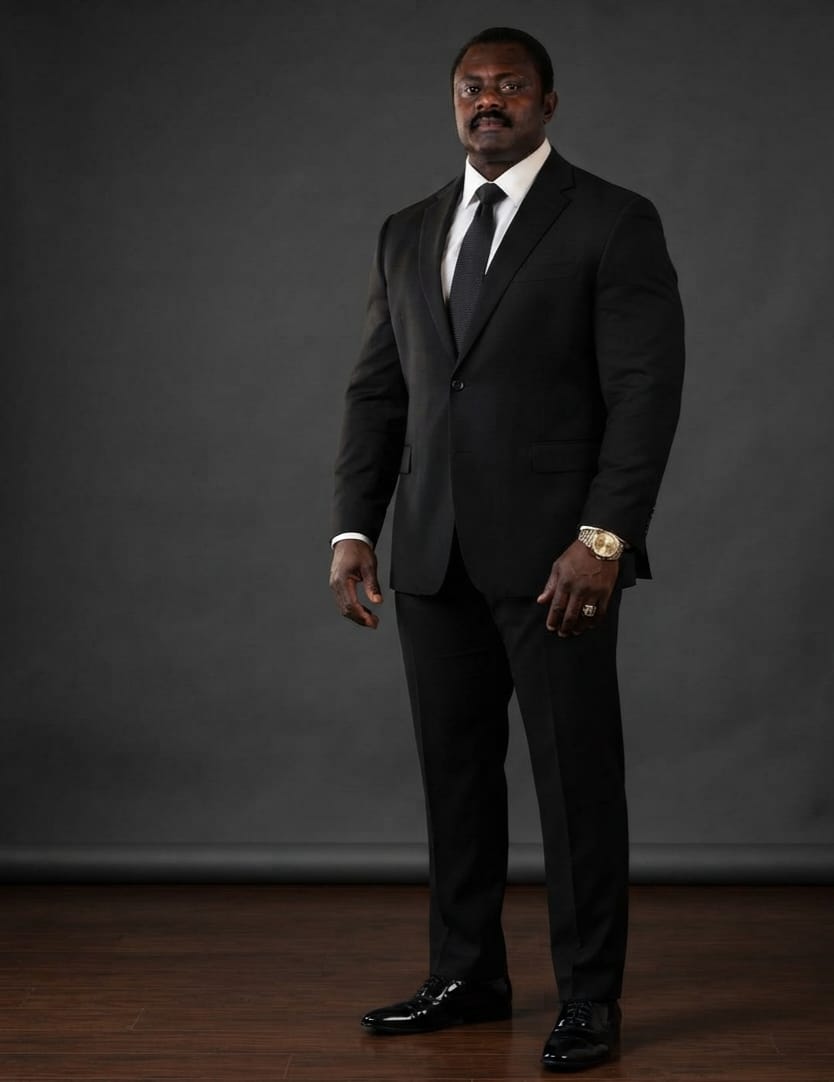
For more than three decades, Grimmond-Thompson has refused to be confined to a single profession. A software engineer, systems architect, eco artist and independent researcher, he has built a career that brings together technology, creativity and the study of human movement.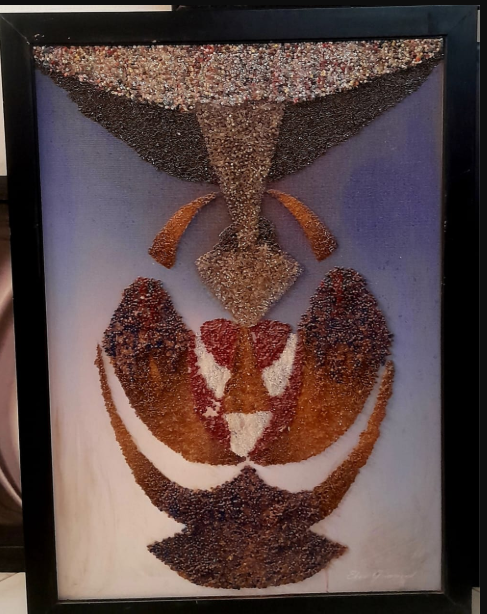
His journey is driven by curiosity, determination and an unwavering desire to understand how different fields can work together to improve lives.
His love for solving problems began in the world of computers. As a software engineer and systems architect, he developed a deep appreciation for structure, precision and logical thinking.
But the more he worked with technology, the more he became convinced that the same principles used to understand computer systems could also be applied to understanding people.
That belief led him on a lifelong journey of research into the relationship between movement, posture and emotions.
Through years of independent study and practice, he developed proprietary frameworks that he describes as Emotional Surgery and Neurokinetic Aesthetic Surgery.
According to Grimmond-Thompson, these approaches are designed to help people better understand the connection between their physical posture, emotional wellbeing and overall balance.
His work also explores ideas such as Optic Nerve Ignition, reflecting his interest in how the body’s sensory systems may influence movement and emotional wellbeing.
His decades of research are brought together in his book, Reclamation of Sovereignty. More than a collection of theories, the book reflects his belief that people should never allow difficult experiences to define them.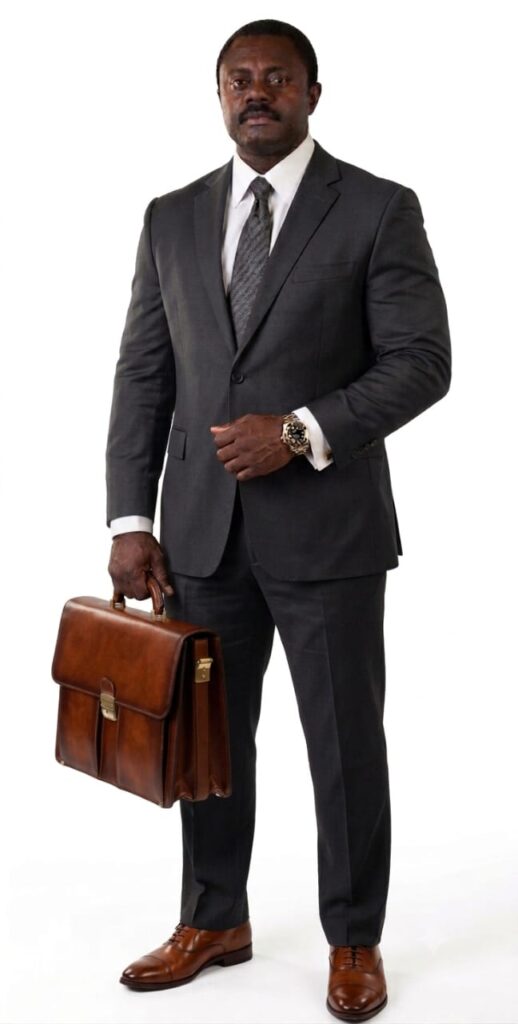
Instead, he encourages readers to see challenges as opportunities for growth, healing and personal transformation.
Away from technology, Grimmond-Thompson has found another way to express his ideas through art. As an eco-artist, he is passionate about sustainability and believes that beauty can be created from materials that many people would simply discard.
One of his most remarkable creations is Sovereign Reclamation, a monumental textile artwork made from old, weathered jute sacks decorated with thousands of tiny glass seed beads.
The painstaking work took years to complete and demanded extraordinary patience, creativity and attention to detail.
For Grimmond-Thompson, the old jute sacks represent the struggles, disappointments and scars that everyone carries through life.
The colourful beads, carefully sewn onto the fabric, symbolise hope, resilience and new beginnings. Through his art, he reminds people that their past should never be something to hide. Instead, it can become the foundation for strength, growth and a brighter future.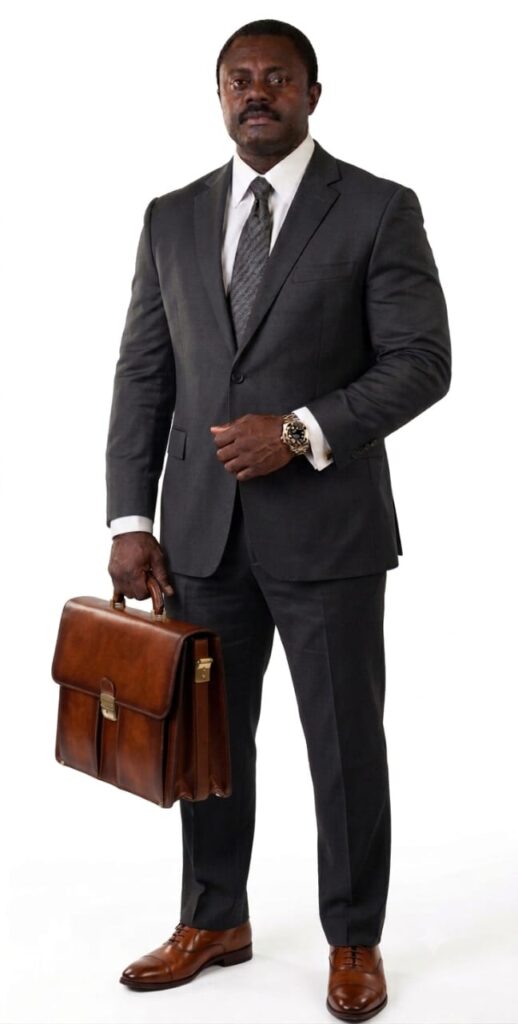
His philosophy extends beyond art. He believes the spaces where people live and work influence the way they think, feel and perform.
He encourages the use of colour, thoughtful design and beautiful surroundings to create environments that promote peace, creativity and emotional wellbeing.
In today’s fast-paced world, Grimmond-Thompson also believes in the importance of slowing down. Through what he calls the “Aesthetic Rest Hour,” he encourages people to take time away from the pressures of everyday life to reflect, recharge and reconnect with themselves.
In his view, moments of stillness are just as important as moments of hard work.
Another principle he lives by is self-respect. His preference for smart tailoring, good posture and a professional appearance goes beyond fashion. To him, it reflects discipline, confidence and personal dignity.
He believes the way people carry themselves often reflects how they value themselves.
Despite his many professional accomplishments, Grimmond-Thompson remains a lifelong learner with interests beyond his work.
He enjoys playing chess, a game that challenges his mind and sharpens his strategic thinking.
He also enjoys car racing during his leisure time, appreciating the focus, precision and excitement that come with the sport. These hobbies reflect the balance he maintains between careful thinking and adventure.
BY ESINAM JEMIMA KUATSINU

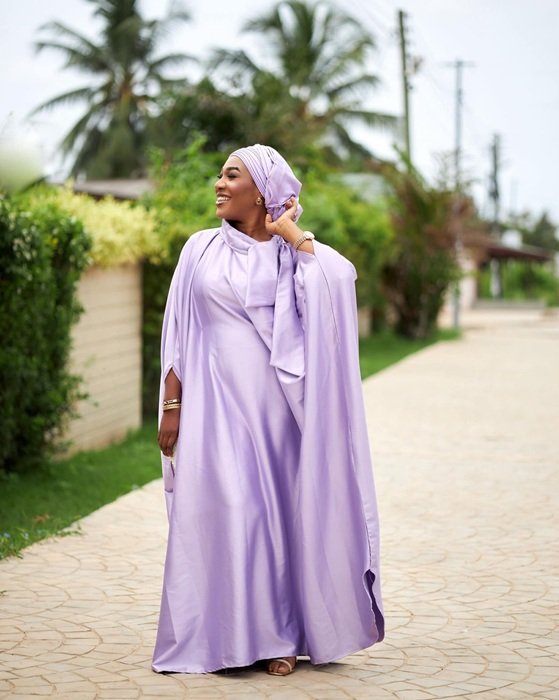
For Ms Fafa Gozo, being alive is a blessing she no longer takes for granted. Having faced breast cancer and endured the challenges of treatment, she has learnt to appreciate life differently, embrace change and find strength in an experience she once feared would end her life.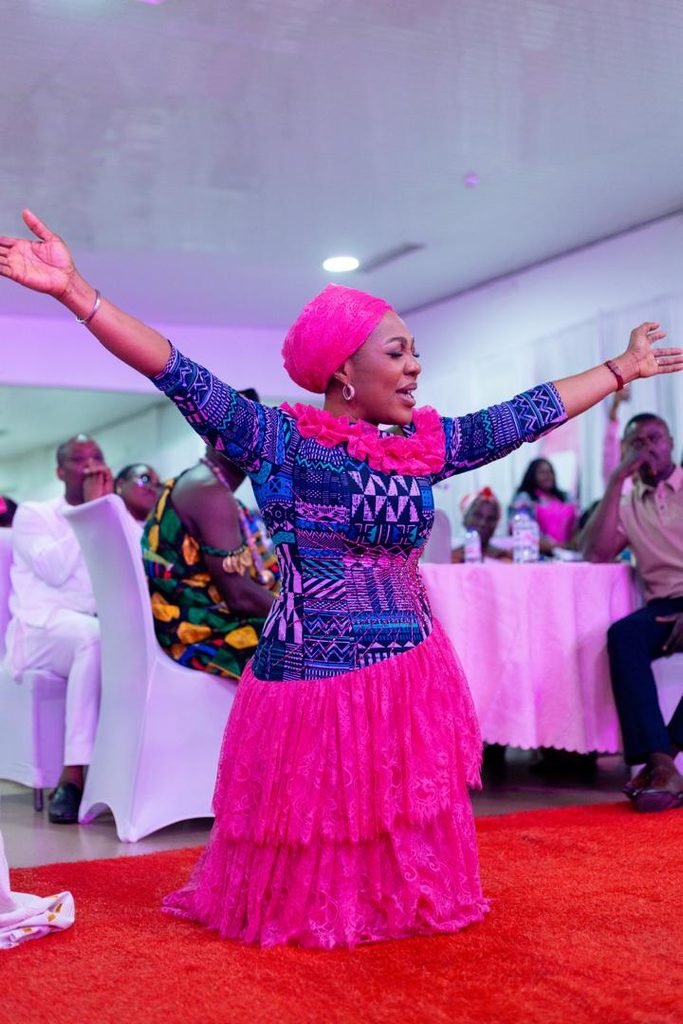
“If you ask me how to describe my life today, I would say well, because I am alive,” she said.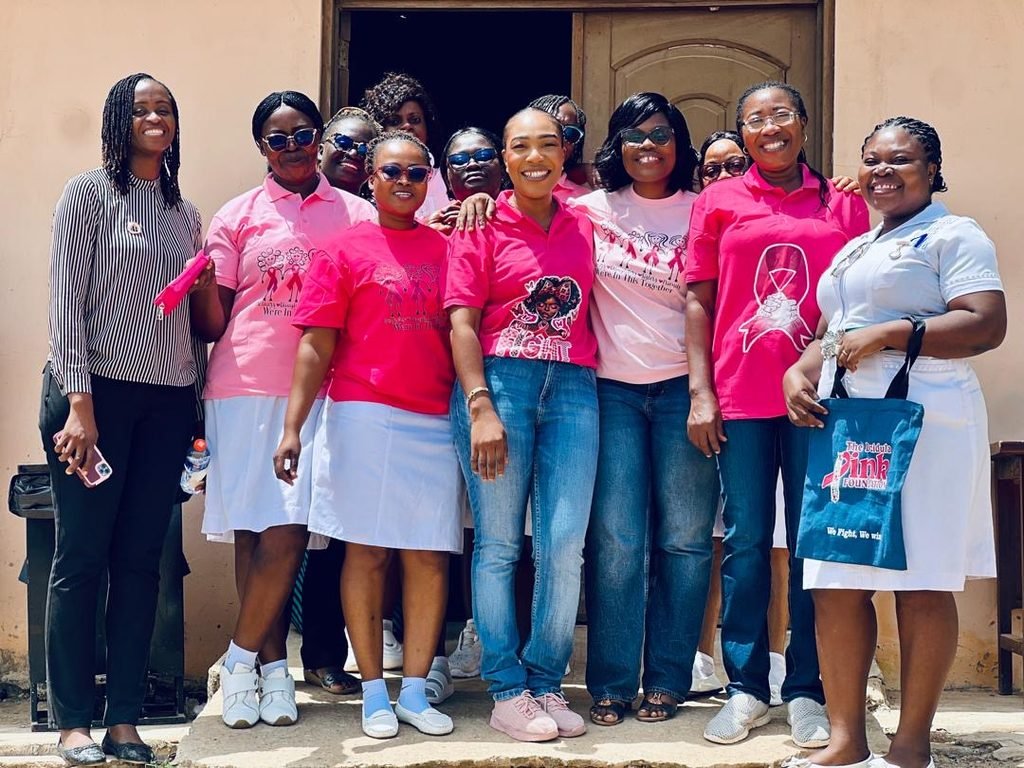
Although her life is no longer the same as it was before her diagnosis, she is grateful for the opportunity to live and make the most of each day.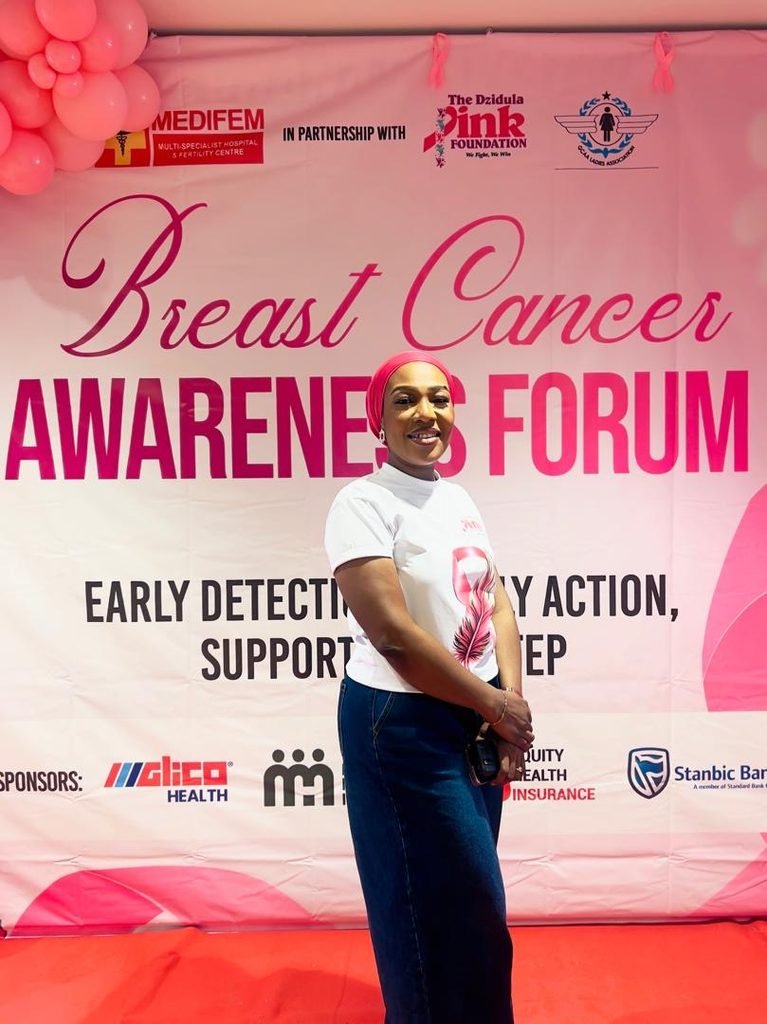
Before breast cancer, Ms Gozo described herself as a happy woman who balanced her responsibilities as a mother, wife and career woman. However, her life changed when she discovered a lump in her breast while breastfeeding her youngest child.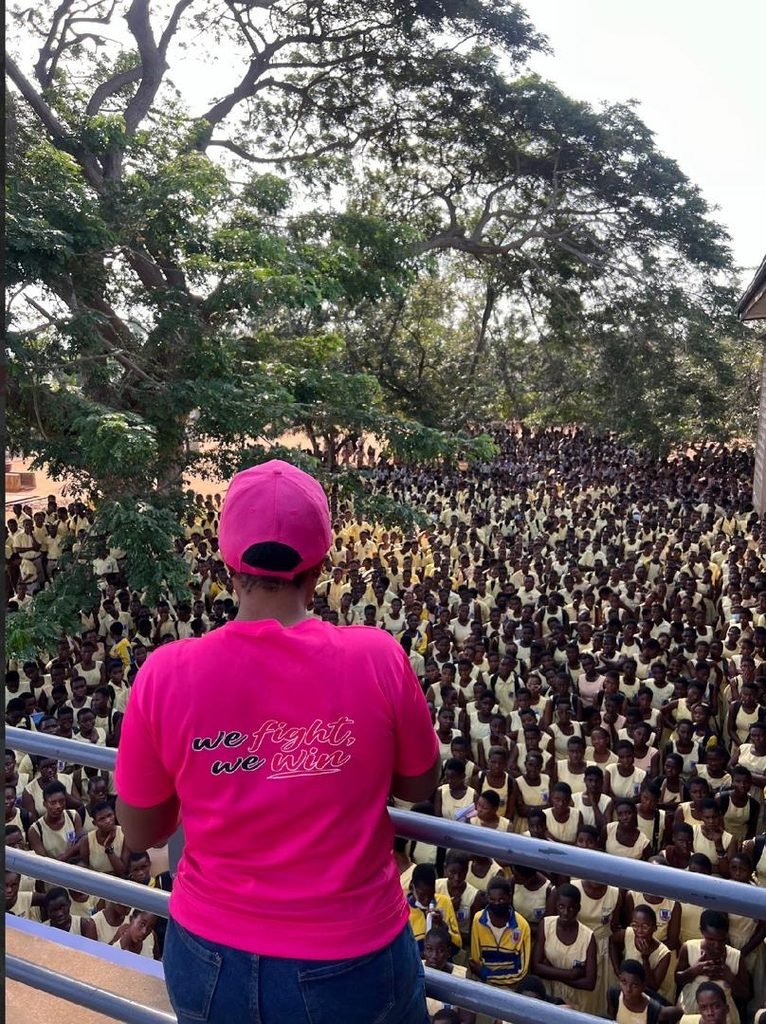
She sought medical attention, and further examinations led to a diagnosis of invasive breast cancer. The news was difficult to accept, particularly as she had a young child and family responsibilities to consider.
Chemotherapy began almost immediately. The treatment weakened her body, and she had to return to the hospital for further care.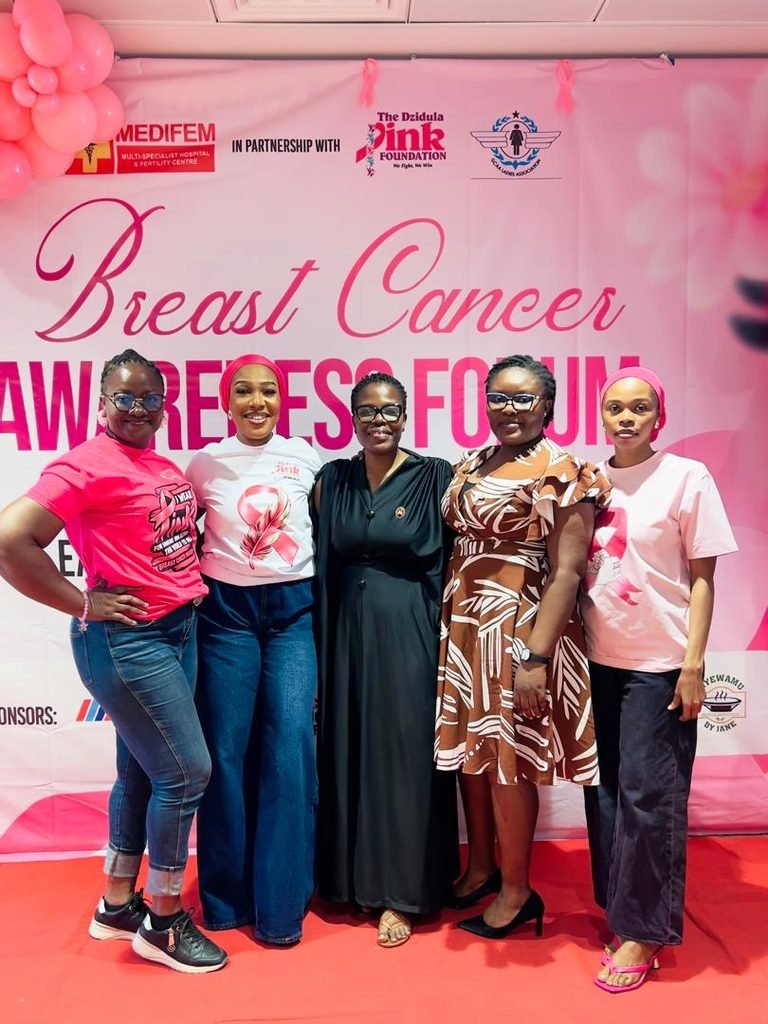
Beyond medication, she needed emotional strength to cope with the physical and psychological demands of the experience. Nevertheless, she continued with treatment, drawing strength from her faith and determination to live.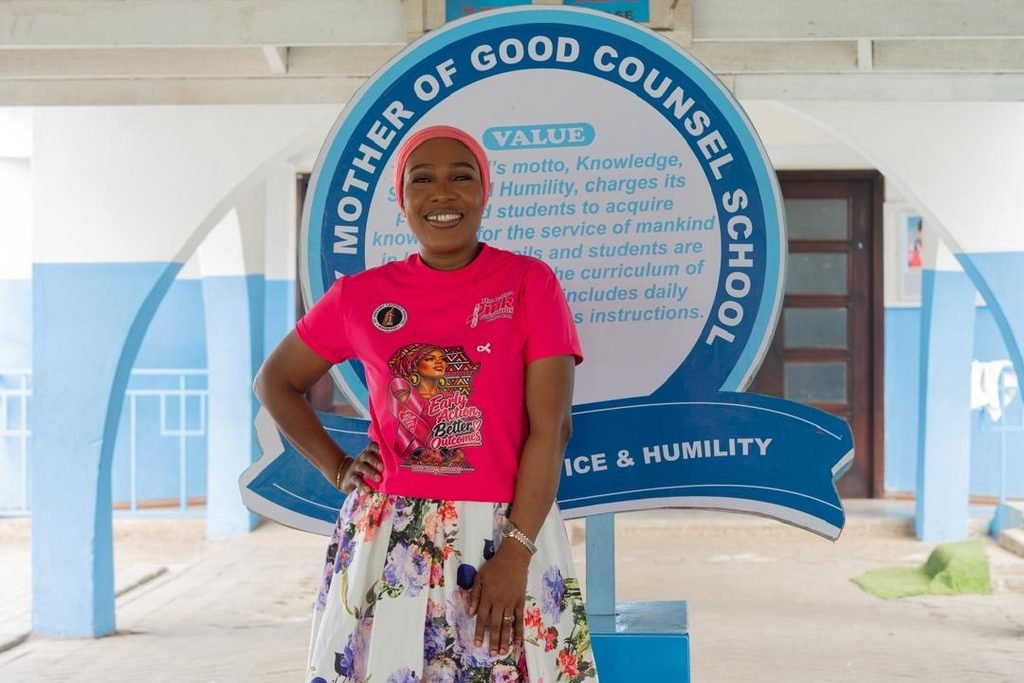
May 2022 marked the end of her chemotherapy, bringing relief after months of treatment. In June, she began another phase of her journey, focusing on recovery and rebuilding her life.
Healing was gradual, requiring physical and emotional adjustments. Just when she thought the worst was over, another health concern arose; bringing renewed anxiety and the need for further medical attention.
The experience taught her that recovery does not always follow a straight path. It requires patience, courage and the willingness to face uncertainty.
Despite the difficulties, Ms Gozo has chosen to embrace the woman she has become rather than dwell on what she has lost.
“The old Fafa is gone, but I am loving the new Fafa. I appreciate the new Fafa more and take life easy because now I know life is very short and very vulnerable. Everyone is at risk,” she said. Read More.
By Esinam Jemima Kuatsinu
SKIP THE QUEUE, TAP THE NEWS
You can now read the Ghanaian Times and The Spectator newspapers from the comfort of your device via TimesNewsPlus.
Buy Maps
Join our WhatsApp Channel: https://whatsapp.com/channel/0029VbBElzjInlqHhl1aTU27
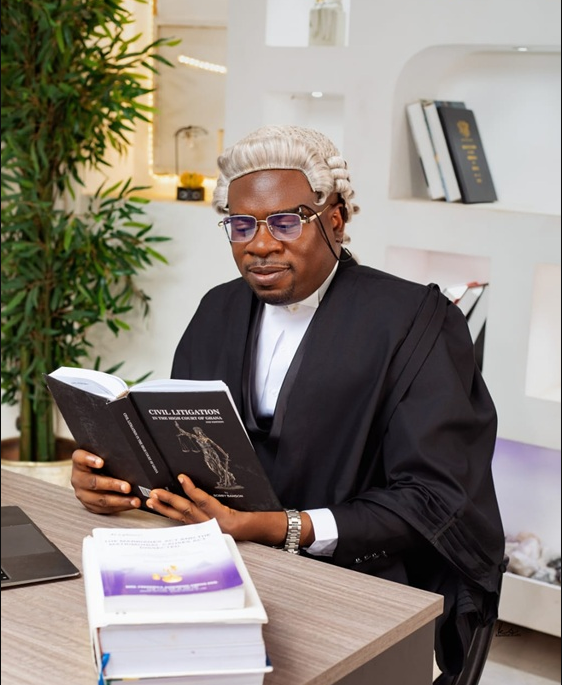
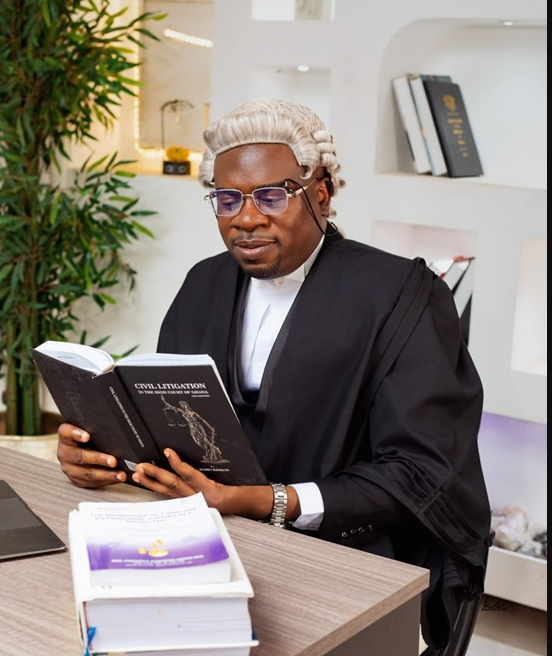
From Doryumu to two Bars: The remarkable journey of Lawyer Nyarkotey Obu
From the quiet communities of Doryumu and Dodowa in the Shai-Osudoku area of Greater Accra to courtrooms in two West African countries, Lawyer Raphael Nyarkotey Obu’s story is one of unusual professional reinvention. 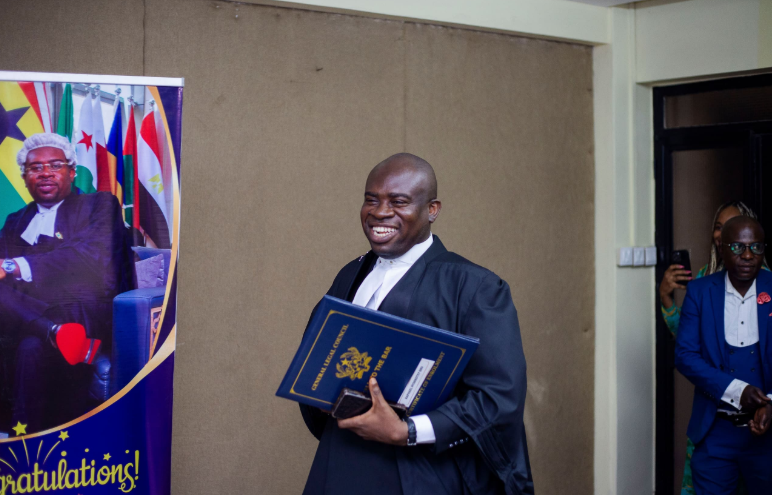
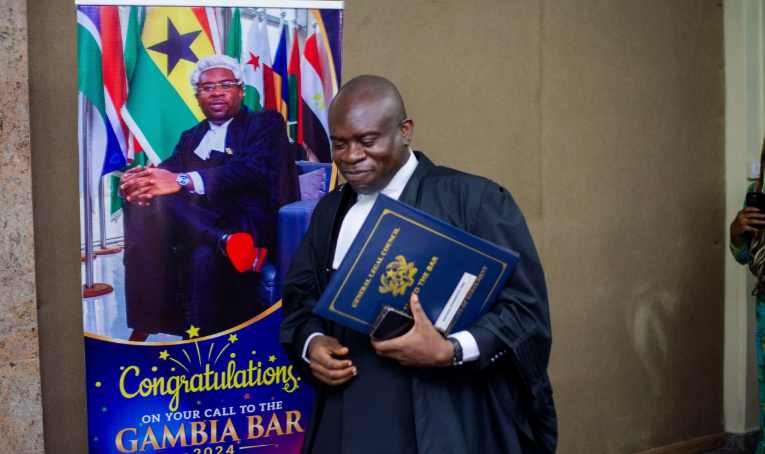
On Friday, October 9, 2026, the naturopathic scholar was called to the Ghana Bar, following his earlier admission to the Bar in The Gambia in November 2024.
The milestone places him in a pioneering position. He has been reported as the first African naturopath to qualify as a lawyer in two West African countries—an achievement that combines natural medicine, academic leadership and legal training in a way rarely seen on the continent.
Beyond the ceremonial wig and gown, however, lies a larger question: how will he use the law to improve the regulation of traditional, complementary and alternative medicine (TCAM) in Africa?
The early journey
Nyarkotey traces his roots to Doryumu in the Shai-Osudoku district. Part of his childhood was spent with his grandmother in the Suhum-Amrahia area, before his family journey took him to Teshie Lascala, where he began his basic education.
He later attended Ghanata Secondary School, Dodowa. These formative experiences preceded a career that would take him from classrooms in Ghana to professional legal training in Banjul and clinical and academic engagements in Asia.
Those beginnings matter because his achievements did not emerge from a single, straightforward professional path. He first built a name in Ghana’s developing natural medicine sector as an educator, researcher, author and advocate for stronger standards.
Education and difficult questions
That conviction informed the establishment and development of Nyarkotey College of Holistic Medicine in Ashaiman. The institution pursued structured professional education and competency-based training, including work connected to national occupational standards for naturopathy and holistic medicine.
Yet its growth brought the challenge familiar to emerging health professions: educational ambitions can advance faster than the laws governing those who complete the training.
The College faced questions within Ghana’s tertiary education regulatory environment, while Nyarkotey also became involved in a public dispute with the Traditional Medicine Practice Council (TMPC).
At the centre was disagreement over the reach of the Traditional Medicine Practice Act, 2000 (Act 575), and its application to naturopathy and other complementary and alternative medicine disciplines. The dispute entered the courts, where the interpretation of statutory authority remains a matter for legal determination.
Why he studied law
It was against this backdrop that law became increasingly central to his work. After obtaining his law degree, Nyarkotey proceeded to the Gambia Law School and was called to the Gambian Bar in November 2024. He subsequently completed the route to admission in Ghana, culminating in the October 2026 ceremony. The second Bar call gives his professional story an especially Ghanaian significance: the legal questions that shaped his ambitions can now be addressed with the benefit of Ghanaian legal qualification.
The distinction is noteworthy, but he regards it as a means rather than an end. His interest is not simply in representing individual practitioners. He wants to contribute to laws that separate legitimate professional training from unsupported claims, define safe scopes of practice, provide fair disciplinary processes and protect patients. The objective, he argues, should be regulation that is firm, clear and suitable for Africa’s diverse healthcare landscape.
India and a wider horizon
In August 2026, Nyarkotey led 16 Ghanaian naturopaths to India for clinical immersion at Arujiva Ayurveda and Naturopathy Hospital in Karnataka. Their exposure included Ayurveda, yoga, naturopathy, nutrition and lifestyle-based care.
Subsequent interactions with Indian universities and professional institutions widened the educational exchange. For him, the visit offered a practical view of how training, research, hospitals and public policy can interact within established traditional medicine systems.
India also supplied a lesson in patience. Nyarkotey recalls being told by an Indian colleague that gaining recognition for an educational institution can involve years of persistence. He drew from that conversation a renewed commitment to documentation, programme quality, clinical preparation and continued regulatory engagement. 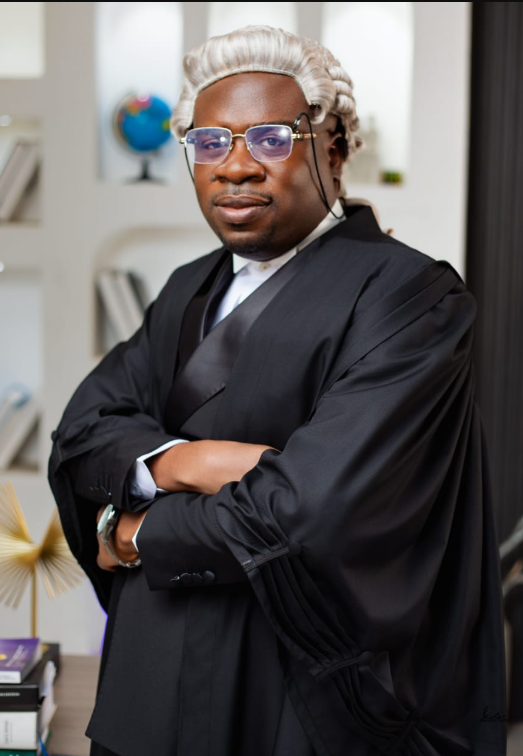
QAI partnership and standards
A recent development is the College’s Memorandum of Understanding with India’s Quality and Accreditation Institute (QAI). The partnership is intended to support quality assurance, curriculum improvement and professional development across naturopathy and related complementary medicine disciplines. It marks a shift from pursuing recognition principally through advocacy towards building systems that can be independently assessed.
For Nyarkotey, the agreement offers a platform for developing that quality culture while respecting the jurisdiction of Ghana’s own educational and professional regulators.
An African professional agenda
His thinking has also become continental. In March 2026, representatives associated with naturopathy from 11 African countries established the African Naturopathic Federation, with Nyarkotey as founding president.
The Federation seeks to advance professional education, research, ethics and cooperation. Its potential lies in helping African countries discuss common training benchmarks while allowing each country’s laws, institutions and healthcare needs to shape implementation.
Nyarkotey is additionally promoting an India–Africa AYUSH Centre for Education, Research and Regulatory Cooperation. The proposed platform would connect African institutions and policymakers with Indian expertise, not only in training and clinical exposure but also in standards, research and responsible investment.
He believes African traditional knowledge and India’s institutional experience can form a productive partnership without either being treated as a substitute for scientific scrutiny or patient safety.
A law firm with a specialised mission
Perhaps his most distinctive future plan is a law firm devoted substantially to TCAM and healthcare regulation. He envisages advising governments, professional bodies, colleges, hospitals, clinics and businesses on legislation, registration, licensing, contracts, institutional compliance, patient rights and professional accountability.
He also hopes to assist African countries seeking to draft or modernise legal frameworks for traditional, complementary and alternative medicine.
That ambition follows naturally from his own encounters with overlapping institutions and contested regulatory mandates. More coherent frameworks could clarify which authority regulates practitioners, which oversees academic qualifications and which controls medicinal products.
Such separation would help protect the public while creating lawful pathways for properly trained professionals. Any reform, however, will require consultation with health authorities, patients, conventional medical professionals and complementary medicine stakeholders.
An achievement and a responsibility
Nyarkotey’s story is not free of controversy. His positions on regulation have attracted criticism, and his institution has faced scrutiny. A balanced assessment must recognise those disputes without allowing them to erase the work he has undertaken.
Nor should international partnerships, professorial titles or two Bar calls be mistaken for proof that every proposal is sound. His legacy will depend on the standards he helps establish and the results they produce.
From Doryumu, Dodowa, Suhum-Amrahia and Teshie Lascala to Ghanata Secondary School, Banjul, India and the Ghana Bar, the arc of his journey is striking.
Yet its next chapter may matter more than its earlier honours. If his legal training helps African countries adopt workable TCAM legislation, if his educational partnerships deliver measurable quality, and if his proposed specialist practice contributes to patient protection, the impact will extend far beyond one individual.
The first African naturopath to have qualified as a lawyer in two West African countries now faces a larger professional assignment: turning a remarkable personal achievement into durable legal and educational progress for natural medicine across Africa.
SKIP THE QUEUE, TAP THE NEWS
You can now read the Ghanaian Times and The Spectator newspapers from the comfort of your device via TimesNewsPlus.
Buy Maps
Join our WhatsApp Channel: https://whatsapp.com/channel/0029VbBElzjInlqHhl1aTU27