News
Gender Minister calls for end to impunity in violence against women

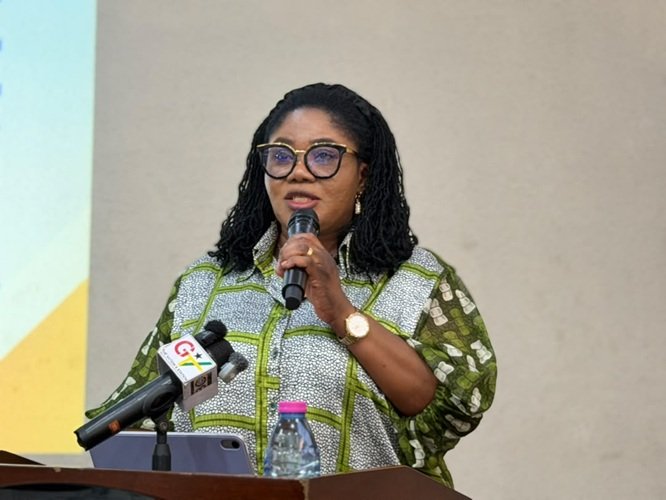
The Minister for Gender, Children and Social Protection, Dr Agnes Naa Momo Lartey, has called for an end to impunity for perpetrators of gender-based violence, warning that Ghana’s laws will only protect women and girls when survivors can access justice and offenders are held accountable.
She made the call as Ghana prepares to mark the 2026 16 Days of Activism Against Gender-Based Violence campaign, scheduled for November 25 to December 10.
The campaign, led by the Ministry, is being held under the global theme: “Unite to End Violence Against Women and Girls: Ensure Justice, Protect Survivors, End Impunity.”
In a statement issued by the Ministry on Tuesday, Dr Lartey expressed concern that despite the existence of strong laws to protect women and girls, many survivors continued to face difficulties reporting abuse and securing justice, while perpetrators often escaped punishment.
“Our laws are strong, but a law only protects a woman if she knows about it, can use it, and sees it enforced,” she said.
She noted that behind the statistics on gender-based violence were mothers, daughters, sisters and friends whose lives had been affected by abuse.
The Minister said too many survivors lacked the courage to report violence because of the challenges associated with seeking justice, stressing the need for stronger enforcement of existing laws and accountability for perpetrators.
The campaign comes against the backdrop of disturbing statistics on violence against women in Ghana.
According to the 2022 Ghana Demographic and Health Survey, two in every five women aged between 15 and 49, representing 41.6 per cent, have experienced emotional, physical or sexual violence from an intimate partner.
The survey further indicates that one in three women has experienced physical violence since the age of 15, while more than one in 10 has suffered sexual violence from an intimate partner.
Additionally, 16 per cent of young women aged between 20 and 24 were married before their 18th birthday, while some districts record domestic violence rates exceeding six in every 10 women.
Dr Lartey said the figures highlighted the urgent need for collective action to ensure that women and girls could live free from violence and fear.
The Ministry also raised concerns about emerging forms of gender-based violence, particularly the non-consensual recording and sharing of intimate images of women.
It reminded the public that sharing or threatening to share such images constituted an offence under the Cybersecurity Act, 2020 (Act 1038), warning that individuals who forwarded the images could also be held liable.
The Ministry said the 2026 campaign would focus on closing the gap between reporting abuse and obtaining justice, as well as ending impunity both offline and online.
Working with its partners, it is planning activities at national, regional and community levels to raise public awareness, strengthen support systems and improve survivors’ access to justice.
The campaign will also commemorate the International Day for the Elimination of Child, Early and Forced Marriage on November 27, World AIDS Day on December 1, the International Day of Persons with Disabilities on December 3, and Human Rights Day on December 10.
The Ministry noted that violence affects girls at risk of child marriage, women living with HIV and women with disabilities in particular ways, and stressed the importance of ensuring that no one was left behind.
It called on traditional authorities, queen mothers and religious leaders to use their platforms in palaces, churches and mosques to condemn violence and encourage victims to report abuse.
Parents and families were also urged not to conceal abuse to protect the family name, but rather to prioritise the safety and protection of women and children.
Young people were advised against sharing, forwarding or downloading private images of others without their consent, while men and boys were encouraged to stand as allies in the fight against gender-based violence.
Employers were also urged to provide safe working environments and support employees affected by violence.
As part of the campaign, Ghanaians have been encouraged to wear orange and share campaign messages on social media using the hashtags #16Days, #OrangeGhana and #EndImpunityGH.
The Ministry further called on the media to help disseminate the campaign’s messages and report on violence in ways that protect survivors.
By Esinam Jemima Kuatsinu
SKIP THE QUEUE, TAP THE NEWS
You can now read the Ghanaian Times and The Spectator newspapers from the comfort of your device via TimesNewsPlus.
Buy Maps

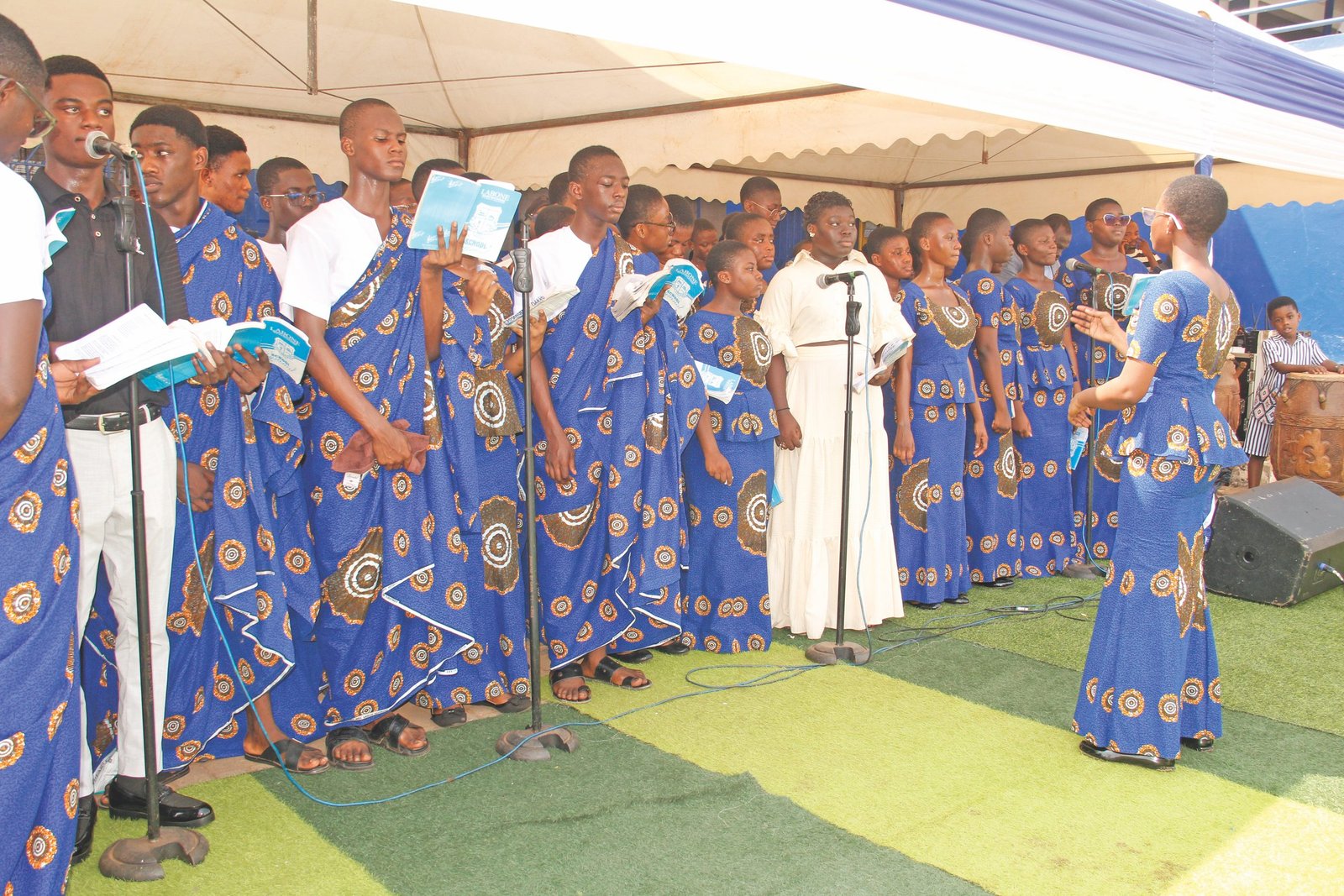
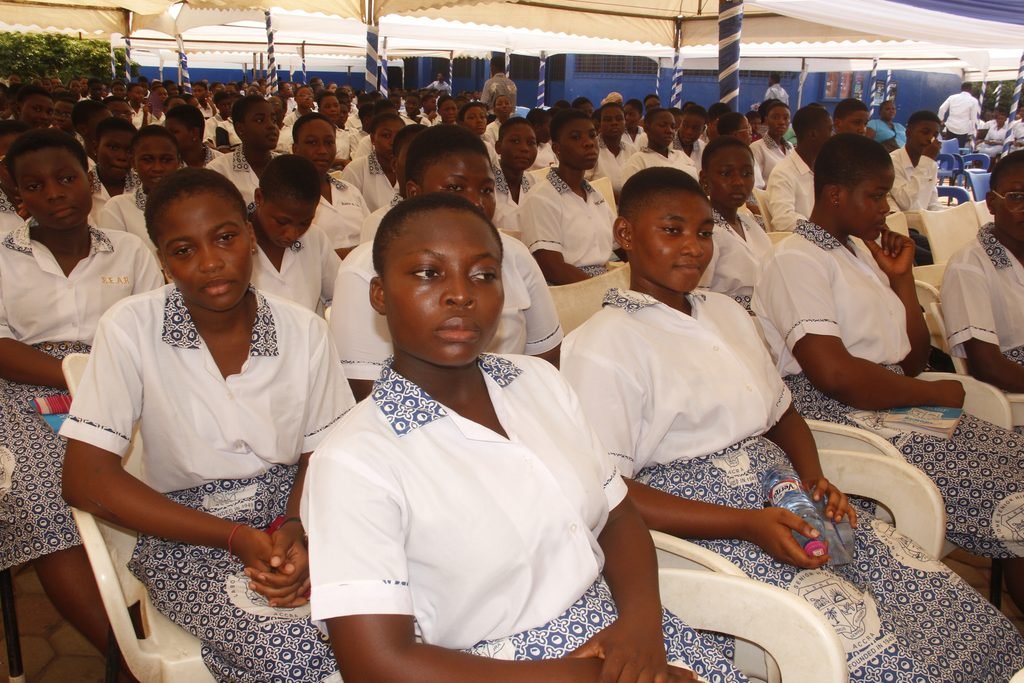
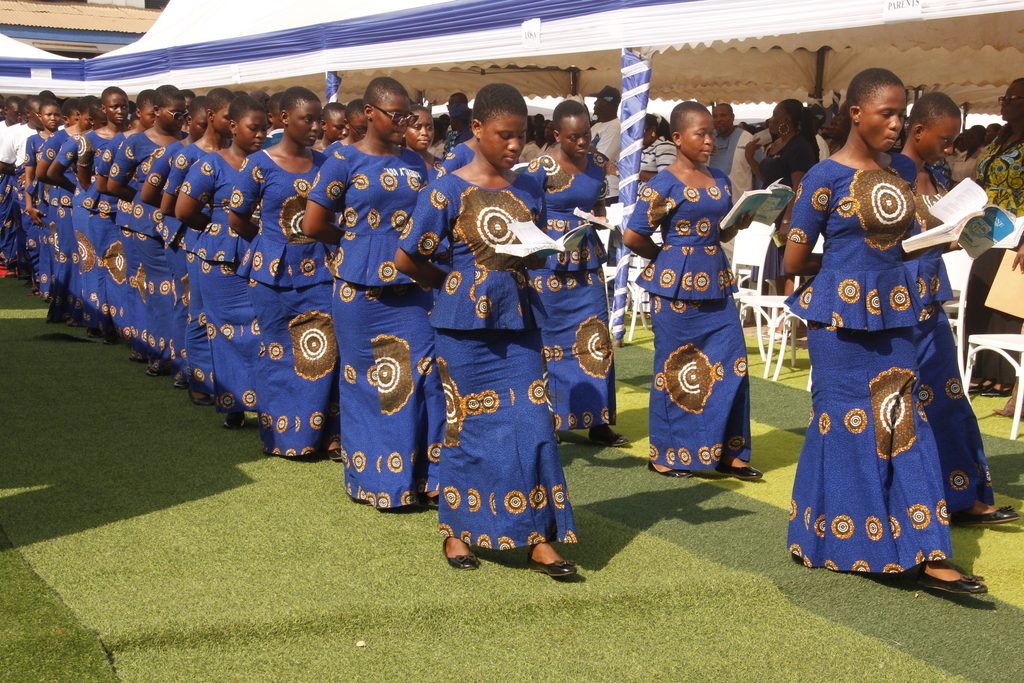




Ghana has moved from Tier 2 to Tier 1 in the United States’ human trafficking ranking, the Ministry of Gender, Children and Social Protection has disclosed.
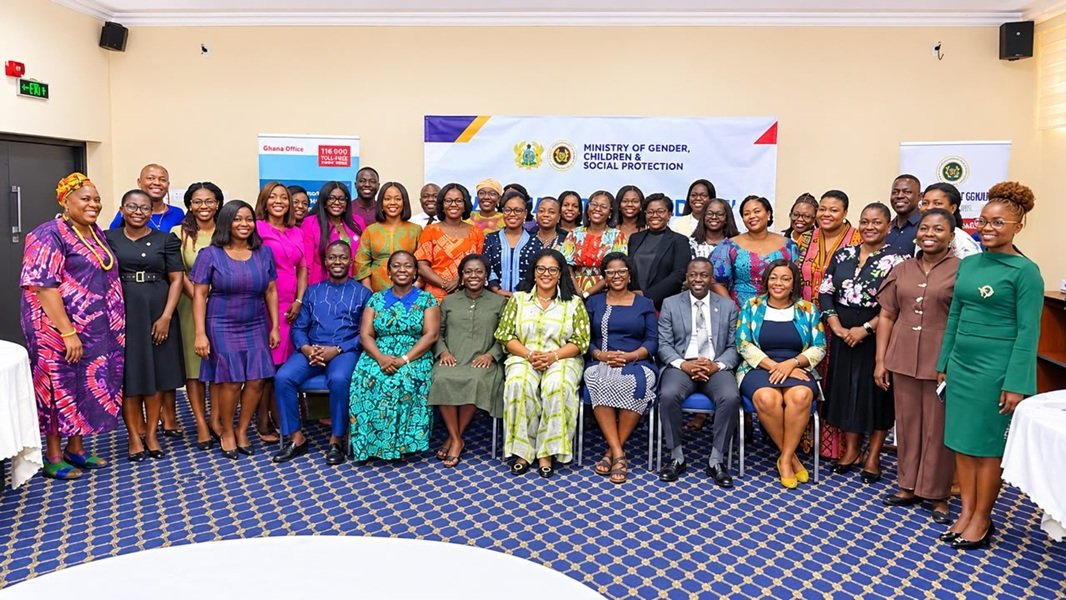
The announcement was made during a national stakeholders’ workshop held on Tuesday to review the outcomes of the 70th session of the United Nations Commission on the Status of Women (CSW70) and prepare Ghana for CSW71 in March 2027.
“Ghana has consistently worked on protection and prosecution, and also strengthened measures to address trafficking and support survivors,” the sector minister, Dr Agnes Naa Momo Lartey, said when she opened the workshop.
Held under the theme, ‘From Commitment to Action: Translating the CSW70 Outcomes and Accelerating Ghana’s Progress towards CSW71,’ the workshop brought together government institutions, development partners, civil society organisations, academia, and women and youth groups.
The broader message was that legal and policy gains must translate into accessible services and measurable improvements in the lives of women and girls.
“Our discussions must also recognise the different experiences of women and girls, particularly those with disabilities, women in rural communities, older women, young women and survivors of violence,” she said.
“Their experiences must inform the policies and institutional responses intended to protect them,” she added.
Dr Lartey highlighted the Domestic Violence Act, Human Trafficking Act, Children’s Act, Affirmative Action Act and Social Protection Act as key legal frameworks for protecting vulnerable people.
She also cited the National Gender Policy 2025–2034, the Orange Support Centre, legal aid services and community-based interventions as important foundations for improving access to justice.
The minister acknowledged that some families encouraged survivors to resolve cases privately to avoid perceived shame, thereby preventing formal justice processes from taking their course.
Presenting Ghana’s progress, Mrs Vera Karikari Baidoo, Director of the Gender Equity Committee Secretariat of the Ministry, described the country’s movement in the United States Department of State’s Trafficking in Persons ranking as a significant achievement.
She attributed the progress to sustained efforts in victim protection and the prosecution of offenders.
However, Mrs Baidoo identified persistent challenges, including limited awareness of legal rights, financial constraints and social pressure that discourages survivors from reporting abuse.
Addressing these barriers, she said, would require stronger coordination among justice, health, education, social welfare and local government institutions, alongside affordable services in underserved communities.
She further called for improved data collection and gender-responsive budgeting to ensure that resources address the different needs of women, men, girls and boys.
Looking ahead to CSW71, Dr Lartey said Ghana’s position must reflect implementation experiences and the voices of those most affected by poverty, environmental challenges and exclusion.
“Our nation’s position must be grounded in evidence, implementation, experiences and the voices of women and girls,” she stated.
Editorial note: The article has been reformatted, with paragraph breaks, spelling, punctuation and minor grammatical corrections. The original reporting and quotations have been retained. The photograph caption can be placed below the accompanying image.
By Vanessa Elizabeth Nkum
SKIP THE QUEUE, TAP THE NEWS
You can now read the Ghanaian Times and The Spectator newspapers from the comfort of your device via TimesNewsPlus.
Join our WhatsApp Channel: https://whatsapp.com/channel/0029VbBElzjInlqHhl1aTU27

 News1 week ago
Fiifi Boafo questions Health Minister over Korle-Bu patient who paid GH¢77,561 but had no bed
- News1 week ago
Council of State member calls for investment in cultural heritage preservation
- News1 week ago
Côte d’Ivoire introduces mandatory online registration for travellers from African countries