Profile
Meet Dr Abed-Nego Lamangin Bandim …MP for Bunkpurugu leading debates on consumer protection, digital inclusion and public information


As digital technology, artificial intelligence and online communication increasingly shape national life, Ghana faces a growing need for policies that protect citizens while supporting innovation.
At the centre of parliamentary scrutiny of this changing landscape is Dr Abed-Nego Lamangin Bandim, Member of Parliament (MP) for Bunkpurugu in the North East Region and Chairman of the Parliamentary Select Committee on Information and Communications.
Dr Bandim brings to the role a combination of academic research, telecommunications regulation and legislative oversight.
His work places communication management at the centre of debates on consumer protection, digital inclusion, public information and the future direction of Ghana’s communications sector.
He holds a PhD in Communication Management from the University of Pretoria, South Africa.
As Ghana’s digital environment evolves, Dr Bandim has called for laws to keep pace with emerging technologies. In March 2026, he advocated an update of the Data Protection Act, 2012 (Act 843), citing challenges associated with artificial intelligence, cybersecurity and the misuse of personal data.
In an exclusive interview with The Spectator in Accra, Dr Bandim said the challenge for the country was how to maintain effective legal safeguards while allowing responsible innovation and the growth of digital services.
He explained that his engagement with other public institutions was intended to strengthen members’ understanding of emerging technologies as they considered policies that could make a meaningful impact on the use of artificial intelligence.
The MP for Bunkpurugu emphasised that consultation was particularly important because legislation in this area could affect freedom of expression, access to information and the responsibilities of digital platforms and users.
Dr Bandim has also argued that digital development must reach underserved communities through improved network coverage and meaningful access to connectivity.
In pursuing this objective, he has drawn particular attention to girls participating in the Girls-in-ICT initiative, stressing the need for reliable internet access to enable beneficiaries to practise their skills and pursue opportunities.
He has also advocated legislation to sustain the initiative across changes in government.
“The broader challenge is to connect digital training with dependable infrastructure, mentorship and opportunities to apply newly acquired skills,” he said.
His constituency work has also involved direct engagement with communities and residents.
Education has been another focus of his constituency interventions. In 2023, he awarded scholarships to 72 students pursuing programmes at tertiary institutions, including colleges of education, nursing training colleges and technical universities.
The support, drawn from his share of the District Assemblies Common Fund and the Ghana Education Trust Fund (GETFund), covered tuition fees and academic research for the 2023/2024 academic year.
Earlier, he donated 168 mono desks to the Bunkpurugu District Education Directorate following an appeal for assistance, explaining that education remained a priority for the constituency.
Before entering Parliament, Dr Bandim worked with the National Communications Authority (NCA), where he served as a Chief Manager.
His experience in telecommunications regulation has given him professional exposure to the relationship between industry operations, regulators and consumers.
His academic and professional qualifications also include a Master of Laws (LLM) degree from Robert Gordon University in the United Kingdom and a diploma in telecommunications from the Commonwealth Telecommunications Organisation.
By Linda Abrefi Wadie
SKIP THE QUEUE, TAP THE NEWS
You can now read the Ghanaian Times and The Spectator newspapers from the comfort of your device via TimesNewsPlus.

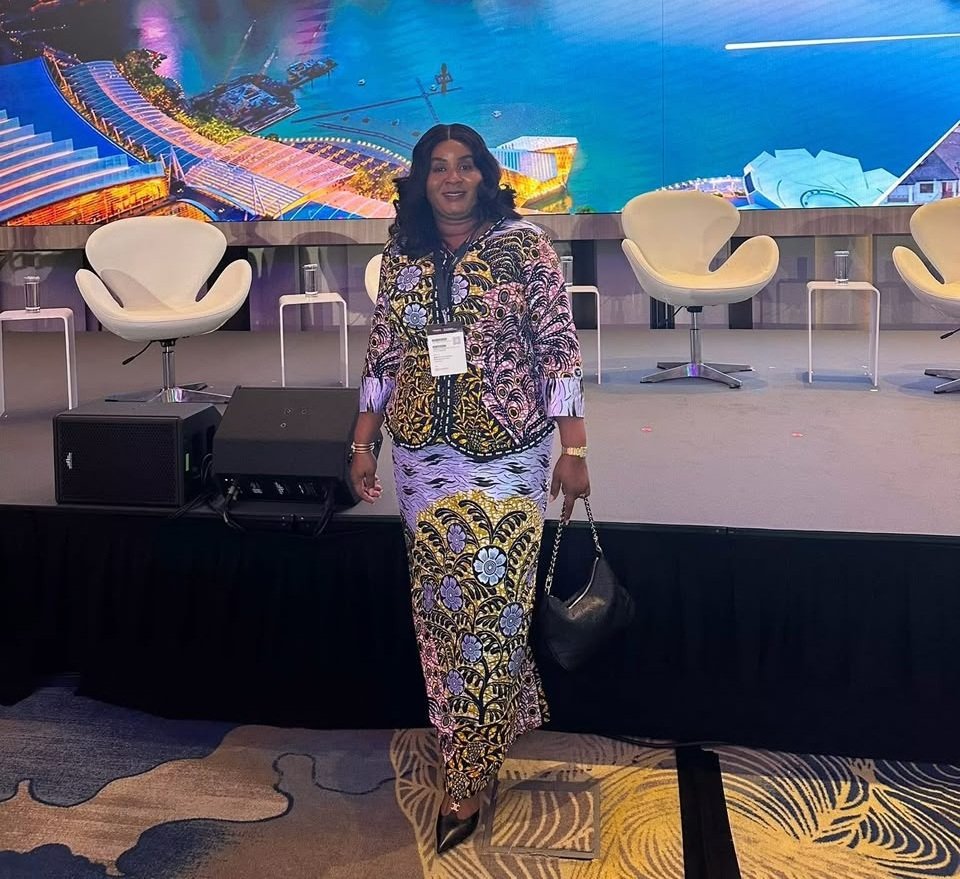
In an industry long dominated by men, Ms Anita Soatuo Kontuo is demonstrating that women can also build successful businesses, provide leadership and contribute significantly to the growth of Ghana’s maritime sector.
With more than two decades of experience in shipping, the Chief Executive Officer and Founder of AskRaf International Company Limited has carved a niche for herself through entrepreneurship, professional commitment and a passion for national development.
Through her vision, determination and professional experience, she has transformed AskRaf International into a reputable indigenous company operating in Ghana’s shipping, logistics and maritime services sector.
Her journey reflects the growing contribution of women to an industry that remains critical to international trade, economic growth and national development.
The shipping industry plays an important role in facilitating international commerce, connecting businesses to markets and supporting the movement of goods across countries.
Within this demanding environment, Kontuo has demonstrated that women can occupy influential positions, build successful businesses and contribute meaningfully to the growth of the maritime sector.
Under her leadership, AskRaf International has recorded significant growth and established a reputation for efficiency, integrity and excellence in service delivery.
One of the notable outcomes of her entrepreneurial leadership is the company’s contribution to employment creation. AskRaf International has created sustainable employment opportunities for more than 100 people, providing livelihoods and contributing to economic empowerment.
The achievement highlights the potential of indigenous businesses to support national development through private-sector investment, enterprise growth and job creation.
For Kontuo, business leadership also extends beyond the pursuit of commercial success. Her commitment to philanthropy and social impact has seen her support various Corporate Social Responsibility initiatives aimed at giving back to society and improving lives.
Her involvement in such initiatives demonstrates the importance of businesses recognising their responsibilities towards the communities within which they operate.
In an environment where businesses are increasingly expected to contribute to social development, her approach reflects the value of combining entrepreneurship with a commitment to the welfare of others.
Her leadership journey also comes at a time when women are increasingly taking up influential positions in the maritime industry, challenging traditional perceptions about women’s capacity to lead in sectors largely associated with men.
For many years, the maritime industry has been perceived as a male-dominated space, with women’s participation often limited by structural and professional barriers. However, the growing presence of women in leadership, entrepreneurship and maritime-related professions is gradually changing this narrative.
Kontuo’s experience as the founder and head of an indigenous maritime company provides an example of how women can contribute to the industry’s development through business ownership, professional expertise and leadership.
Her achievements also highlight the importance of encouraging more women to explore opportunities in shipping, logistics and other maritime-related fields.
Beyond individual accomplishments, increased female participation in the maritime industry can contribute to broader conversations about inclusive economic growth, equal opportunities and sustainable development.
As Ghana continues to explore opportunities within its maritime sector, indigenous companies such as AskRaf International have an important role to play in strengthening the country’s shipping and logistics capacity.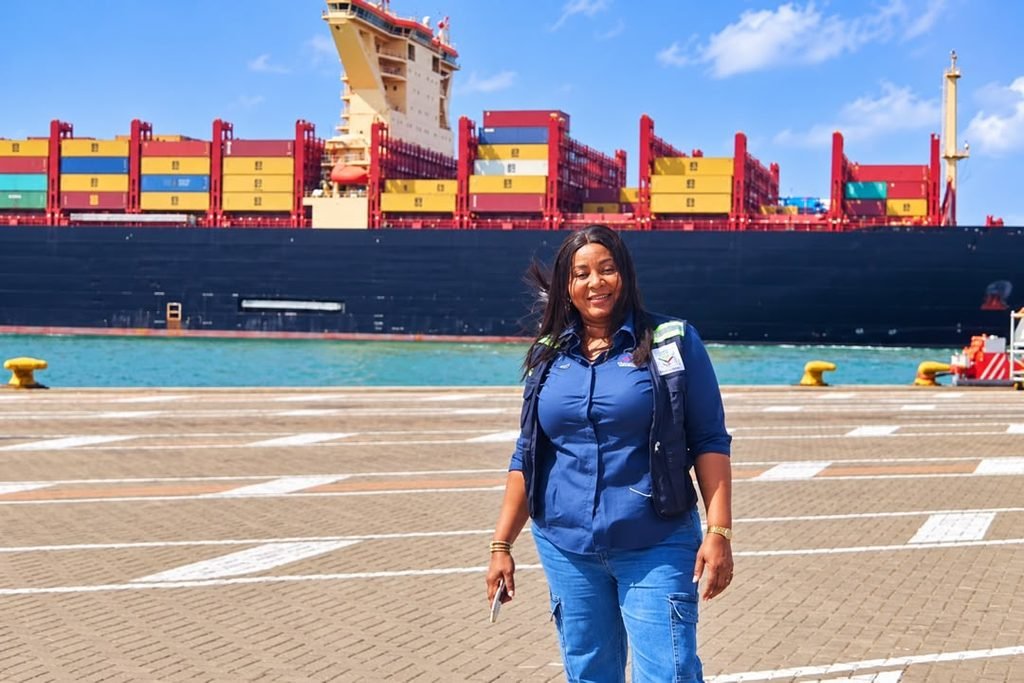
The Blue Economy, which focuses on the sustainable use of ocean and marine resources for economic growth, improved livelihoods and environmental protection, presents significant opportunities for Ghana and other African countries.
Harnessing these opportunities requires investment, innovation, effective policies and collaboration among government, private-sector players, academia and development partners.
Kontuo’s professional experience and entrepreneurial contributions position her as one of the women whose work reflects the importance of private-sector participation in advancing the maritime industry.
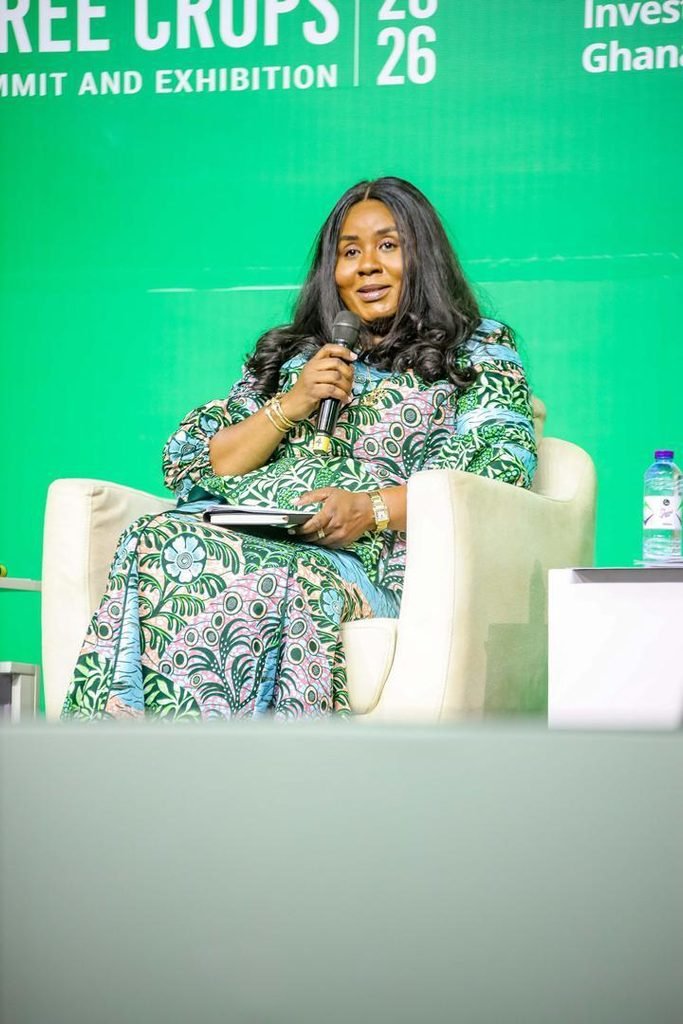
Her contributions will be recognised as she assumes the role of Chief Patron of the Regional Maritime University (RMU)-AskRaf Annual Blue Economy Public Lecture.
The lecture, which will be held under the theme, “Blue Growth for Africa: Investing in Oceans, Empowering People for National Development and Sustainability,” will bring together policymakers, academics, industry leaders, development partners and other stakeholders to examine the potential of Africa’s ocean resources as drivers of sustainable development and economic growth.
Her recognition celebrates her professional accomplishments, entrepreneurial vision, and commitment to employment creation and contribution to national development.
By Esinam Jemima Kuatsinu
SKIP THE QUEUE, TAP THE NEWS
You can now read the Ghanaian Times and The Spectator newspapers from the comfort of your device via TimesNewsPlus.
Join our WhatsApp Channel: https://whatsapp.com/channel/0029VbBElzjInlqHhl1aTU27

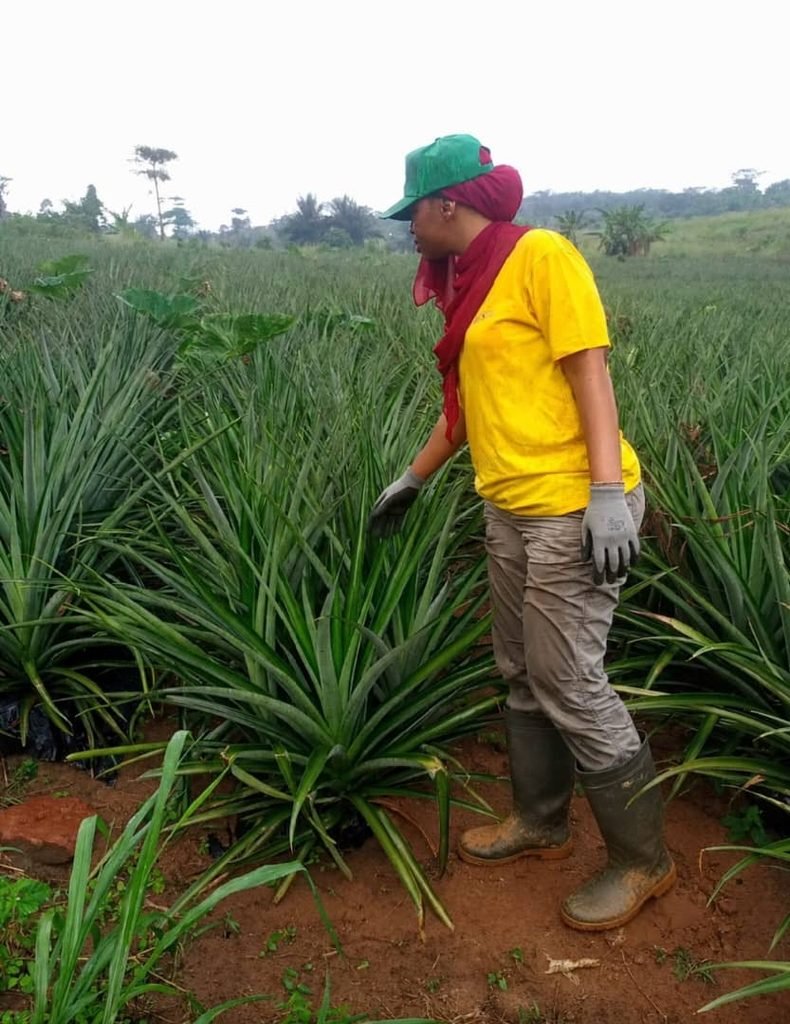
While many graduates dream of securing comfortable corporate jobs after years of education, Bushira Saanpograwwo Abass chose a different path. Armed with determination and savings from her National Service, she ventured into pineapple farming, driven by a belief in the untapped opportunities within agriculture.
What began as a modest farming experiment has since evolved into a growing agribusiness, positioning her as a woman determined to challenge conventional perceptions of farming, inspire young people and build a lasting agricultural legacy.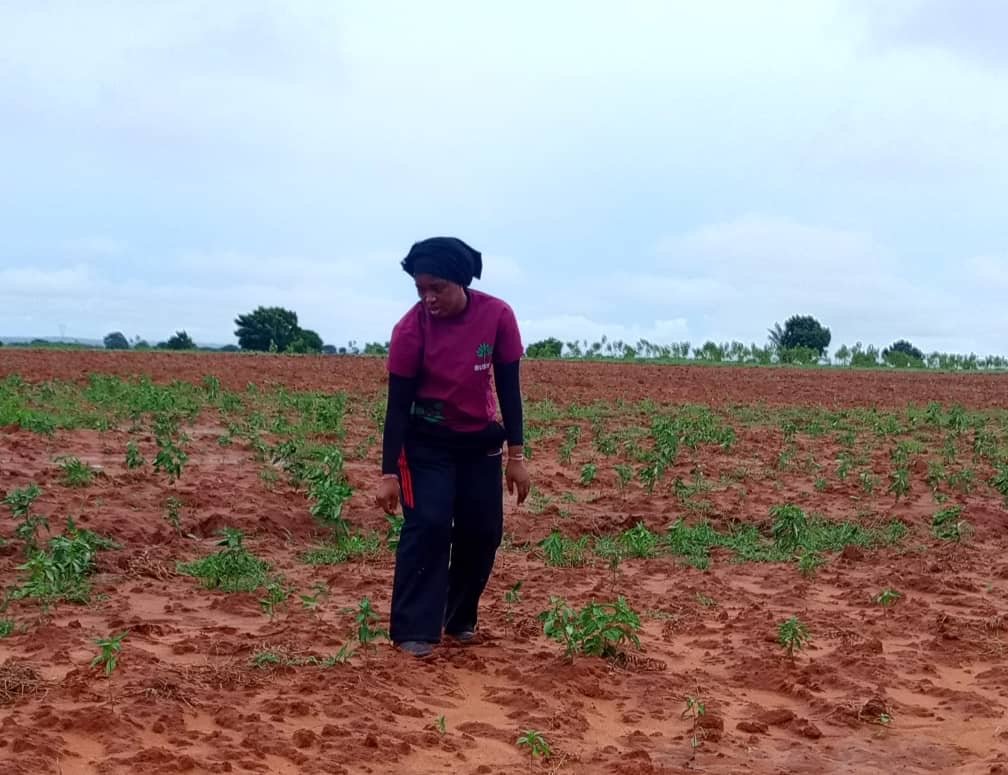
Born in Bawku in the Upper East Region, Bushira was raised in a family that valued education and discipline. She attended school in Bawku and Tamale Senior High School, studied Advanced French Language at the Ghana Institute of Languages and Bilingual Secretaryship at the University of Media, Arts and Communication, then earned an MPhil in Sustainability Science from the University of Ghana. Her childhood ambitions were journalism and space travel; but farming came unexpectedly.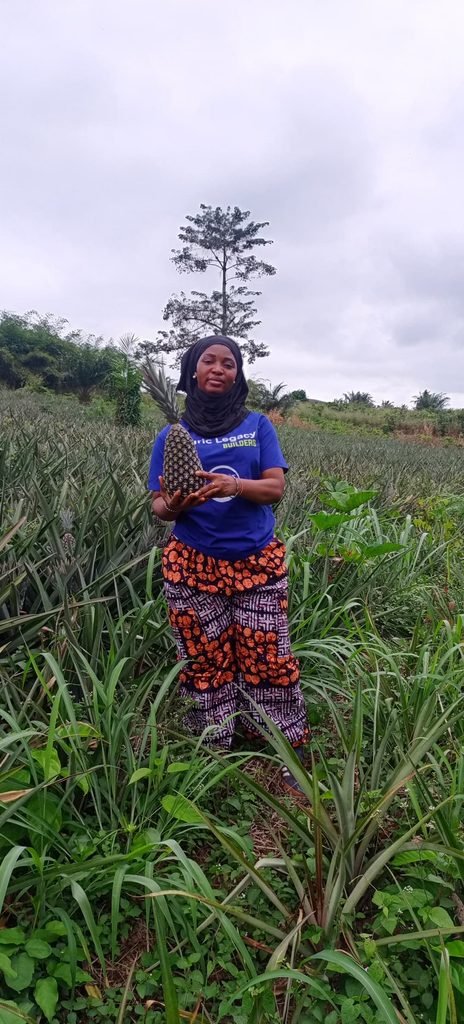
Bushira’s interest grew from seeing a gap in a sector essential to everyday life. She recognised agriculture’s untapped potential but believed youth participation and innovation were insufficient. To her, it offered much more than crop cultivation and animal rearing: it was a route to entrepreneurship, employment and wealth creation.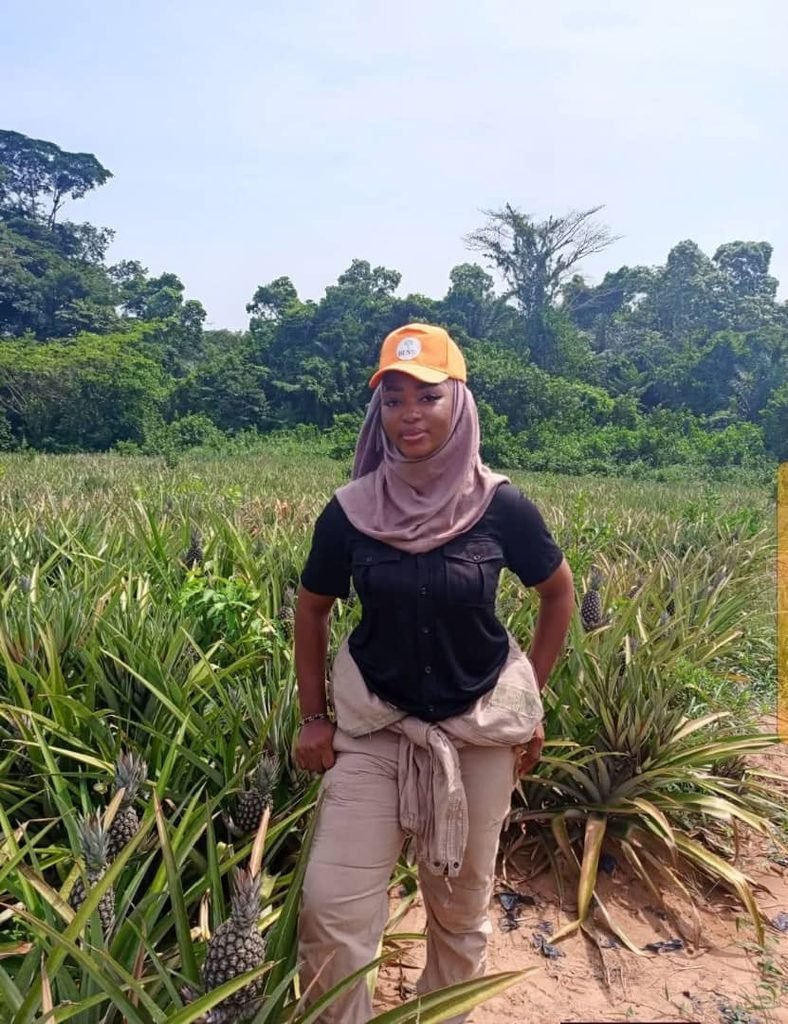
Her decision was not immediately understood. Her parents expected her to find an office job after her education, while some friends questioned her choice of farming. She remained convinced that the sector offered an opportunity worth pursuing.
Her journey began about eight years ago, during National Service, when she saved portions of her allowance to establish a business. After considering crops and livestock, she chose crop production. A trip to the mountains around Aburi inspired her to grow pineapples. She admired the plantations and recognised the crop’s commercial potential.
With her savings, she started despite having no practical farming experience. She learnt on the job, making mistakes and improving her methods. That first venture became the foundation of Bushara Bustan.
Her first major setback was losing an entire production, a financial and emotional blow that threatened the business.
She temporarily left farming, returned to corporate work, started a personal business and saved until she could rebuild. Eventually, she returned to the field.
Last year, an earth-moving machine destroyed part of her farm in an incident reportedly caused by a mistake. The damage attracted public attention and calls from concerned supporters. Despite promises of assistance, she says she received no help towards recovery.
She did not consider quitting. Other farms and ongoing production enabled her to continue. The experience reinforced her belief that entrepreneurs cannot always wait for outside support; sometimes they must work with the resources available.
Bushara Bustan has grown from a small pineapple venture into a diversified enterprise. Pineapple remains its main crop, alongside cassava, chilli pepper and ginger.
Bushira has also entered livestock and poultry through Horns and Wings Sustenance, which deals in chicken, turkey and goats, sold live or properly packaged.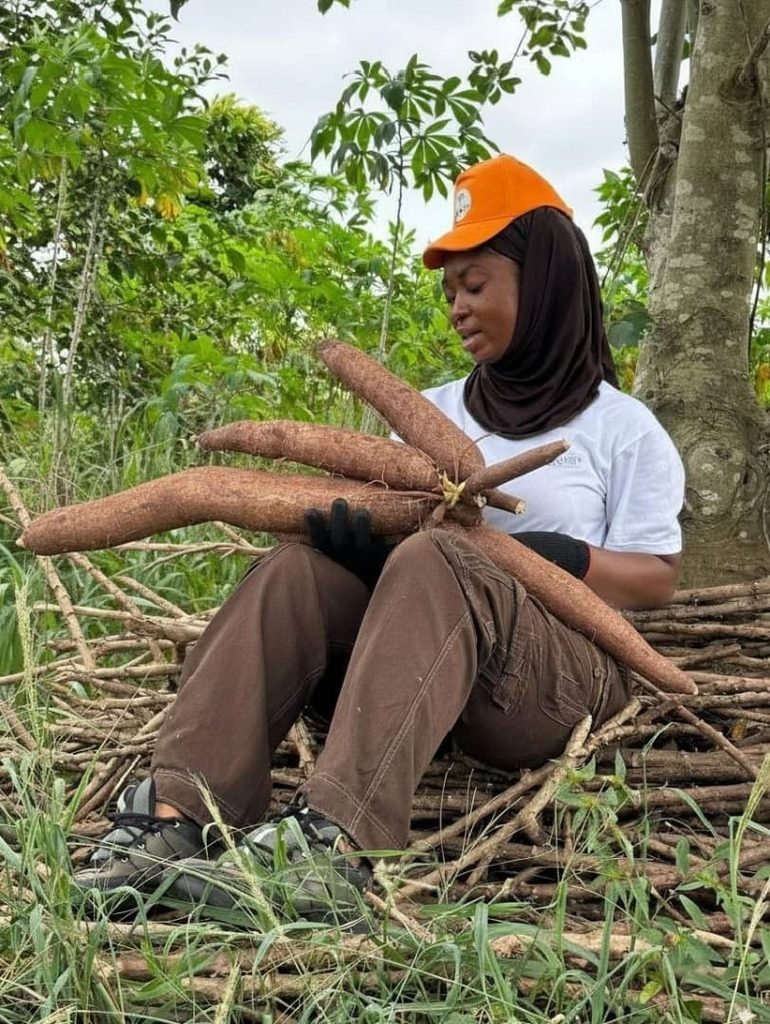
Farming’s reward, she says, is knowing her farms contribute food to people’s tables. Agriculture has also brought financial stability and opportunities in mentoring, teaching, consultancy and advocacy. Her day often begins at 5 a.m. with farm supervision.
Youth development is central to Bushira’s work. She founded ‘The Agreen Generation Blueprint’ to equip young people with practical agricultural skills and agribusiness knowledge. She also leads Agric Legacy Builders, a platform for sharing knowledge and connecting people through the experiences of those in the sector.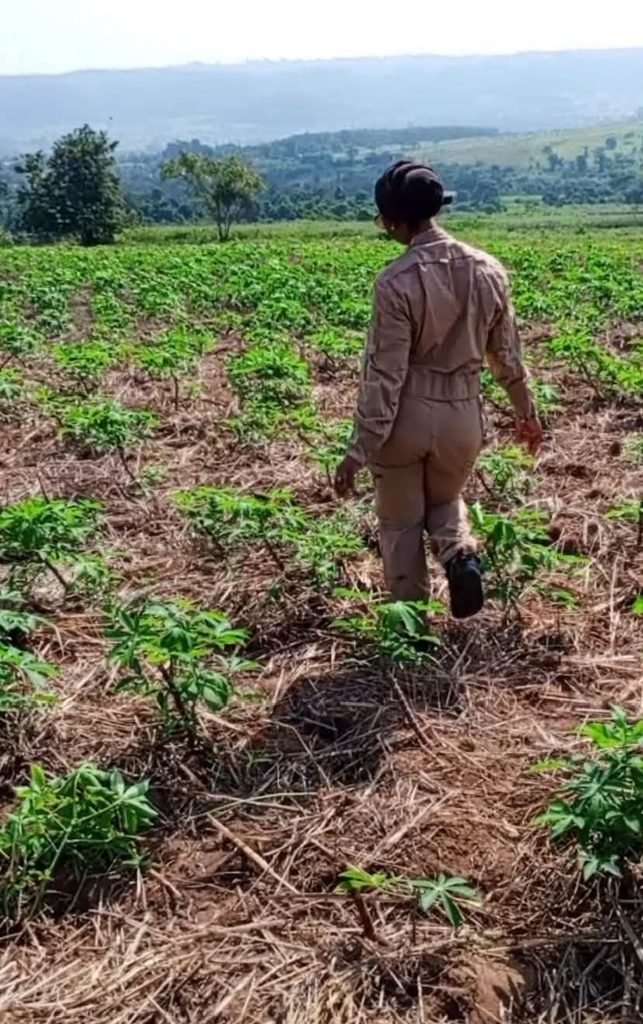
She wants young people to regard agriculture as a sector of choice, not a last resort.
As a woman in a traditionally male-dominated field, she has occasionally faced challenges managing farm workers. Some male workers, she says, have seemed reluctant to take her instructions seriously.
She suspects they assume she will not be firm enough to enforce decisions. She sees her leadership as a way to challenge stereotypes and show that women can run agricultural businesses.
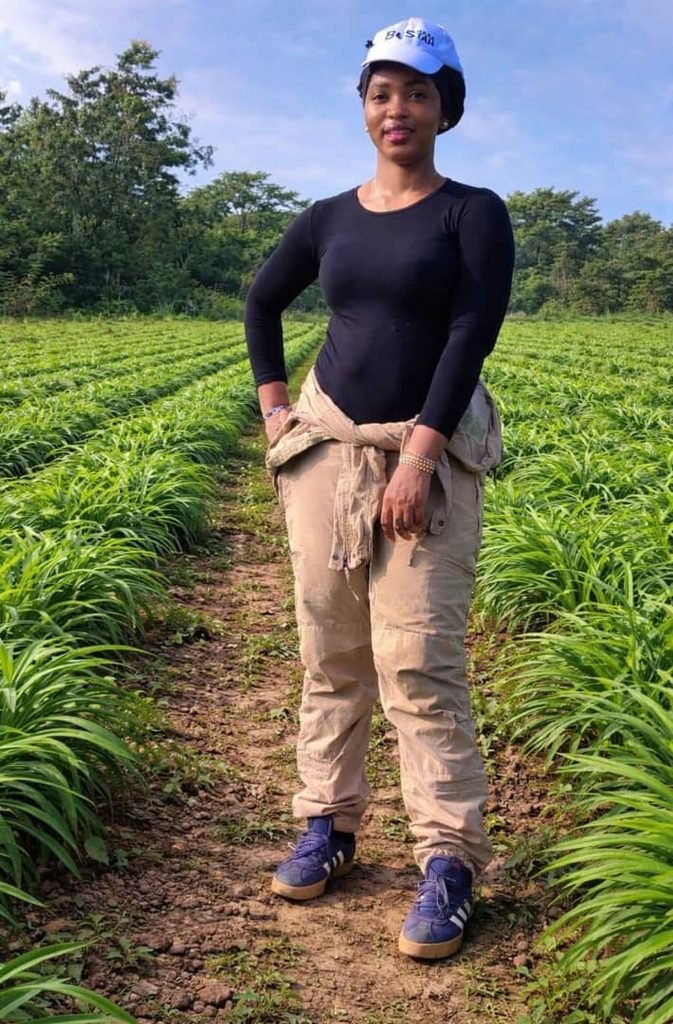
Bushira hopes to expand Bushara Bustan, increase production and improve market reach. She wants Horns and Wings Sustenance to become a reliable supplier of livestock and poultry products. Through The Agreen Generation Blueprint, she plans to reach more young people, especially women, with practical training and mentorship.
She wants her legacy associated with opportunity, impact and honesty. She believes success should not come at the expense of integrity.
Away from work, Bushira enjoys a quiet life, watching movies and resting at home. She sometimes visits the beach to relax. Her outlook is grounded in faith, hard work, contentment and treating others well.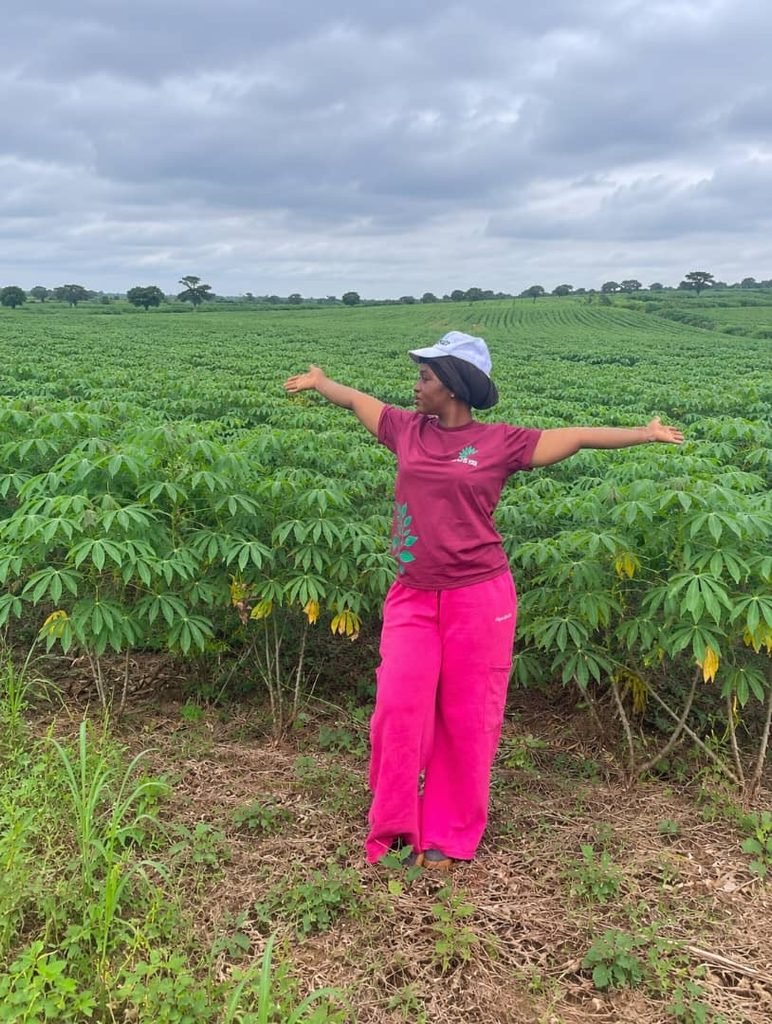
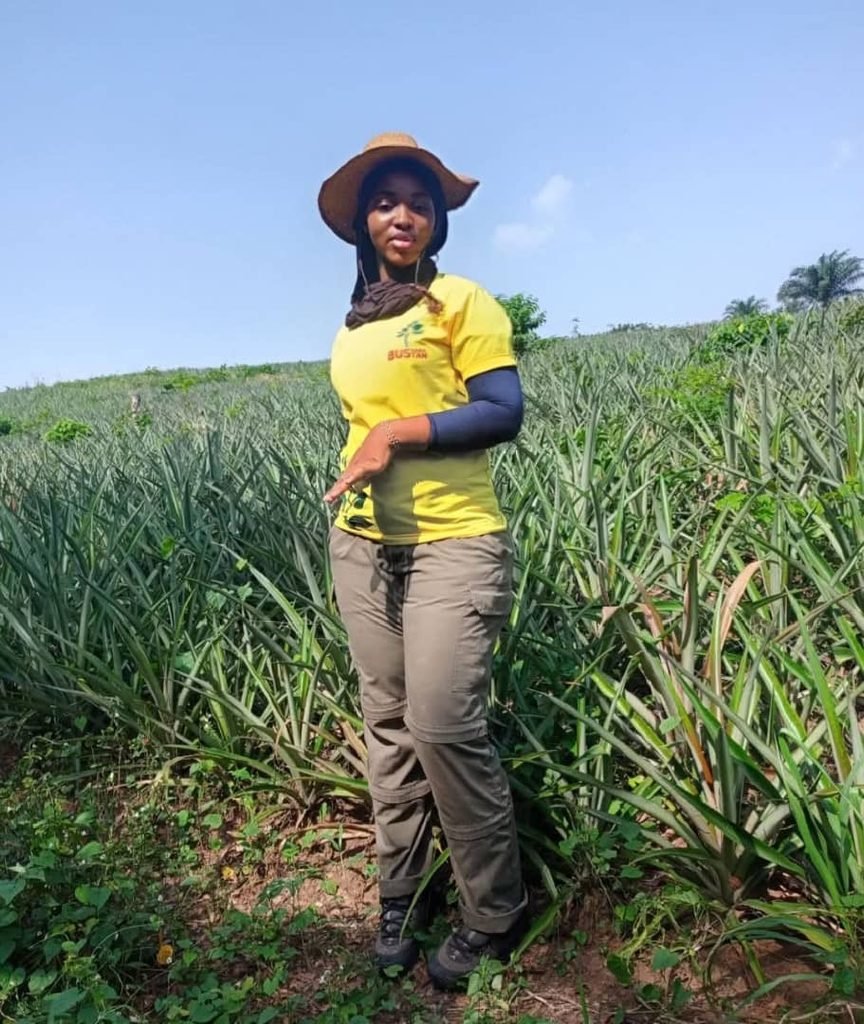
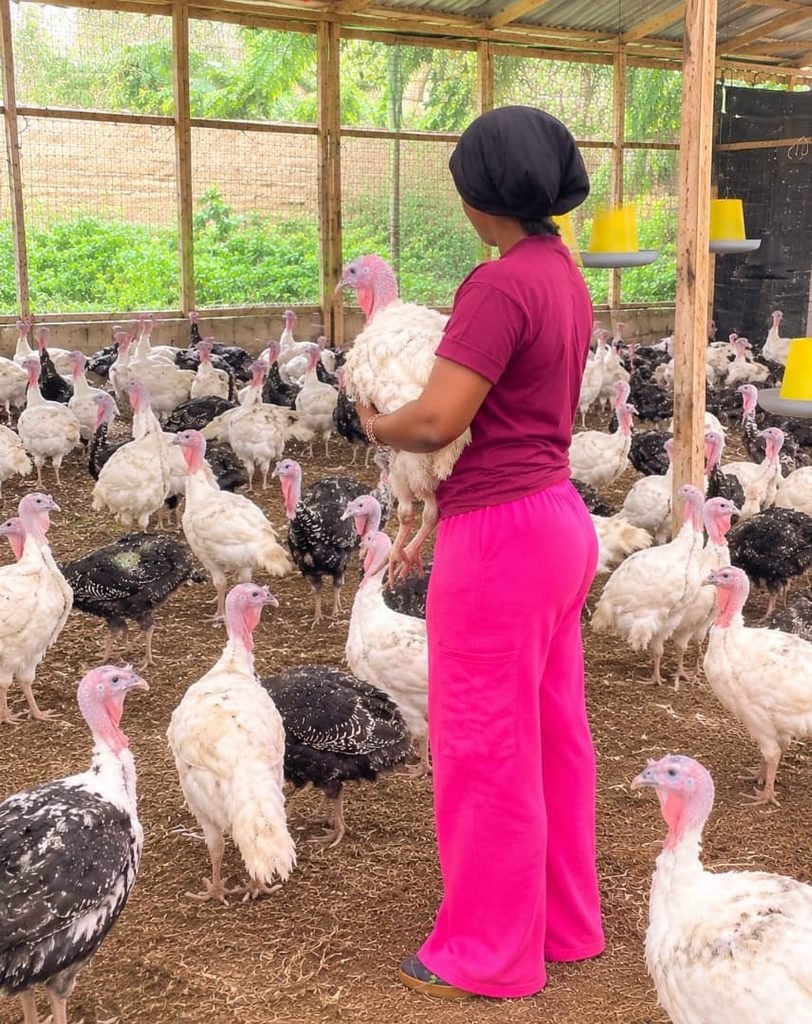
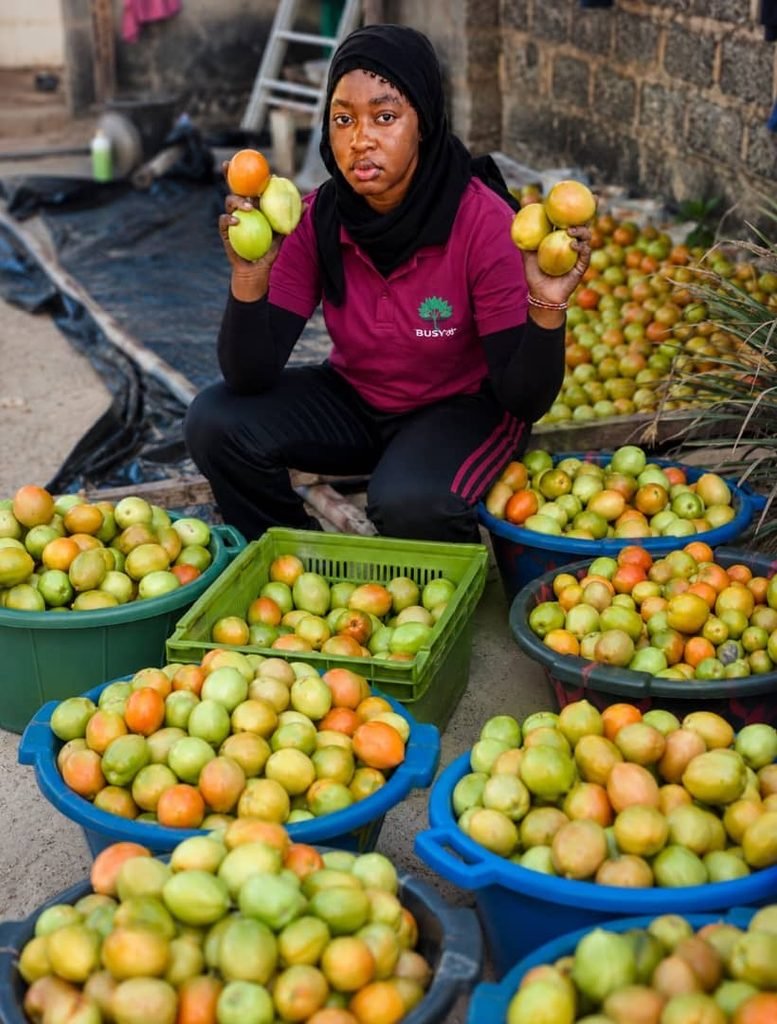
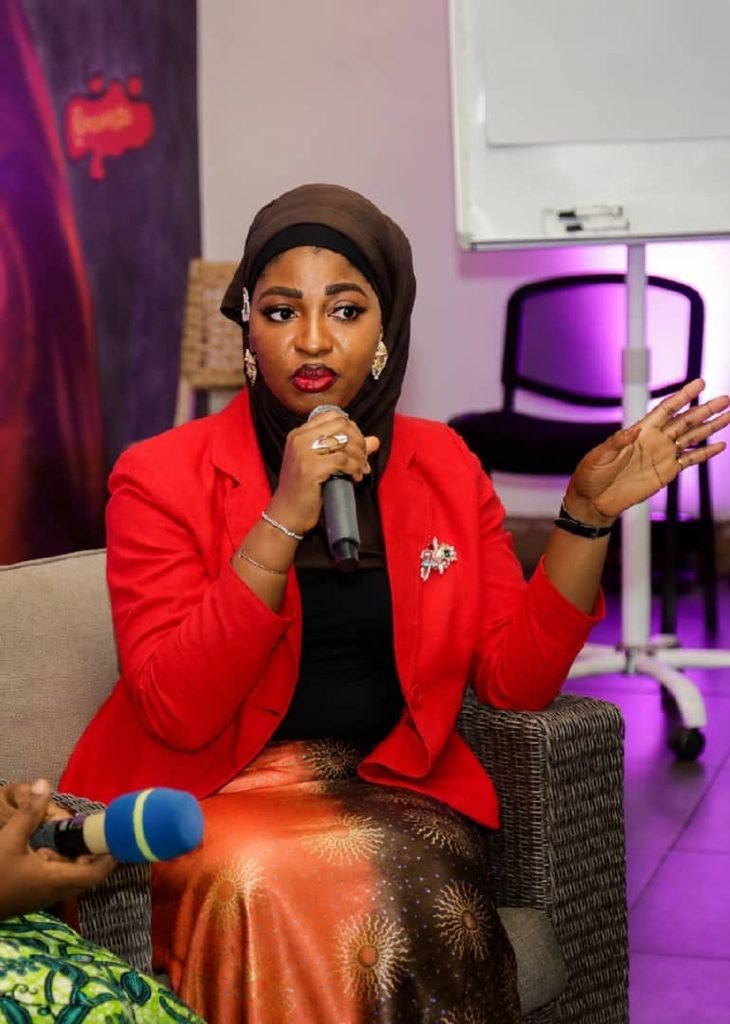
She urged young aspiring farmers to begin with what they have, keep learning and not let fear stop them.
“Farming demands patience, commitment and resilience. Young entrepreneurs also need access to land, affordable finance, practical training, mentorship, modern equipment and dependable markets,” she added.
By Esinam Jemima Kuatsinu
SKIP THE QUEUE, TAP THE NEWS
You can now read the Ghanaian Times and The Spectator newspapers from the comfort of your device via TimesNewsPlus.
Join our WhatsApp Channel: https://whatsapp.com/channel/0029VbBElzjInlqHhl1aTU27

 News1 week ago
Fiifi Boafo questions Health Minister over Korle-Bu patient who paid GH¢77,561 but had no bed
- News1 week ago
Council of State member calls for investment in cultural heritage preservation
- News1 week ago
Côte d’Ivoire introduces mandatory online registration for travellers from African countries