Nutrition
Healthy eating doesn’t have to be expensive


- /home/u249204778/domains/spectator.com.gh/public_html/wp-content/plugins/mvp-social-buttons/mvp-social-buttons.php on line 27
https://spectator.com.gh/wp-content/uploads/2026/08/A-Ghanaian-local-dish.jpg&description=Healthy eating doesn’t have to be expensive', 'pinterestShare', 'width=750,height=350'); return false;" title="Pin This Post">
- Share
- Tweet /home/u249204778/domains/spectator.com.gh/public_html/wp-content/plugins/mvp-social-buttons/mvp-social-buttons.php on line 72
https://spectator.com.gh/wp-content/uploads/2026/08/A-Ghanaian-local-dish.jpg&description=Healthy eating doesn’t have to be expensive', 'pinterestShare', 'width=750,height=350'); return false;" title="Pin This Post">
One of the most persistent myths about nutrition is that eating well is a luxury reserved for higher incomes. That healthy means imported, packaged, and pricey. The reality in Ghana tells a very different story.
Good nutrition starts with local food
Ghana is rich in nutrient-dense foods that are grown here and sold in markets every day: beans, cowpeas, groundnuts, kontonmire, alefu, okra, garden eggs, tomatoes, oranges, mangoes, pawpaw, millet, sorghum, yam, cocoyam, and small fish. Together, they supply the protein, vitamins, minerals, healthy fats, and fibre the body needs to grow, stay strong, and fend off chronic disease.
Many traditional Ghanaian meals are already nutritionally balanced by design. Beans with ripe plantain. Kontomire stew with boiled yam. Tuo zaafi with ayoyo and beans. Meal for meal, these often outperform processed convenience food and cost less doing it. Healthy eating rarely requires exotic ingredients; it starts with foods that have always been part of the culture.
So why does healthy eating still feel expensive?
Rising food prices, transport costs, and post-harvest losses all chip away at affordability. Fresh fruit, vegetables, fish, and eggs can get pricier at certain times of year, while heavily marketed processed foods stay cheap and everywhere. Busy schedules push people toward packaged convenience food that’s quick to prepare but often loaded with salt, sugar, and unhealthy fat. The lesson here: healthy eating isn’t only a personal choice. It is shaped by the food environment people live in.
Small changes, real savings
Families don’t need a diet overhaul overnight. A few consistent habits go a long way:
- Plan meals before shopping to buy only what’s needed and cut food waste.
- Buy fruits and vegetables in season, when prices are lowest.
- Add beans or other legumes to meals a few times a week as an affordable protein source.
- Swap sugary drinks for water and fresh fruit offering better nutrition at no extra cost.
A shared responsibility
Households can only do so much on their own. Governments, local authorities, and the private sector need to make the healthy choice the easy choice, too. That means investing in irrigation, storage, and transport to stabilise prices; supporting farmers to keep fresh produce flowing year-round; and building nutrition education and healthier food options into schools, workplaces, and public institutions.
Good nutrition should never be treated as a luxury. It’s the foundation of good health, learning, and productivity. When nutritious local food is within reach of every household, Ghana moves closer to a healthier, more productive future for everyone.
Feature article by Women, Media and Change under its Nourish Ghana: Advocating for Increased Leadership to Combat Malnutrition project

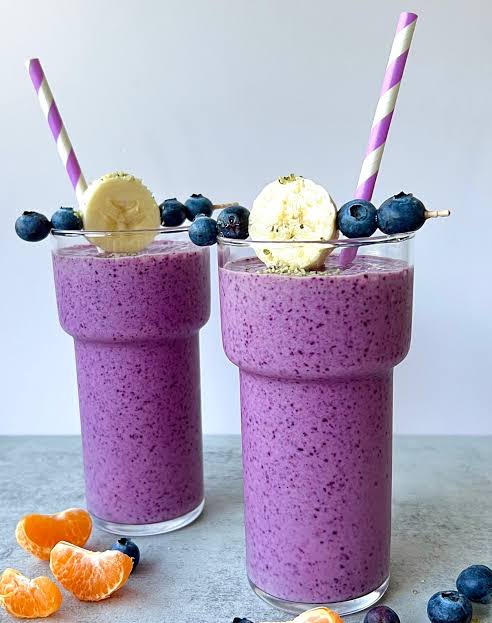
Ingredients
-1 cup of frozen blueberries
-1 medium of ripped banana (fresh or frozen)
-½ cup of plain or greek yogurt
-¾ cup of milk (dairy or plant-based)
-1 teaspoonful of honey or maple syrup (optional)
Preparation
-Wash all ingredients into a bowl
-Blend blueberries and banana.
-Add plain yogurt and cup of milk
-Blend on high speed until completely smooth and creamy.
-Pour into a glass and serve right away
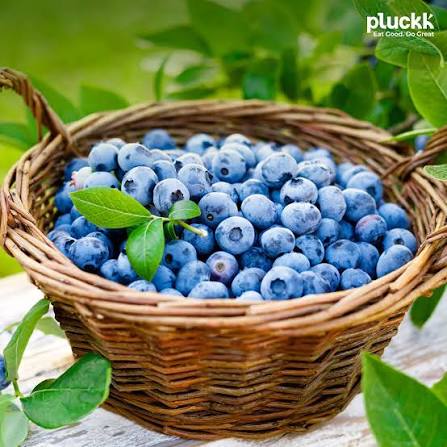
Blueberries have one of the highest antioxidant levels among commonly consumed fruit and vegetables. This is typically referred to as the ORAC score. They are extremely rich in naturally occurring plant compounds called phytochemicals, such as ellagic acid and anthocyanidins. These phytochemicals are responsible for the blue, indigo and red colouring of the berry. They have also been extensively researched for their protective properties.
-Controls blood pressure
Research has shown that anthocyanidins, which are found in berry fruits, supports the cardiovascular system. It supports the health of blood vessels and reducing the arterial stiffness associated with ageing. This is especially useful for post-menopausal women.
Reduce the risk of heart disease
The phytochemicals in blueberries have been seen to prevent oxidative damage to cholesterol. According to research rich in anthocyanins may help lower the risk of heart attacks.
-Regulates blood sugar
Blueberries are both low in sugar and a good source of fibre; as a result, they have a low glycaemic index (GI). This, together with their high flavonoid content, helpsimprove insulin sensitivity, which is important for managing blood sugar levels.
-Maintain eye health
Adding blueberries to diet regularly improve vision and guard against age-related macular degeneration. It improves blood and oxygen flow to the eyes, and the antioxidant protection help to reduce the likelihood of cataract and macular degeneration.
-Reduces gastrointestinal symptoms
Studies suggest the polyphenol and fibre content of blueberries help relieve gut symptoms and improve general well-being in those with abdominal symptoms from gut disorders.
– Ease urinary tract infection symptoms
Many people turn to berries such as cranberries to help prevent urinary tract infections (UTI). Blueberries contain similar compounds to those in cranberries. These compounds may help prevent the bacteria responsible for UTIs from adhering to the bladder wall.
-Reduce muscle damage after exercise
Strenuous physical activity or exercise may lead to soreness and inflammation. Consuming blueberries in a smoothie, for example, before and after such an event may help promote recovery and reduce inflammatory markers.
-Promote healthy ageing
A number of studies suggest that both whole blueberries, their juice and the concentrated powdered form may help reduce oxidative damage. Such damage is an inevitable part of everyday life, but is a key driver in ageing and the development of disease.Bbc.com

 Entertainment1 week ago
Fiifi Coleman Productions adapt ‘I Told You So’ stage play into feature film
- News1 week ago
48 Engineer Regiment to be major sub-contractor on Accra-Kumasi Expressway, $2bn ready- Prez Mahama
- Entertainment6 days ago
Rhythms On Da Runway returns November 28 with 16th edition themed ‘Unbound’