News
Residents, offices gather the pieces after heavy rains


Last week’s heavy rains that got parts of Accra heavily flooded have left residences and offices in difficult situations as they try to gather the remains of their properties.
“Life after the flood has been difficult because we have lost a lot of things; some were also destroyed. We are currently gathering the pieces left but as to whether they would serve any use, we can’t tell for now,” a resident of Adabraka told The Spectator on Wednesday.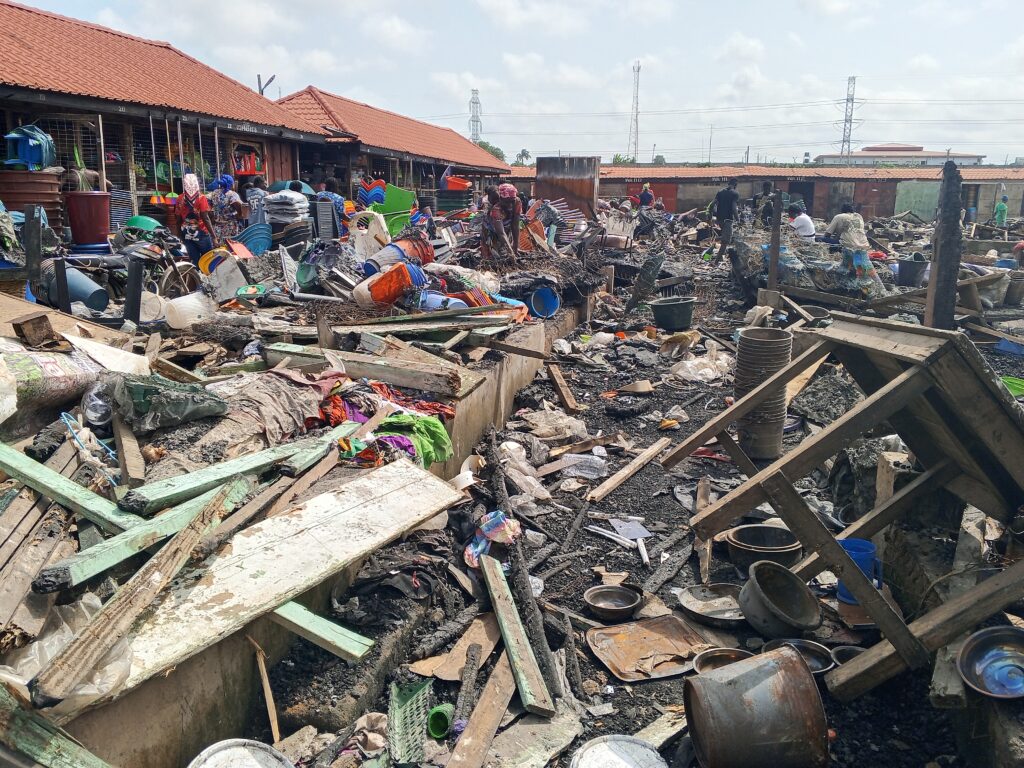


Along the North Industrial Area enclave, a number of office structures were flooded with water rising to unimaginable height.
The New Times Corporation (NTC) and other nearby establishments were not spared the flood ordeal as they became receptacles for excess water that were supposed to flow in the choked gutters around.
For workers of the NTC, the days after the flood were ones for cleaning and putting the offices in shape.
Staff had to get documents, furniture and other equipment dried, affecting production on the first day after the flood.
The situation was similar to what was seen in nearby offices where The Spectator visited.
Visits to some communities around ‘Circle’, Alajo, and Kaneshie revealed heaps of rubbish left behind by the flood waters.
In some of the areas, floodwaters have negatively impacted streets, gutters and homes with those areas littered with plastic waste, broken furniture, mud and other debris.


In some of the huge drains, vehicles were seen stuck in heavy mud.
This waste and stagnant pools of water have become a major concern for residents as they generated an unpleasant odour. A number of residents in the affected areas have since called for urgent intervention from local authorities.
Some residents said the waste has still blocked drains, increasing the risk of further flooding should the rains come again.
Others expressed concern that the accumulated rubbish could become breeding grounds for mosquitoes and thereby, expose the communities to diseases such as malaria and cholera.
At the Kwame Nkrumah Circle and Odawna market areas, traders continue to tidy up their stalls and shops.
By Linda Abrefi Wadie






News
GES directs Ashanti Regional, Obuasi Municipal Education Directors to step aside over Obuasi SHTS scandal

The Management of the Ghana Education Service (GES) has directed the Ashanti Regional Director of Education, Dr. William Amankrah Appiah, and the Obuasi Municipal Director of Education, Mr. Kwamena Owusu-Nketiah, to step aside with immediate effect.
The directive forms part of ongoing investigations into allegations of sexual misconduct involving the headmaster of Obuasi Senior High Technical School (SHTS), Mr. Zakaria Abdulai.
According to GES, the decision is intended to ensure that the investigations proceed without potential interference, nor the perception of it.
The two directors are to hand over their offices and all state property in their possession to the Deputy Ashanti Regional Director of Education, Mr. Thomas Kwame Boateng.
Management added that the headmaster, Mr. Zakaria Abdulai, also remains interdicted and therefore urged the public to ignore any news circulating that he has been cleared.
Management is calling for calm, support and cooperation as thorough investigations into the matter continue.
By Edem Mensah-Tsotorme
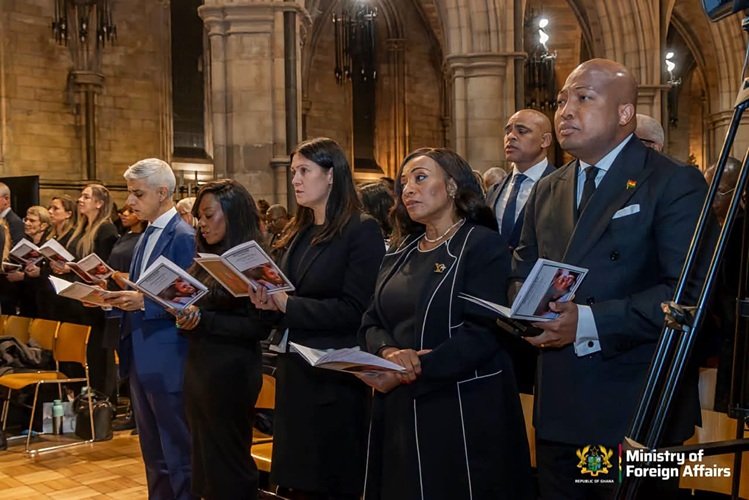
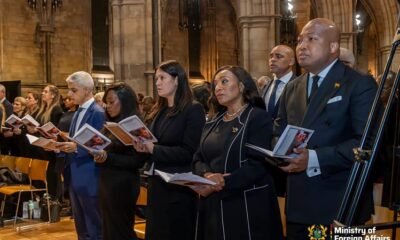
The Minister for Foreign Affairs, Samuel Okudzeto Ablakwa, has joined the family of the late Professor Jason Atta Kwei Arday, the Ghanaian community in the UK, and other dignitaries for a memorial service in Southwark, UK.
In a post, Mr. Ablakwa described the service as deeply moving and unforgettable, held in honour of the late professor’s memory.
According to him, in keeping with the government’s pledge, he joined the family, Ghana’s High Commissioner to London, British MPs, Ministers, the Mayor of London, Cambridge scholars, Prof. Arday’s students and loved ones to pay respects and honour his inspiring legacy.
Mr. Ablakwa noted that Prof. Arday’s accomplishments as the youngest Black professor appointed at the University of Cambridge and his widely appreciated charitable contributions will continue to inspire generations.
“The Government and People of Ghana will continue to stand by our compatriots everywhere they are in the world. As we do so, we profess our commitment to justice, equality and the creation of a new world,” he said.
He prayed for fortitude for the family in what he described as an extraordinarily difficult time.
“We shall always remember Prof. Arday for his response when asked what he will wish to do to change the world: ‘I would take a thread and a needle, and I’d interweave love into our society’,” Mr. Ablakwa added.
By Edem Mensah-Tsotorme