Gender
Digital violence: Victim awaits justice as campaign launches

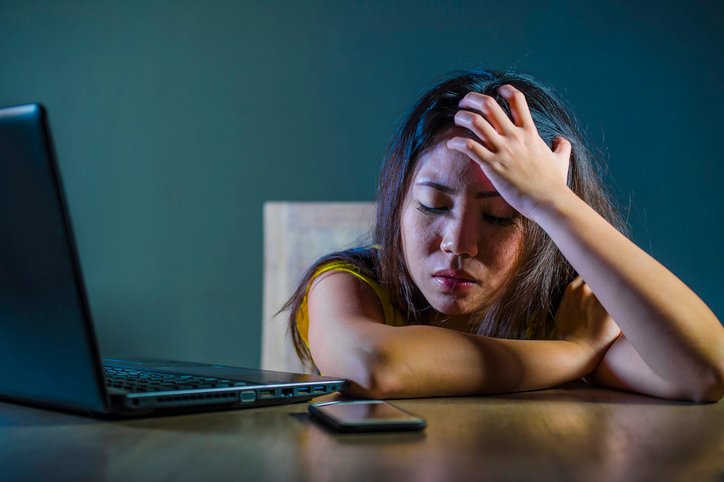
When Adjoa’s (not her real name) phone was hacked on November 16, 2025, the perpetrator demanded money in exchange for her private videos. The 20-year-old student had none to give, and within hours, the intimate content was circulating online.
Dr Agnes Naa Momo Lartey, the Minister for Gender, Children and Social Protection, launched the 2025 edition of the 16 Days of Activism against Gender-Based Violence at Kaneshie Market on November 25. The campaign, themed “Unite! End Digital Violence Against Women and Girls,” focused on addressing online harassment, sextortion, and image-based sexual abuse, which are increasingly significant forms of violence against women and girls in Ghana.
At the event, Dr Lartey cited national statistics, noting that the 2016 Domestic Violence Survey found 27.7% of Ghanaian women had suffered at least one form of domestic violence, while 32% of girls aged 15 to 24 still believed that wife-beating was justified. She described digital violence as a serious human rights violation that often goes unreported due to cultural norms placing women and girls at greater risk.
“The ministry is working to operationalise its shelters in Accra, as well as construct the 16 regional shelters promised by His Excellency within three years. The National Domestic Violence Policy has been approved by Cabinet, and a new Domestic Abuse Law is being drafted by the Attorney General’s Department,” Dr Lartey explained.
For Adjoa, the threats are already real. Her ordeal began innocuously on Snapchat when she shared her contact believing she was communicating with another young woman. It was later revealed that she was speaking to a man with malicious intent.
“The first thing he said was, ‘Your leaks or we talk business,’” Adjoa recalled. The man sent a link compromising her Snapchat account and demanded money. When she could only provide GH¢16.65, he escalated his demands, insisting on access to all her social media accounts. She refused, and he threatened, “I have uploaded it again. You can check it on Leaktube and Telegram.”
Within days, her videos circulated online with captions claiming she performed sexual acts for money—a claim she denies. Adjoa promptly reported the case to the Cybersecurity Division, providing links, screenshots, and the perpetrator’s number. Twelve days later, she received only a single update confirming the videos had been reported for takedown, and the content remains accessible.
Under Ghana’s Cyber Security Act 2020 (Act 1038) and the Criminal Offences Act, hacking, illegal access to computer systems, extortion, and non-consensual sharing of intimate images are criminalized. Adjoa’s case illustrates the slow pace of enforcement and the urgent need for swift action.
The psychological impact has been severe. “I can’t eat. I don’t want to talk to anyone. I can’t even bring myself to bathe,” Adjoa shared. She experiences suicidal thoughts and constant anxiety about who has seen her videos. Only the support of a few friends has helped her maintain some stability.
Adjoa advises young women to be cautious online: “Your privacy online is never guaranteed. Be careful who you trust. Not everyone who smiles at you on social media has good intentions.” She also encourages victims to report incidents immediately, emphasizing that documentation provides protection, support, and a chance for justice.
For government officials, Adjoa urges: “We need action, not just words. Young girls are vulnerable to online abuse, and stronger protections and faster responses are essential.” She stresses the need for systemic reform, faster removal of harmful content, stricter consequences for perpetrators, and better support systems including counselling and legal guidance.
The campaign brought together development partners, civil society organizations, transport sector leaders, and members of the public to intensify advocacy, strengthen community action, and promote protection for women and girls. While the 16 Days campaign aims to protect women and girls, for Adjoa, its impact is yet to be felt. For now, she waits.
Eyram M.A. Yorgbe is a postgraduate student at the University of Media, Arts and Communication, Ghana, and NLA University College, Norway.
By Eyram M.A. Yorgbe
Join our WhatsApp Channel now!
https://whatsapp.com/channel/0029VbBElzjInlqHhl1aTU27


When Ama Serwaa stepped out of her room that night, she paused at the doorway and looked back. Her two-year-old son was asleep, his tiny chest rising and falling gently. She bent, kissed his forehead and whispered, “Mummy will be back soon.”
It was a promise she never kept.
Ama was 28, seven months pregnant, and hopeful. She had been feeling unwell all day, but as many women do, she tried to endure it. When the bleeding started, fear crept in.
By the time her husband and neighbours realised it was serious, night had fallen and transport was hard to find. The nearest health facility was far away. Every minute felt like an hour.
By the time Ama arrived at the Ada district hospital, she was barely conscious. Within minutes, she was gone. Her unborn baby died with her.
In one night, a child lost his mother, a husband lost his wife, and a family lost its future. Ama became another silent statistics- another woman who left home pregnant and never returned alive.
Maternal mortality remains a challenge as far as reproductive healthcare services in Ghana are concerned.
The World Health Organisation (WHO) defines it as the death of a woman while pregnant or within 42 days of termination of pregnancy, regardless of the duration of the pregnancy, from any cause related to or aggravated by the pregnancy or its management but not from accidental or incidental causes.
This continues to be a great concern with majority of all maternal deaths occurring in developing Africa with more than half in Sub- Saharan Africa.
The Ghana Health Service (GHS) says, the country has recorded a slight increase in the institutional maternal mortality rate for 2024.
Data presented by the Director for Family Health, Dr Kennedy Brightson, at the Fifth National Maternal, Child Health, and Nutrition Conference in Accra shows a rise from 109.22 per 100,000 live births in 2023 to 110 per 100,000 live births in 2024.
Owing to the still high levels of maternal mortality in developing countries, especially Africa, it is now increasingly being recognised that actions required to achieve improvements in maternal health should involve comprehensive, multi-faceted approach.
Across Ghana, stories like Ama’s unfold quietly. There are no sirens, no headlines, no public mourning. Just hurried burials, unanswered questions and children growing up with fading memories of a mother’s voice.
It is this painful reality that formed the backdrop to a high-level Maternal Mortality Roundtable attended by the Minister for Gender, Children and Social Protection, Dr Agnes Naa Momo Lartey, as Ghana intensifies efforts to end preventable maternal deaths.
The roundtable, convened by the Office of the President through the SDGs Advisory Unit, in collaboration with the United Nations Population Fund (UNFPA) and the National Development Planning Commission (NDPC), was held under the theme: “No woman should lose her life to give a life.”
But for families like Ama’s, these words must mean more than fine speeches and conference banners. They must mean real change that reaches the last woman in the last village.
Speaking with emotion and urgency, Dr Lartey reminded participants that maternal mortality is not just a medical failure, but a failure of care, equity and accountability.
“Saving women’s lives must go beyond rhetoric,” she stressed. “It must be seen, felt and materialised in our communities, our clinics and our homes.”
She called for strong community accountability mechanisms, warning that when maternal deaths are normalised or hidden, society becomes complicit in the loss. Every woman who dies in childbirth, she noted, leaves behind a trail of grief that does not end at the grave.
“History will not judge us by the speeches we deliver today,” the Minister said quietly, “but by the lives we save through the path we take.”
She urged all stakeholders, government agencies, development partners, traditional and religious leaders to move beyond promises to clear commitments, timelines and responsibility, insisting that maternal health cannot remain an annual discussion while women continue to die daily.
Yet Dr Lartey was equally clear that the fight against maternal deaths also begins with women themselves. She urged pregnant women to take antenatal and postnatal care seriously, noting that many complications are preventable or manageable if detected early.
Health experts present acknowledged a painful truth: some women delay or skip antenatal visits because of distance, cost, fear or cultural beliefs. But these visits can be the thin line between life and death the place where danger signs are noticed before it is too late.
Dr Lartey reminded the nation that maternal health is not the burden of one ministry alone, but a shared moral responsibility — from policy makers to health workers, from chiefs to pastors, from husbands to neighbours.
“When women survive, children are born, families thrive, communities prosper and nations grow,” she said. “Saving women’s lives is not charity. It is justice.”
Today, Ama’s son calls his grandmother “Mama.” Her husband still keeps her cloth folded neatly in a box.
Her absence is felt in small, crushing ways an empty seat, an unanswered call, a child asking questions no one can answer.
Ama’s death should not be just another story told and forgotten. It should be a reminder and a warning.
If Ghana’s commitments remain words on paper, more women will leave home pregnant and never return. But if action replaces rhetoric, if women are supported to seek care, and if communities refuse to stay silent, then fewer families will have to whisper goodbye at a graveside.
By Esinam Jemima Kuatsinu
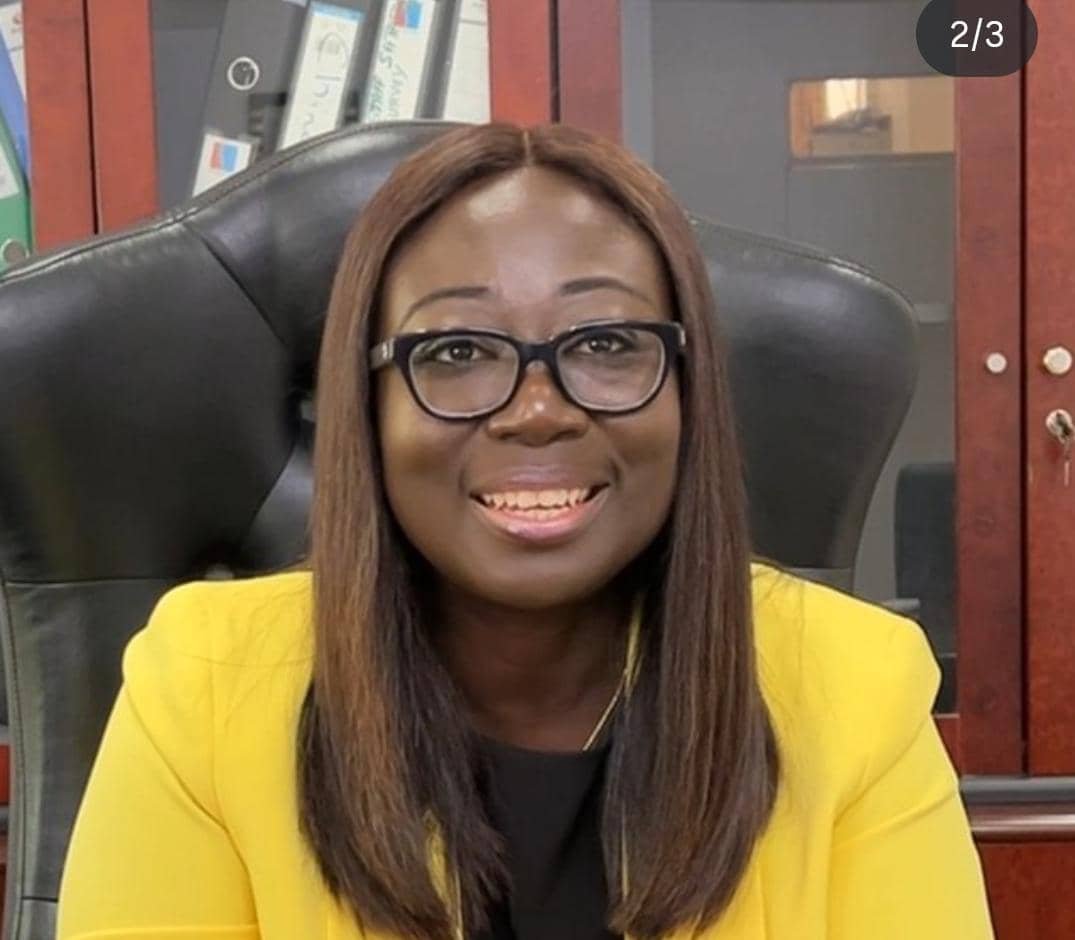
Dr. Akua Gyima Asante, the Medical Superintendent of the LEKMA Hospital, has urged pregnant women to attend regular antenatal clinics, adhere strictly to medical advice, and report early to health facilities when they notice any unusual signs.
She advised nursing mothers to practise exclusive breastfeeding, maintain good hygiene, and attend postnatal clinics to ensure the health and wellbeing of both mother and child.
Dr. Asante gave the advice after the LEKMA Hospital recorded nine successful deliveries on New Year’s Day, marking a positive start to the year.
She said the first delivery was recorded at 12:30 a.m., with five male babies and four female babies delivered during the day.
Six of the deliveries were normal, while three were conducted through caesarean section, Dr. Asante said, adding that the mothers and babies were in stable condition and responding well to medical care.
She commended the dedication and professionalism of the hospital’s healthcare staff for their role in ensuring safe deliveries and quality maternal care.
She reaffirmed LEKMA Hospital’s commitment to providing quality maternal and child healthcare services to residents of the Ledzokuku Krowor municipality and called for continued support to help the facility sustain its services. –GNA
Join our WhatsApp Channel now!
https://whatsapp.com/channel/0029VbBElzjInlqHhl1aTU27

 News6 days ago
CSP Catherine Gagakuma: The Firm, Fair, Fearless Officer in Charge at Awutu Camp Prison
- News1 week ago
Ghana Zambian Relations: President Mahama calls for economic reset and deeper cooperation
- News1 week ago
God has revealed Ghana’s next president, names Wontumi as NPP chairman- Nigel Gaisie