News
CSP Catherine Gagakuma: The Firm, Fair, Fearless Officer in Charge at Awutu Camp Prison


Chief Superintendent of Prisons (CSP), Catherine Mawunya Gagakuma, is a career prison officer whose dedication to discipline, service, and rehabilitation has defined her professional journey in the Ghana Prisons Service.
Since joining the service in 2012, CSP Gagakuma has steadily risen through the ranks, earning respect for her firm yet empathetic leadership style and her commitment to transforming correctional management in Ghana.
Her journey into the Ghana Prisons Service began with a desire to serve her country meaningfully. “I wanted to contribute to a system that not only enforces the law but also transforms lives,” she reflects. Over the years, this choice has shaped both her professional and personal growth, guiding her to a position that few women have attained.
CSP Gagakuma was drawn to corrections because it sits at the intersection of justice, humanity, and responsibility. “The Prisons Service is not only about custody; it is about correction, reform, and giving people the opportunity to return to society better than they left,” she explains. This vision has underpinned her career, from her early assignments to her current role as Officer in Charge of Awutu Camp Prison.
A defining moment in her professional growth came when she was posted to Awutu Camp Prison as the first female senior officer at the station and appointed local president of the Prison’s Ladies Association (PRILAS). “Being entrusted with this responsibility was both humbling and motivating,” she recalls. Leadership roles in inmate welfare and rehabilitation allowed her to develop a nuanced understanding of human behaviour, sharpen her decision-making skills, and strengthen her conviction that humane correction is the most effective form of correction.
As Officer in Charge of Awutu Camp Prison, Catherine shoulders immense responsibility, overseeing both staff and inmates while ensuring that the institution operates as a centre for rehabilitation rather than mere confinement. She emphasises that combining discipline with empathy is critical to maintaining order, fostering trust, and promoting rehabilitation among inmates.
Under CSP Gagakuma’s leadership, Awutu Camp Prison stands out for its focus on agricultural programmes, skill development, and rehabilitation. Inmates are given opportunities to learn responsibility, teamwork, and self-worth, creating an environment that prepares them for reintegration into society. “Many inmates respond positively when given responsibility and a genuine second chance,” she observes, emphasising that imprisonment need not hinder personal growth.
Being a woman in a traditionally male-dominated environment has presented its own challenges, but CSP Gagakuma views these as opportunities to strengthen resilience, confidence, and clarity of purpose. She credits her experiences with helping her cultivate emotional intelligence alongside firmness, a balance essential for managing both staff and inmates.
Her leadership style is described as “firm, fair, and affable.” She believes in leading by example, holding both herself and her team accountable while remaining approachable. “I listen carefully, but I also make decisive choices when required,” she notes. Supporting and motivating her officers is central to her philosophy. She fosters a culture of mentorship, open communication, recognition, and encouragement. “Motivated officers are the backbone of every institution,” she asserts. Recognising hard work and providing opportunities for professional development ensures that her team performs effectively while maintaining high ethical standards.
CSP Gagakuma’s work has also shaped her understanding of justice and rehabilitation. She believes that true justice must extend beyond punishment, preparing individuals to return to society better than when they entered the system. This philosophy is central to her approach at Awutu Camp, where the emphasis is on skill acquisition, behavioural change, and humane treatment.

Outside the prison walls, CSP Gagakuma stays grounded through faith, personal reflection, and strong connections with family, friends, and colleagues. These practices sustain her in a demanding career and inform her leadership with balance and perspective.
Looking ahead, she hopes her legacy will be one of discipline, empowerment, and humane correction. “I want to be remembered as a leader who strengthened discipline, promoted rehabilitation, empowered officers, and positively impacted the lives of inmates,” she says. Through her vision, Awutu Camp Prison is not just a facility for custody, but a beacon of ethical leadership, professional development, and transformative correction in Ghana.
By Jemima Esinam Kuatsinu
Join our WhatsApp Channel now!
https://whatsapp.com/channel/0029VbBElzjInlqHhl1aTU27








The state has closed its case in the Republic v Akonta Mining and two others.
The case was heard earlier today at the Accra Criminal Court, where state prosecutors and CID investigators from the Ghana Police Service closed the Republic’s case.
In all, the prosecution called three witnesses to prove its case, two former employees of Akonta Mining Company Limited and a detective from the Ghana Police Service.
According to an update on the case, the two former employees testified to Mr Bernard Antwi-Boasiako’s deep involvement in Akonta Mining Company’s alleged illegal mining activities in the Tano-Nimiri Forest Reserve.
The police detective tendered in evidence drone footage and other audio-visual materials and official communications in support of the testimonies of the two former Akonta Mining employees.
The accused persons, through cross-examination of the witnesses, sought to dissociate themselves from every mining activity in the Tano-Nimiri Forest Reserve.
At the close of the prosecution’s case, counsel for the accused persons asked the court to allow him to call the first prosecution witness back into the witness box for further cross-examination.
The court gave him up to Friday, October 30, to file a formal motion to recall the witnesses.
The case has been adjourned to November 4 for the motion to be heard.
By Edem Mensah-Tsotorme
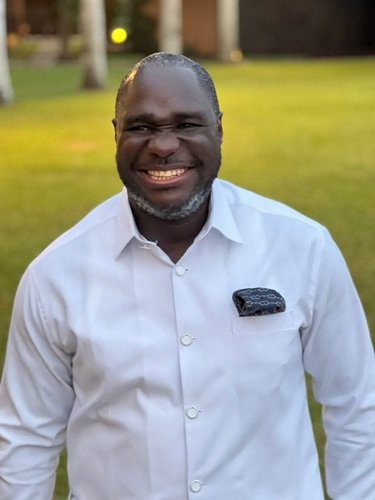
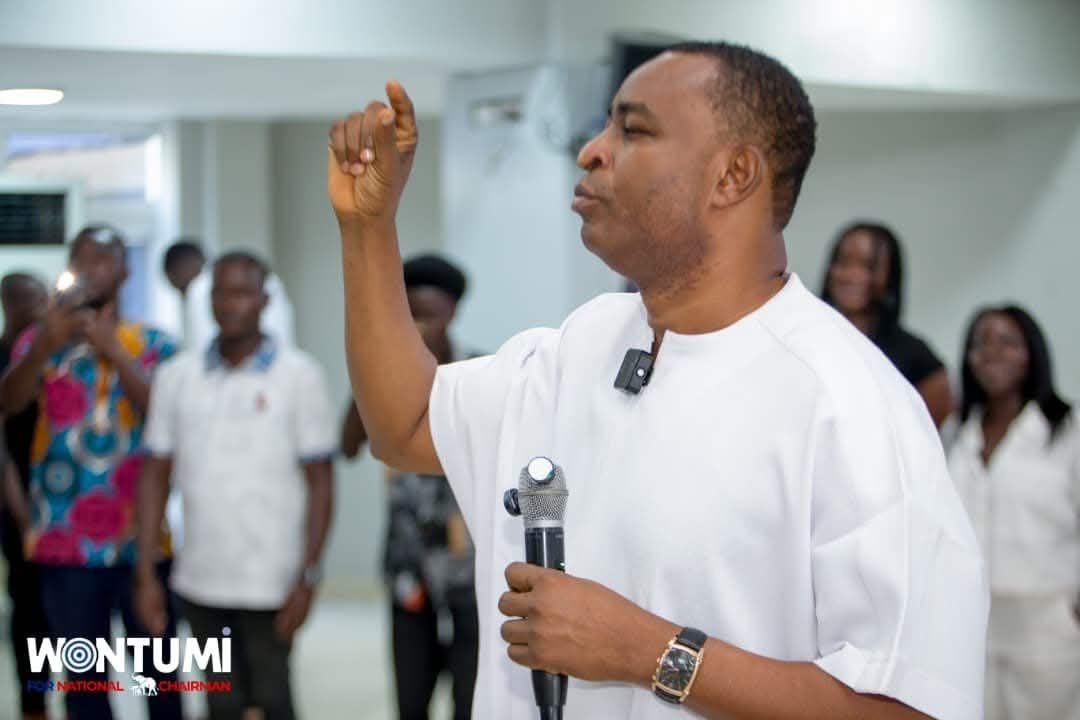
Dr Palgrave Boakye-Danquah, spokesperson to NPP Ashanti Regional Chairman Bernard Antwi Boasiako, popularly known as Chairman Wontumi, has called on the government and Parliament to undertake major reforms in Ghana’s prison system, including the construction of a dedicated prison hospital and the introduction of regulated conjugal visits.
In a press statement issued on Tuesday, October 27, 2026, Dr Boakye-Danquah shared Chairman Wontumi’s observations and recommendations following his remand on July 20, 2026.
According to the statement, Chairman Wontumi’s experience in prison has given him the opportunity to interact with prison officers and inmates and observe the challenges facing the Ghana Prisons Service.
The statement noted that the NPP chairman believes the correctional system must move beyond punishment to focus on rehabilitation, welfare and productivity.
One of his major concerns is the lack of dedicated, well-equipped prison hospitals, ambulances and standby generators in several prison facilities.
Dr Boakye-Danquah said Chairman Wontumi had raised concerns about the difficulties in providing medical care to seriously ill inmates, including those suffering from tuberculosis.
He is therefore calling for the construction of a modern prison hospital to serve facilities across the country. In the interim, he has proposed emergency arrangements with the 37 Military Hospital and the Police Hospital.
On the welfare of prison officers, Chairman Wontumi has urged the government to review their salaries, accommodation and conditions of service.
He has also called for proper classification of inmates, arguing that minor offenders should not be housed alongside armed robbery convicts and that persons facing trial for serious offences, including treason and terrorism, should be appropriately separated from other inmates.
The statement further highlighted concerns about the need for counselling and behavioural support for young inmates, particularly those serving sentences for defilement-related offences.
Chairman Wontumi has also called for a clear policy on the classification and management of LGBTQI+ inmates within the prison system.
On family relationships, he has proposed the creation of designated private areas where prisoners can receive visits from their spouses and children.
He believes regulated conjugal visits could help preserve marriages, reduce tension among inmates and support rehabilitation.
“The prisoner is the one in prison, not the children or spouse,” the statement noted, explaining his position on the need to protect family relationships during incarceration.
Chairman Wontumi has appealed to the Ministry of Food and Agriculture to support prison farms with the necessary equipment to improve food production.
According to the statement, the Ghana Prisons Service has access to vast lands and skilled labour but faces a shortage of agricultural equipment, with only one tractor reportedly available for farming and garbage-related activities.
He has further proposed greater collaboration between prison authorities and the justice sector, suggesting that regional prison commanders should be included in relevant discussions because of their knowledge of prison conditions and inmate rehabilitation.
On infrastructure, Chairman Wontumi has called on the government and private sector to invest in modern prison facilities and factories, arguing that the system has seen limited structural improvements over the years.
Appeal to Parliament
Dr Boakye-Danquah said Chairman Wontumi had made a special appeal to Parliament to lead efforts towards comprehensive prison reform.
He is urging the Speaker of Parliament to initiate discussions on prison conditions as a human rights and national development issue.
He has also called on the Majority and Minority caucuses to work together to pass a new Prison Reform Act and approve funding for a dedicated prison hospital, ambulance services, standby generators and agricultural equipment.
Additionally, he wants the Parliamentary Select Committees on Defence and Interior, Health, and Food and Agriculture to undertake working visits to prisons across the country to assess conditions firsthand.
According to the statement, Chairman Wontumi believes bipartisan cooperation between the Majority and Minority caucuses is necessary to secure the legal and financial reforms required to improve the prison system.
He has called for broader prison reforms across Africa, expressing hope that Ghana could lead the continent in improving correctional facilities.
Reflecting on his experience since July 20, Chairman Wontumi stated: “At this experience since July 20th till date, prison doesn’t reform as it should be. I pray that the entire Africa will learn from Ghana.”
The statement added that Chairman Wontumi remained in high spirits.
By: Jacob Aggrey