Nutrition
Leadership, accountability, and the urgent need to prioritise nutrition outcomes

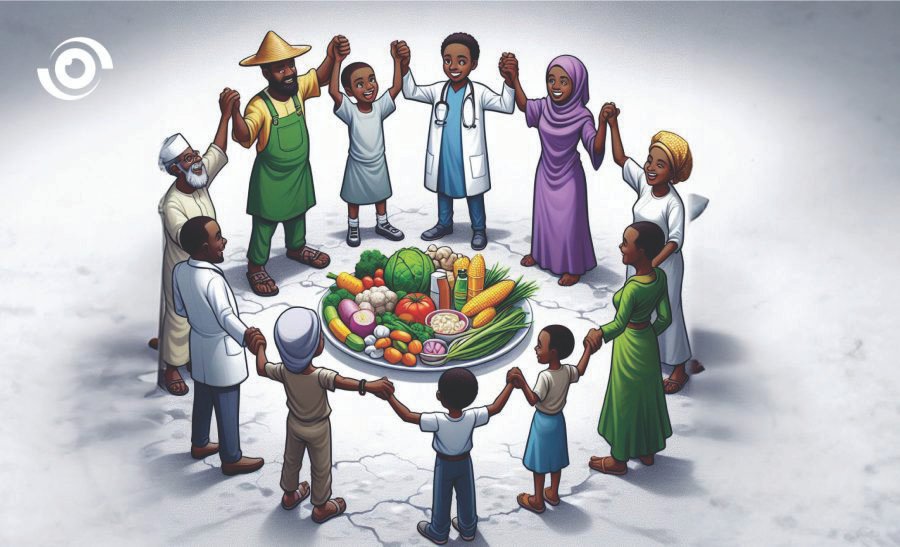
The persistence of malnutrition in Ghana raises important questions about leadership and accountability in nutrition governance. While technical expertise and donor support are available, progress remains uneven due to weak accountability mechanisms and limited political prioritisation.
Effective leadership for nutrition requires more than policy statements. It demands clear targets, sustained financing, and transparent monitoring systems.
Nutrition outcomes must be tracked and publicly reported, allowing citizens to assess government performance.
Accountability must extend across all levels of government. National leadership sets the tone, but district and regional authorities are responsible for implementation.
Strengthening leadership capacity at these levels is essential to ensure that national commitments translate into tangible results.
The media and civil society play a critical role in sustaining advocacy and demanding accountability.
By keeping nutrition on the public agenda, they help ensure that commitments are not forgotten once policy documents are launched.
Ghana’s development ambitions, including middle-income growth and human capital development, cannot be achieved while malnutrition persists.
Nutrition outcomes should be treated as indicators of governance effectiveness, alongside economic growth and infrastructure delivery.
Leadership that prioritises nutrition sends a powerful signal about national values and priorities. It demonstrates a commitment to equity, child survival, and long-term prosperity.
The fight against malnutrition is ultimately a test of leadership. Ghana has the knowledge, resources, and capacity to succeed. What is needed now is the political will to act decisively and hold institutions accountable for results.
Key policy recommendations: The Ghana Statistical Service should establish a National Nutrition Dashboard, publishing real-time data on stunting, wasting, and micronutrient deficiencies by district and region, updated quarterly and accessible to the public.
Parliament’s Public Accounts Committee (PAC) must conduct annual nutrition expenditure reviews, tracking budget allocations versus actual spending across all MDAs.
The Office of the President should institute an Annual National Nutrition Summit where Ministers and DCEs present progress reports, with independent evaluation by civil society organizations.
The National Commission for Civic Education (NCCE) should launch a “Nutrition Accountability Campaign” educating citizens on nutrition as a governance issue and how to demand action from elected officials. Media houses should be supported to develop specialized nutrition reporting units that investigate and expose gaps in service delivery.
Finally, the Auditor-General’s office should include nutrition programme audits in its annual work plan, examining value-for-money and impact of nutrition investments with findings presented to Parliament.
Feature article by Women, Media and Change under its Nourish Ghana: Advocating for Increased Leadership to Combat Malnutrition project
Join our WhatsApp Channel now!
https://whatsapp.com/channel/0029VbBElzjInlqHhl1aTU27



Ingredients
-Oil
-1 large onion
-2 cups of rice
-Salt
-2 cups of wheat
Preparation
-In a medium saucepan, heat oil over medium-low heat
-Add the onion and cook, stirring frequently, until soft and turns golden brown
-Wash rice and wheat and put into pan. Sauté for two to three minutes, until toasty and fragrant
-Add water and salt and allow to boil.
– Reduce heat to low and allow to simmer for 10 to 15 minutes until rice is tender and the water is absorbed.
-Taste the rice/wheat; if it is still a bit firm, add a few more tablespoons of water and cook a few more minutes.
-When the rice/wheat is ready, take it off the fire and serve hot
Benefits of wheat
–Improves digestion: High levels of insoluble fibre- wheat promotes regular bowel movements, prevent constipation, and support a healthy gut microbiome.
-Supports heart health: Whole-grain wheat helps lower LDL (bad) cholesterol, reduces blood pressure, and decreases the risk of stroke and heart disease.
-Aids weight management: Complex carbohydrates and dense fibre slow digestion, increase feelings of fullness, and help prevent sharp blood sugar spikes.
-Lowers type 2 diabetes risk: Steady glucose release and minerals like magnesium improve insulin sensitivity.
– Provides essential vitamins and minerals: Wheat supplies B vitamins, iron, magnesium, phosphorus, zinc, and selenium, which help build bones and boost immune function.
–Delivers Antioxidants: Compounds like phenolic acids, ferulic acid, and lutein protect cells from oxidative stress and support eye health.
SKIP THE QUEUE, TAP THE NEWS
You can now read the Ghanaian Times and The Spectator newspapers from the comfort of your device via TimesNewsPlus.
Join our WhatsApp Channel: https://whatsapp.com/channel/0029VbBElzjInlqHhl1aTU27

Ingredients
-4 cups of crushed corn
-1 cup of sugar
Method:
-Soak crushed corn for two or more days to ferment
-Boil the fermented corn for about 20-30 minutes until foamy substance is dried up
-Pour sugar in a saucepan and heat until almost burnt
-Strain water from the boiled corn and pour in the saucepan containing sugar
-Use a strainer to strain the chaff
-Allow to cool and store in refrigerator
– Serve with milk
By Linda Abrefi Wadie