Gender
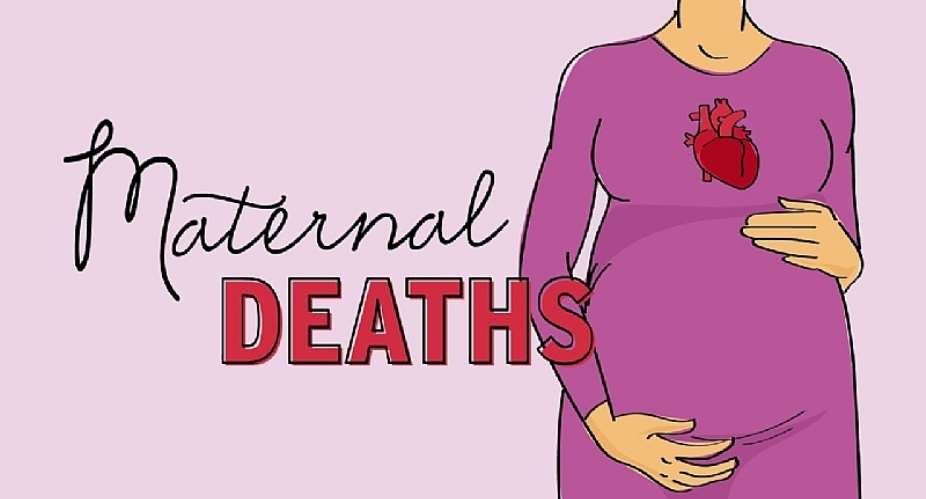
Ending maternal mortality: A national, moral duty to mothers

- /home/u249204778/domains/spectator.com.gh/public_html/wp-content/plugins/mvp-social-buttons/mvp-social-buttons.php on line 27
https://spectator.com.gh/wp-content/uploads/2026/01/Maternal-mortality-is-failure-of-care-equity-and-accountability.jpg&description=Ending maternal mortality: A national, moral duty to mothers', 'pinterestShare', 'width=750,height=350'); return false;" title="Pin This Post">
- Share
- Tweet /home/u249204778/domains/spectator.com.gh/public_html/wp-content/plugins/mvp-social-buttons/mvp-social-buttons.php on line 72
https://spectator.com.gh/wp-content/uploads/2026/01/Maternal-mortality-is-failure-of-care-equity-and-accountability.jpg&description=Ending maternal mortality: A national, moral duty to mothers', 'pinterestShare', 'width=750,height=350'); return false;" title="Pin This Post">
When Ama Serwaa stepped out of her room that night, she paused at the doorway and looked back. Her two-year-old son was asleep, his tiny chest rising and falling gently. She bent, kissed his forehead and whispered, “Mummy will be back soon.”
It was a promise she never kept.
Ama was 28, seven months pregnant, and hopeful. She had been feeling unwell all day, but as many women do, she tried to endure it. When the bleeding started, fear crept in.
By the time her husband and neighbours realised it was serious, night had fallen and transport was hard to find. The nearest health facility was far away. Every minute felt like an hour.
By the time Ama arrived at the Ada district hospital, she was barely conscious. Within minutes, she was gone. Her unborn baby died with her.
In one night, a child lost his mother, a husband lost his wife, and a family lost its future. Ama became another silent statistics- another woman who left home pregnant and never returned alive.
Maternal mortality remains a challenge as far as reproductive healthcare services in Ghana are concerned.
The World Health Organisation (WHO) defines it as the death of a woman while pregnant or within 42 days of termination of pregnancy, regardless of the duration of the pregnancy, from any cause related to or aggravated by the pregnancy or its management but not from accidental or incidental causes.
This continues to be a great concern with majority of all maternal deaths occurring in developing Africa with more than half in Sub- Saharan Africa.
The Ghana Health Service (GHS) says, the country has recorded a slight increase in the institutional maternal mortality rate for 2024.
Data presented by the Director for Family Health, Dr Kennedy Brightson, at the Fifth National Maternal, Child Health, and Nutrition Conference in Accra shows a rise from 109.22 per 100,000 live births in 2023 to 110 per 100,000 live births in 2024.
Owing to the still high levels of maternal mortality in developing countries, especially Africa, it is now increasingly being recognised that actions required to achieve improvements in maternal health should involve comprehensive, multi-faceted approach.
Across Ghana, stories like Ama’s unfold quietly. There are no sirens, no headlines, no public mourning. Just hurried burials, unanswered questions and children growing up with fading memories of a mother’s voice.
It is this painful reality that formed the backdrop to a high-level Maternal Mortality Roundtable attended by the Minister for Gender, Children and Social Protection, Dr Agnes Naa Momo Lartey, as Ghana intensifies efforts to end preventable maternal deaths.
The roundtable, convened by the Office of the President through the SDGs Advisory Unit, in collaboration with the United Nations Population Fund (UNFPA) and the National Development Planning Commission (NDPC), was held under the theme: “No woman should lose her life to give a life.”
But for families like Ama’s, these words must mean more than fine speeches and conference banners. They must mean real change that reaches the last woman in the last village.
Speaking with emotion and urgency, Dr Lartey reminded participants that maternal mortality is not just a medical failure, but a failure of care, equity and accountability.
“Saving women’s lives must go beyond rhetoric,” she stressed. “It must be seen, felt and materialised in our communities, our clinics and our homes.”
She called for strong community accountability mechanisms, warning that when maternal deaths are normalised or hidden, society becomes complicit in the loss. Every woman who dies in childbirth, she noted, leaves behind a trail of grief that does not end at the grave.
“History will not judge us by the speeches we deliver today,” the Minister said quietly, “but by the lives we save through the path we take.”
She urged all stakeholders, government agencies, development partners, traditional and religious leaders to move beyond promises to clear commitments, timelines and responsibility, insisting that maternal health cannot remain an annual discussion while women continue to die daily.
Yet Dr Lartey was equally clear that the fight against maternal deaths also begins with women themselves. She urged pregnant women to take antenatal and postnatal care seriously, noting that many complications are preventable or manageable if detected early.
Health experts present acknowledged a painful truth: some women delay or skip antenatal visits because of distance, cost, fear or cultural beliefs. But these visits can be the thin line between life and death the place where danger signs are noticed before it is too late.
Dr Lartey reminded the nation that maternal health is not the burden of one ministry alone, but a shared moral responsibility — from policy makers to health workers, from chiefs to pastors, from husbands to neighbours.
“When women survive, children are born, families thrive, communities prosper and nations grow,” she said. “Saving women’s lives is not charity. It is justice.”
Today, Ama’s son calls his grandmother “Mama.” Her husband still keeps her cloth folded neatly in a box.
Her absence is felt in small, crushing ways an empty seat, an unanswered call, a child asking questions no one can answer.
Ama’s death should not be just another story told and forgotten. It should be a reminder and a warning.
If Ghana’s commitments remain words on paper, more women will leave home pregnant and never return. But if action replaces rhetoric, if women are supported to seek care, and if communities refuse to stay silent, then fewer families will have to whisper goodbye at a graveside.
By Esinam Jemima Kuatsinu

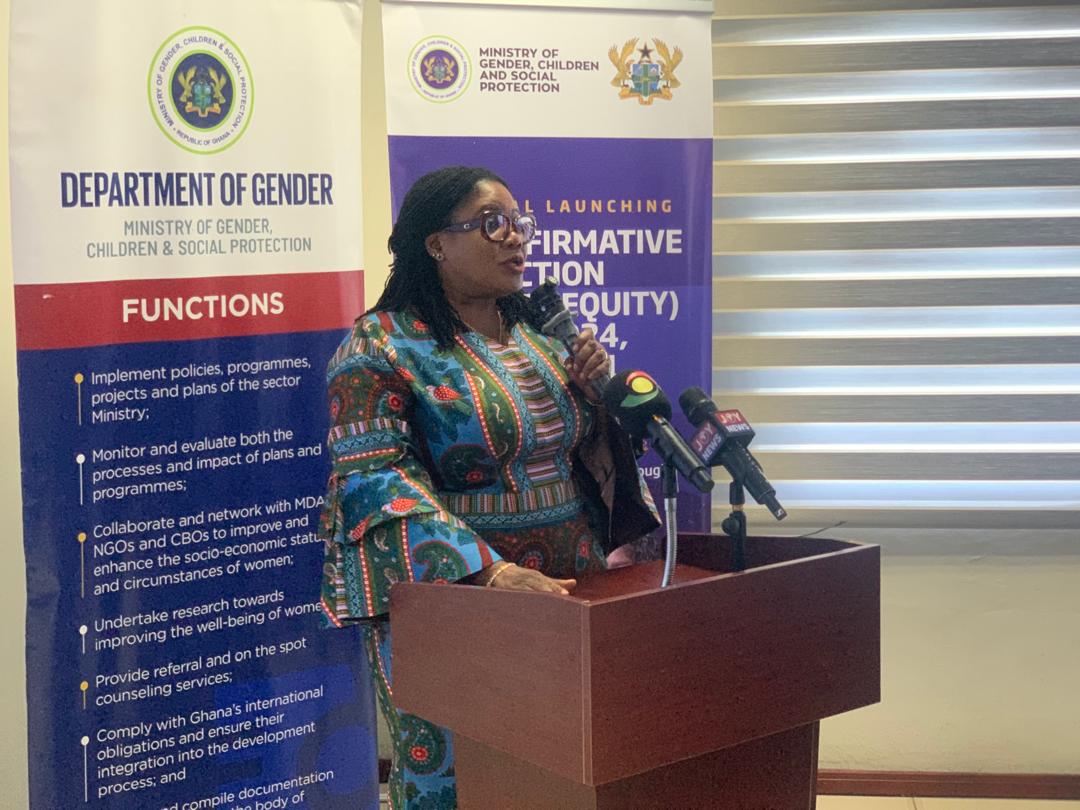
Gender equality should not be left to women alone, but requires the active participation of men and other stakeholders, the Minister for Gender, Children and Social Protection, Dr Agnes Naa Momo Lartey, has said.
She said gender equality was a national development issue and not a matter concerning only women, stressing that both men and women had important roles to play in creating an inclusive society.
Dr Lartey said this last Thursday in Accra at a capacity workshop on the implementation of the Affirmative Action (Gender Equity) Act, 2024.
The workshop was aimed at helping journalists understand the provisions of the Act, strengthen their capacity to communicate gender equity issues and promote accurate, balance reporting on the implementation of the Act.
Ghana could not achieve meaningful development if one section of society was excluded from participating fully in leadership, decision-making and other areas of national development.
“It is not about a group of people. It is not about one of the sexes. It is about the nation. It is about the country,” she said.
She called for stronger commitment to translating the Affirmative Action (Gender Equity) Act, 2024 (Act 1121), into practical action to improve women’s participation in leadership and decision-making.
She said the passage of the law should not be considered the end of the process, but rather the beginning of deliberate efforts to ensure that its objectives were achieved.
Dr Lartey said increasing the number of women in leadership was important, but their participation must also have a meaningful impact on national development.
“We want it to count,” she stressed, calling for practical initiatives that would move the affirmative action agenda from policy to implementation.
The Executive Director of Women, Media and Change (WOMEC), Dr Charity Binka, also urged the media to play a critical role in ensuring the effective implementation of the Act.
She said Ghana had taken an important step by passing the law after 13 years of efforts, but the real test was its implementation.
According to Dr Binka, the Act requires 30 per cent representation of women in leadership and decision-making by 2026, rising to 50 per cent by 2030.
She urged the media to inform the public about the law, monitor institutions’ compliance and challenge stereotypes that undermine women’s leadership.
Dr Binka urged journalists to ensure institutions were complying with requirements, including Gender Equity Policies, Compliance Certificates and annual reports.
She said affirmative action was not about replacing merit with gender, but addressing structural barriers that had historically limited qualified women’s opportunities to participate and lead.
She called for stronger collaboration among government, civil society, traditional and religious leaders, the private sector, the media and other stakeholders to turn the law into measurable results for women and girls.
By Esinam Jemima Kuatsinu
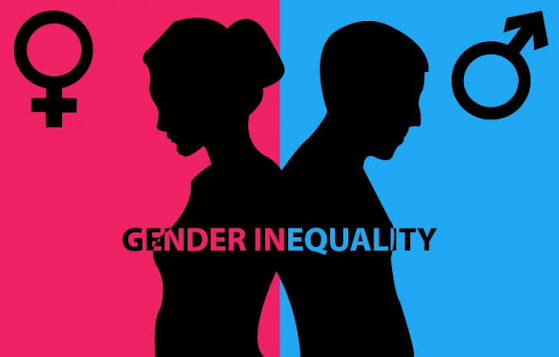
The United Nations has warned, that Gender equality is “woefully off track.”
At the current rate of progress, gender equality would take 171 years to achieve, the UN’s Gender Snapshot report said.
The number of countries with a woman as head of state or government has increased from 2020 to 2026. “Yet six in seven countries are still led by men.
Women’s representation in national cabinets declined to 22.4 per cent in 2026, after peaking at 23.3 per cent in 2024,” the report said. “The decline is a warning sign that gains cannot be taken for granted, and that progress towards equal political power remains fragile.”
Funding for gender equality has fallen to its lowest level since 2021, the report found. At the same time, 42 per cent of UN agencies reported that their efforts to promote gender equality had been weakened, as a result of budget cuts.
Millions of women also continued to endure some extremely severe forms of violence and discrimination across the globe, the UN said. Nearly one in five girls is married before the age of 18, and nearly one in three women globally have survived partner or sexual violence in their lifetime.
In the past year, 316 million women experienced physical or sexual violence by an intimate partner, the report said.
UN Under-Secretary-General for Economic and Social Affairs, Li Junhua, said the statistics were not inevitable. “It is the result of choices, made visible through data. Investing in gender equality, institutions, and the statistical systems that hold them to account is not a cost. It is the fastest route back to the 2030 Agenda’s promise of equal power for all.”-GNA
SKIP THE QUEUE, TAP THE NEWS
You can now read the Ghanaian Times and The Spectator newspapers from the comfort of your device via TimesNewsPlus.
Join our WhatsApp Channel: https://whatsapp.com/channel/0029VbBElzjInlqHhl1aTU27