Nutrition
Benefits of groundnut oil

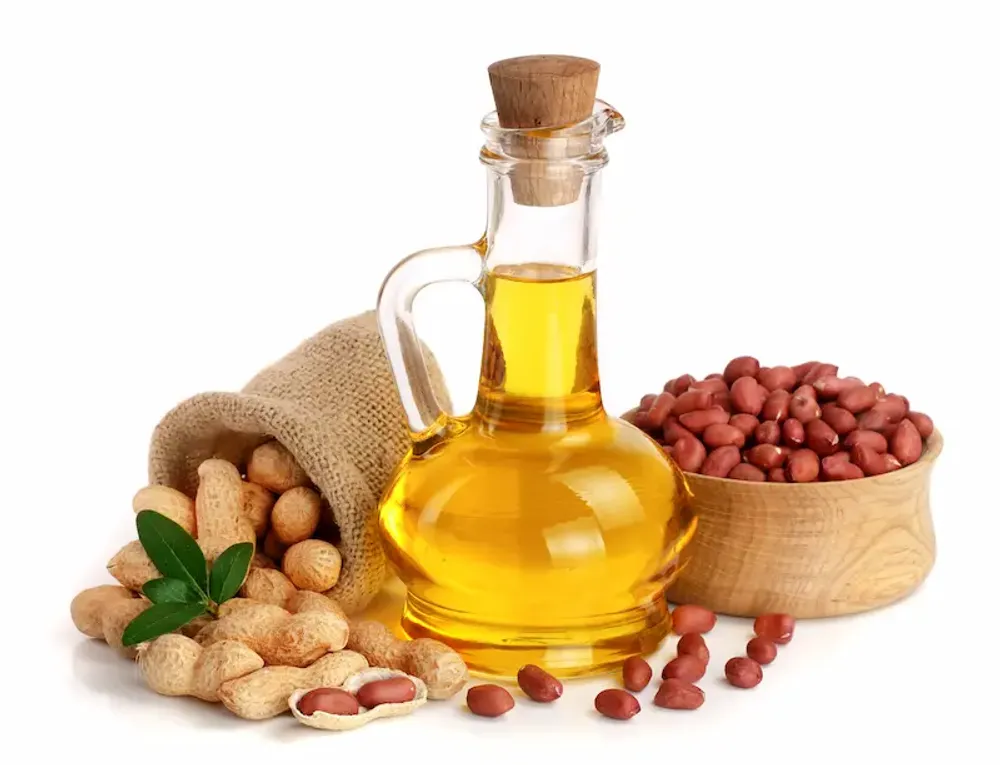
Groundnut oil has essential nutrients. It is rich in monounsaturated and polyunsaturated fats, which are considered heart-healthy fats. Additionally, it contains vitamin E, an antioxidant that supports healthy skin and eyes. Groundnut oil also provides phytosterols, plant compounds that help lower cholesterol levels, and resveratrol, known for its anti-inflammatory properties.
– Heart Health
The high content of unsaturated fats in groundnut oil makes it an excellent choice for heart health. These fats help reduce bad cholesterol levels (LDL cholesterol) and increase good cholesterol levels (HDL cholesterol), thereby reducing the risk of heart diseases.
-Rich in antioxidants
Wood Pressed Groundnut oil contains vitamin E, a potent antioxidant that protects cells from oxidative stress. Antioxidants play a crucial role in neutralising harmful free radicals in the body, reducing the risk of chronic diseases like cancer and diabetes.
-Aids digestion
Groundnut oil is gentle on the digestive system, making it easy to digest. It also helps in the absorption of fat-soluble vitamins like A, D, E, and K, promoting overall digestive health.
-Boosts immune system
The presence of antioxidants and anti-inflammatory compounds in wood pressed groundnut oil enhances the immune system’s ability to fight off infections and diseases.
– Weight management
Despite being calorie-dense, cold pressed groundnut oil can be part of a balanced diet. Its healthy fat content helps in making you feel full and satisfied, reducing overall calorie intake.
– Stable at high temperatures
Groundnut oil has a high smoke point, making it ideal for deep frying and high-heat cooking methods. Unlike some other oils, it does not break down and release harmful compounds at high temperatures.
Using groundnut oil can contribute to your overall well-being. However, like all oils, moderation is key. It’s important to use any oil, including groundnut oil, in moderation to maintain a balanced and healthy diet.
In conclusion, groundnut oil stands as a testament to nature’s bounty, offering not only a delightful culinary experience but also a myriad of health benefits.


Ingredients
-Oil
-1 large onion
-2 cups of rice
-Salt
-2 cups of wheat
Preparation
-In a medium saucepan, heat oil over medium-low heat
-Add the onion and cook, stirring frequently, until soft and turns golden brown
-Wash rice and wheat and put into pan. Sauté for two to three minutes, until toasty and fragrant
-Add water and salt and allow to boil.
– Reduce heat to low and allow to simmer for 10 to 15 minutes until rice is tender and the water is absorbed.
-Taste the rice/wheat; if it is still a bit firm, add a few more tablespoons of water and cook a few more minutes.
-When the rice/wheat is ready, take it off the fire and serve hot
Benefits of wheat
–Improves digestion: High levels of insoluble fibre- wheat promotes regular bowel movements, prevent constipation, and support a healthy gut microbiome.
-Supports heart health: Whole-grain wheat helps lower LDL (bad) cholesterol, reduces blood pressure, and decreases the risk of stroke and heart disease.
-Aids weight management: Complex carbohydrates and dense fibre slow digestion, increase feelings of fullness, and help prevent sharp blood sugar spikes.
-Lowers type 2 diabetes risk: Steady glucose release and minerals like magnesium improve insulin sensitivity.
– Provides essential vitamins and minerals: Wheat supplies B vitamins, iron, magnesium, phosphorus, zinc, and selenium, which help build bones and boost immune function.
–Delivers Antioxidants: Compounds like phenolic acids, ferulic acid, and lutein protect cells from oxidative stress and support eye health.
SKIP THE QUEUE, TAP THE NEWS
You can now read the Ghanaian Times and The Spectator newspapers from the comfort of your device via TimesNewsPlus.
Join our WhatsApp Channel: https://whatsapp.com/channel/0029VbBElzjInlqHhl1aTU27

Ingredients
-4 cups of crushed corn
-1 cup of sugar
Method:
-Soak crushed corn for two or more days to ferment
-Boil the fermented corn for about 20-30 minutes until foamy substance is dried up
-Pour sugar in a saucepan and heat until almost burnt
-Strain water from the boiled corn and pour in the saucepan containing sugar
-Use a strainer to strain the chaff
-Allow to cool and store in refrigerator
– Serve with milk
By Linda Abrefi Wadie