News
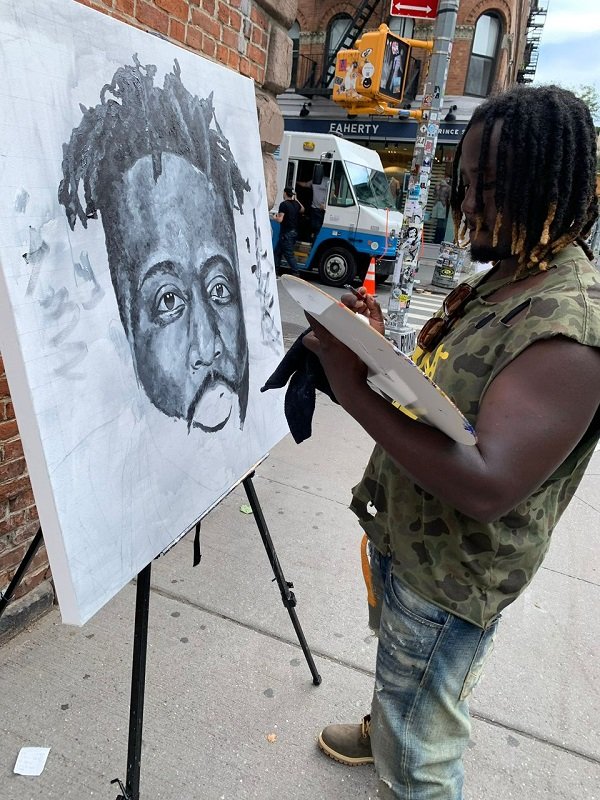
Painting with purpose: The journey of Anthony Jefferson Hanson

- /home/u249204778/domains/spectator.com.gh/public_html/wp-content/plugins/mvp-social-buttons/mvp-social-buttons.php on line 27
https://spectator.com.gh/wp-content/uploads/2026/02/Anthony-painting-on-the-streets-of-U.S.A-600x600.jpg&description=Painting with purpose: The journey of Anthony Jefferson Hanson', 'pinterestShare', 'width=750,height=350'); return false;" title="Pin This Post">
- Share
- Tweet /home/u249204778/domains/spectator.com.gh/public_html/wp-content/plugins/mvp-social-buttons/mvp-social-buttons.php on line 72
https://spectator.com.gh/wp-content/uploads/2026/02/Anthony-painting-on-the-streets-of-U.S.A-600x600.jpg&description=Painting with purpose: The journey of Anthony Jefferson Hanson', 'pinterestShare', 'width=750,height=350'); return false;" title="Pin This Post">
ANTHONY Jefferson Hanson is an award-winning Ghanaian artist and muralist whose journey reflects courage, creativity, and calculated risk. Known for his striking portraits, live paintings, and large-scale murals, Anthony has built a name for himself by daring to step into rooms where he was not invited—and leaving those rooms transformed.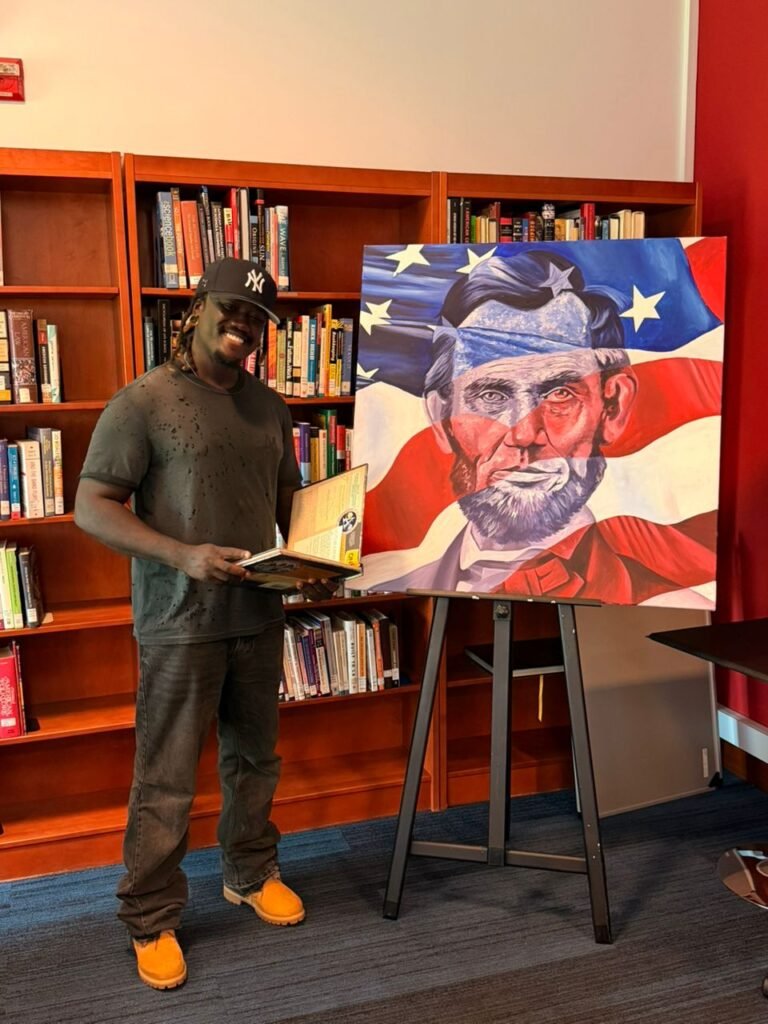
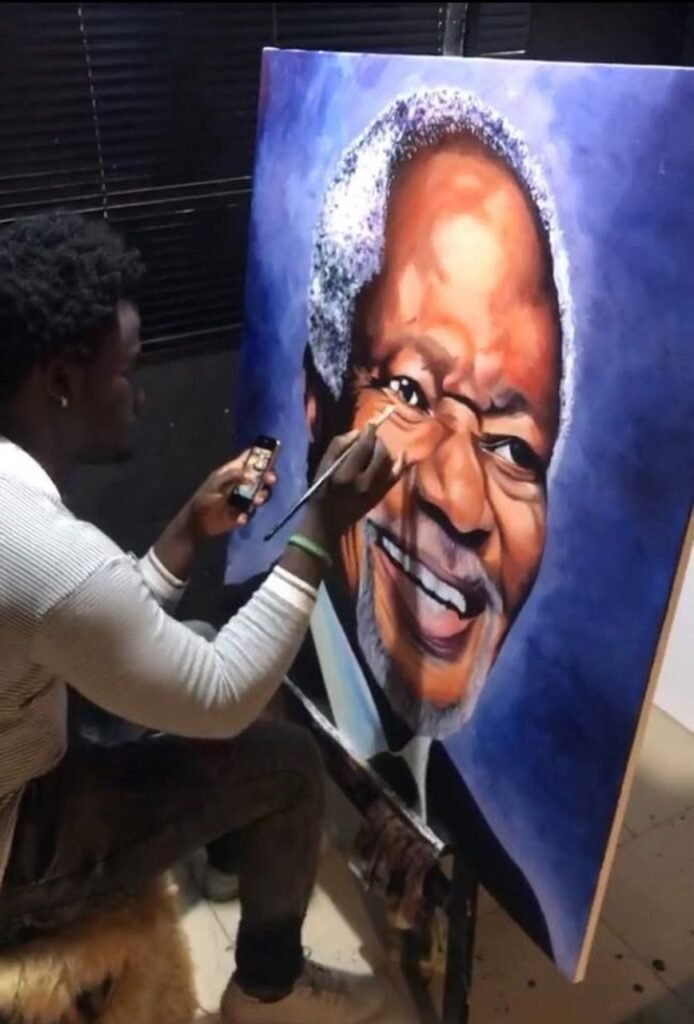
From an early age, art was more than a subject in school; it was survival, identity, and ambition. While others were still deciding what they wanted to become, Anthony was already designing assignments for classmates and exploring different forms of visual expression. Graphic design, tattoo artistry, painting, and special effects makeup—he embraced them all. To him, art was never limited to one medium; it was a language.
Anthony, also known as Ashenso_gh, began his professional journey as a tattoo artist, viewing the human body as a living canvas. He approached tattooing not just as decoration, but as storytelling—a transfer of knowledge from canvas to skin. His skill quickly earned attention, and he went on to tattoo and paint for notable personalities.
But he wanted more than recognition; he wanted impact. His boldness often set him apart. On one occasion, he waited for hours just to meet a filmmaker, armed only with a sketchpad and belief in his talent. That single opportunity led him onto film sets, where he expanded his role into graphic design, poster creation, and special effects makeup, improvising materials when necessary and learning on the job. Anthony built his career not by waiting for perfect conditions, but by creating them.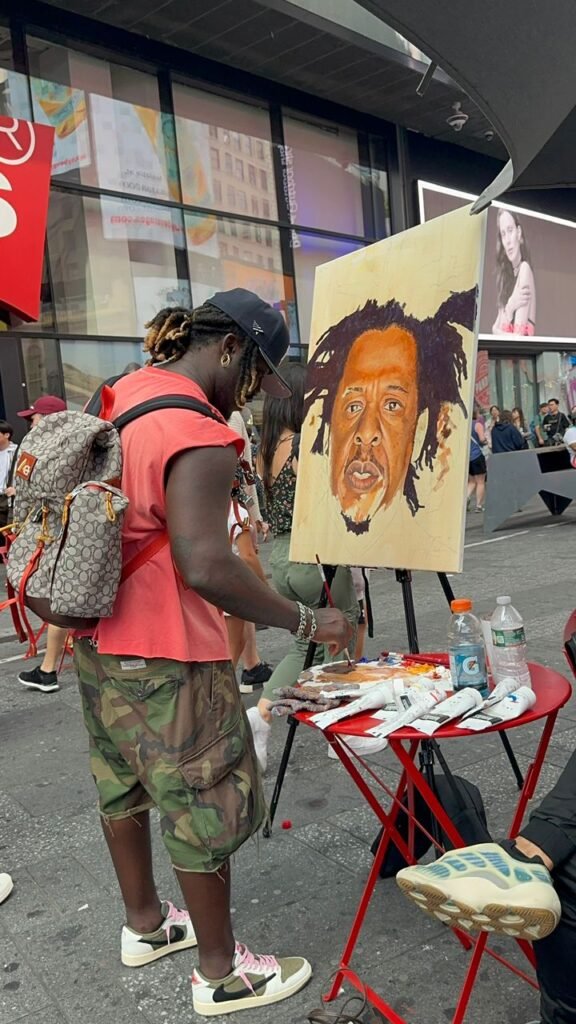
A defining moment in his career came when he painted a portrait of then-Prince Charles during a visit to the United Kingdom. Years later, when Charles ascended the throne as King, Anthony resurfaced the artwork, which eventually gained attention and was presented as a congratulatory gesture from Ghana. What began as a personal artistic vision became a diplomatic cultural bridge. That moment underscored Anthony’s mindset: always think ahead. Always ask, “What’s next?”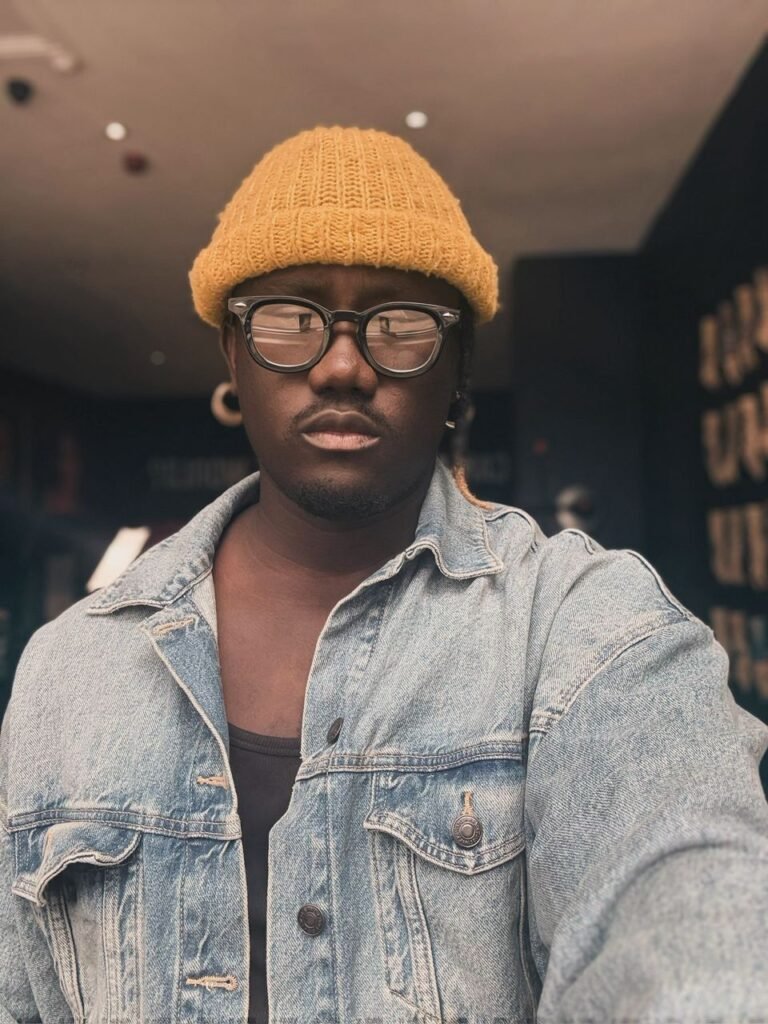
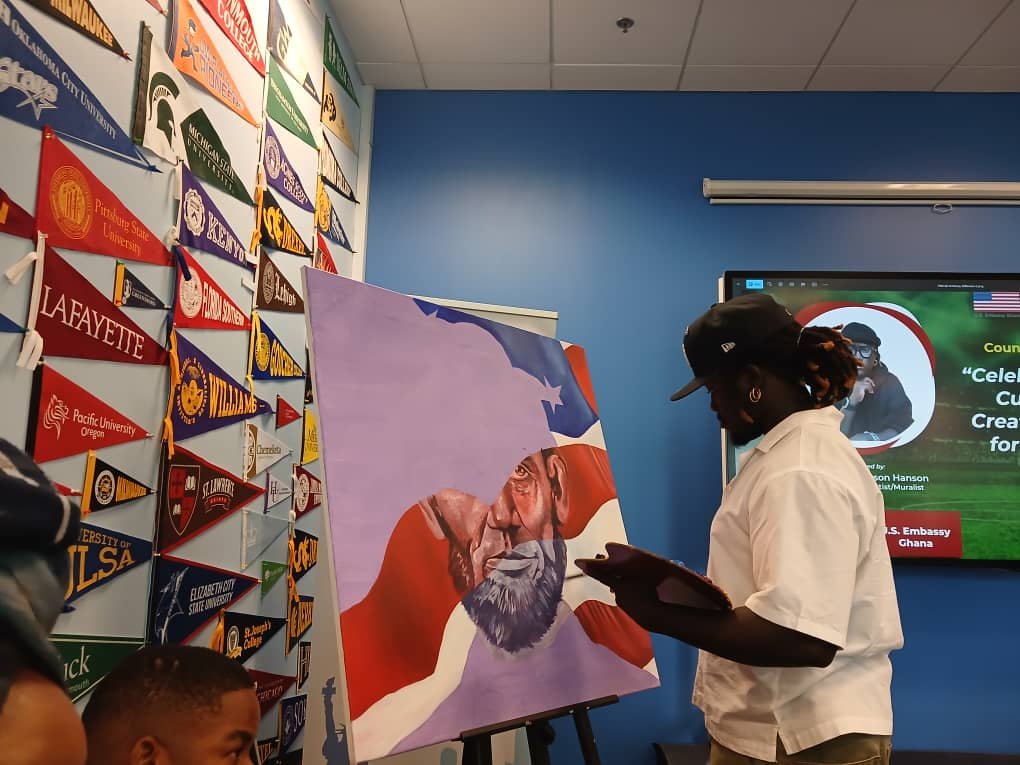
His portfolio includes portraits of Ghanaian leaders such as President John Dramani Mahama, former President Nana Addo Dankwa Akufo-Addo, and the late Jerry John Rawlings, as well as international figures including Idris Elba. His murals and live art performances have taken him across borders. Whether painting in Miami’s Design District or exhibiting at corporate events tied to global brands, Anthony approaches every space with intention.
At one international exhibition, when fellow artists failed to appear, he stepped forward and created a spontaneous live painting linking Ghanaian culture to the host brand. The artwork was later transported overseas, a testament to both his preparation and instinct.
Behind the accolades lies a story of perseverance. Anthony speaks candidly about challenges, including financial struggles, rejection, and discouraging comments about his work. There were moments when his dreams seemed larger than his resources, and moments when critics questioned his direction.
“It hasn’t been easy; there have been demoralising words about my paintings,” he admits, but he chose to respond with discipline rather than defeat. He embraced competition, sharpened his originality, and remained humble enough to grow. For Anthony, humility is not surrender; it is strength under control.
Anthony believes that the true power of an artist lies in authenticity. He encourages young creatives to draw inspiration from their environment and culture rather than imitate trends. According to him, originality is what separates a good artist from a lasting one. He often describes talent as “grace”—a gift placed in one’s hands that, when nurtured with consistency and boldness, opens doors across industries and continents.
Today, Anthony Jefferson Hanson stands as more than a painter. He is a creative entrepreneur, mentor, and cultural ambassador. His dream is to see his works on global platforms, representing Ghana with pride and commanding international recognition. Through murals that transform public spaces and portraits that capture powerful personalities, Anthony continues to prove that art is not merely decoration—it is declaration.
By Esinam Jemima Kuatsinu
Join our WhatsApp Channel now!
https://whatsapp.com/channel/0029VbBElzjInlqHhl1aTU27



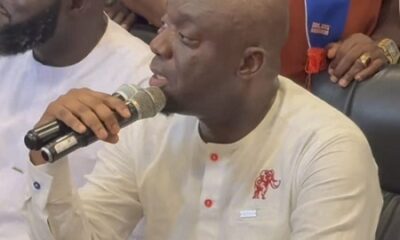

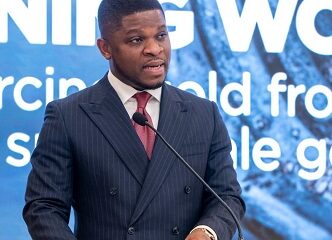


The Office of the Special Prosecutor (OSP) has taken note of public allegations of extortion and related conduct made against the Minority Leader of Parliament, Alexander Afenyo-Markin.
The allegations were made by the Chief Executive of the Ghana Gold Board (GoldBod), Sammy Gyamfi.
In a brief statement, the OSP said it has also received a joint petition submitted by two persons, as well as two separate petitions from other persons, in relation to the same allegations.
“Given the nature of the allegations, the OSP will assess the case and determine whether it falls within its statutory mandate and whether further investigative action is warranted,” the statement said.
The development comes amid a heated public feud between the Minority in Parliament and the leadership of GoldBod over the operations of the Domestic Gold Purchase Programme.
The Minority, led by Afenyo-Markin, has accused GoldBod and the Bank of Ghana of causing a loss of over $1.7 billion, citing the International Monetary Fund’s August 2026 report. The Minority has vowed to pursue the matter as Parliament has reconvened for an emergency sitting.
GoldBod, on the other hand, has rejected claims by some NPP MPs, including Tano South MP Dr Gideon Boako, that it owes the Bank of Ghana GH¢1 billion in overdrafts, describing the claim as “false and malicious.”
In the latest twist, GoldBod CEO Sammy Gyamfi has accused the Minority Leader of extortion and related conduct, an allegation that has triggered petitions to the OSP.
The OSP is mandated under Act 959 to investigate and prosecute specific cases of alleged or suspected corruption and corruption-related offences involving public officers and politically exposed persons.
By Edem Mensah-Tsotorme

General Secretary of the New Patriotic Party (NPP), Justin Kodua Frimpong, has filed his nomination to contest the position of General Secretary again as the party begins its rebuilding efforts ahead of the 2028 general elections.
He was accompanied by party stalwarts and supporters who were in high spirits, expressing confidence that he is the right person to hold the position.
Speaking after filing his nomination, Mr Kodua Frimpong assured the rank and file of the party that he would not disappoint them.
“I can assure you that the faith the rank and file of the party have had in me, I will never disappoint them,” he said.
He also pledged to run a clean campaign devoid of personal attacks.
“I can assure you that our internal campaign will be devoid of personal attacks,” he told his fellow contestants and the rank and file of the party as he seeks to retain his position.
His tenure has seen the party through the 2024 general elections, where the NPP lost power to the National Democratic Congress (NDC) after eight years in government.
The party is currently in a rebuilding phase, with internal elections scheduled to elect new national executives to lead its reorganization towards the 2028 polls.
The General Secretary position is considered one of the most influential in the party’s administrative structure, responsible for the day-to-day running of the party secretariat and implementation of party decisions.
By Edem Mensah-Tsotorme