News
Painting with purpose: The journey of Anthony Jefferson Hanson

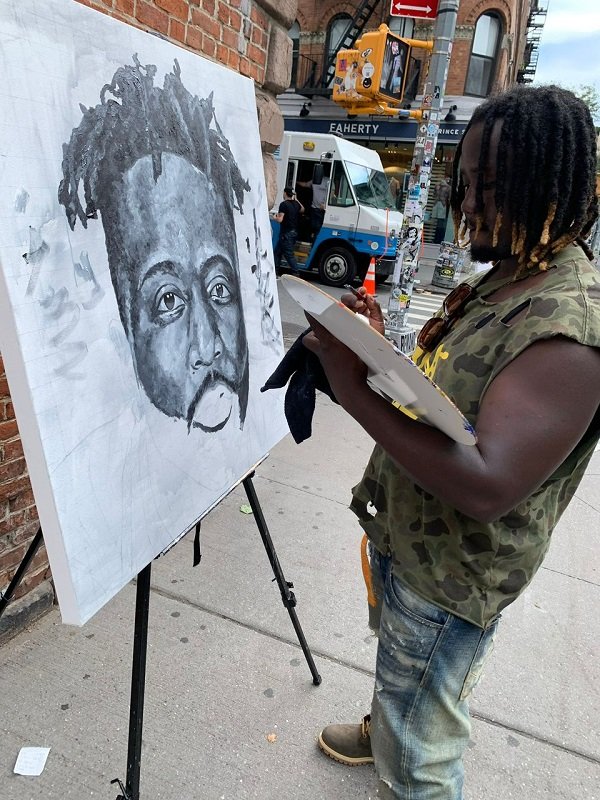
ANTHONY Jefferson Hanson is an award-winning Ghanaian artist and muralist whose journey reflects courage, creativity, and calculated risk. Known for his striking portraits, live paintings, and large-scale murals, Anthony has built a name for himself by daring to step into rooms where he was not invited—and leaving those rooms transformed.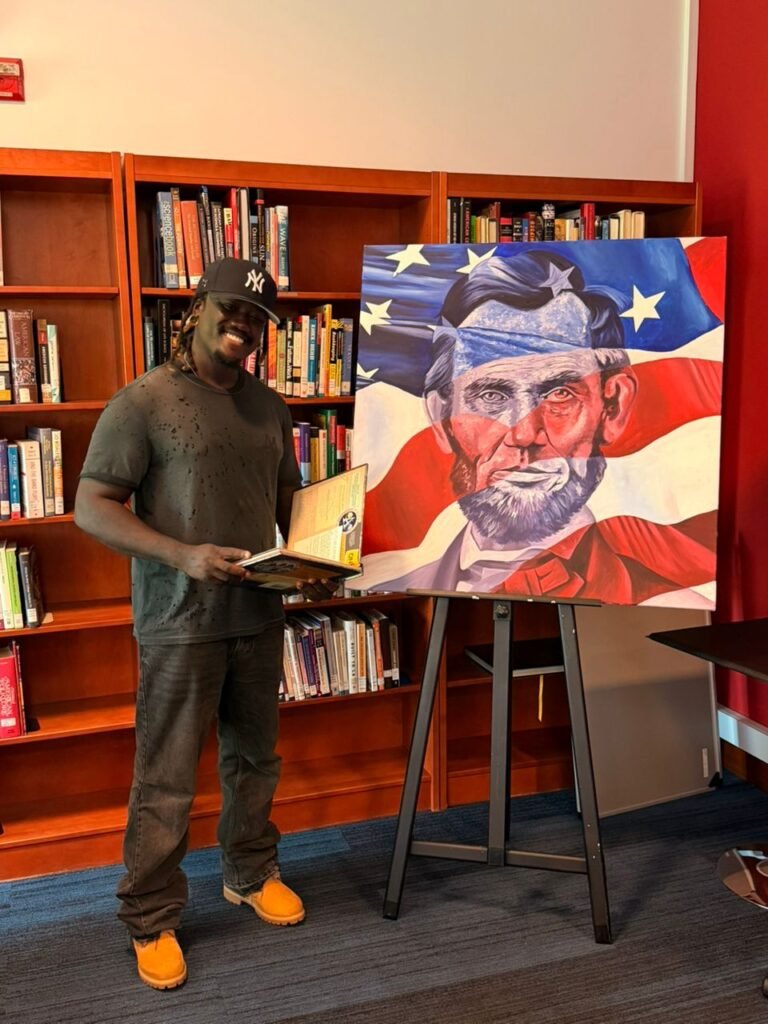
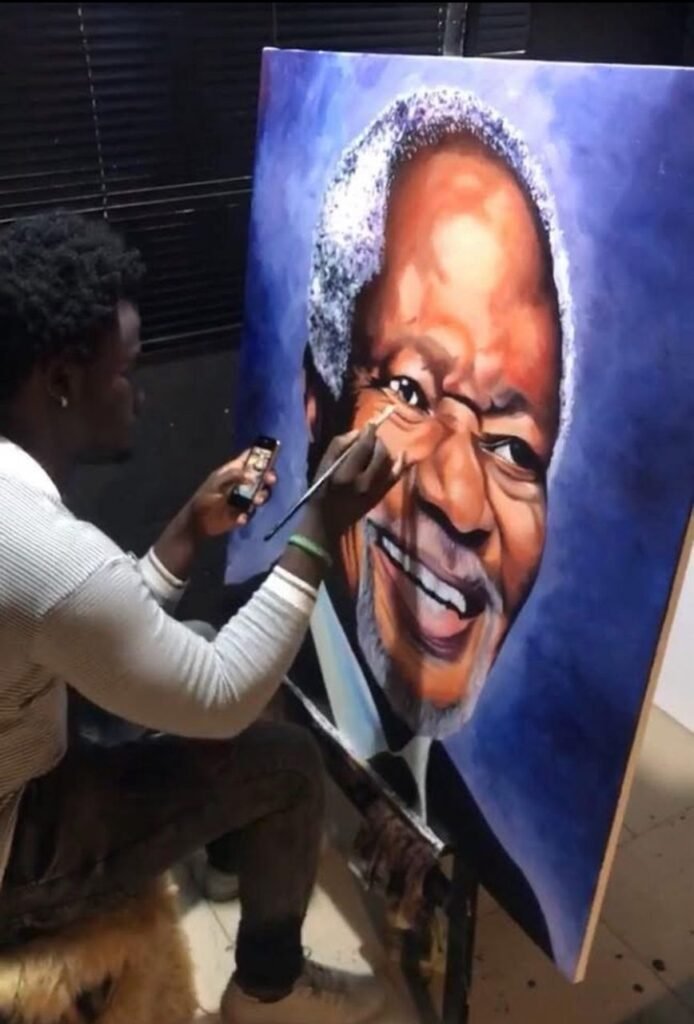
From an early age, art was more than a subject in school; it was survival, identity, and ambition. While others were still deciding what they wanted to become, Anthony was already designing assignments for classmates and exploring different forms of visual expression. Graphic design, tattoo artistry, painting, and special effects makeup—he embraced them all. To him, art was never limited to one medium; it was a language.
Anthony, also known as Ashenso_gh, began his professional journey as a tattoo artist, viewing the human body as a living canvas. He approached tattooing not just as decoration, but as storytelling—a transfer of knowledge from canvas to skin. His skill quickly earned attention, and he went on to tattoo and paint for notable personalities.
But he wanted more than recognition; he wanted impact. His boldness often set him apart. On one occasion, he waited for hours just to meet a filmmaker, armed only with a sketchpad and belief in his talent. That single opportunity led him onto film sets, where he expanded his role into graphic design, poster creation, and special effects makeup, improvising materials when necessary and learning on the job. Anthony built his career not by waiting for perfect conditions, but by creating them.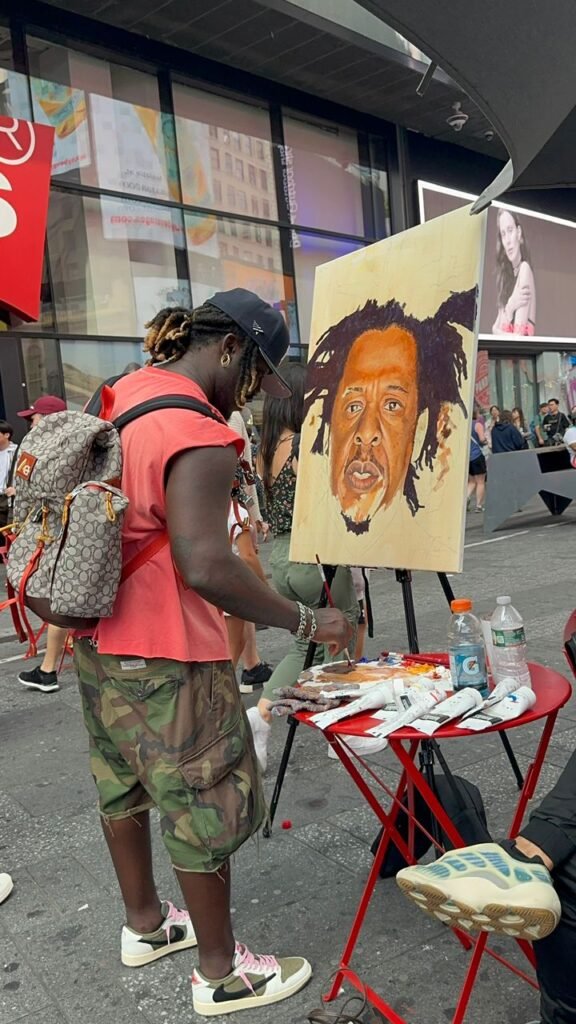
A defining moment in his career came when he painted a portrait of then-Prince Charles during a visit to the United Kingdom. Years later, when Charles ascended the throne as King, Anthony resurfaced the artwork, which eventually gained attention and was presented as a congratulatory gesture from Ghana. What began as a personal artistic vision became a diplomatic cultural bridge. That moment underscored Anthony’s mindset: always think ahead. Always ask, “What’s next?”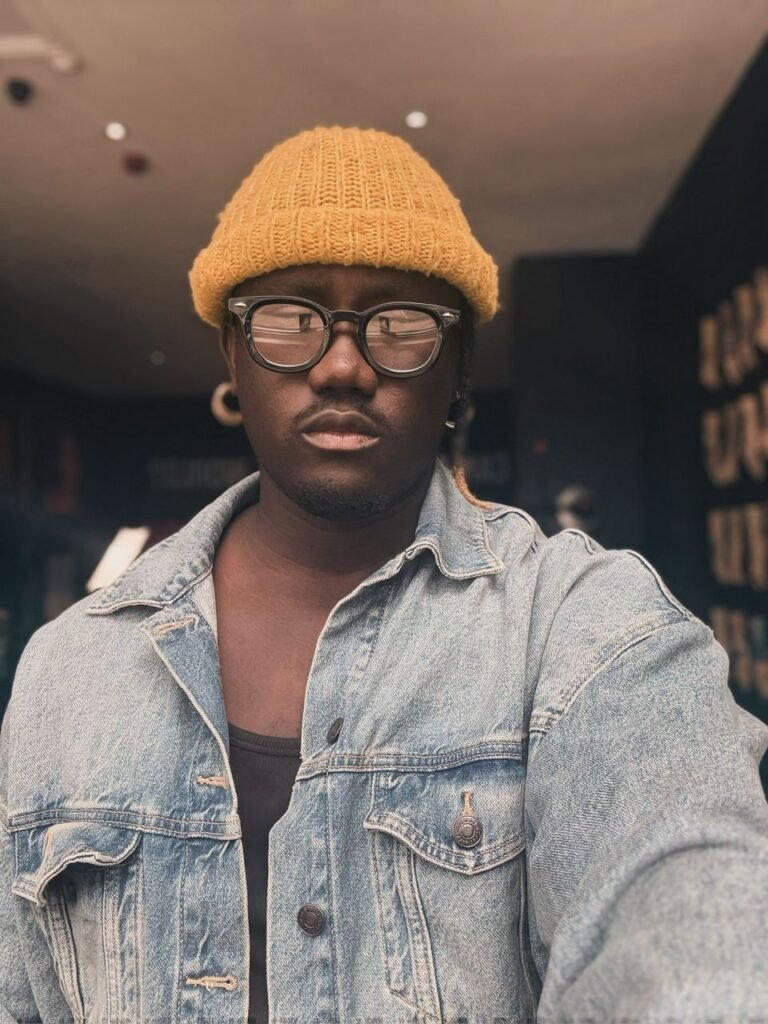
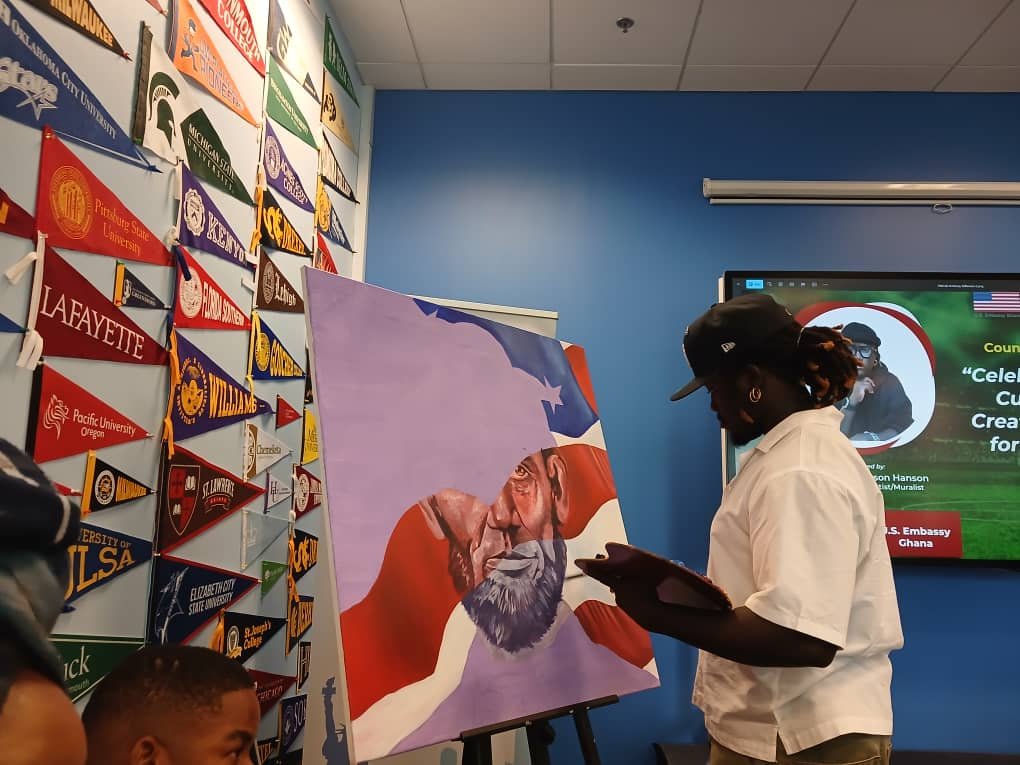
His portfolio includes portraits of Ghanaian leaders such as President John Dramani Mahama, former President Nana Addo Dankwa Akufo-Addo, and the late Jerry John Rawlings, as well as international figures including Idris Elba. His murals and live art performances have taken him across borders. Whether painting in Miami’s Design District or exhibiting at corporate events tied to global brands, Anthony approaches every space with intention.
At one international exhibition, when fellow artists failed to appear, he stepped forward and created a spontaneous live painting linking Ghanaian culture to the host brand. The artwork was later transported overseas, a testament to both his preparation and instinct.
Behind the accolades lies a story of perseverance. Anthony speaks candidly about challenges, including financial struggles, rejection, and discouraging comments about his work. There were moments when his dreams seemed larger than his resources, and moments when critics questioned his direction.
“It hasn’t been easy; there have been demoralising words about my paintings,” he admits, but he chose to respond with discipline rather than defeat. He embraced competition, sharpened his originality, and remained humble enough to grow. For Anthony, humility is not surrender; it is strength under control.
Anthony believes that the true power of an artist lies in authenticity. He encourages young creatives to draw inspiration from their environment and culture rather than imitate trends. According to him, originality is what separates a good artist from a lasting one. He often describes talent as “grace”—a gift placed in one’s hands that, when nurtured with consistency and boldness, opens doors across industries and continents.
Today, Anthony Jefferson Hanson stands as more than a painter. He is a creative entrepreneur, mentor, and cultural ambassador. His dream is to see his works on global platforms, representing Ghana with pride and commanding international recognition. Through murals that transform public spaces and portraits that capture powerful personalities, Anthony continues to prove that art is not merely decoration—it is declaration.
By Esinam Jemima Kuatsinu
Join our WhatsApp Channel now!
https://whatsapp.com/channel/0029VbBElzjInlqHhl1aTU27






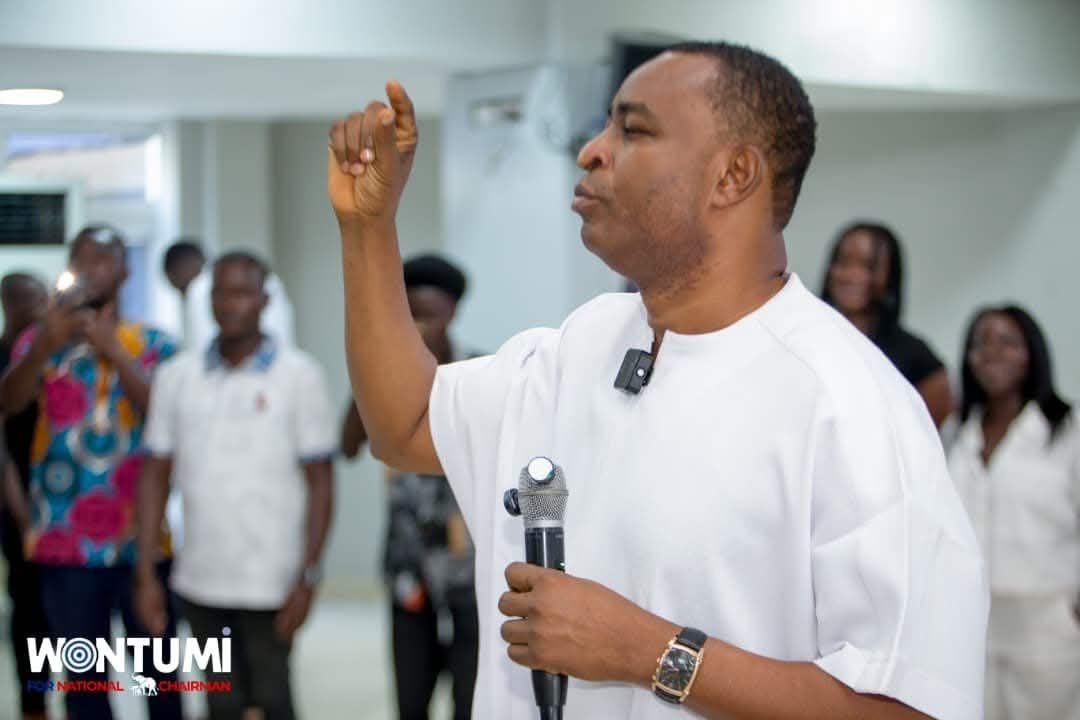
The state has closed its case in the Republic v Akonta Mining and two others.
The case was heard earlier today at the Accra Criminal Court, where state prosecutors and CID investigators from the Ghana Police Service closed the Republic’s case.
In all, the prosecution called three witnesses to prove its case, two former employees of Akonta Mining Company Limited and a detective from the Ghana Police Service.
According to an update on the case, the two former employees testified to Mr Bernard Antwi-Boasiako’s deep involvement in Akonta Mining Company’s alleged illegal mining activities in the Tano-Nimiri Forest Reserve.
The police detective tendered in evidence drone footage and other audio-visual materials and official communications in support of the testimonies of the two former Akonta Mining employees.
The accused persons, through cross-examination of the witnesses, sought to dissociate themselves from every mining activity in the Tano-Nimiri Forest Reserve.
At the close of the prosecution’s case, counsel for the accused persons asked the court to allow him to call the first prosecution witness back into the witness box for further cross-examination.
The court gave him up to Friday, October 30, to file a formal motion to recall the witnesses.
The case has been adjourned to November 4 for the motion to be heard.
By Edem Mensah-Tsotorme
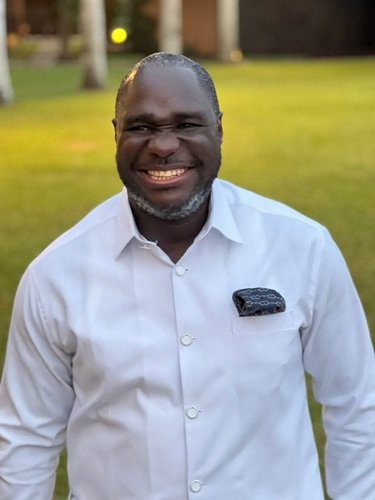
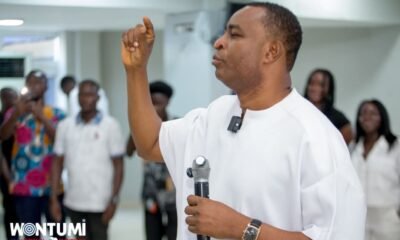
Dr Palgrave Boakye-Danquah, spokesperson to NPP Ashanti Regional Chairman Bernard Antwi Boasiako, popularly known as Chairman Wontumi, has called on the government and Parliament to undertake major reforms in Ghana’s prison system, including the construction of a dedicated prison hospital and the introduction of regulated conjugal visits.
In a press statement issued on Tuesday, October 27, 2026, Dr Boakye-Danquah shared Chairman Wontumi’s observations and recommendations following his remand on July 20, 2026.
According to the statement, Chairman Wontumi’s experience in prison has given him the opportunity to interact with prison officers and inmates and observe the challenges facing the Ghana Prisons Service.
The statement noted that the NPP chairman believes the correctional system must move beyond punishment to focus on rehabilitation, welfare and productivity.
One of his major concerns is the lack of dedicated, well-equipped prison hospitals, ambulances and standby generators in several prison facilities.
Dr Boakye-Danquah said Chairman Wontumi had raised concerns about the difficulties in providing medical care to seriously ill inmates, including those suffering from tuberculosis.
He is therefore calling for the construction of a modern prison hospital to serve facilities across the country. In the interim, he has proposed emergency arrangements with the 37 Military Hospital and the Police Hospital.
On the welfare of prison officers, Chairman Wontumi has urged the government to review their salaries, accommodation and conditions of service.
He has also called for proper classification of inmates, arguing that minor offenders should not be housed alongside armed robbery convicts and that persons facing trial for serious offences, including treason and terrorism, should be appropriately separated from other inmates.
The statement further highlighted concerns about the need for counselling and behavioural support for young inmates, particularly those serving sentences for defilement-related offences.
Chairman Wontumi has also called for a clear policy on the classification and management of LGBTQI+ inmates within the prison system.
On family relationships, he has proposed the creation of designated private areas where prisoners can receive visits from their spouses and children.
He believes regulated conjugal visits could help preserve marriages, reduce tension among inmates and support rehabilitation.
“The prisoner is the one in prison, not the children or spouse,” the statement noted, explaining his position on the need to protect family relationships during incarceration.
Chairman Wontumi has appealed to the Ministry of Food and Agriculture to support prison farms with the necessary equipment to improve food production.
According to the statement, the Ghana Prisons Service has access to vast lands and skilled labour but faces a shortage of agricultural equipment, with only one tractor reportedly available for farming and garbage-related activities.
He has further proposed greater collaboration between prison authorities and the justice sector, suggesting that regional prison commanders should be included in relevant discussions because of their knowledge of prison conditions and inmate rehabilitation.
On infrastructure, Chairman Wontumi has called on the government and private sector to invest in modern prison facilities and factories, arguing that the system has seen limited structural improvements over the years.
Appeal to Parliament
Dr Boakye-Danquah said Chairman Wontumi had made a special appeal to Parliament to lead efforts towards comprehensive prison reform.
He is urging the Speaker of Parliament to initiate discussions on prison conditions as a human rights and national development issue.
He has also called on the Majority and Minority caucuses to work together to pass a new Prison Reform Act and approve funding for a dedicated prison hospital, ambulance services, standby generators and agricultural equipment.
Additionally, he wants the Parliamentary Select Committees on Defence and Interior, Health, and Food and Agriculture to undertake working visits to prisons across the country to assess conditions firsthand.
According to the statement, Chairman Wontumi believes bipartisan cooperation between the Majority and Minority caucuses is necessary to secure the legal and financial reforms required to improve the prison system.
He has called for broader prison reforms across Africa, expressing hope that Ghana could lead the continent in improving correctional facilities.
Reflecting on his experience since July 20, Chairman Wontumi stated: “At this experience since July 20th till date, prison doesn’t reform as it should be. I pray that the entire Africa will learn from Ghana.”
The statement added that Chairman Wontumi remained in high spirits.
By: Jacob Aggrey