Nutrition
Breast cancer with diet: lifestyle modification


- /home/u249204778/domains/spectator.com.gh/public_html/wp-content/plugins/mvp-social-buttons/mvp-social-buttons.php on line 27
https://spectator.com.gh/wp-content/uploads/2023/10/Fruits-and-vegetables-can-help-maintain-a-balance-diet.jpg&description=Breast cancer with diet: lifestyle modification', 'pinterestShare', 'width=750,height=350'); return false;" title="Pin This Post">
- Share
- Tweet /home/u249204778/domains/spectator.com.gh/public_html/wp-content/plugins/mvp-social-buttons/mvp-social-buttons.php on line 72
https://spectator.com.gh/wp-content/uploads/2023/10/Fruits-and-vegetables-can-help-maintain-a-balance-diet.jpg&description=Breast cancer with diet: lifestyle modification', 'pinterestShare', 'width=750,height=350'); return false;" title="Pin This Post">
Fruits and vegetables can help maintain a balance diet
Last week we discussed how we can protect our health against breast cancer with vegetables.
This week, we will be looking at certain diets and lifestyles that increase our risk of breast cancer, and how we can modify them.
Breast cancer rates correlate with the amount of fat, alcohol, red and processed meat and caffeine in the diet.
These foods increase the production of estrogen and other steroids, which are major culprits in increasing the risk of breast cancer.
People with higher intake of the aforementioned foods have a higher risk of developing breast cancer.
Also, sedentary lifestyle, obesity and cigarette smoking all contribute greatly to breast cancer formation by increasing oestrogen production.
Way forward
Red meats such as beef and goat meat should be consumed in moderation or replaced with white meats such as chicken and turkey.
Plant-based oils such as coconut oil and sunflower oil can be used instead of animal-based fats such as butter and cheese.
Alcohol should be taken in moderation.
Weight control and physical activity are important factors in reducing the risk of developing breast cancer.
Cessation of cigarette smoking will go a long way in reducing the risk of breast cancer.
This is our last episode for the breast cancer month. You can protect your health against breast cancer through your diet and modification of your lifestyle.
As we dive into a new chapter next month, always remember; your diet your health, your health your wealth.
The writer is a Nutritionist and CEO of Holistic Health Consult
“Your diet your health, your health your wealth”
e-mail:
info@holistichealthconsult.org
By Asare Korkor Bernice

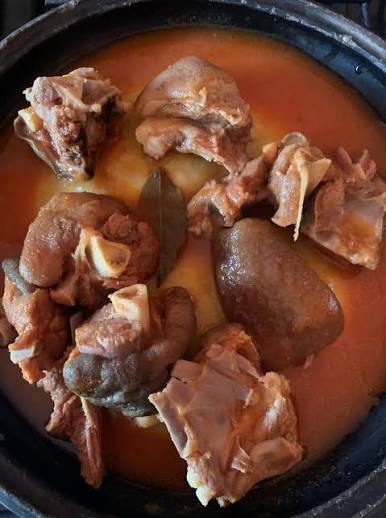
Ingredients
-2 pounds of goat meat
-3 large tomatoes
-3 large onions
-1 large carrot
-Salt to taste
– ¼ garlic
-4 fresh garden eggs
-Pepper
-2 fresh onions
-4 tablespoonfuls of tomatoe paste
Preparation
– Wash goat meat in clean water and set aside
-Blend ginger, garlic, onion and tomatoes
-In a pot containing the meat, pour the blended mixture and allow it to cook for sometime
-Add the tin tomato paste, salt, with more water, cover and cook for about 10 minutes
-Place carrot, garden eggs, pepper into a clean pot and pour 1 cup of water into the pot and bring to boil
-Blend cooked carrot, garden eggs, pepper and pour it into the meat and add more water
-Allow to boil for about 5 minutes
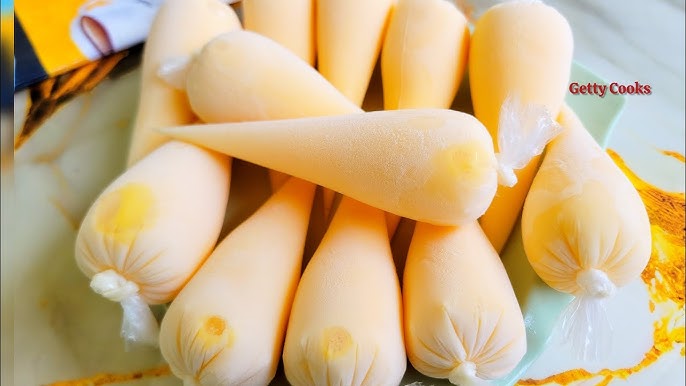
Ingredients
-4 tablespoons Cowbell milk powder
-2 cups of fresh milk
-1 cup of condensed milk (sweetened)
-2 tablespoons of vanilla custard powder
-1 teaspoon of vanilla essence
-Optional: Sugar (only if you want extra sweetness, since condensed milk is already sweet)
Preparation
-Mix the custard base in a small bowl to dissolve the custard powder in ½ cup of cold milk to make a smooth paste
-Cook the custard, heat the remaining milk in a saucepan
-Stir in the Cowbell milk powder until fully dissolved
-Add the custard paste and cook on low heat, stirring continuously until it thickens slightly
-Remove from heat and stir in the condensed milk
-Add vanilla essence for flavour
-Taste and adjust sweetness if needed
-Let the custard mixture cool to room temperature
-Cover and refrigerate for at least 3–4 hours (overnight is best).
-Pour into a container, and freeze
-Scoop into bowls or cones and enjoy your homemade custard ice cream.