News
Inspired Foundation provides support for over 50 pregnant women

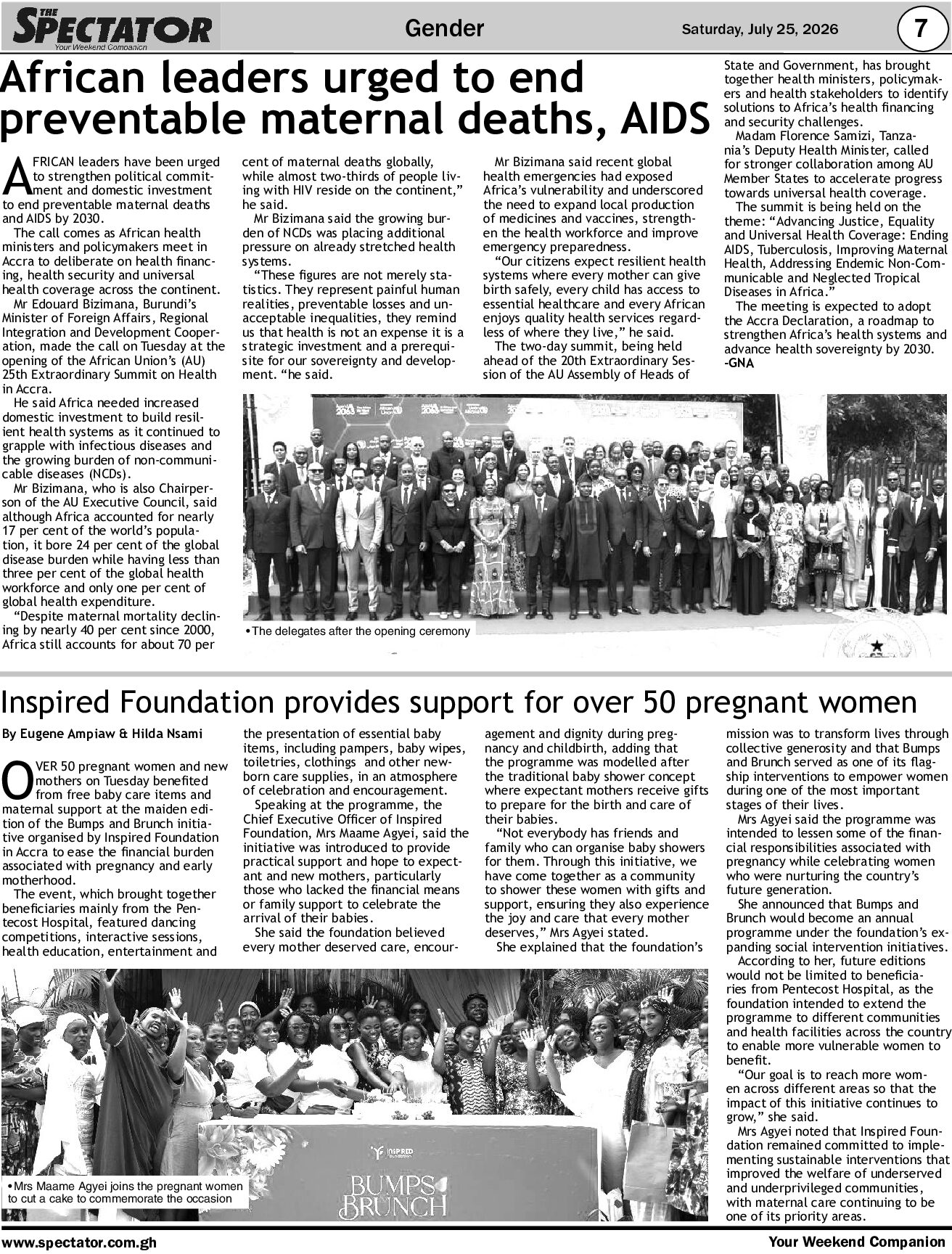
Over 50 pregnant women and new mothers on Tuesday benefited from free baby care items and maternal support at the maiden edition of the Bumps and Brunch initiative organised by Inspired Foundation in Accra to ease the financial burden associated with pregnancy and early motherhood.
The event, which brought together beneficiaries mainly from the Pentecost Hospital, featured dancing competitions, interactive sessions, health education, entertainment and the presentation of essential baby items, including pampers, baby wipes, toiletries, clothings and other newborn care supplies, in an atmosphere of celebration and encouragement.
Speaking at the programme, the Chief Executive Officer of Inspired Foundation, Mrs Maame Agyei, said the initiative was introduced to provide practical support and hope to expectant and new mothers, particularly those who lacked the financial means or family support to celebrate the arrival of their babies.
She said the foundation believed every mother deserved care, encouragement and dignity during pregnancy and childbirth, adding that the programme was modelled after the traditional baby shower concept where expectant mothers receive gifts to prepare for the birth and care of their babies.
“Not everybody has friends and family who can organise baby showers for them. Through this initiative, we have come together as a community to shower these women with gifts and support, ensuring they also experience the joy and care that every mother deserves,” Mrs Agyei stated.
She explained that the foundation’s mission was to transform lives through collective generosity and that Bumps and Brunch served as one of its flagship interventions to empower women during one of the most important stages of their lives.
Mrs Agyei said the programme was intended to lessen some of the financial responsibilities associated with pregnancy while celebrating women who were nurturing the country’s future generation.
She announced that Bumps and Brunch would become an annual programme under the foundation’s expanding social intervention initiatives.
According to her, future editions would not be limited to beneficiaries from Pentecost Hospital, as the foundation intended to extend the programme to different communities and health facilities across the country to enable more vulnerable women to benefit.
“Our goal is to reach more women across different areas so that the impact of this initiative continues to grow,” she said.
Mrs Agyei noted that Inspired Foundation remained committed to implementing sustainable interventions that improved the welfare of underserved and underprivileged communities, with maternal care continuing to be one of its priority areas.
By Eugene Ampiaw & Hilda Nsami






News
GES directs Ashanti Regional, Obuasi Municipal Education Directors to step aside over Obuasi SHTS scandal

The Management of the Ghana Education Service (GES) has directed the Ashanti Regional Director of Education, Dr. William Amankrah Appiah, and the Obuasi Municipal Director of Education, Mr. Kwamena Owusu-Nketiah, to step aside with immediate effect.
The directive forms part of ongoing investigations into allegations of sexual misconduct involving the headmaster of Obuasi Senior High Technical School (SHTS), Mr. Zakaria Abdulai.
According to GES, the decision is intended to ensure that the investigations proceed without potential interference, nor the perception of it.
The two directors are to hand over their offices and all state property in their possession to the Deputy Ashanti Regional Director of Education, Mr. Thomas Kwame Boateng.
Management added that the headmaster, Mr. Zakaria Abdulai, also remains interdicted and therefore urged the public to ignore any news circulating that he has been cleared.
Management is calling for calm, support and cooperation as thorough investigations into the matter continue.
By Edem Mensah-Tsotorme
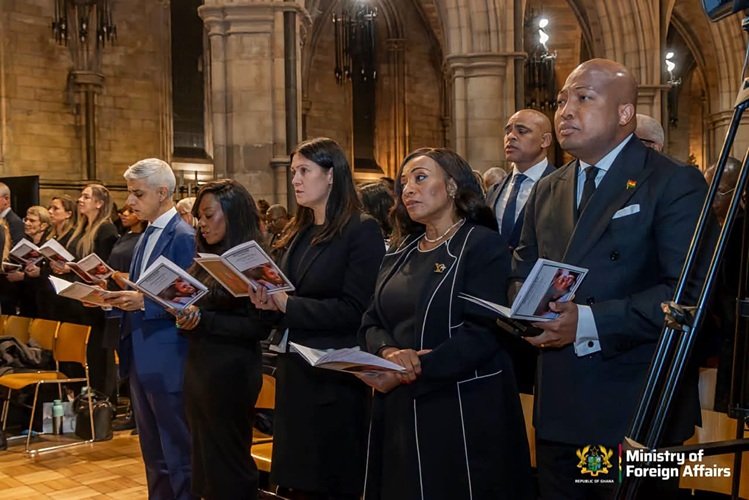
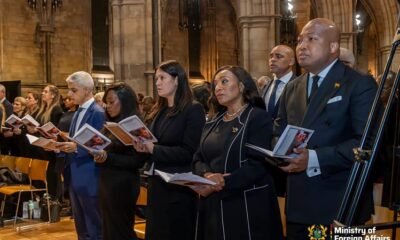
The Minister for Foreign Affairs, Samuel Okudzeto Ablakwa, has joined the family of the late Professor Jason Atta Kwei Arday, the Ghanaian community in the UK, and other dignitaries for a memorial service in Southwark, UK.
In a post, Mr. Ablakwa described the service as deeply moving and unforgettable, held in honour of the late professor’s memory.
According to him, in keeping with the government’s pledge, he joined the family, Ghana’s High Commissioner to London, British MPs, Ministers, the Mayor of London, Cambridge scholars, Prof. Arday’s students and loved ones to pay respects and honour his inspiring legacy.
Mr. Ablakwa noted that Prof. Arday’s accomplishments as the youngest Black professor appointed at the University of Cambridge and his widely appreciated charitable contributions will continue to inspire generations.
“The Government and People of Ghana will continue to stand by our compatriots everywhere they are in the world. As we do so, we profess our commitment to justice, equality and the creation of a new world,” he said.
He prayed for fortitude for the family in what he described as an extraordinarily difficult time.
“We shall always remember Prof. Arday for his response when asked what he will wish to do to change the world: ‘I would take a thread and a needle, and I’d interweave love into our society’,” Mr. Ablakwa added.
By Edem Mensah-Tsotorme