Nutrition
Overcoming breast cancer with diet

- /home/u249204778/domains/spectator.com.gh/public_html/wp-content/plugins/mvp-social-buttons/mvp-social-buttons.php on line 27
https://spectator.com.gh/wp-content/uploads/2023/10/Eat-fruit-everyday.jpg&description=Overcoming breast cancer with diet', 'pinterestShare', 'width=750,height=350'); return false;" title="Pin This Post">
- Share
- Tweet /home/u249204778/domains/spectator.com.gh/public_html/wp-content/plugins/mvp-social-buttons/mvp-social-buttons.php on line 72
https://spectator.com.gh/wp-content/uploads/2023/10/Eat-fruit-everyday.jpg&description=Overcoming breast cancer with diet', 'pinterestShare', 'width=750,height=350'); return false;" title="Pin This Post">
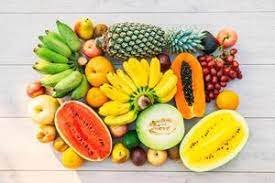
Fruits are very important in combating the disease
In this month of October, which is breast cancer awareness month, I will be offering titbits on how to protect your health through diet.
Breast cancer is the most common type of cancer, and the leading cause of cancer deaths in Ghana. But it is possible to take control and tackle head-on any health issue, including breast cancer, starting with an optimum nutrition.
Signs and symptoms of breast cancer include, but are not limited to; breast lump or thickening, alteration in size, shape or appearance of a breast; dimpling, redness, pitting or other alteration in the skin; change in nipple appearance or alteration in the skin surrounding the nipple (areola); and/or abnormal nipple discharge.
Some factors that may increase one’s risk of breast cancer include; female gender, increasing age,obesity, drinking alcohol, cigarette smoking, personal history of breast cancer, family history of breast cancer,among others.
Role of nutrition in the pro tection against the development, progressionand re-emerging of breast cancer
The immune system normally seeks out cancer cells and cells with damaged DNA and destroys them. Breast cancer may be a result of failure of such an effective immune de fence and surveillance.
Some vitamins and mineralssuch as V itamin A, B, C, D, E, beta carotene, selenium, zinc and iron enhance the functions of the immune system to ensure constant arrest and destruction of cancer cells.
Today we will be covering the list of fruits containing such vitamins and minerals. These include:
• Citrus fruits: oranges, grapefruits, tangerines, lemons and limes
• Pome fruits: apples and pears
• Stone fruits: apricots, cherries and peaches
• Tropical fruits: banana, pawpaw, mangoes, pineapples and melons
• Berries: strawberries
A selection of these fruits can be blended together into a smoothie fruit juice or cut into fruit salad and taken as breakfast, snack, lunch or dinner.
In our next chapter, vegetables containing such vitamins and minerals against breast can cer will be covered.
The writer, Bernice Korkor Asare is a Dietician and Chief Executive Officer (CEO) of Holistic Health Consult,“your diet your health, your health your wealth”
E-mail: info@holistichealthconsult.org

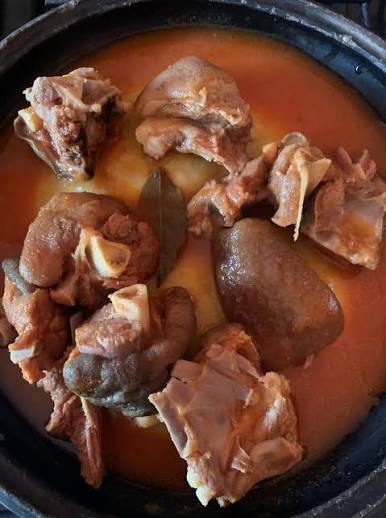
Ingredients
-2 pounds of goat meat
-3 large tomatoes
-3 large onions
-1 large carrot
-Salt to taste
– ¼ garlic
-4 fresh garden eggs
-Pepper
-2 fresh onions
-4 tablespoonfuls of tomatoe paste
Preparation
– Wash goat meat in clean water and set aside
-Blend ginger, garlic, onion and tomatoes
-In a pot containing the meat, pour the blended mixture and allow it to cook for sometime
-Add the tin tomato paste, salt, with more water, cover and cook for about 10 minutes
-Place carrot, garden eggs, pepper into a clean pot and pour 1 cup of water into the pot and bring to boil
-Blend cooked carrot, garden eggs, pepper and pour it into the meat and add more water
-Allow to boil for about 5 minutes
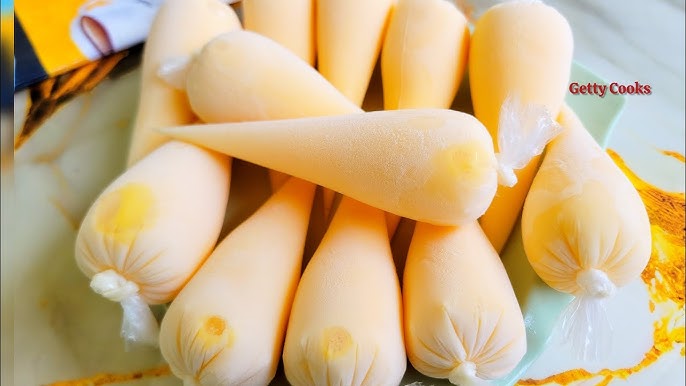
Ingredients
-4 tablespoons Cowbell milk powder
-2 cups of fresh milk
-1 cup of condensed milk (sweetened)
-2 tablespoons of vanilla custard powder
-1 teaspoon of vanilla essence
-Optional: Sugar (only if you want extra sweetness, since condensed milk is already sweet)
Preparation
-Mix the custard base in a small bowl to dissolve the custard powder in ½ cup of cold milk to make a smooth paste
-Cook the custard, heat the remaining milk in a saucepan
-Stir in the Cowbell milk powder until fully dissolved
-Add the custard paste and cook on low heat, stirring continuously until it thickens slightly
-Remove from heat and stir in the condensed milk
-Add vanilla essence for flavour
-Taste and adjust sweetness if needed
-Let the custard mixture cool to room temperature
-Cover and refrigerate for at least 3–4 hours (overnight is best).
-Pour into a container, and freeze
-Scoop into bowls or cones and enjoy your homemade custard ice cream.