News
Black Star Experience coordinates Ghana Month in Ethiopia to strengthen Pan-African tourism, culture and business connections

- /home/u249204778/domains/spectator.com.gh/public_html/wp-content/plugins/mvp-social-buttons/mvp-social-buttons.php on line 27
https://spectator.com.gh/wp-content/uploads/2026/05/WhatsApp-Image-2026-05-14-at-14.27.11.jpeg&description=Black Star Experience coordinates Ghana Month in Ethiopia to strengthen Pan-African tourism, culture and business connections', 'pinterestShare', 'width=750,height=350'); return false;" title="Pin This Post">
- Share
- Tweet /home/u249204778/domains/spectator.com.gh/public_html/wp-content/plugins/mvp-social-buttons/mvp-social-buttons.php on line 72
https://spectator.com.gh/wp-content/uploads/2026/05/WhatsApp-Image-2026-05-14-at-14.27.11.jpeg&description=Black Star Experience coordinates Ghana Month in Ethiopia to strengthen Pan-African tourism, culture and business connections', 'pinterestShare', 'width=750,height=350'); return false;" title="Pin This Post">
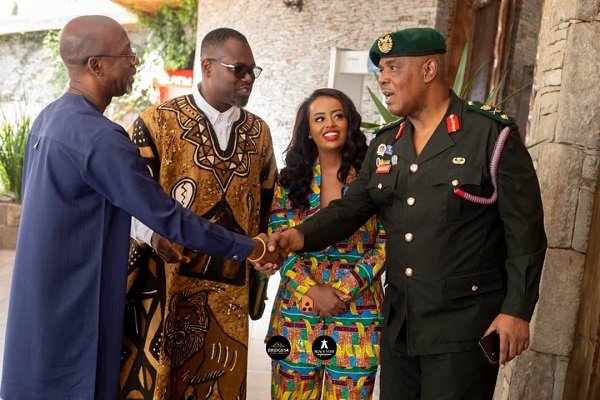
A vibrant and culturally immersive Tourism Trade Show has been successfully held in Ethiopia as part of the official launch of Ghana Month at the renowned Kuriftu African Village, bringing together tourism stakeholders, cultural enthusiasts, business leaders, creatives, and members of the diplomatic community in a celebration of African unity and collaboration.
The initiative was organized by Bridge54, a Pan-African cultural and diplomacy platform committed to reconnecting African nations through tourism, culture, trade, and investment opportunities.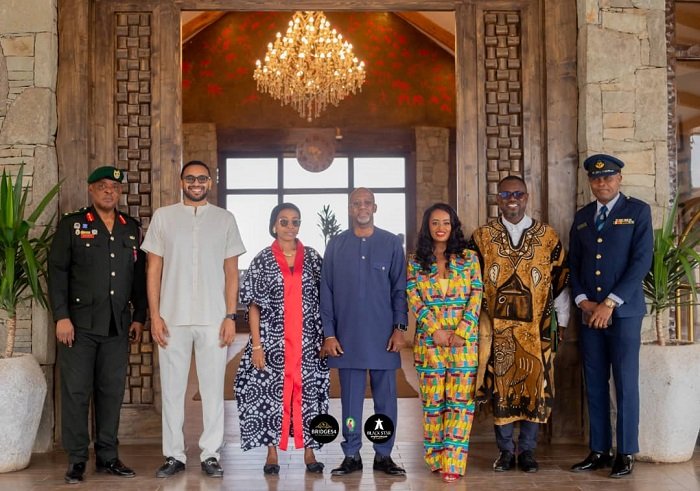
The event was coordinated by the The Black Star Experience Secretariat under the leadership of Rex Owusu Marfo.
The launch marked an important cultural and economic exchange between Ghana and Ethiopia, highlighting the shared values, heritage, and aspirations of the African continent.
Guests were treated to an authentic Ghanaian experience through carefully curated showcases of Ghana’s rich traditions, creativity, and hospitality.
Attendees experienced live Kente weaving demonstrations, authentic Ghanaian Shea Butter exhibitions, chocolate tasting sessions, traditional Ghanaian cuisine and drinks, GTP fabric displays, and a showcase of indigenous craftsmanship that reflected the beauty and ingenuity of Ghanaian artisans.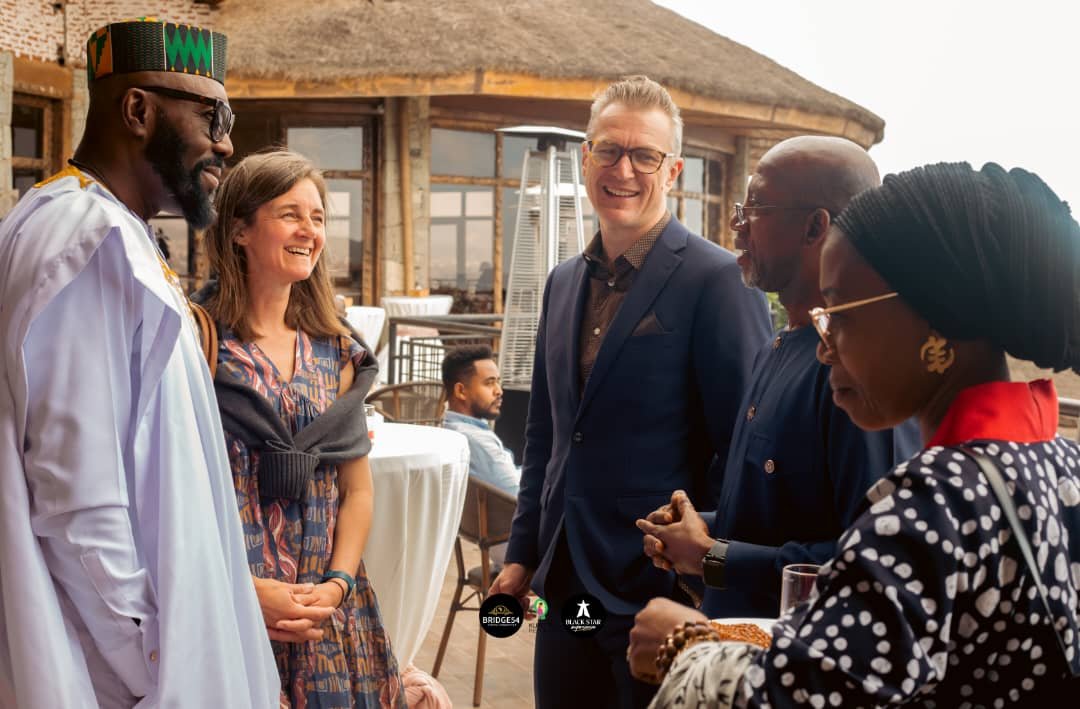
The event also served as a platform for strengthening meaningful Ethiopian-Ghanaian partnerships in tourism, business, investment, arts, and cultural exchange.
Through music, food, fashion, and storytelling, the initiative reinforced the importance of intra-African collaboration and people-to-people connections.
Speaking on the significance of the initiative, organizers emphasized that the Ghana Month activation goes beyond cultural exhibition and represents a broader vision of building bridges across Africa through shared identity, economic cooperation, and cultural diplomacy.
The celebration forms part of ongoing efforts to position Africa as a connected destination for tourism, trade, and cultural engagement while encouraging Africans to explore, invest in, and celebrate one another.
The significance of initiatives such as this lies at the very heart of The Black Star Experience Secretariat vision, using culture, tourism, arts, and creative engagement as powerful tools to reconnect Africa with itself and the world.
By creating platforms that promote authentic African experiences and foster cross-border partnerships, the Black Star Experience continues to position Ghana as a leading hub for Pan-African collaboration, cultural diplomacy, tourism growth, and creative economy development across the continent.
One of the major highlights of the event was the commitment by Tadiwos G. Belete, CEO of Kuriftu Resorts, to establish a dedicated shop in Ethiopia to market Ghanaian products. The move is expected to significantly expand visibility and commercial opportunities for Ghanaian brands within the Ethiopian market.
Discussions during the event also revealed plans for a Memorandum of Understanding (MOU) between the Ghana Tourism Authority and their Ethiopian counterparts to strengthen tourism cooperation and jointly market both destinations.
Stakeholders emphasised the enormous opportunities presented by Ethiopia’s vast market size and strategic accessibility, particularly with Ethiopian Airlines currently operating flights from Accra three times daily.
The announcement that, from 25th May, Africans will be able to travel to Ghana visa-free was received with excitement by participants, who described it as a major step toward strengthening cultural and economic ties between Ghana and Ethiopia, while advancing broader Pan-African integration.
As part of efforts to sustain cultural awareness throughout the month of May, Ghanaian chefs will remain in Ethiopia to promote Ghanaian cuisine and culinary experiences.
In addition, GTP Textiles announced plans to enter the Ethiopian market by designing fabrics tailored specifically to Ethiopian tastes and preferences. Ghanaian fashion brands also participated in the showcase, with collections modelled by Ethiopian models in a powerful display of cultural exchange and creative collaboration.
The event attracted high-profile participation including Ghana’s Ambassador to Ethiopia, His Excellency Robert Afriyie and his Deputy, representatives from United Nations Permanent Missions, and the Kenyan Ambassador to Ethiopia.
Sister agencies including the Ghana Investment Promotion Centre (GIPC) and the Ghana Tourism Authority also participated alongside six Ghanaian SMEs, including a Kente weaver, 57 Chocolate, a handmade chocolate company, Skin Gourmet, a Shea Butter company, and several fashion houses.
Panel discussions during the event encouraged both countries to deepen investment partnerships, particularly within Ghana’s mining sector, tourism industry, and creative economy.
Organizers noted that the success of the initiative demonstrates the immense opportunities that exist when African nations intentionally collaborate through culture, tourism, trade, and diplomacy.
The event is expected to grow even bigger as Ghana prepares to celebrate its 70th anniversary next year, with projected benefits for tourism operators, investors, creatives, and Medium to Small Scale Enterprises (MSMEs) across both countries.







The 29th Annual Dagaaba-Frafra Friendly Games have once again demonstrated that sports can be a powerful vehicle for cultural preservation, business networking, friendship and peaceful coexistence.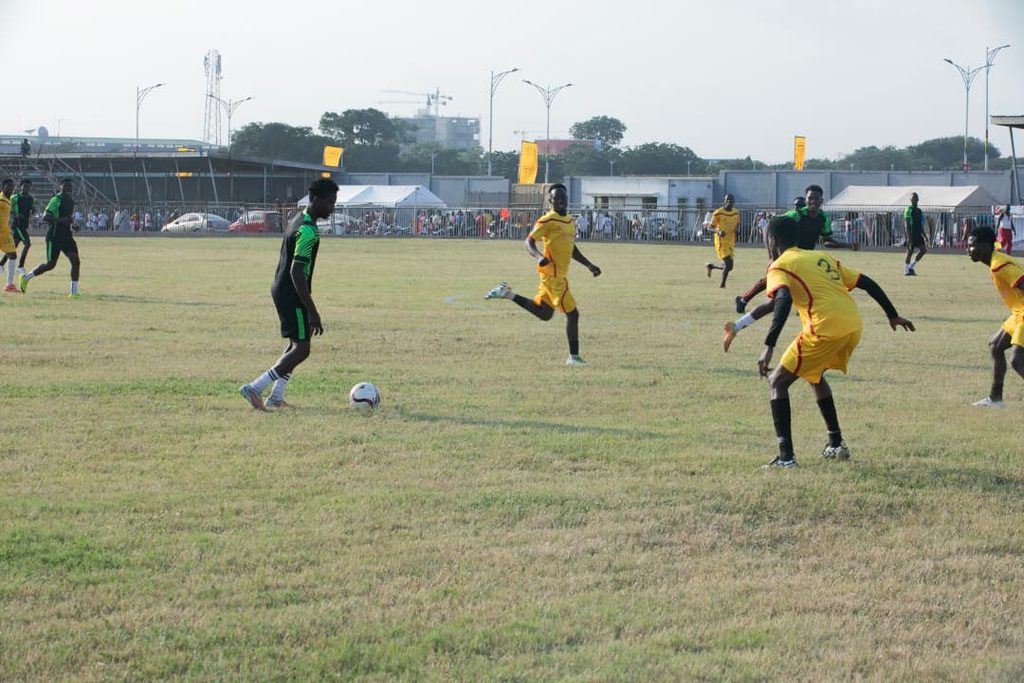
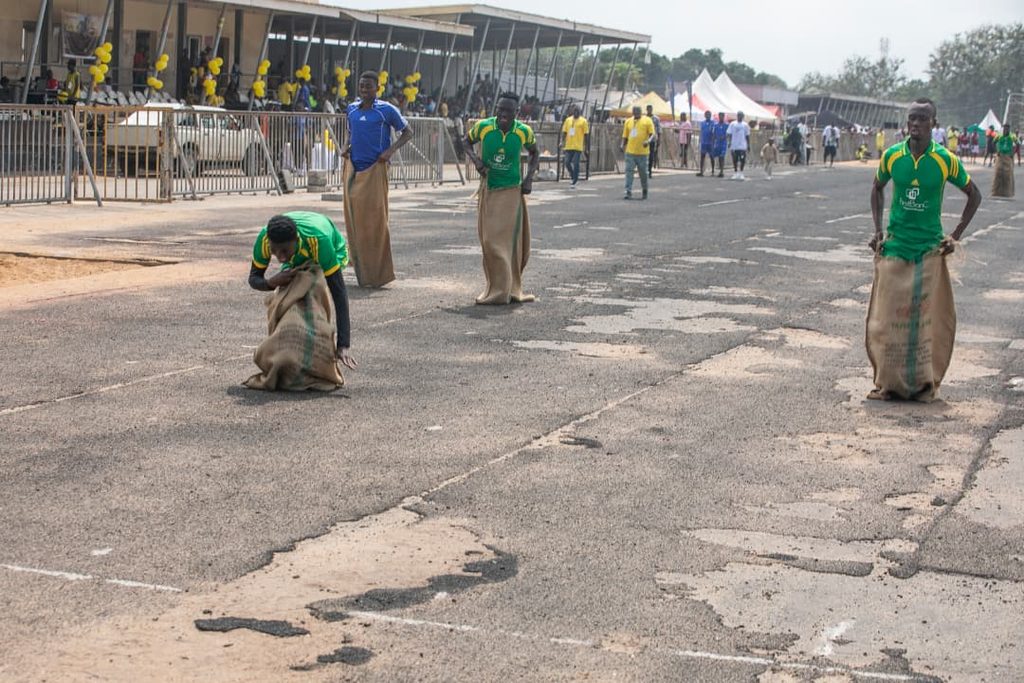
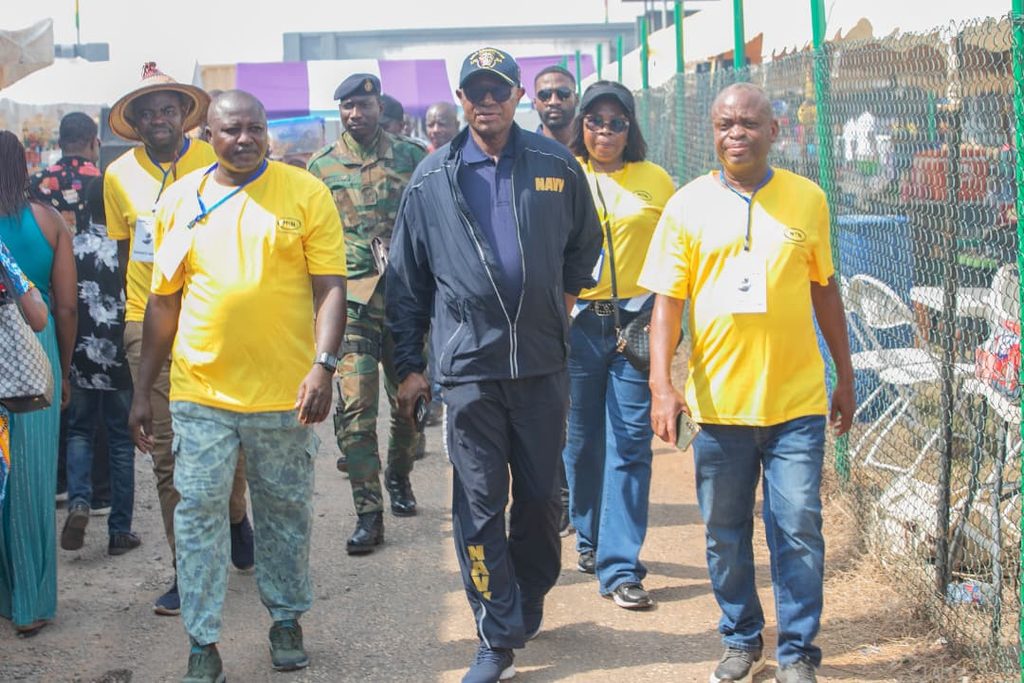
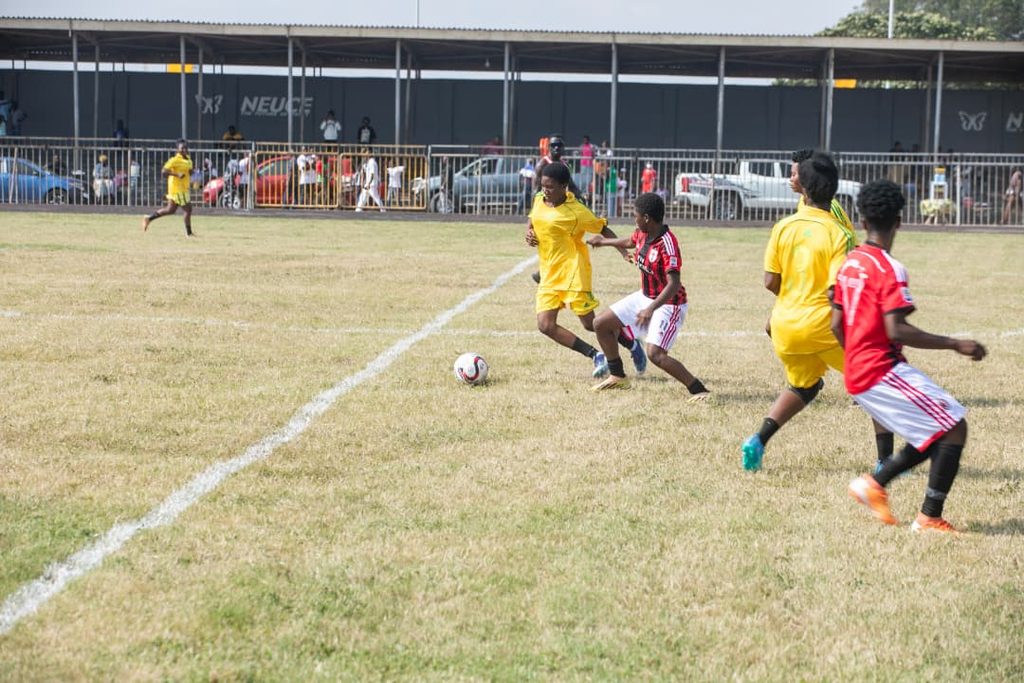
Held at the El-Wak Sports Stadium in Accra last Saturday, the games brought together members of the two ethnic groups from across Ghana and abroad for a colourful celebration under the theme, “Unity in Diversity: The Dagaaba-Frafra Model for Peaceful Co-existence.”

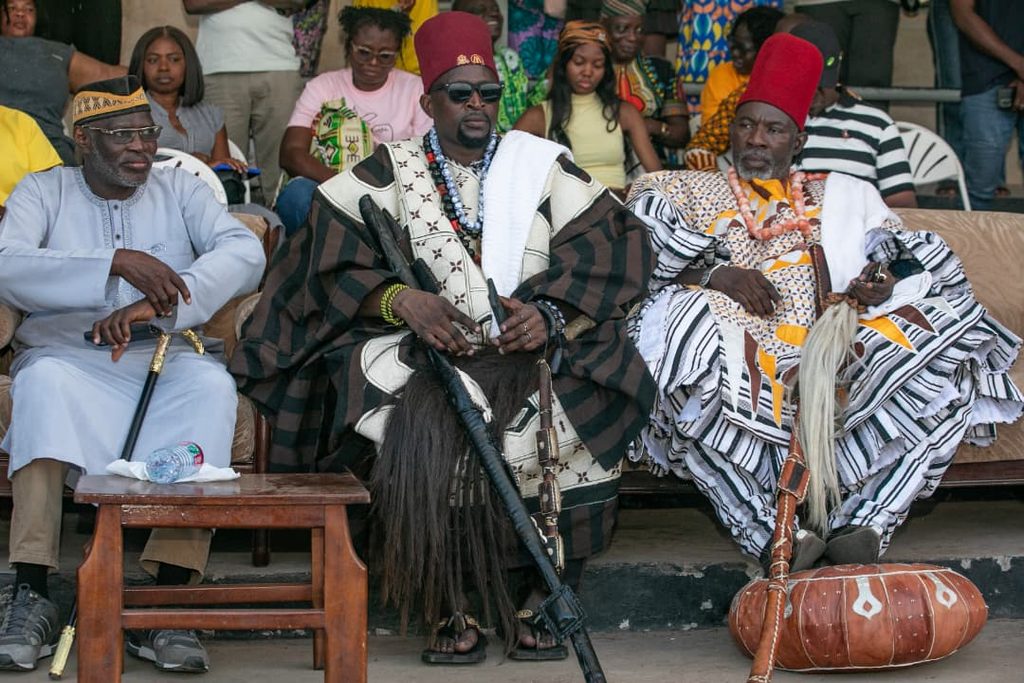
The event, which has evolved from a friendly football match into a major annual gathering, featured football, volleyball, sack races, lime and spoon, tug-of-peace and a penalty shootout for senior citizens.
At the end of the competitions, the Frafra won four events, while the Dagaaba secured victories in five, with the men’s soccer match ending in a draw.
The Frafra triumphed in the men’s lime and spoon, men’s sack race, women’s sack race and women’s soccer, while the Dagaaba won the women’s lime and spoon, men’s volleyball, women’s volleyball, women’s tug-of-peace and the senior citizens’ penalty shootout.

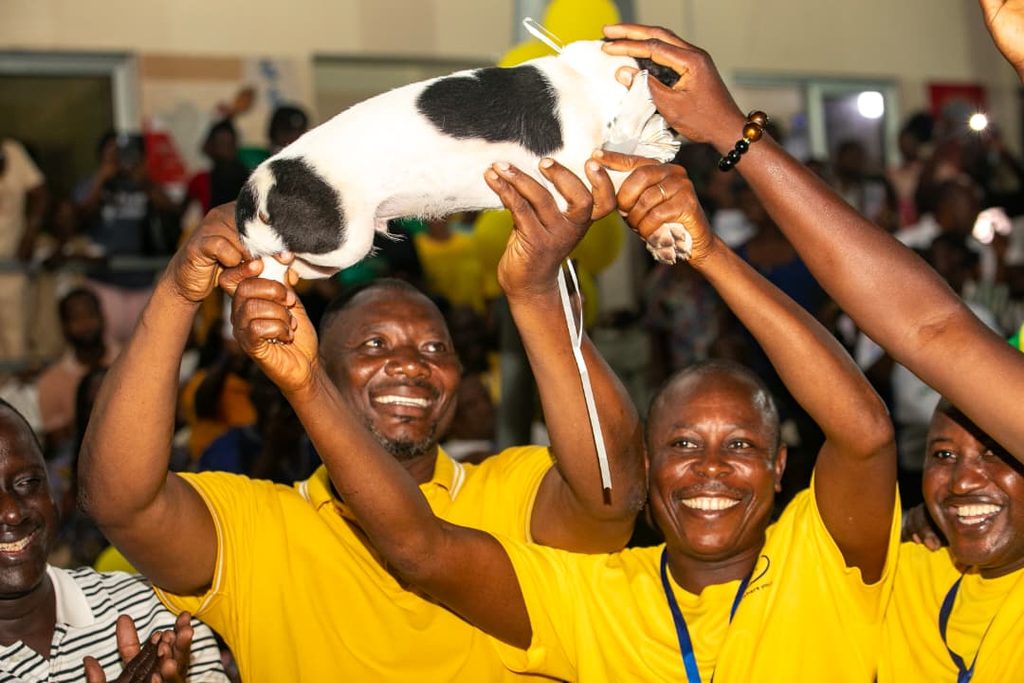
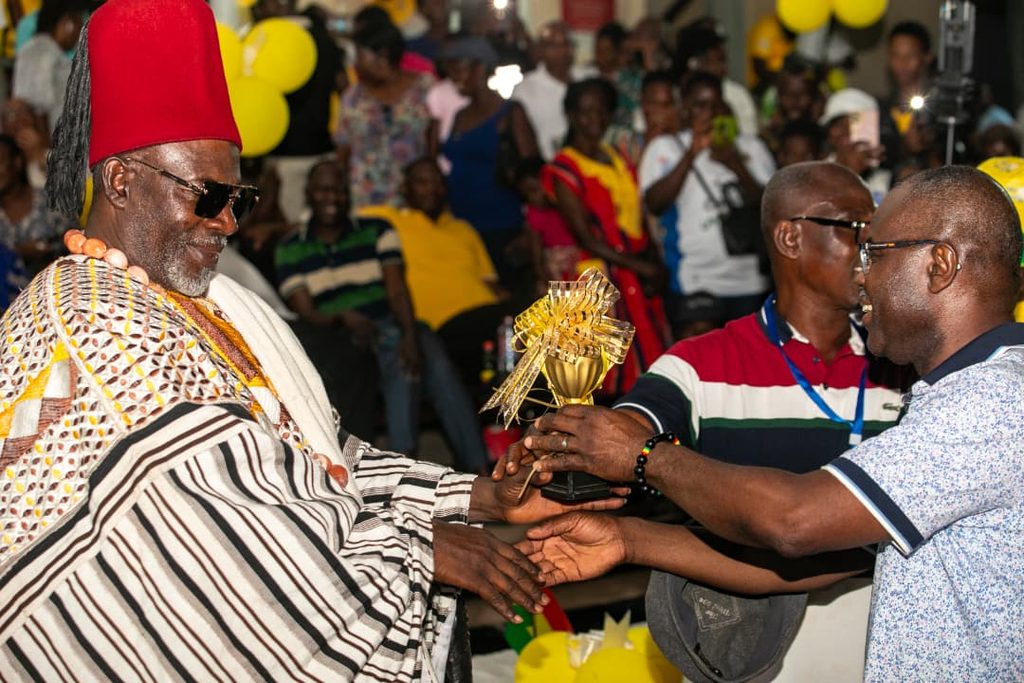
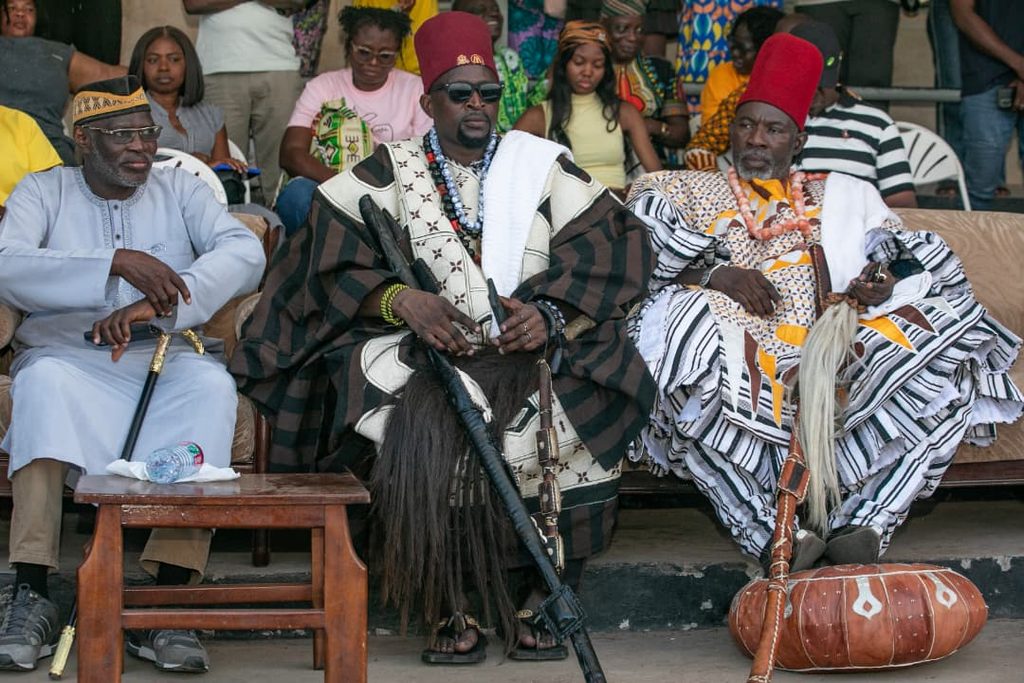
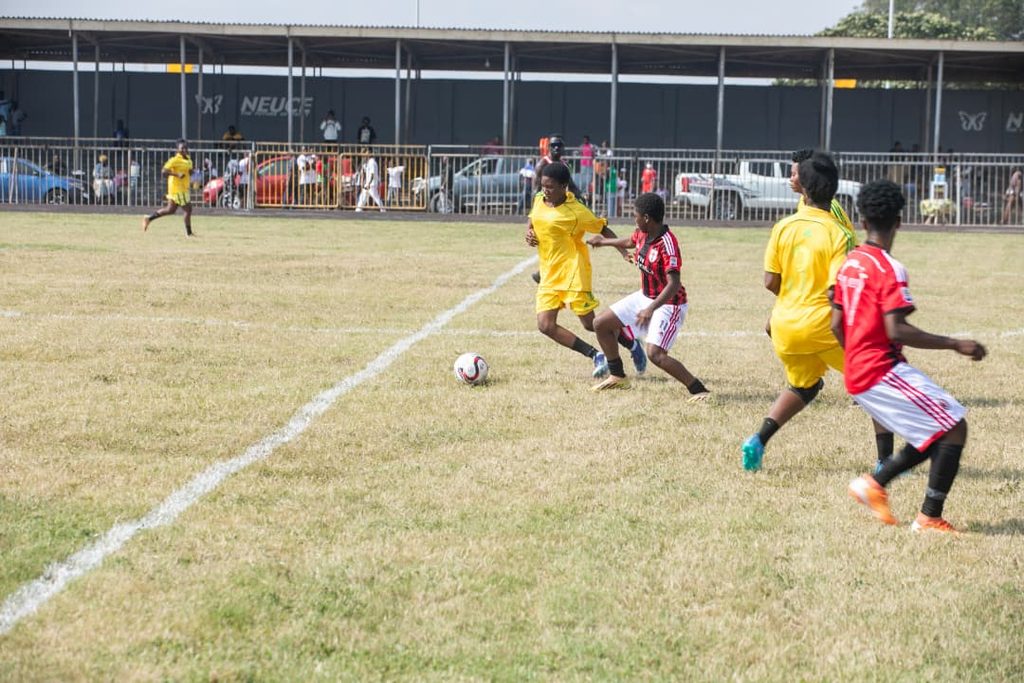
However, the games extended far beyond the sporting arena. The stadium grounds and surrounding spaces became a vibrant marketplace, with patrons enjoying and purchasing a variety of traditional foods, drinks and cultural products.
Local delicacies, including TZ, tubaani, bambara beans, pork, guinea fowl, local fowls, dog meat and kosie, were sold alongside traditional alcoholic beverages. Traditional dresses and other culturally inspired items also attracted buyers, turning the gathering into an important platform for small businesses and vendors to make sales while promoting northern Ghanaian culture.
The cultural exchange continued long after the final sporting contests, as patrons remained at the venue to eat, drink, socialise, dance and party well into the night.
In her remarks, the Guest of Honour, Dr Matilda Aberese-Ako, said the gathering represented much more than competition, describing the Dagaaba-Frafra relationship as a historic bond that had evolved into a modern sporting tradition and an instrument for peace.
MTN Ghana has been the headline sponsor for the games for the past 10 years.
By Gordon Wellu
By Gordon Wellu
SKIP THE QUEUE, TAP THE NEWS
You can now read the Ghanaian Times and The Spectator newspapers from the comfort of your device via TimesNewsPlus.
Join our WhatsApp Channel: https://whatsapp.com/channel/0029VbBElzjInlqHhl1aTU27

MTN Ghana has undertaken a tree-planting exercise at the Chipa Forest Reserve as part of its commitment to protecting the planet and support the restoration of degraded sections of the forest.
The activity forms part of the company’s 2026 Sustainability Month celebration held under the theme “Small Actions: Big Impact,” and its 30th anniversary celebration.


It was held in partnership with the Forestry Commission (FC) and the Rainforest Alliance with MTN Ghana supporting the restoration of approximately two hectares of degraded forest through the planting of 1,666 trees.
Due to the current dry weather conditions, 833 trees were planted during the exercise, with the remaining 833 to be planted when the rain commences.
The exercise brought together MTN employee volunteers, officials from the Forestry Commission and representatives of the Rainforest Alliance, demonstrating the importance of collaboration in driving environmental sustainability.
Speaking at the event, the Acting General Manager for Sustainability and Shared Value at MTN Ghana, Georgina Asare Fiagbenu, emphasized the critical role trees play in sustaining life and protecting the environment.
“Trees are essential to human survival and healthy ecosystems. They absorb carbon dioxide, release oxygen, regulate temperatures, protect soil, support biodiversity and provide habitats for many species. They also conserve water, reduce erosion and help communities adapt to the effects of climate change,” she said.
The District Manager of the Tema-Ada Forest Services Division of the Forestry Commission, Linda Ansah, welcomed MTN Ghana’s support, describing it as a valuable contribution to efforts aimed at restoring degraded sections of the reserve.
The Country Director of the Rainforest Alliance, Nicholas Jengri, also welcomed the partnership and emphasised the importance of collective action in addressing environmental challenges.
SKIP THE QUEUE, TAP THE NEWS
You can now read the Ghanaian Times and The Spectator newspapers from the comfort of your device via TimesNewsPlus.
Join our WhatsApp Channel: https://whatsapp.com/channel/0029VbBElzjInlqHhl1aTU27