Hot!
Address concerns of nurses to reduce mass exodus

- /home/u249204778/domains/spectator.com.gh/public_html/wp-content/plugins/mvp-social-buttons/mvp-social-buttons.php on line 27
https://spectator.com.gh/wp-content/uploads/2023/11/A-preterm-baby.jpg&description=Address concerns of nurses to reduce mass exodus', 'pinterestShare', 'width=750,height=350'); return false;" title="Pin This Post">
- Share
- Tweet /home/u249204778/domains/spectator.com.gh/public_html/wp-content/plugins/mvp-social-buttons/mvp-social-buttons.php on line 72
https://spectator.com.gh/wp-content/uploads/2023/11/A-preterm-baby.jpg&description=Address concerns of nurses to reduce mass exodus', 'pinterestShare', 'width=750,height=350'); return false;" title="Pin This Post">
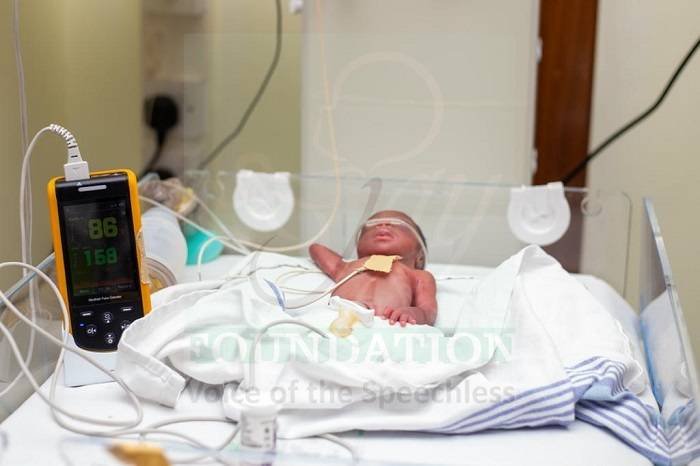
A preterm baby
Award winning neonatal healthcare advocate, Madam NaaKuorkorMayne-Eghan, has passionately appealed to Ghanaian nurses travelling to Europe for greener pastures to reconsider their decisions.
According to her, it was important to seek improvement in one’s life but their action would also endanger the lives of the hundreds of patients they left behind, especially babies that needed the best of care.
Speaking with The Spectator, Naa Mayne-Eghan, who doubles as the Chief Executive Officer (CEO) of Jay Foundation,mentioned the poor working conditions and low remuneration as reasons for the mass nurses’ migration.
“I wish these health professionals would ponder over the consequences of leaving the preterm babies and infants at the healthcare facilities in the hands of few professionals.
“These fragile babies require special attention and care at the hospitals. The presence of more healthcare workers will improve their chances ofsurvival at the neonatal intensive care units (NICUs),” she said.
She said the current situation if not addressed could lead to severe repercussions and increase infant mortality rate in the country.
Making reference to a Ghana Registered Nurses and Midwives Association (GRNMA) reports, she said over 4,000 nurses left Ghana for Europe between January and July 2023.
To reduce the menace, Naa Mayne- Eghan appealed to government to provide the necessary incentives and tools for health workers to stay in the country.
“I’m appealing to the nurses and doctors to have sympathy and continue taking care of preterm babies because they are already facing harsh conditions,” she pleaded.
She said her organisation was committed to working to refurbish NICUs in Ghana by providing the needed equipment and items to improve neonatal healthcare.
Naa Mayne-Eghan called for collaboration in the provision of essential equipment for healthcare facilities to discharge their duties effectively to save lives.
By Alfred Ankrah


The University of Ghana Medical Centre (UGMC) has disputed claims made on social media by comedian Michael Blackson concerning the treatment given to his late mother, saying a review found that the allegations did not accurately reflect what happened during her stay at the hospital.
In a statement issued in Accra on August 5, 2026, the management of UGMC expressed condolences to Mr. Blackson and his family over the death of his 83-year-old mother, who died at the facility on July 16, 2026.
The hospital said it had taken the concerns raised by Mr. Blackson seriously and conducted a thorough review in line with its clinical and administrative procedures.
According to the statement, the facts presented by Mr. Blackson on social media contained “numerous inaccuracies” and did not accurately reflect the medical care provided to his mother.
UGMC explained that she was referred to the facility from another hospital and received treatment there from May 27 to July 16, 2026, a period of about eight weeks.
The hospital stated that it would not release details of her diagnosis, treatment, medical records or other aspects of her care because it had a duty to protect patient confidentiality, even after death.
It said the decision was intended to respect the dignity of the deceased and the privacy of her family.
UGMC further stated that all clinical decisions at the facility are made by qualified healthcare professionals based on medical judgment, established standards of care and the best interests of the patient.
The statement added that such decisions are made in consultation with authorised family representatives where necessary and that billing and financial procedures are governed by institutional policies and are separate from clinical decision-making.
The hospital noted that it values feedback from patients and their families and considers both positive and negative comments important for improving the quality of care.
Mr. Blackson had earlier used social media to criticise the care his mother received at UGMC, prompting the hospital’s response.
By: Jacob Aggrey
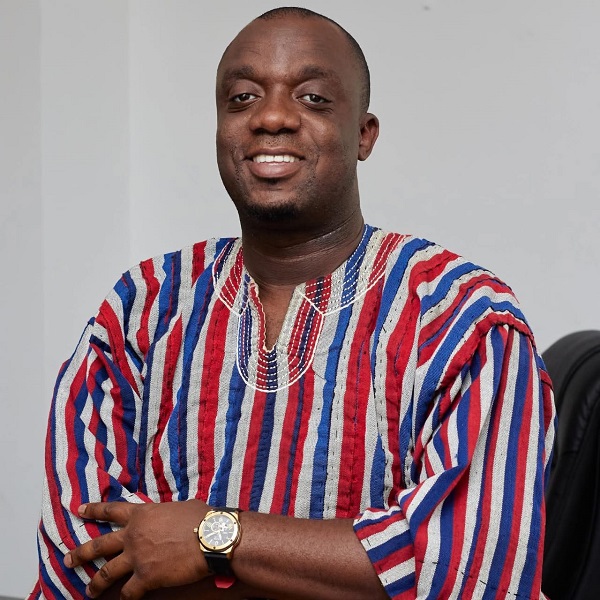
The New Patriotic Party (NPP) has directed all aspirants campaigning in the Greater Accra Region to suspend their campaign activities on August 5 and 6 and instead mobilise supporters for the party’s planned “Democracy Under Attack” demonstration.
The directive was issued by the party’s National Steering Committee in a statement signed by the NPP General Secretary, Justin Kodua Frimpong, on Tuesday.
According to the statement, the decision forms part of efforts to ensure a strong turnout for the demonstration, which is scheduled for Thursday, August 6, 2026.
The party said the protest would begin at 5:00 a.m., with participants expected to gather at the Supreme Court in Accra.
It further directed Regional, Constituency and Polling Station Executives in Greater Accra to work closely to mobilise members and supporters for the event.
“The National Steering Committee is calling on all aspirants currently campaigning across the Greater Accra Region to temporarily suspend their campaign activities on the 5th and 6th of August and join in mobilising support for the upcoming demonstration,” the statement noted.
The NPP appealed to party members and supporters to remain peaceful, disciplined and orderly throughout the protest.
The demonstration forms part of the party’s response to concerns it has raised over issues relating to Ghana’s democratic governance and the justice system.
The NPP leadership expressed confidence that party members would cooperate fully to ensure a successful and peaceful event.
By: Jacob Aggrey

 News1 week ago
Prof. Kwabena Twerefou holds inaugural lecture; calls for better stewardship of Ghana’s natural resources
- News1 week ago
Ahanta Heritage Month: Diplomats, youth tour forts, Cape Three Points and historic sites
- News1 week ago
University of Ghana Students begin 3-Day “Campus to Countries” tour of Togo and Benin