News
GHS, UNICEF train 100 health workers as Safety Net Intervention expands in C/R

The Ghana Health Service, with UNICEF support, has trained 100 healthcare providers on adolescent-friendly maternal healthcare services as it expands its Safety Net Intervention programme to 44 additional health facilities in the Central Region.
The one-day training, held in two sessions, equipped midwives, community health nurses, health information officers and district focal persons with the knowledge and practical skills needed to implement the initiative effectively and improve pregnancy outcomes among pregnant adolescents.
The Safety Net Intervention is a special initiative that seeks to address health and social challenges associated with adolescent pregnancy with a comprehensive service including antenatal and postnatal care, skilled delivery services, postpartum family planning, home visits and connections to education and social support services.
By this intervention, the GHS and UNCEF are seeking to mitigate the incidence of adolescent pregnancy, maternal deaths among adolescent girls, neonatal deaths among babies born to adolescent mothers, and child marriage.
They are also seeking increased uptake of postpartum family planning among adolescent mothers and improved educational continuity and economic resilience for adolescent girls.
Mrs Emma Delali Foli, the Central Regional Focal Person for the Safety Net Intervention, explained that pregnant adolescents often faced heightened health risks and limited social support, highlighting the need for specialised healthcare and social interventions.
She said the intervention was introduced in six districts in the Central Region in 2020 and had expanded steadily over the years to 16 of the region’s 22 districts.
Following the addition of the 44 new facilities, the programme was now being implemented in 176 health facilities, with a goal of covering all 22 districts in the short possible time, she added.
Mrs Foli noted that since its introduction, the programme had benefited more than 5,000 pregnant adolescents in the Central Region, while strengthening collaboration with institutions such as the Department of Social Welfare, the Ghana Education Service, the National Youth Authority and the Domestic Violence and Victim Support Unit (DOVVSU).
The intervention, she said, had also contributed to increased uptake of postpartum family planning, stronger referral systems, greater access to social protection services and enhanced involvement of caregivers throughout pregnancy and childbirth.
Mrs Foli indicated that the newly trained health workers were expected to replicate the training at their respective facilities to ensure that other members of the healthcare team were adequately equipped to implement the intervention.
“This is new to them and so they have been trained on the concepts, objectives and goals of the Safety Net Intervention. The components of the intervention, as well as the importance of documentation and reporting, have also been emphasised,” she said.-GNA

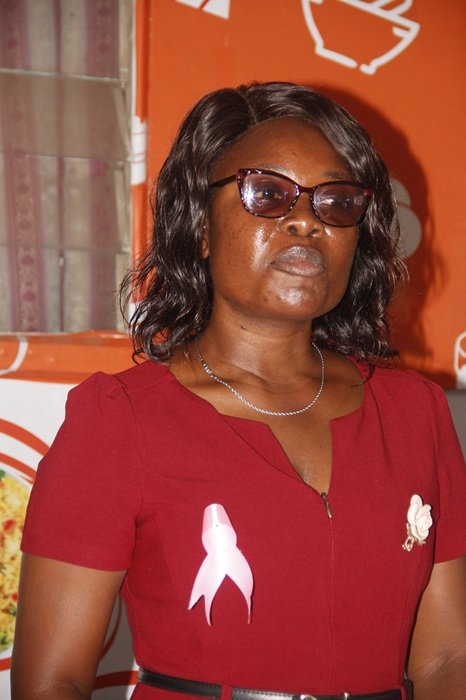
Medical Doctor and dietician, Dr Bernice Korkor Asare, has urged women to take greater responsibility for their lifestyle choices, particularly their eating habits and levels of physical activity, to help reduce their risk of developing breast cancer.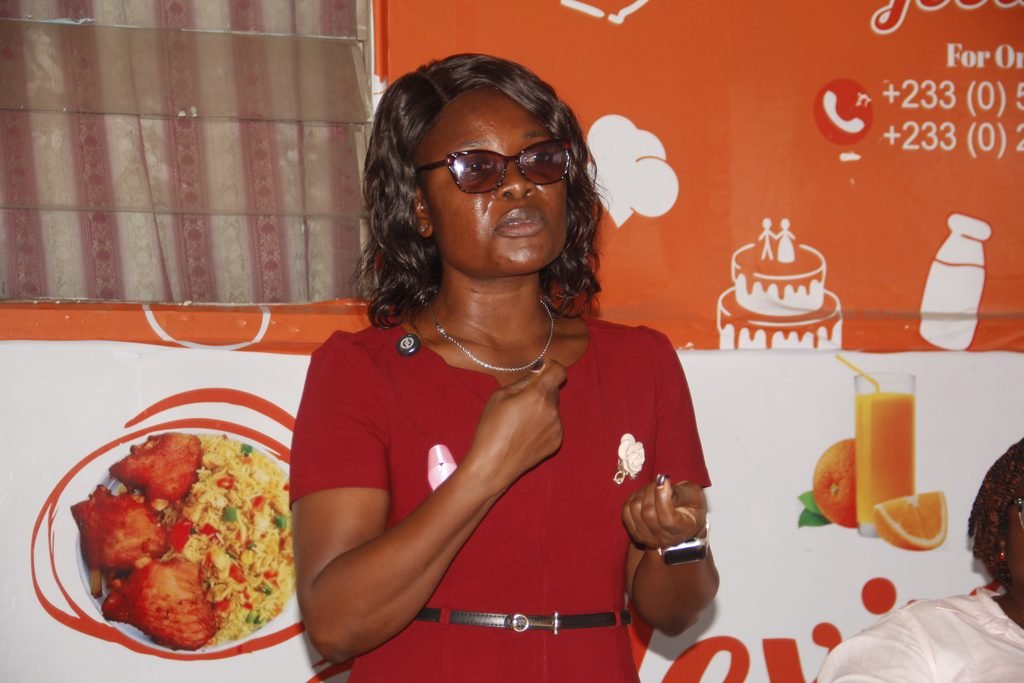
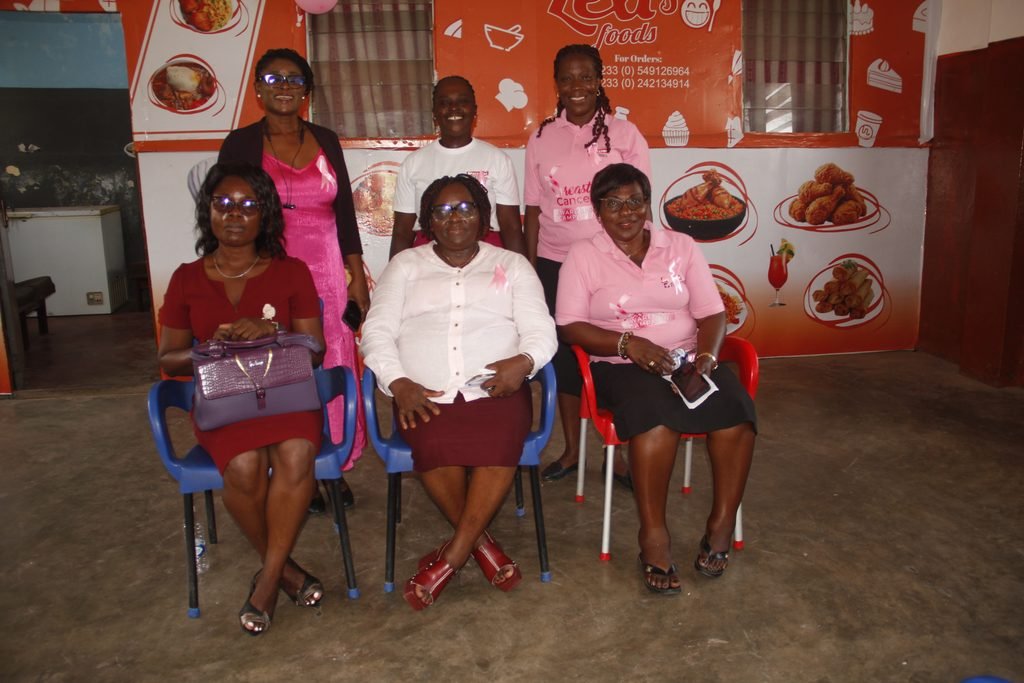
According to her, although, some breast cancer risk factors, such as family history and certain reproductive factors, may not be within an individual’s control, lifestyle choices offer an opportunity for people to take preventive action.
She made this known during a talk on the topic: “Role of diet in breast cancer prevention” organised by Times Ladies Association of the New Times Corporation, publishers of The Ghanaian Times and The Spectator, in Accra on Thursday.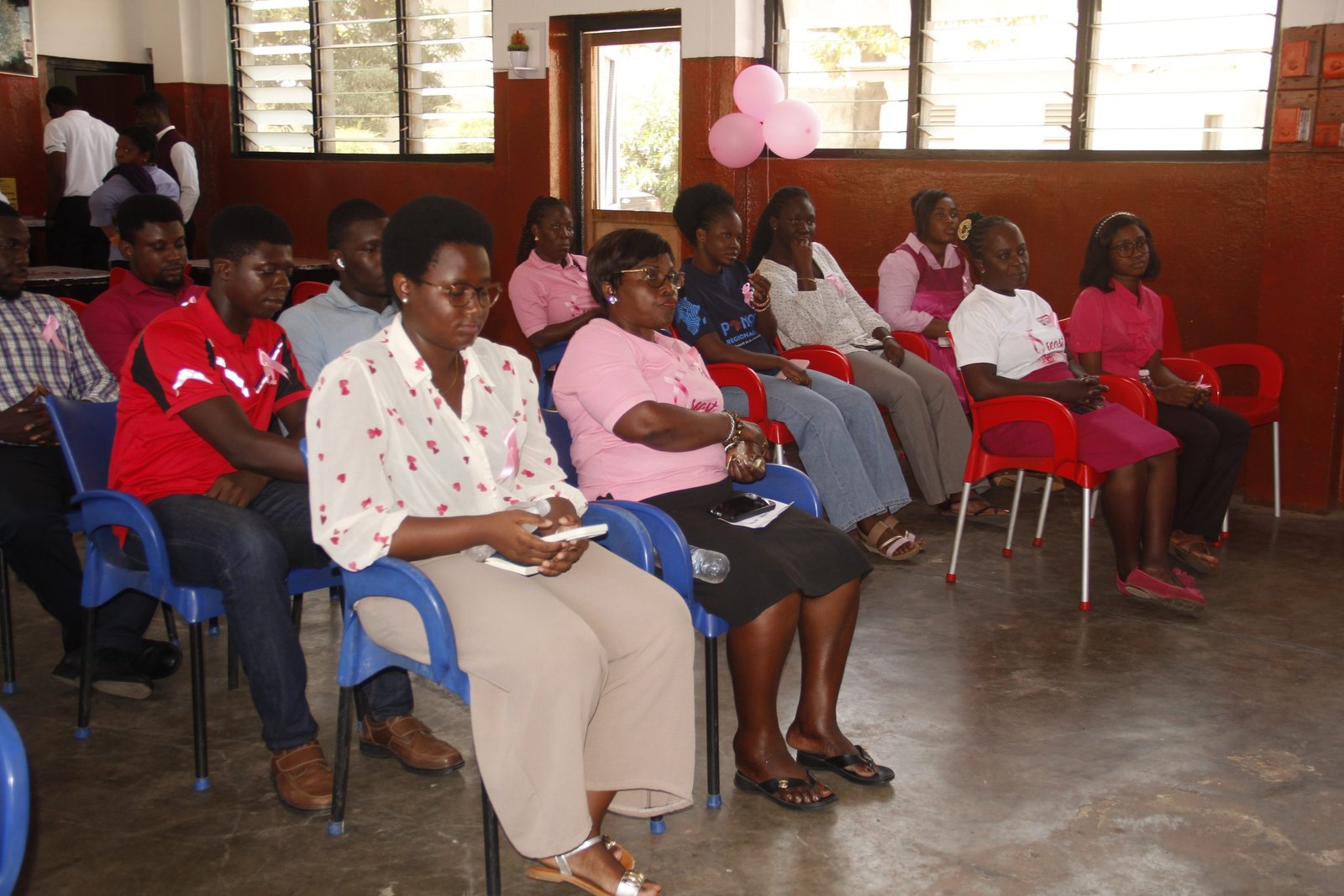
The event themed “Breast Cancer Awareness- Promoting Early Detection, Healthy Eating and Prevention.” 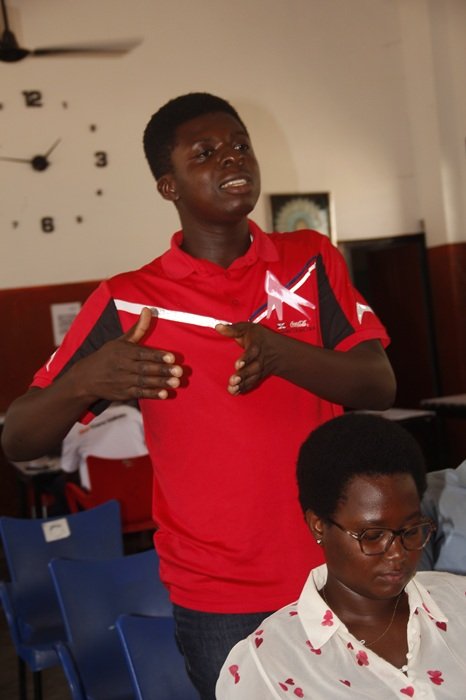
She noted that having a risk factor did not automatically mean a person would develop breast cancer, but could increase the likelihood of developing the disease compared with someone without that particular risk factor.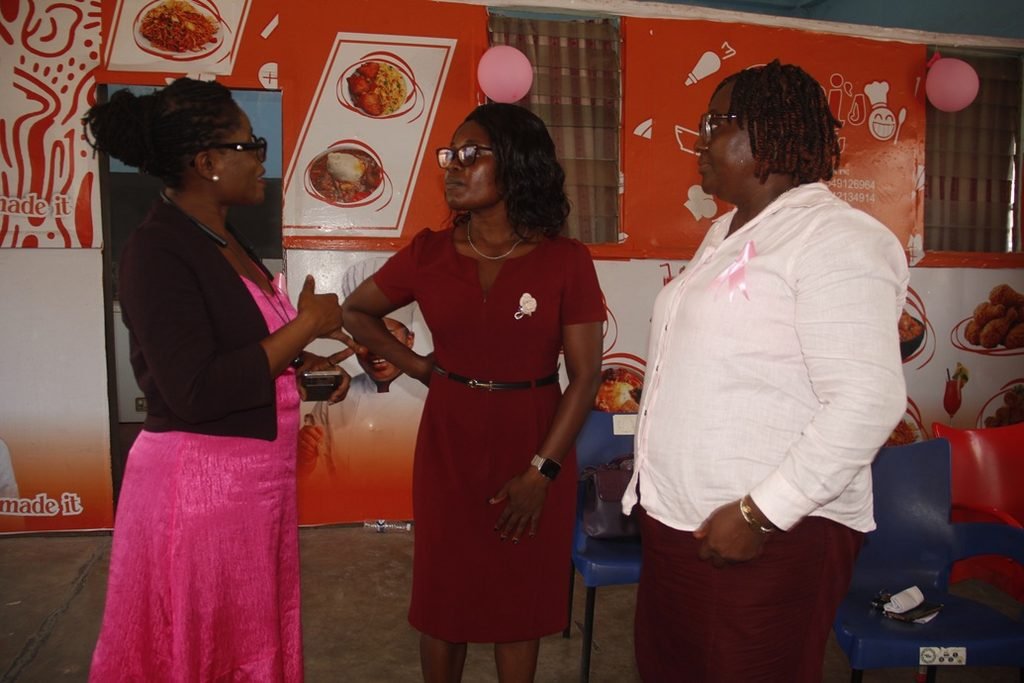
“Having close relatives who have had breast cancer, particularly a mother, sister or daughter, may increase the risk, although not everyone with a family history will develop the disease,” Dr Asare opined. Read More.
By Adizatu K. Munkaila
SKIP THE QUEUE, TAP THE NEWS
Read Daily News
You can now read the Ghanaian Times and The Spectator newspapers from the comfort of your device via TimesNewsPlus.
Buy Maps
Join our WhatsApp Channel: https://whatsapp.com/channel/0029VbBElzjInlqHhl1aTU27
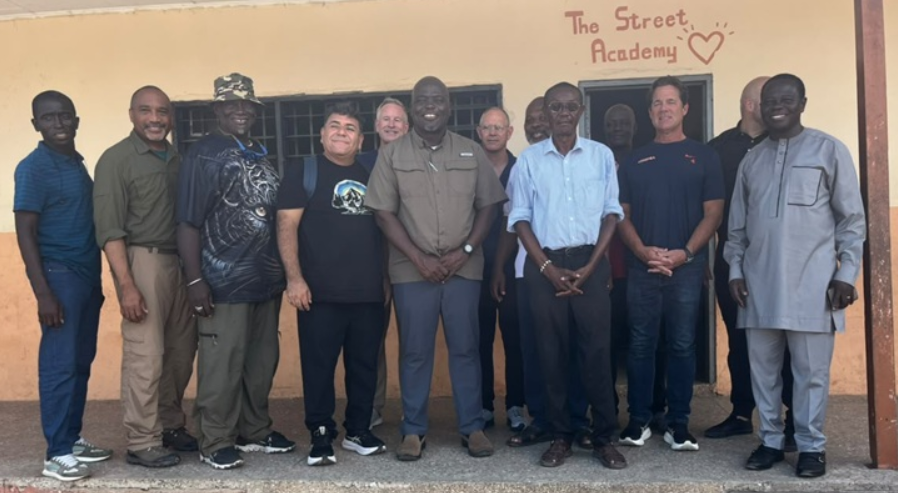
A group of compassionate friends from Innovation Gospel Impact last Friday visited the management, teachers and learners of the Street Academy in Accra.
The visit was to interact to get a deeper insight into the operations of the Academy that houses hundreds of street and underprivileged children and find ways to support them.
The team was led by Rev. Dr Isaac Apenteng Yeboah, a former Director for West African Mailbox Club and Director for Prisons Support Foundation, and Rev. Dale Sutherland from Washington DC.
The call, according to the visitors was occasioned by reports about the struggles of the Academy despite the occasional support it enjoys from individuals and some corporate entities.
Briefing them, the Founder and Executive Director of the Academy, Dr Ataa Lartey, thanked them for the concern showed, indicating that “this is a major boost for both teachers and learners; knowing that their plight is known by people outside their premises.”
According Dr Lartey, the Academy had planned to undertake a number of project to enhance teaching and learning and also procure facilities for the children with keen interest in sports but had to shelve those plans for lack of finance.
He told the team that their biggest concerns were the monthly utility bills that takes a toll on their finances.
“We have a piece of land we planned to turn into an astro turf pitch to train the younger ones whose interests lies in making a career out of football, however, we have been unable to commence because there is no money now,” he said.
Dr Lartey expressed gratitude to the teachers who have dedicated their lives to training these children, rather than going for well-paying jobs and hoped that with time, their conditions of engagement would improve.
Moved by the plight of the Academy, the group donated a cash amount of Gh₵3,000 to settle its water bills.
They described as unfortunate the conditions of learners and teachers of the Academy and pledged to continuously support their operations to realize the dream to build a better future for the unfortunate children.
The group offered to support the school with its monthly utility bills, feeding and staff allowance and urged the Academy staff to remain in constant touch with them.
The Street Academy is located at the Accra Art Center and offers brilliant but needy the chance to pursue their educational dreams by enrolling them in public schools with others offered training in sports and cultural activities.
By Spectator Reporter
SKIP THE QUEUE, TAP THE NEWS
You can now read the Ghanaian Times and The Spectator newspapers from the comfort of your device via TimesNewsPlus.
Join our WhatsApp Channel: https://whatsapp.com/channel/0029VbBElzjInlqHhl1aTU27