News
Ahanta Heritage Month: Diplomats, youth tour forts, Cape Three Points and historic sites

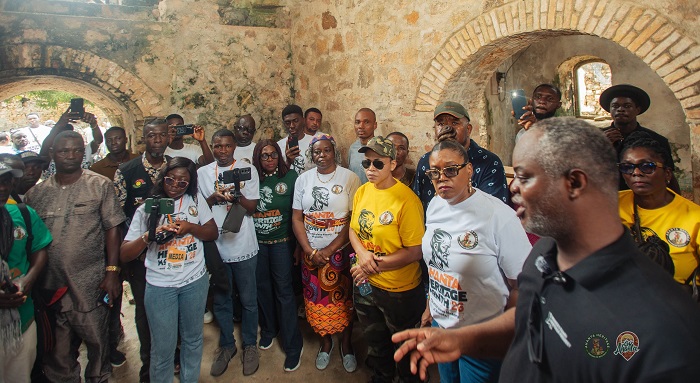
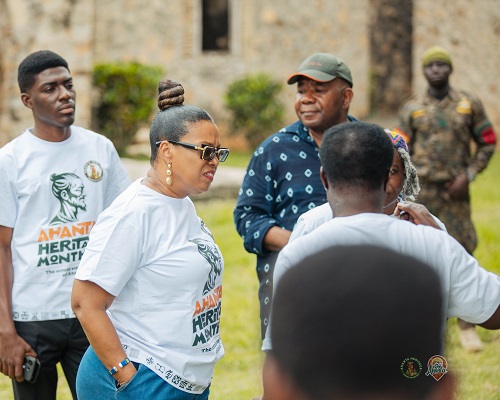
Ghana’s south-western coastline became the meeting point of history, diplomacy and cultural heritage on Saturday, July 26, 2026, as foreign diplomats, a senior UNESCO official and members of the international community embarked on a historic tour of Ahanta West’s centuries-old forts and landmarks during the 2026 Ahanta Heritage Month celebrations.
The Ahanta Heritage Month spanned throughout the whole of July 2026.
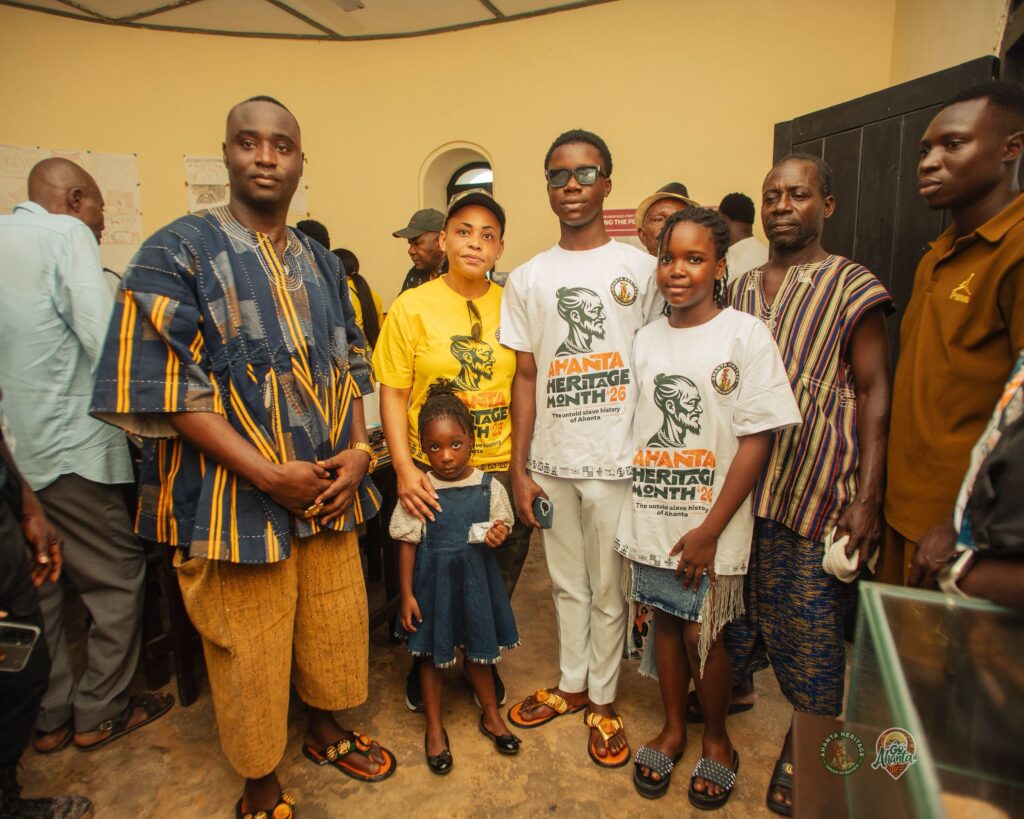
The tour, one of the flagship events of the 2026 Ahanta Heritage Month celebrations, brought together ambassadors, traditional leaders, heritage enthusiasts, and a vibrant contingent of students and young people from schools across the Ahanta West Municipality.
The intergenerational and multicultural gathering transformed the excursion into a powerful journey of remembrance, education and cultural diplomacy.
Organised by the Member of Parliament for Ahanta West, Mavis Kuukua Bissue, the carefully curated itinerary took participants to the historic Fort Gross Friedrichsburg at Princes Town, the iconic Cape Three Points, and Fort Batenstein in Butre before concluding with a courtesy call on the Chief of Butre at his palace.
The tour began at Fort Gross Friedrichsburg, one of the least-known but most historically significant European forts on Ghana’s coastline.
Constructed in the late seventeenth century by the Brandenburg African Company, the imposing fortress remains one of the few colonial forts on the Gold Coast built by a German state, rather than the Portuguese, Dutch or British powers that dominated much of the coast.
Perched majestically above Princes Town, the fort offers sweeping views of the Atlantic Ocean and stands as a silent witness to centuries of trade, diplomacy and conflict.
From Princes Town, the delegation travelled to Cape Three Points, mainland Ghana’s southernmost tip, where participants enjoyed panoramic views from the historic lighthouse while taking refreshments against the breathtaking backdrop of the Gulf of Guinea.
Renowned for its dramatic coastline, pristine rainforest and maritime significance, the location offered visitors a glimpse into the natural landscape that shaped centuries of seafaring and commerce along Ghana’s western coast.
The final stop carried profound historical symbolism. At Fort Batenstein in Butre, visitors explored the former administrative headquarters from which Dutch colonial authorities managed their relations with the Ahanta Kingdom.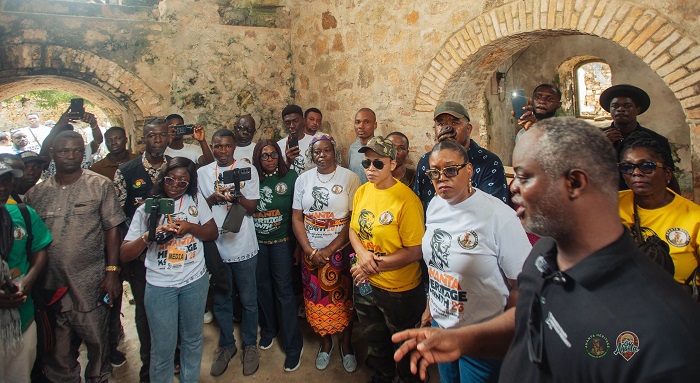
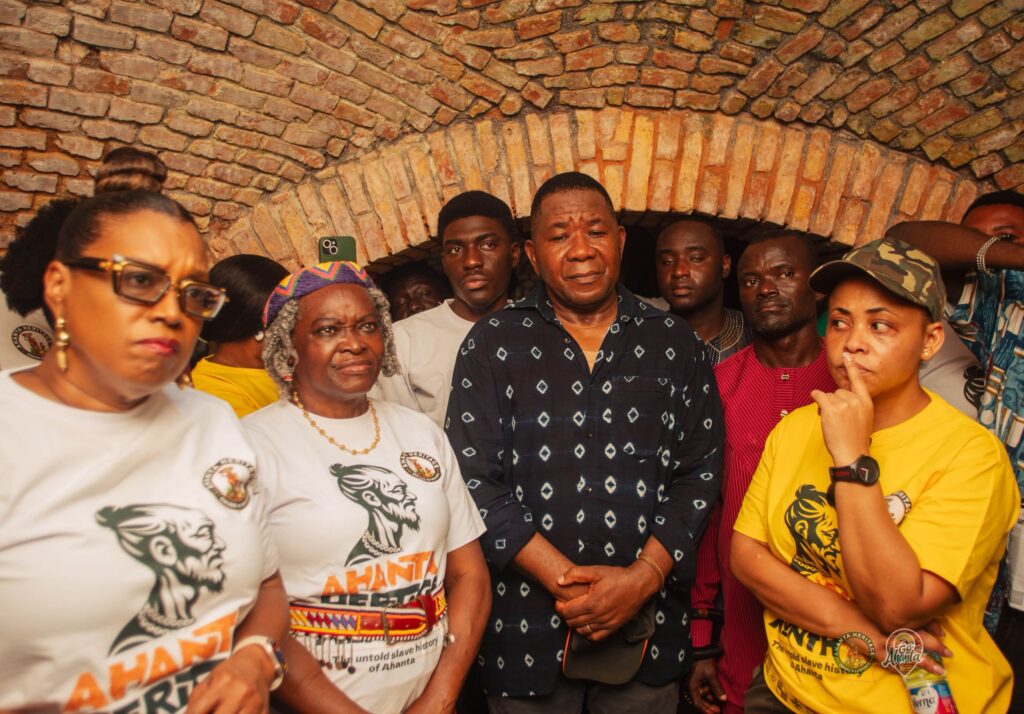
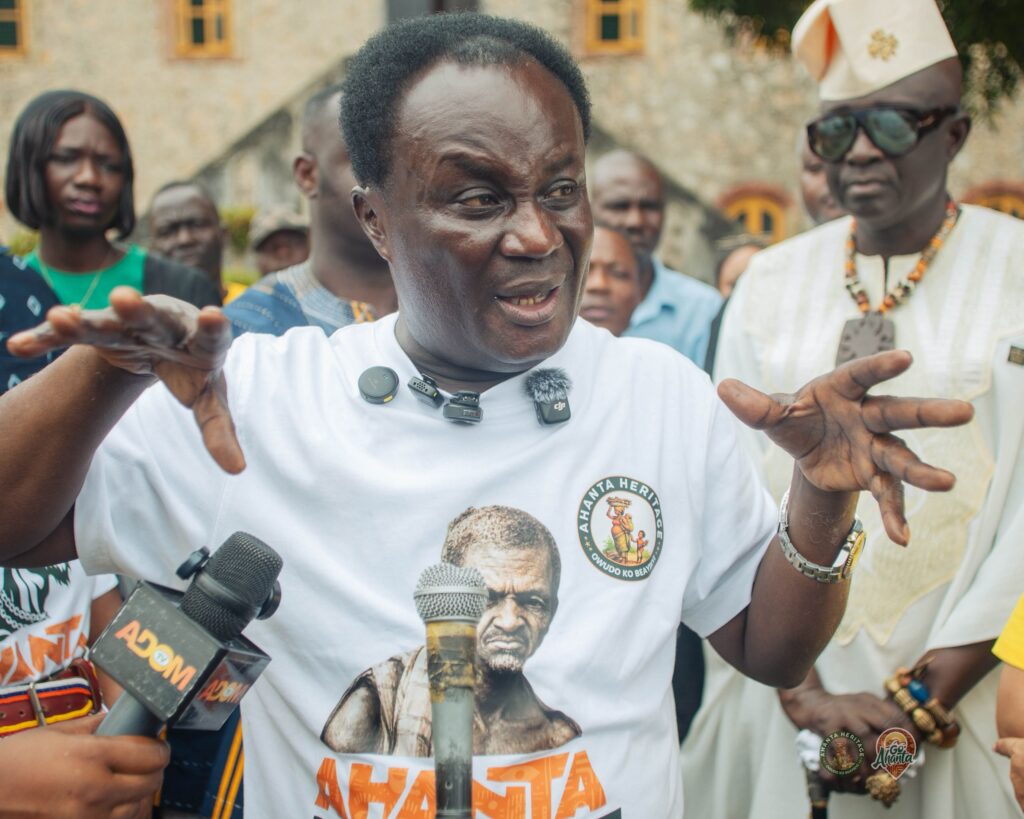
The fort remains forever linked to one of the defining moments in Ahanta history, the resistance and subsequent execution of Otumfuo Nana Badu Bonsu II in 1838.
The delegation concluded its visit with a traditional courtesy call on the Chief of Butre, honouring the customs of the historic Ahanta state.
The heritage tour attracted an impressive international delegation, highlighting growing global interest in Ghana’s historical role in the transatlantic slave trade and its enduring connections with the African diaspora.
Among the distinguished participants were Barbados’ High Commissioner to Ghana, H.E. Juliette Bynoe-Sutherland, Suriname’s Ambassador to Ghana, H.E. Fidelia Graand-Galon, and UNESCO’s Representative to Ghana, Edmond Moukala N’Gouemo, whose organisation continues to champion the preservation of Ghana’s forts and castles as World Heritage Sites and enduring symbols of shared human history.
Also joining the delegation was the Divisional Chief of Agona, together with heritage officials who guided participants through the historical significance of each location.
Interwoven with the diplomatic delegation were busloads of schoolchildren, students and youth from the Ahanta West Municipality, many visiting the forts for the very first time as well as members of Ghana’s international community.
Their participation underscored the organisers’ commitment to making heritage education accessible to younger generations while fostering greater cross-cultural understanding.
The sequence of destinations was deliberately designed to tell the complete story of Ahanta’s engagement with European powers from the establishment of fortified trading posts in the seventeenth century, through the strategic maritime importance of Cape Three Points, to the tragic events surrounding the resistance of Nana Badu Bonsu II at Butre.
The tour also served as a prelude to the unveiling of a bronze statue in honour of the revered Ahanta king at Agona Nkwanta the following day, providing visiting dignitaries with valuable historical context before participating in the official commemorative ceremonies.
For Mavis Kuukua Bissue, the driving force behind the Ahanta Heritage Month initiative, the heritage tour represents a broader vision of repositioning Ahanta West as one of Ghana’s premier heritage tourism destinations.
By showcasing the municipality’s remarkable collection of European forts alongside globally recognised sites such as Cape Coast and Elmina Castles, the initiative seeks not only to preserve an important chapter of Ghana’s history but also to strengthen cultural and historical ties with nations across the African diaspora whose stories remain inseparably linked to this historic coastline.


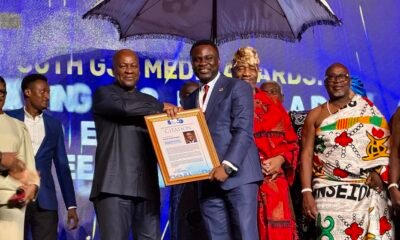




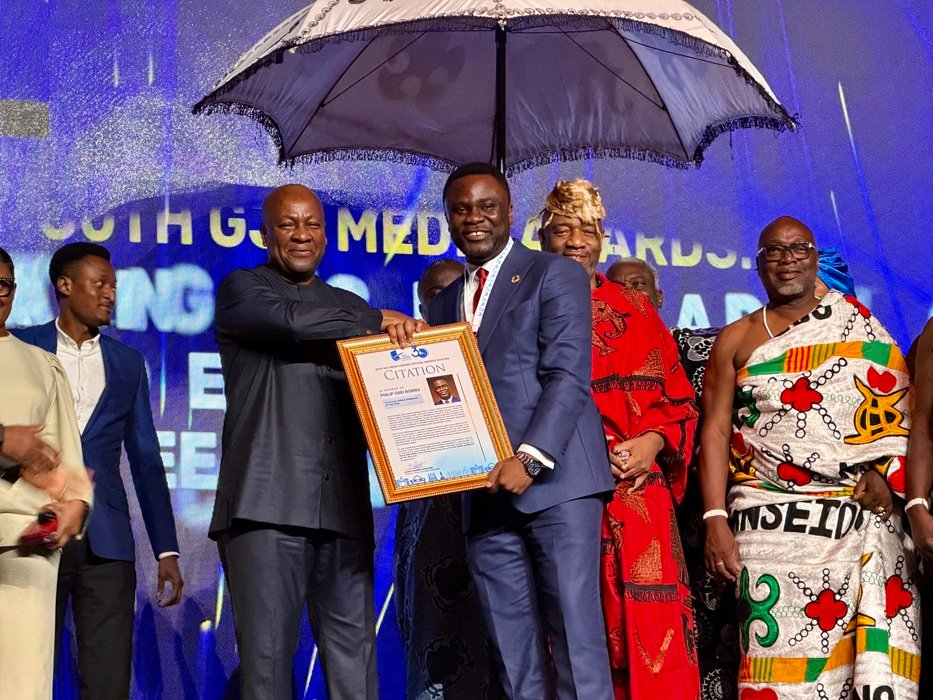
The 30th Ghana Journalists Association (GJA) Media Awards has celebrated three decades of recognising excellence and contributions to journalism and national development, while highlighting the media’s role in Ghana’s democracy.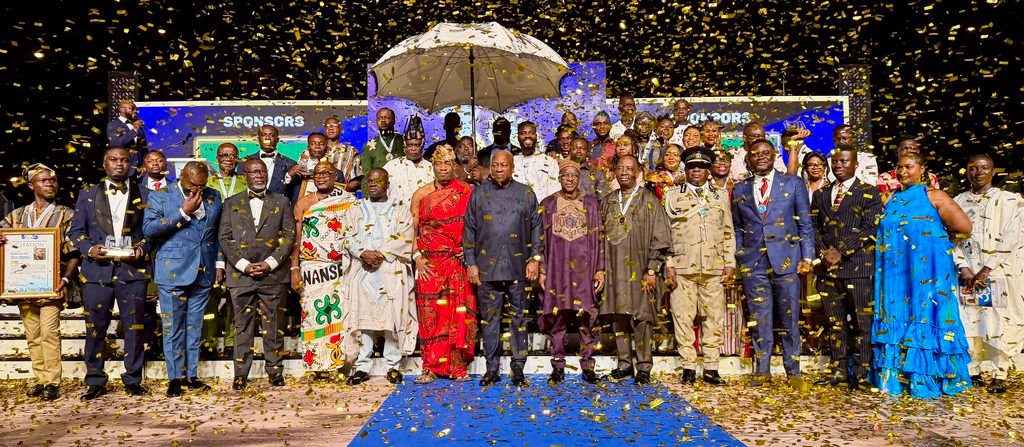
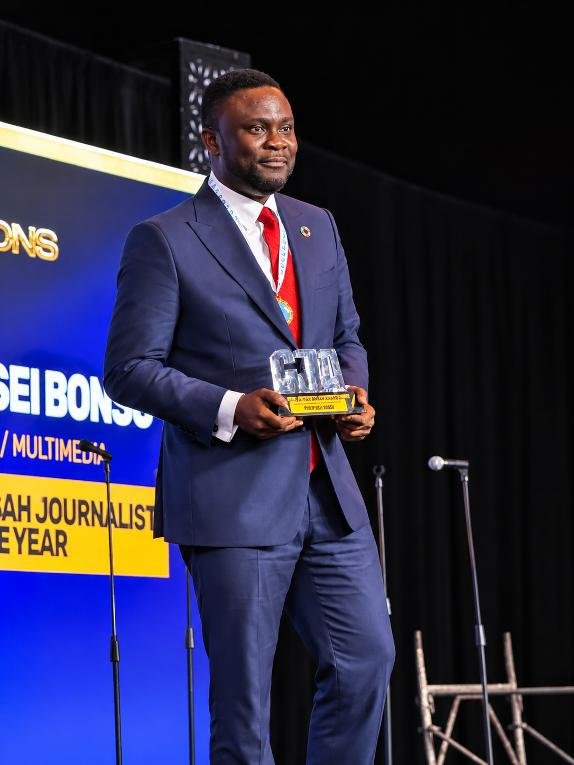
Marking the milestone, Philip Osei Bonsu of the Multimedia Group emerged as the GJA/P.A.V. Ansah Journalist of the Year.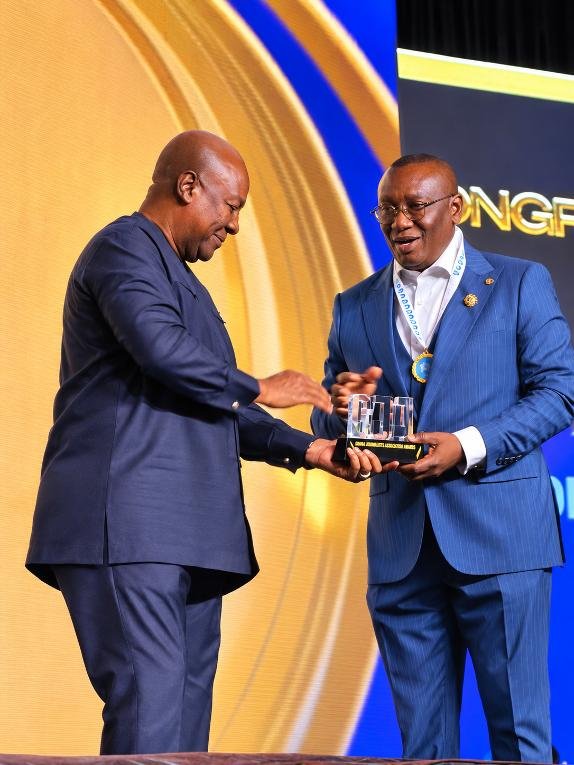
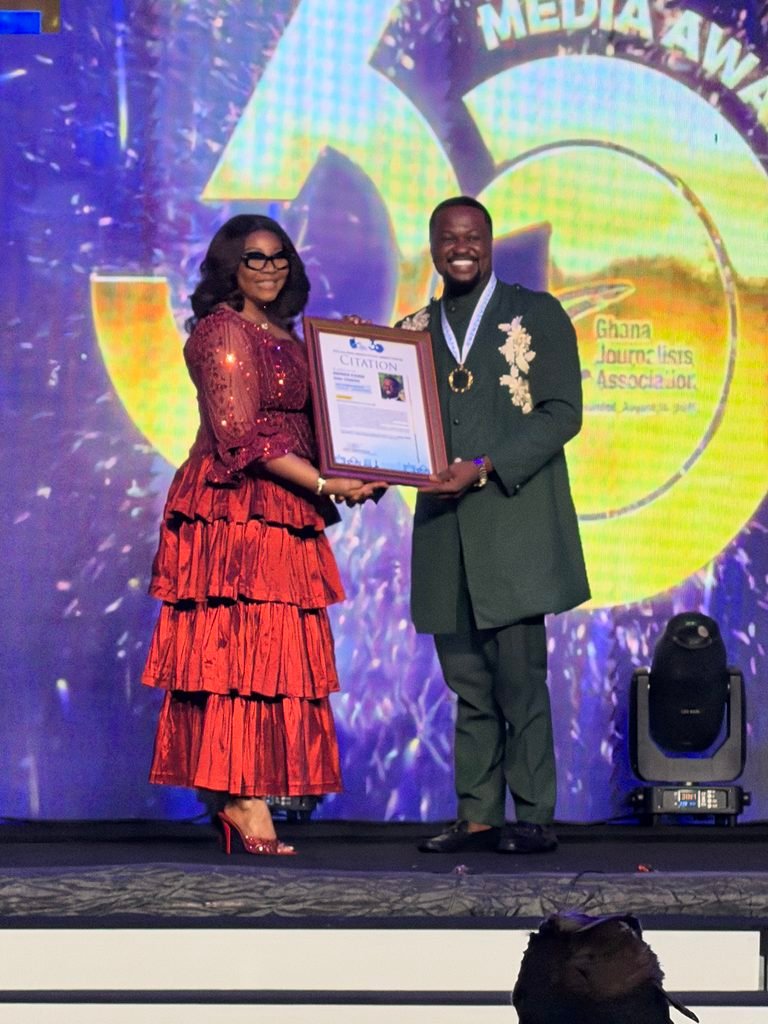
The Ghanaian Times’ Benedicta Gyimah Foley won the Best Feature Reporting, Print category, alongside other journalists recognised across various media platforms.
Other winners included Nathaniel Attoh, Best in Sports Reporting; and Godwin Asediba of Media General, Best in TV Documentary; Doreen Ampofo of GBC, Best in Radio Documentary; and freelance journalist Nii Adjei Mensahfio, Best in Online Documentary.
Daniel Kwabena Mantey was adjudged Best in TV Feature, while Clinton Yeboah of Luv FM won Best in Radio Feature, with Gilbert Azeem Tiroog of GNA taking Best in Online Features.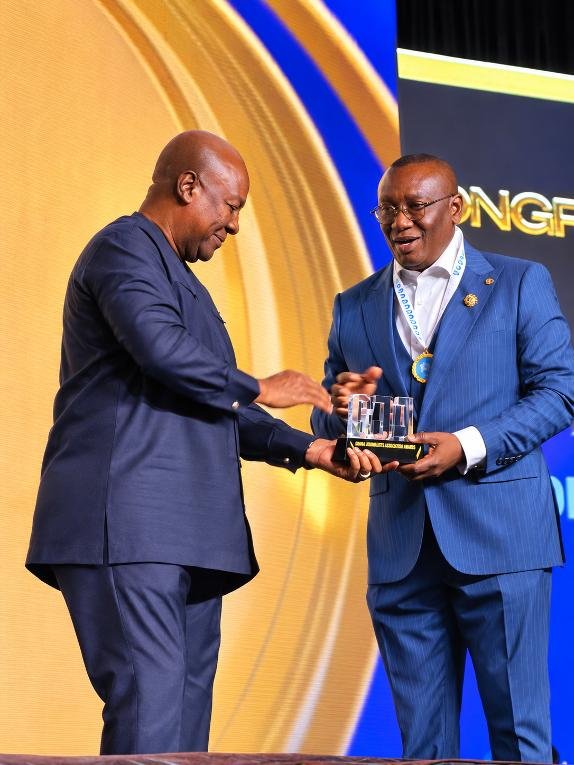
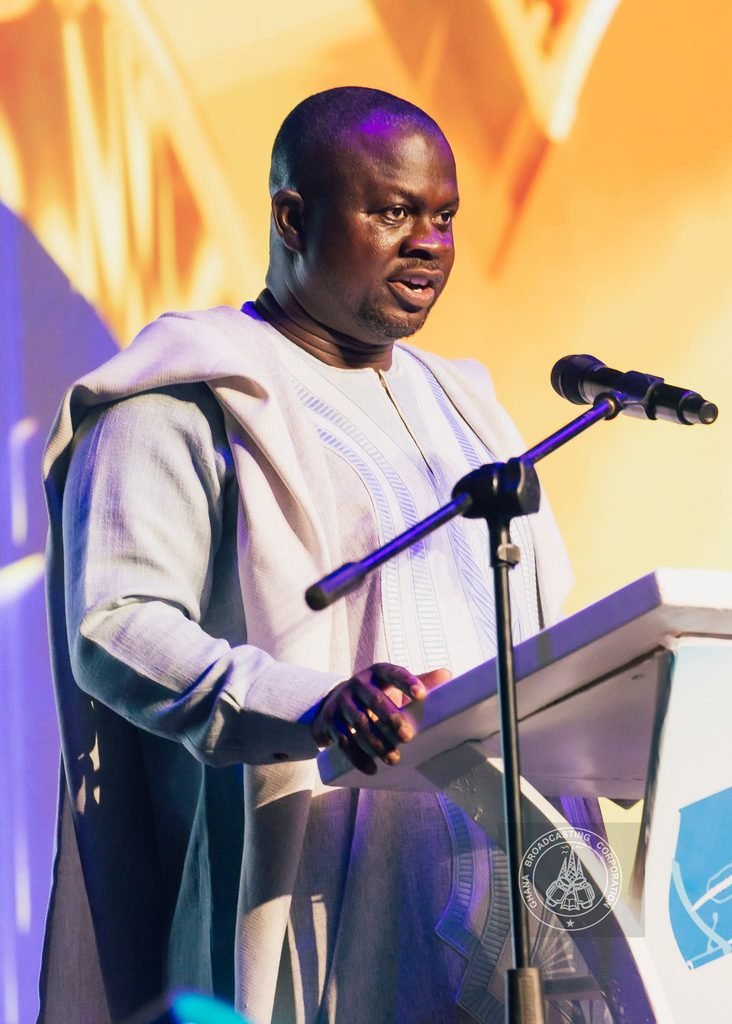
For news reporting, Mohammed Fugu of the Daily Graphic won Best in Print News Reporting, Nabil Ahmed Rufai, a freelance journalist, Best in TV News Reporting; Ridwan Karim Dini-Osman of EIB Network, Best in Radio News Reporting; and Timothy Ngnenbe of the Daily Graphic, Best in Online News.
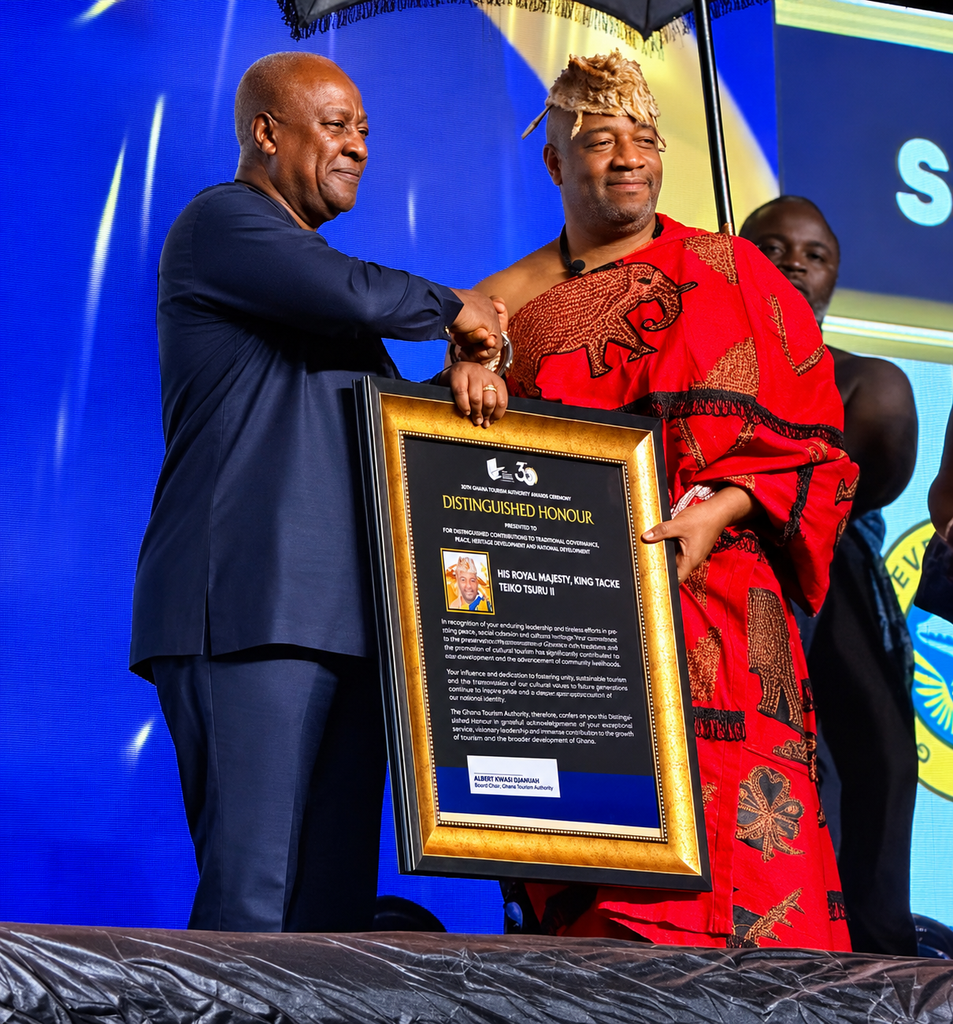
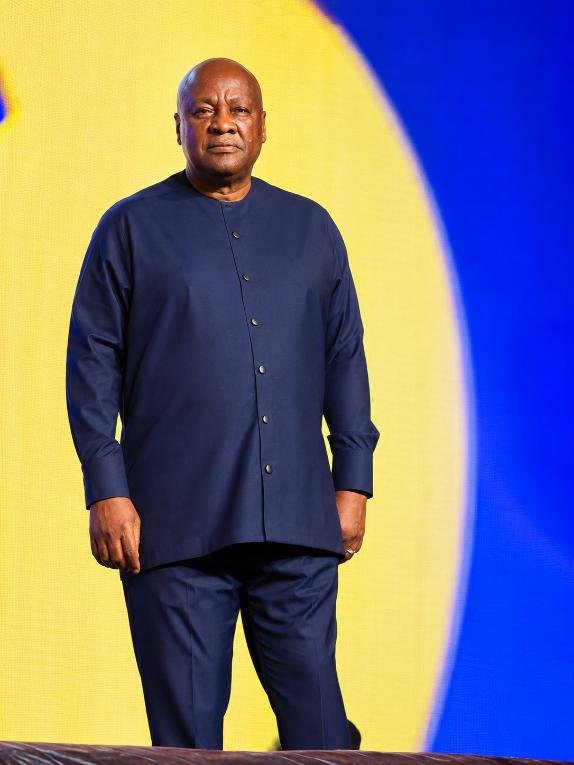
The ceremony, held in Accra last Saturday on the theme, “Celebrating Excellence, Advancing Media Freedom and Combating Hate Speech in the Digital Age”, was attended by President John Dramani Mahama as the special guest of honour.
Also in attendance were the Ga Mantse, King Tackie Teiko Tsuru II, and the Inspector-General of Police, Mr Christian Tetteh Yohuno, among others.
In his address, President Mahama announced a GH₵10 million allocation in the 2027 national budget as seed capital for the reactivated Media Development Fund to support journalists’ welfare, professional development, investigative reporting and safety training, with additional corporate contributions expected.
Mr Mahama, also urged media practitioners to uphold professionalism and accuracy by avoiding sensationalism, unsubstantiated allegations and the deliberate pursuit of scandals, while promptly correcting inaccurate reports and apologising when necessary to maintain public trust and professional standards.
On journalists’ safety, he assured that the government would continue to act against attacks on them.
By Stephanie Birikorang
SKIP THE QUEUE, TAP THE NEWS
You can now read the Ghanaian Times and The Spectator newspapers from the comfort of your device via TimesNewsPlus.
Join our WhatsApp Channel: https://whatsapp.com/channel/0029VbBElzjInlqHhl1aTU27
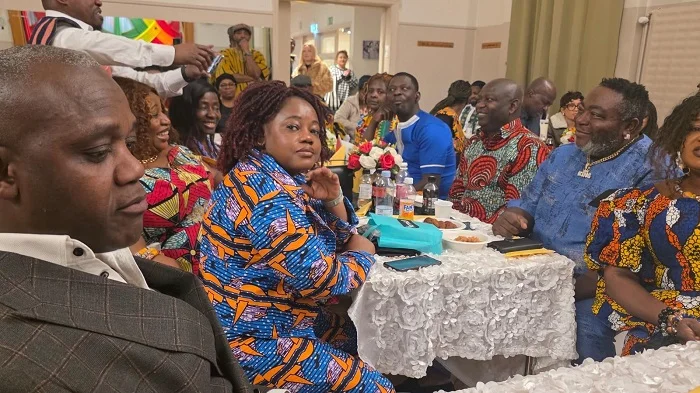
Today, I focus on the theme of Ghanaian/African migrants in Finland and economic empowerment, a move away from the topic of personalities or groups and their accomplishments within the Ghanaian community in Finland that I have been writing on.
In recent times, African migrant associations and Finnish institutions are organising meetings or forums and help people seeking employment to meet employers or build professional networks to achieve economic empowerment.
Such forums are usually open to their members and anyone of African descent.to get into the Finnish job market.
Competences
Researchers and experts say entrepreneurship or self-employment has great potential to offer a route for migrants, including highly-educated ones, to participate in and contribute to the local economy.
Competences, including knowledge and knowhow, opportunities, and social capital such as family support, language, etc., are necessary to boost the entrepreneurship endeavour.
Competence in the official Finnish or Swedish languages is undoubtedly a key quality to improve employment prospects, especially for migrants since the overall unemployment among migrants could be higher than in the mainstream Finnish population.
There could also be particular privileges which may be the provision of the right information for potential entrepreneurs or job seekers.
Barriers and stress factors
Although language has a huge potential to contribute positively to entrepreneurship possibilities, studies have shown that some of the major stress factors are language problems, finances or economic capital among African migrants.
Other barriers or challenges may be how to grow the business venture or its sustainability.
Thus, migrant communities can generally be highly vulnerable to language barrier, lack of information, the nature of the work of migrants in professions where working from home is not possible.
Migrant associations, social networks, and information
By their activities, migrant associations are doing much to educate and create awareness as well as enhance economic empowerment through migrants’ entrepreneurship or self-employment and enhance opportunities.
Such associations and institutions become networks that create an important social capital as well as outlets for sharing and gaining information or knowledge. Also, it will all be for societal good if such activities are able to help reduce stress and anxiety in the migrants’ entrepreneurship endeavours.
As I keep pointing out, Finland is committed to the integration of migrants into the Finnish society. A number of research studies from surveys and other in-depth enquiries have shown a trend of increasing efforts to integrate African and other migrants into the Finnish society.
Public agencies, migrant associations and other non-governmental organisations (NGOs) in Finland have been publishing information to help educate people, which is also good for their wellbeing.
Generally, migrant associations formally create awareness among their members and other migrants usually in collaboration with some Finnish institutions, and are thus an important tool for several migrants to be positively active and to get their interests and claims heard.
As I wrote previously, the role of migrant associations acting as bridge-builders for the integration and inclusion of migrants through participation in the decision making process and by acting as a representative voice is highly appreciated in Finland. Thank you!
SKIP THE QUEUE, TAP THE NEWS
You can now read the Ghanaian Times and The Spectator newspapers from the comfort of your device via TimesNewsPlus.
Join our WhatsApp Channel: https://whatsapp.com/channel/0029VbBElzjInlqHhl1aTU27