Health Essentials
Your heart is precious ‘don’t miss a beat’

On September 29 of each year since 2000, we mark World Heart Day without fail but it appears we find a comfortable place to doze off after that, leaving the world’s number one killer to continue its havoc.
This year, the theme “Don’t Miss a Beat” focuses on “the importance of heart and blood vessel (cardiovascular) health by emphasizing how losing someone to heart disease also means losing irreplaceable moments in life. It encourages individuals to prioritise heart health, not to miss important life events, and supports building a world with fewer deaths and more healthy hearts.”
Together with its members, the World Heart Federation spreads the news that at least 80 per cent of premature deaths from heart disease and stroke could be avoided if the main risk factors, tobacco, unhealthy diet and physical inactivity, are controlled.
Stop smoking and prevent others from smoking
a. Once upon a time, puffing the smoke of death was fashionable (maybe from a lack of adequate knowledge?) but certainly in 2025, a healthy lifestyle is in vogue. If you do not smoke, why should you inhale smoke from others (passive smoking)?
Eat more fresh fruits and vegetables
a. In Ghana and other developing countries, we often want something that will fill our stomach and stay there for as long as possible. Why do you think “concrete” is so revered in this great land of ours? Start the day with a hefty dose and top it up with frequent gulps of water. We always come up with 1001 reasons why eating fruits could lead to instant “pocketitis” and may signal the beginning of a third world war in many homes. We love to get into unnecessary arguments about whether fruits should be eaten before or after meals etc., just eat them!
b. We probably should consider buying fruits when they are in season since they are much cheaper at the time
c. Kontomire, cassava leaves and garden eggs, are great vegetables that will not cost you an arm and a leg. You also have the option of cabbage, lettuce etc.
d. The option of having a small garden is great but many of us do not have the luxury of space to do that.
Eat a healthy diet
a. LOW in saturated fats
i. Saturated fats can be found in animal products such as meat, milk, cheese and butter but be careful about plant products such as palm oil. Moderation is ALWAYS key.
b. LOW in refined carbohydrates
i. Our tongues have the power to make or unmake us – talking and eating are two examples of paths that can spell doom. We love sugar, perfumed rice (white), white flour, pasta (macaroni) and white bread and will make excuses to skip brown rice for instance.
c. LOW in salt
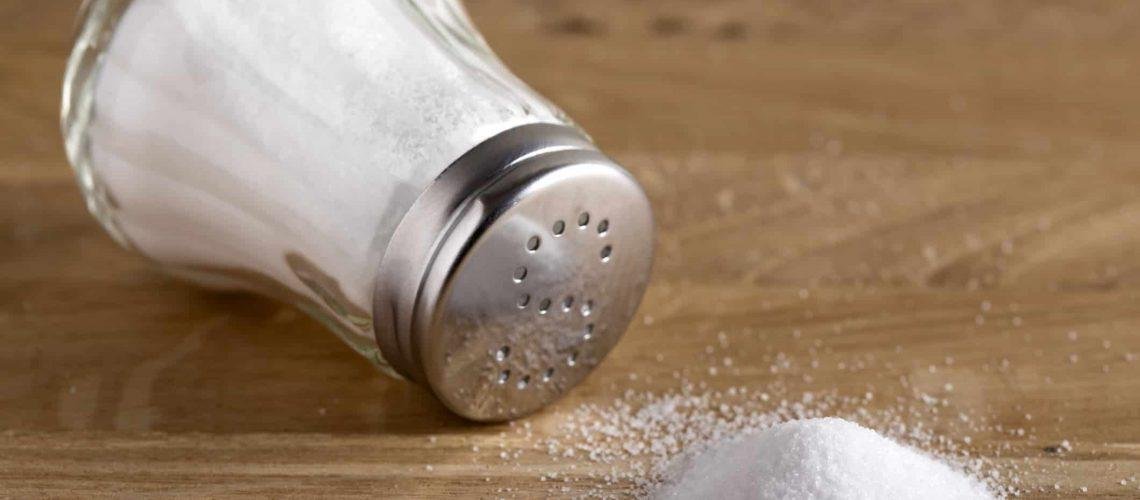
i.This is as simple as it is stated. Reduce the salt you put in food. Avoid adding salt to already cooked food. Flee from salted snacks and watch artificial flavouring.
Increase levels of physical activity
a. This is no drill on exercising but sitting on the sofa all evening or sitting at your desk for hours on end has not yet produced a healthy being. Household chores, gardening, walking even if it means while on the phone, using the stairs instead of the elevator all add up. The more you move the better for you. Dear friend, moving the TV remote does not account for much but maybe if you could walk to the TV to change channels or make other modifications then you would be on the right path.
Regular medical examinations to assess heart health
a. Beware of the modifiable risk factors for heart and blood vessels and check them often
i. Uncontrolled hypertension, uncontrolled diabetes, abnormal cholesterol, obesity, physical inactivity and smoking
ii. Get evaluated for sleep apnoea especially if your snore could bring the walls down
Manage Stress
• Check the quality and quantity (duration) of your sleep and rest
• Be happy
• Spend time with people who make you laugh and those who have positive vibes. The pessimists will drain your energy.
Changing these habits and behaviours is possible but we need to be committed. Whatever we are today is by the grace of God and the choices we made before today. Make healthy choices that will protect your heart, and it will continue to perform well for many years to come.
Today many people have died from a heart disease, and others have gained HEART HEALTH, which group would you rather join? Wouldn’t you spend quality time with family and friends for many years rather than being bedridden or spend precious endless hours in hospitals trying to fix our heart and blood vessels.
We have the power to make the right choice and stick to it.
AS ALWAYS LAUGH OFTEN, ENSURE HYGIENE, WALK AND PRAY EVERYDAY AND REMEMBER IT’S A PRICELESS GIFT TO KNOW YOUR NUMBERS (blood sugar, blood pressure, blood cholesterol, BMI)
Dr. Kojo Cobba Essel
Health Essentials Ltd/Medics Clinic
(dressel@healthessentialsgh.com)
Dr. Essel is a Medical Doctor with a keen interest in Lifestyle Medicine, He holds an MBA and is an ISSA Specialist in Exercise Therapy, Fitness Nutrition and Corrective Exercise. He is the author of the award-winning book, ‘Unravelling The Essentials of Health & Wealth.
Thought for the week – “You have the opportunity to have a Heart Health Assessment at The Medics Clinic, Tse Addo from now through Saturday 4th October. Call 055-341- 1221 to set up an appointment or simply walk-in.”
References:
1. World Heart Federation Website
2. The Ten Commandments for A Healthy & Enjoyable Life: Dr Kojo Essel
By Dr Kojo Essel


IF you truly love yourself, you had better read this piece while standing!
The other “inactivity” that rivals sitting for long periods when it comes to poor health and untimely death is LONLINESS! Sitting and Loneliness are the new Smoking.
It is often common to hear a parent tell a child, “Sit quietly and watch television and I will make a quick dash to town.” Well, this harmless and well-meaning statement is now being vilified. That parent could have said “smoke a few sticks of cigarettes while I dash off to town.” Yes “sitting is the “new” smoking.”
Scientists: they keep coming up with many weird findings and unfortunately, we realise after much ado that they may be right. People with sitting jobs have twice the rate of cardiovascular (heart & blood vessel) diseases as those with standing jobs – the bankers are cringing in their seats I bet.
It appears that compared to sitting,
• Sitting continuously brings similar challenges that smoking poses a gossip team. After an hour of sitting, if you walk for a minute or two.
Standing is hard work. Imagine that you need to engage many muscles to stand upright, and this burns energy. Sitting on the other hand is extremely relaxing.
When we sit, the “physiology of inactivity” kicks in and when we think we are relaxing in a chair made from heaven, our body instead rewards us with many bad things; enzymes that break down fat may drop by about 90 per cent calorie burning drops to frightening low levels and soon good cholesterol that protects us also drops. If you sit long enough even your insulin effectiveness drops and you will be courting diabetes in the long run.
I sincerely believe in getting a workout during the day, but you should not think that it gives you a license to sit at your desk for hours on end. We should ensure that we get up from our desk to walk briefly or even stretch. I am not giving you an excuse for loitering around your office or forming ings. When you have a meeting with a handful of people you could lace your boots and start walking while you talk. Who knows being out of a box (office etc) could help you think “out of the box” or even think like “there is no box”. The best aspect of such a meeting is people are more attentive since they are unable to fidget with their smart phones and other gadgets.
All lectures and classes (children are really suffering in school these days) should have a “Heart Preserving” five-minute break after every hour. Spend that time walking and stretching.
All long movies should have commercial breaks that should be used to at least stand
Whenever in doubt, at least stand for a while.
Well some people are trying innovative ways of even having small treadmills at their desk that keeps them moving, others are adopting a new chair design that essentially makes you stand at your desk, a few others sit on exercise balls that forces them to adjust their positions all the time but for the rest of us simply taking breaks and using every opportunity to move is just what the doctor prescribed.
AS ALWAYS LAUGH OFTEN, ENSURE HYGIENE, WALK AND PRAY EVERY DAY AND REMEMBER IT’S A PRICELESS GIFT TO KNOW YOUR NUMBERS (blood sugar, blood pressure, blood cholesterol, BMI)
Dr. Kojo Cobba Essel
Health Essentials/Medics Clinic
(www.healthessentialsgh.com)
Dr. Essel is a medical doctor with a keen interest in Lifestyle Medicine, He holds an MBA and is ISSA certified in exercise therapy, fitness nutrition and corrective exercise. He is the author of the award-winning book, ‘Unravelling The Essentials of Health & Wealth.’
Thought for the week – For good heart health; exercise often, eat healthy, do not smoke, minimise alcohol and sit less
By Dr. Kojo Cobba Essel
Join our WhatsApp Channel now!
https://whatsapp.com/channel/0029VbBElzjInlqHhl1aTU27


I have on several occasions referred to laughter as the “best medicine” just as many others do and over the years, I have expanded my knowledge on the benefits of laughter. We all need to laugh daily and that’s the prescription given by the best doctors all over the world.
I came across the quote “Laughter is the best medicine. Unless you’re laughing for no reason….then you need medicine.” It sounds great and will get you laughing or at least smiling yet I beg to differ. My advice: find a reason to laugh no matter what and if you find none laugh anyway.
A few years ago, I decided to spend my first three hours of being awake laughing or smiling no matter what. It set the tone for a successful day. I did not bother about the early morning traffic, neither did I scream or honk at careless drivers but I guess as the years dragged on and the reality of fuel price hikes, electricity challenges and an ailing Ghana economy among many others hit home, the smile and laughter faded but I ALWAYS get back once I realise I am “short-changing” myself. No matter the struggles you may be facing, remember laughing or smiling will surely make your day so much better.
My prescription for you and myself is “Laugh at least five minutes in the morning and five minutes at the end of the day” no matter what. Do it even if you have no reason to.
Now what does science say about laughter?
1. It helps make the world a better place
a. Laughter is contagious so set the ball rolling by laughing and many others will join in the fun.
2. You learn better
Well, no need to get all serious and mean while you learn something new. A good dose of laughter while you learn may actually make the process more efficient. Word of caution, DO NOT distract others by laughing in an annoying way.
3. You get a health boost
a. We know this, right? I found out that laughter may actually increase good cholesterol while lowering inflammation. We do need more data on this but really, keep laughing, it can’t possibly harm you.
4. Makes you more robust
a. A nervous laughter when your back is against the wall? Laughter helps regulate your emotions in a difficult situation. Crying or frowning is unlikely to have positive returns.
5. Lowers stress and improves memory
a. Stress hormones, especially in the elderly, is reduced by laughter and one’s ability to remember gets a much-needed spike.
6. Makes you more attractive
a. People are always attracted to a “smiling face” or someone who laughs often. They make the party come alive.
7. Improves your relationship
a. Whether you are negotiating a deal at work, interacting with family or friends; laughter creates stronger bonds leading to better outcomes and building stronger relationships.
8. May help burn off some calories
Now I may be pushing this too much, but truth is laughter does raise your energy expenditure and heart rate. Though the calories you burn may be fewer per bout of laughter, every positive thing adds up for our good.
9. Boosts immune function and enhances sleep
a. Say goodbye to frequent common colds and laying in bed for long hours listening to the dogs in the neighbourhood “chitchatting”, a leaking tap dripping or worse still a snore within earshot that will compete with Louis Armstrong on the trumpet.
b. Combine laughter with your daily dose of exercise, and your winning combination is a reality.
10. May improve blood pressure and relax muscles
a. I will not advise you to drop your medication for all day laughter but I am sure laughter will play a positive role in reducing stress, giving you a feeling of wellbeing, relaxing your muscles in the process and your blood pressure may be sending you a thank you beat sooner than later.
Good health, improved learning ability and an enviable memory packaged with an attractive personality and a penchant to build strong relationships sounds like a team player who is destined for success in all fields. That you may agree will make your trips to the bank exciting and of course cause you to laugh all the way to the bank. The cycle repeats itself.Have you had your daily dose of laughter yet?
AS ALWAYS LAUGH OFTEN, ENSURE HYGIENE, WALK AND PRAY EVERYDAY AND REMEMBER IT’S A PRICELESS GIFT TO KNOW YOUR NUMBERS (blood sugar, blood pressure, blood cholesterol, BMI)
Dr. Kojo Cobba Essel
Health Essentials Ltd/Medics Clinic
(www.healthessentialsgh.com)
*Dr. Essel is a Medical Doctor with a keen interest in Lifestyle Medicine, He holds an MBA and is an ISSA Specialist in Exercise Therapy, Fitness Nutrition and Corrective Exercise. He is the author of the award-winning book, ‘Unravelling The Essentials of Health & Wealth.’
Thought for the week – “laughter is contagious – Laugh and the whole world laughs with you.”-
References:
1. Fulfillment Daily -7 science-backed reasons why laughing is good for you (2016)
2. Stanford Business
3. Someecards
By Dr. Kojo Cobba Essel
Join our WhatsApp Channel now!
https://whatsapp.com/channel/0029VbBElzjInlqHhl1aTU27

 News1 week ago
Finance Minister outlines new gold policies to boost reserves and curb smuggling
- News1 week ago
Sam George launches the 2026 Meteorological Awareness Month; presents the 2026 seasonal forecast for southern Ghana
- Hot!1 week ago
Breaking: Footballer who killed two children in Abesim handed lifetime sentence