News
W.E.B. Du Bois Museum Foundation hosts Minister for Fisheries at Du Bois Centre Ahead of Restoration Works

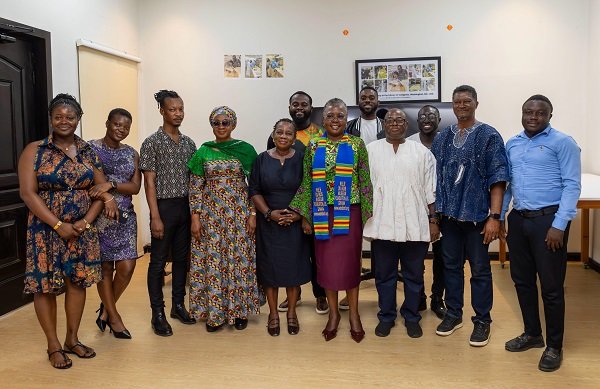
The W.E.B. Du Bois Museum Foundation on Thursday, March 26, welcomed Emelia Arthur, Minister for Fisheries and Aquaculture Development, to the W.E.B. Du Bois Memorial Centre for Pan-African Culture in Accra.
The visit formed part of the Foundation’s ongoing stakeholder engagement efforts to provide key government partners with a firsthand appreciation of the current state of the Centre ahead of the commencement of restoration works on the historic Du Bois Bungalow. It also served as an opportunity to highlight the scope and significance of the Foundation’s vision to transform the Centre into a world-class museum and cultural complex.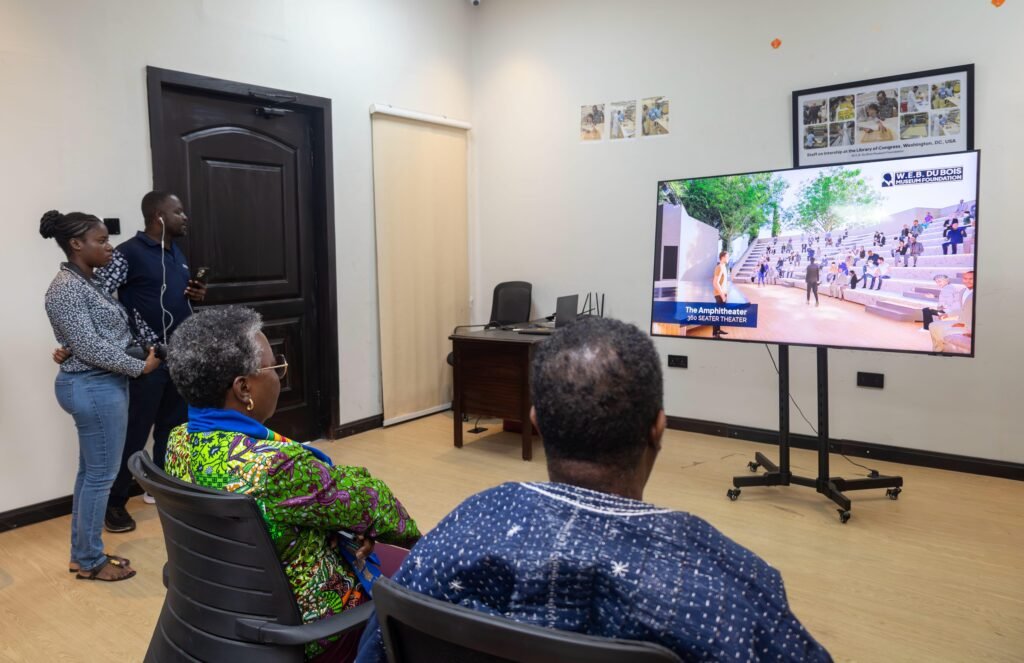
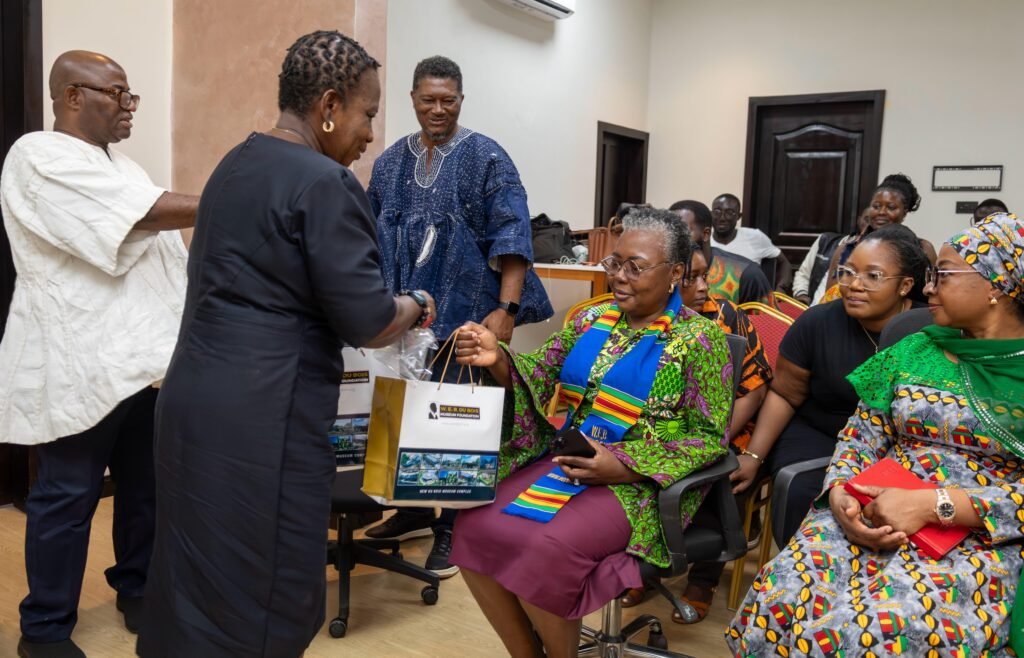
The Minister was taken through a guided tour of the Centre, beginning at the Mausoleum, where she paid her respects to Dr. W.E.B. Du Bois and Shirley Graham Du Bois.
The tour continued to the Donor Recognition Wall, where she was briefed on the contributions supporting the Centre’s redevelopment and the importance of strengthening local support for this national heritage initiative.
Education Officers of the Centre then led the delegation through the Du Bois Museum, followed by a walkthrough of the ongoing exhibition, “The Du Boises in Ghana,” which provides insight into the lives and legacy of Dr. Du Bois and his wife during their time in Ghana.
At the Books Preservation Lab, the Minister was introduced to ongoing efforts to conserve and protect archival materials, many of which remain vulnerable due to environmental and structural challenges within the historic bungalow. She was also informed that two members of the Foundation’s staff recently returned from specialised book preservation training at the Library of Congress in Washington, D.C., further strengthening the Centre’s capacity to safeguard its collections.
The visit concluded at the Administration Building, where architectural renderings and design concepts for the Centre’s redevelopment were presented. The Minister was taken through the Foundation’s vision for a transformed Du Bois Centre, one that integrates preservation, education, research, and immersive visitor experiences.
Delivering remarks during the visit, the Hon. Minister emphasised the importance of the Centre as a space of reflection and responsibility:
“This is not just a place of remembrance. It is a place of reckoning. It asks us what we have learned and what we will now choose to do differently.”
She further highlighted the need for forward-looking development across sectors:“In every sector, including fisheries, agriculture, and education, we must ask ourselves whether we are building an Africa that is dependent, or an Africa that is defined.”
In discussions following the tour, the Foundation highlighted the natural alignment between its redevelopment agenda and the mandates of both the Ministry of Fisheries and Aquaculture Development and the Ministry of Food and Agriculture.
As the Centre evolves into a living museum, opportunities exist to incorporate elements of food systems, sustainability, and livelihoods into the visitor experience. This includes showcasing the role of agriculture and fisheries in African identity, cultural heritage, and economic life, while creating space for partnerships, education, and community engagement.
The Minister commended the Foundation for its vision and ongoing efforts, expressing her support for the project and its potential to contribute meaningfully to national development and cultural preservation.
The Foundation expressed its appreciation to the Minister and her delegation for the visit, noting that it marks the beginning of a strategic collaboration.
The Foundation further indicated that its Executive Director will pay a formal courtesy call on the Minister upon his return to Ghana between April 3 and April 10, 2026, to continue discussions and explore areas of partnership.
About the W.E.B. Du Bois Museum Foundation
The W.E.B. Du Bois Museum Foundation is mandated to manage, preserve, and redevelop the W.E.B. Du Bois Memorial Centre for Pan-African Culture in partnership with the Government of Ghana. The Foundation is committed to transforming the Centre into a world-class museum, research, and cultural complex that preserves and promotes the legacy of Dr. W.E.B. Du Bois for future generations.







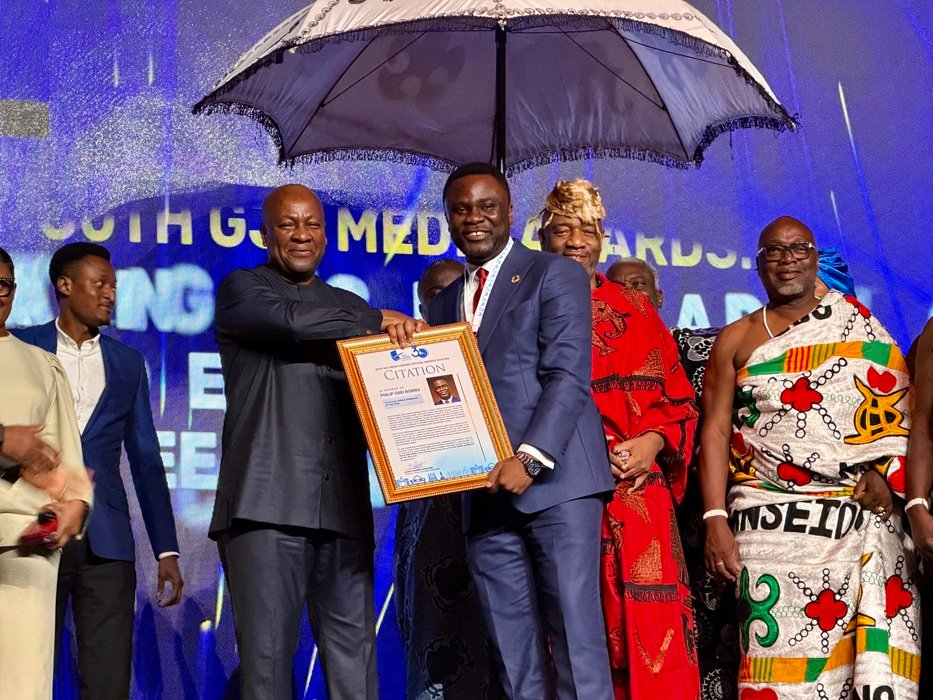
The 30th Ghana Journalists Association (GJA) Media Awards has celebrated three decades of recognising excellence and contributions to journalism and national development, while highlighting the media’s role in Ghana’s democracy.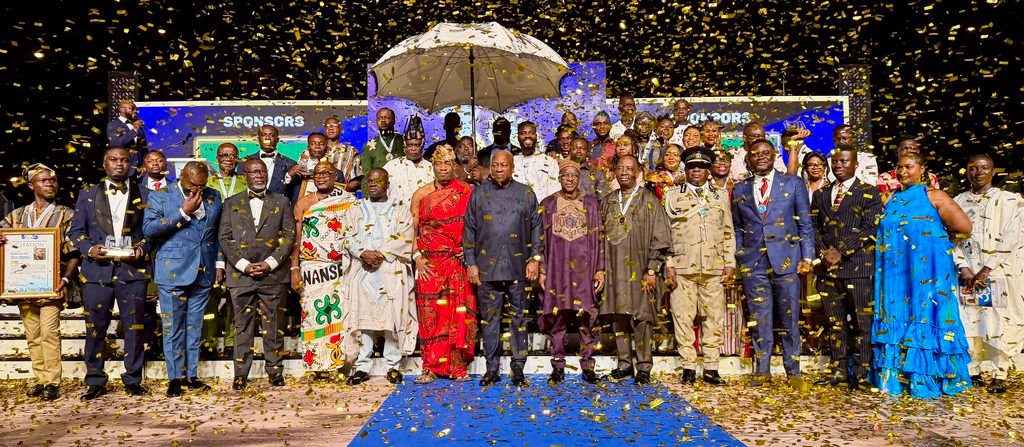
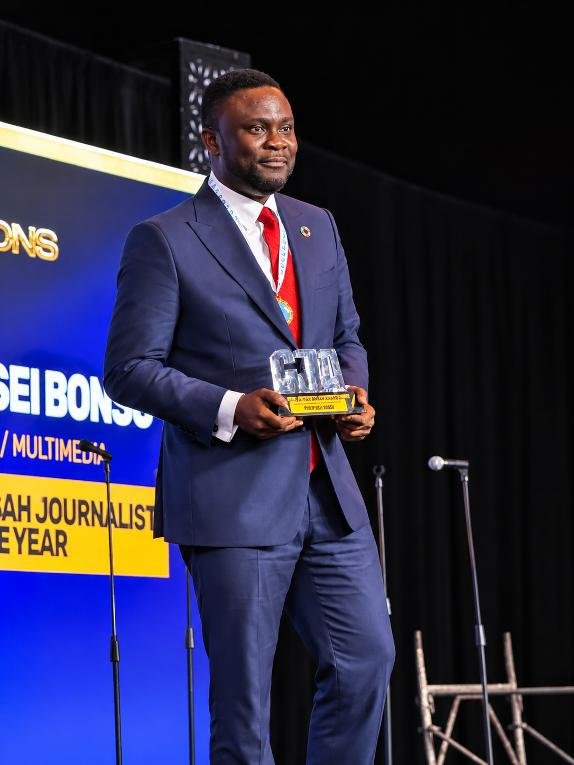
Marking the milestone, Philip Osei Bonsu of the Multimedia Group emerged as the GJA/P.A.V. Ansah Journalist of the Year.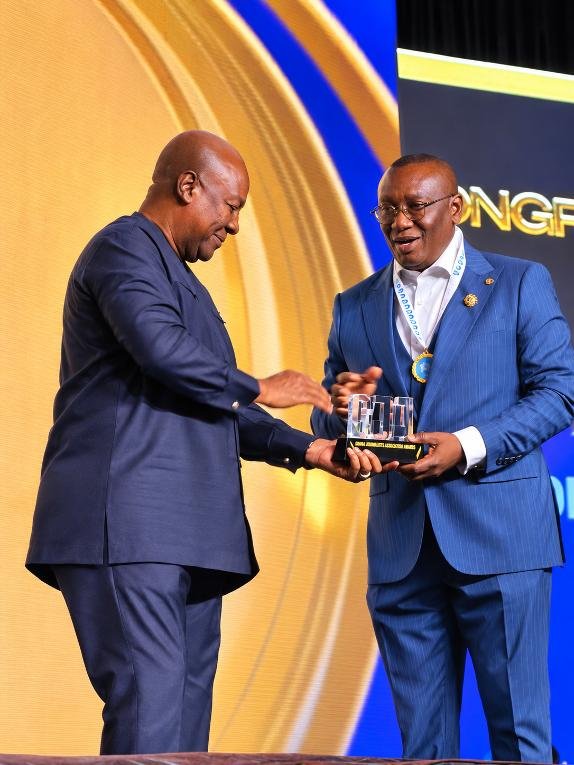
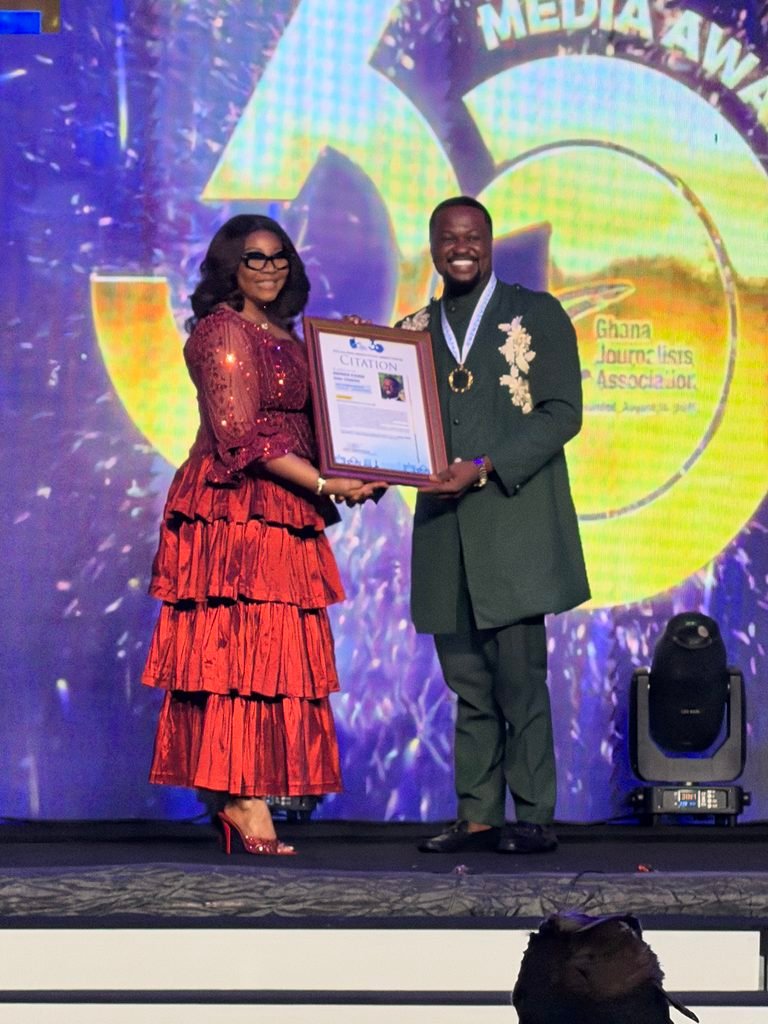
The Ghanaian Times’ Benedicta Gyimah Foley won the Best Feature Reporting, Print category, alongside other journalists recognised across various media platforms.
Other winners included Nathaniel Attoh, Best in Sports Reporting; and Godwin Asediba of Media General, Best in TV Documentary; Doreen Ampofo of GBC, Best in Radio Documentary; and freelance journalist Nii Adjei Mensahfio, Best in Online Documentary.
Daniel Kwabena Mantey was adjudged Best in TV Feature, while Clinton Yeboah of Luv FM won Best in Radio Feature, with Gilbert Azeem Tiroog of GNA taking Best in Online Features.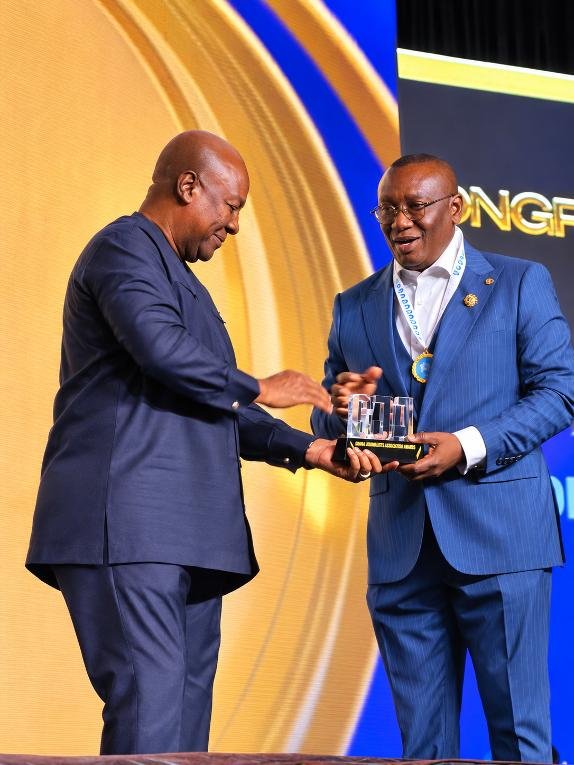
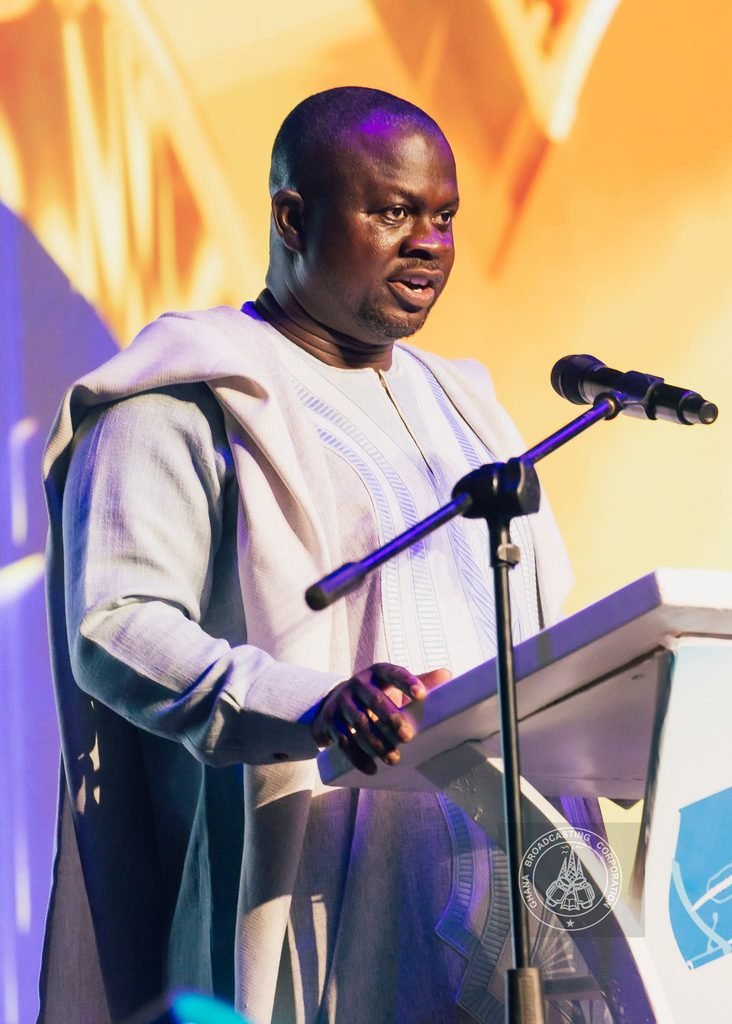
For news reporting, Mohammed Fugu of the Daily Graphic won Best in Print News Reporting, Nabil Ahmed Rufai, a freelance journalist, Best in TV News Reporting; Ridwan Karim Dini-Osman of EIB Network, Best in Radio News Reporting; and Timothy Ngnenbe of the Daily Graphic, Best in Online News.
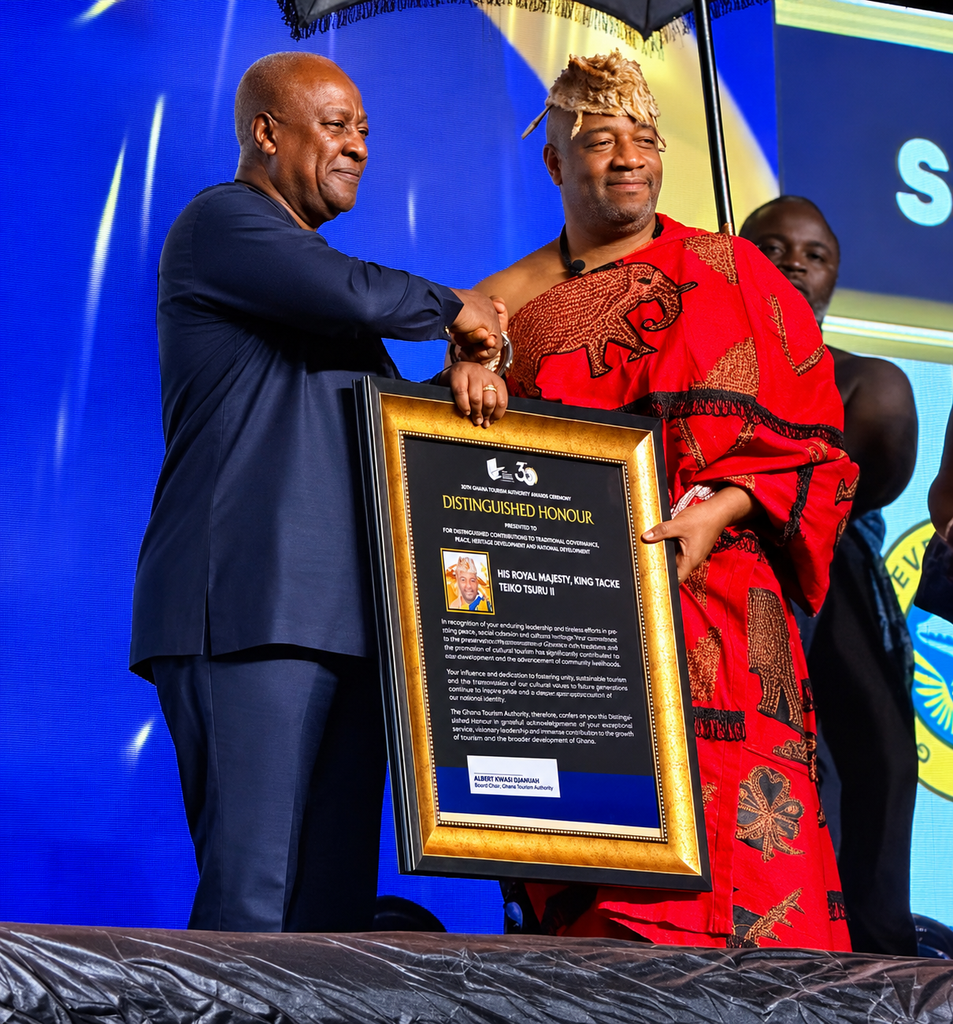
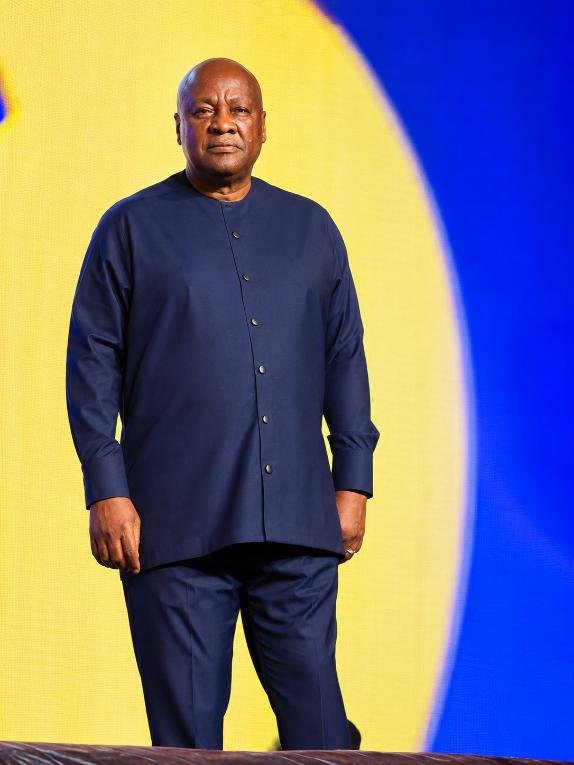
The ceremony, held in Accra last Saturday on the theme, “Celebrating Excellence, Advancing Media Freedom and Combating Hate Speech in the Digital Age”, was attended by President John Dramani Mahama as the special guest of honour.
Also in attendance were the Ga Mantse, King Tackie Teiko Tsuru II, and the Inspector-General of Police, Mr Christian Tetteh Yohuno, among others.
In his address, President Mahama announced a GH₵10 million allocation in the 2027 national budget as seed capital for the reactivated Media Development Fund to support journalists’ welfare, professional development, investigative reporting and safety training, with additional corporate contributions expected.
Mr Mahama, also urged media practitioners to uphold professionalism and accuracy by avoiding sensationalism, unsubstantiated allegations and the deliberate pursuit of scandals, while promptly correcting inaccurate reports and apologising when necessary to maintain public trust and professional standards.
On journalists’ safety, he assured that the government would continue to act against attacks on them.
By Stephanie Birikorang
SKIP THE QUEUE, TAP THE NEWS
You can now read the Ghanaian Times and The Spectator newspapers from the comfort of your device via TimesNewsPlus.
Join our WhatsApp Channel: https://whatsapp.com/channel/0029VbBElzjInlqHhl1aTU27
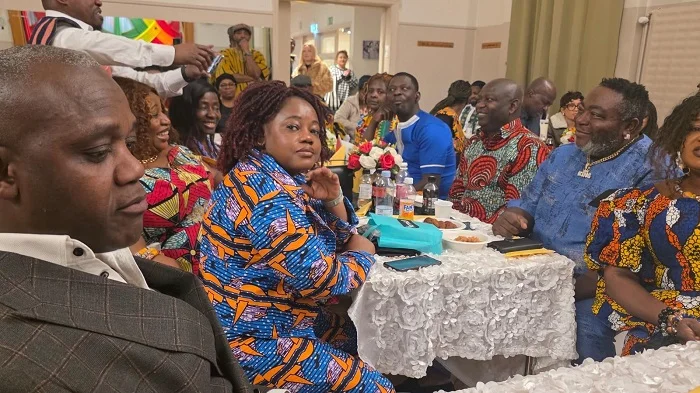
Today, I focus on the theme of Ghanaian/African migrants in Finland and economic empowerment, a move away from the topic of personalities or groups and their accomplishments within the Ghanaian community in Finland that I have been writing on.
In recent times, African migrant associations and Finnish institutions are organising meetings or forums and help people seeking employment to meet employers or build professional networks to achieve economic empowerment.
Such forums are usually open to their members and anyone of African descent.to get into the Finnish job market.
Competences
Researchers and experts say entrepreneurship or self-employment has great potential to offer a route for migrants, including highly-educated ones, to participate in and contribute to the local economy.
Competences, including knowledge and knowhow, opportunities, and social capital such as family support, language, etc., are necessary to boost the entrepreneurship endeavour.
Competence in the official Finnish or Swedish languages is undoubtedly a key quality to improve employment prospects, especially for migrants since the overall unemployment among migrants could be higher than in the mainstream Finnish population.
There could also be particular privileges which may be the provision of the right information for potential entrepreneurs or job seekers.
Barriers and stress factors
Although language has a huge potential to contribute positively to entrepreneurship possibilities, studies have shown that some of the major stress factors are language problems, finances or economic capital among African migrants.
Other barriers or challenges may be how to grow the business venture or its sustainability.
Thus, migrant communities can generally be highly vulnerable to language barrier, lack of information, the nature of the work of migrants in professions where working from home is not possible.
Migrant associations, social networks, and information
By their activities, migrant associations are doing much to educate and create awareness as well as enhance economic empowerment through migrants’ entrepreneurship or self-employment and enhance opportunities.
Such associations and institutions become networks that create an important social capital as well as outlets for sharing and gaining information or knowledge. Also, it will all be for societal good if such activities are able to help reduce stress and anxiety in the migrants’ entrepreneurship endeavours.
As I keep pointing out, Finland is committed to the integration of migrants into the Finnish society. A number of research studies from surveys and other in-depth enquiries have shown a trend of increasing efforts to integrate African and other migrants into the Finnish society.
Public agencies, migrant associations and other non-governmental organisations (NGOs) in Finland have been publishing information to help educate people, which is also good for their wellbeing.
Generally, migrant associations formally create awareness among their members and other migrants usually in collaboration with some Finnish institutions, and are thus an important tool for several migrants to be positively active and to get their interests and claims heard.
As I wrote previously, the role of migrant associations acting as bridge-builders for the integration and inclusion of migrants through participation in the decision making process and by acting as a representative voice is highly appreciated in Finland. Thank you!
SKIP THE QUEUE, TAP THE NEWS
You can now read the Ghanaian Times and The Spectator newspapers from the comfort of your device via TimesNewsPlus.
Join our WhatsApp Channel: https://whatsapp.com/channel/0029VbBElzjInlqHhl1aTU27