News
Minority demands full disclosure on energy sector debts


The Minority in Parliament is disputing claims by the Minister of Energy, John Peter Amewu, that the government has settled in full its indebtedness to the Electricity Company of Ghana (ECG).
The caucus has, therefore, challenged Mr Amewu to come out with the total debt portfolio in the energy sector so that Ghanaians appreciated the true state of indebtedness of the country in that sector.
Mr Amewu at the Ministers’ bi-weekly press briefing in Accra on Tuesday to update Ghanaians on the coronavirus (COVID-19) situation said the government had cleared the legacies debt in the sector including the GH¢2.63 billion it inherited from the previous government.
“It is a fact that on assumption of office, this administration was confronted with a huge indebtedness to the ECG. As of December 2016 the state owed ECG GH¢ 2.63 billion. Government ensured it was current on all bills incurred from 2017,” Mr Amewu said.
But the ranking member on the Mines and Energy Committee and Member of Parliament for Damango, Adam Mutawakilu, briefing the media in Parliament yesterday said the claims by the Energy Minister were not true.
“Currently, the ECG owes the Ghana Gas Company more than US$800 million, and, if you multiply $800 million by the exchange rate of GH¢5.5 that is over GH¢4 billion owed to one company. Besides, independent power producers have not been paid US$1.26 billion.
“The Minister of Energy did some cherry-picking analysis of the energy sector debts by picking debts of metropolitan, municipal and district assemblies owed to the ECG and fuel supply to analyse government’s performance in addressing the energy sector debt.
“What he refused to do was picking the total energy sector debts, including what debts the government inherited, what it had added and what debt is left. We therefore call on the minister to, as a matter of urgency, let Ghanaians know how much energy sector debt is left,” Mr Mutawakilu stated.
According to him, as far back as 2015, the legacy debt from 1992 to 2015 was US$2.4 billion.
With the introduction of the Energy Sector Levies Act (ESLA), he said, the debt had dropped to US$2.2 billion as at the end of 2016.
“So before President Nana Addo Dankwa Akufo-Addo came to power, he knew that the energy sector debt was $2.2 billion and this is made up of what government owed the ECG, suppliers, independent power producers, banks and others.
“So by just coming to pick one item to analyse and say that you are doing well cannot be used to measure your performance.
“We call on the Minister of Energy to tell us how much debt is left for Ghanaians to pay, what has the ESLA, introduced by former President Mahama raised and how much they have been able to manage and to pay so that we will be able to know the total debt of the energy sector,” he demanded.
He claimed that out of what government had paid to fuel suppliers, the highest beneficiary was StratCom Energy which he alleged belonged to “family and friends of the Energy Minister.”
“So the payment of liquid supplied is just to liquid his family and friends to make money when independent power producers had not been paid US$1.26 billion.
“That is why we are asking that the Minister of Energy comes with the whole portfolio of debt so that we will know exactly how much we do owe as a country in the energy sector,” he stated.
BY JULIUS YAO PETETSI


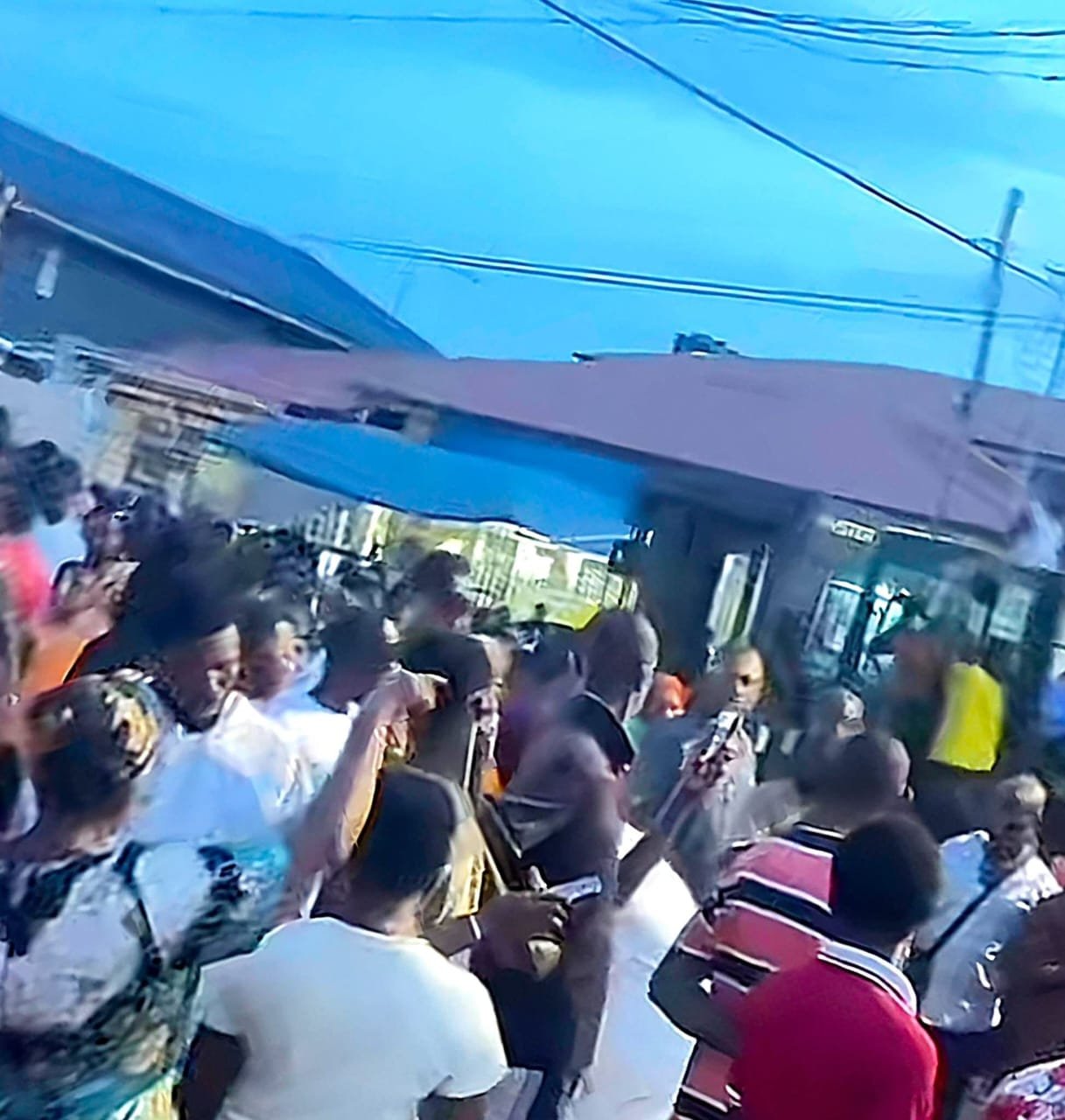
Search and rescue operations are ongoing following a structural collapse at the Experimental D/A School in Accra Newtown.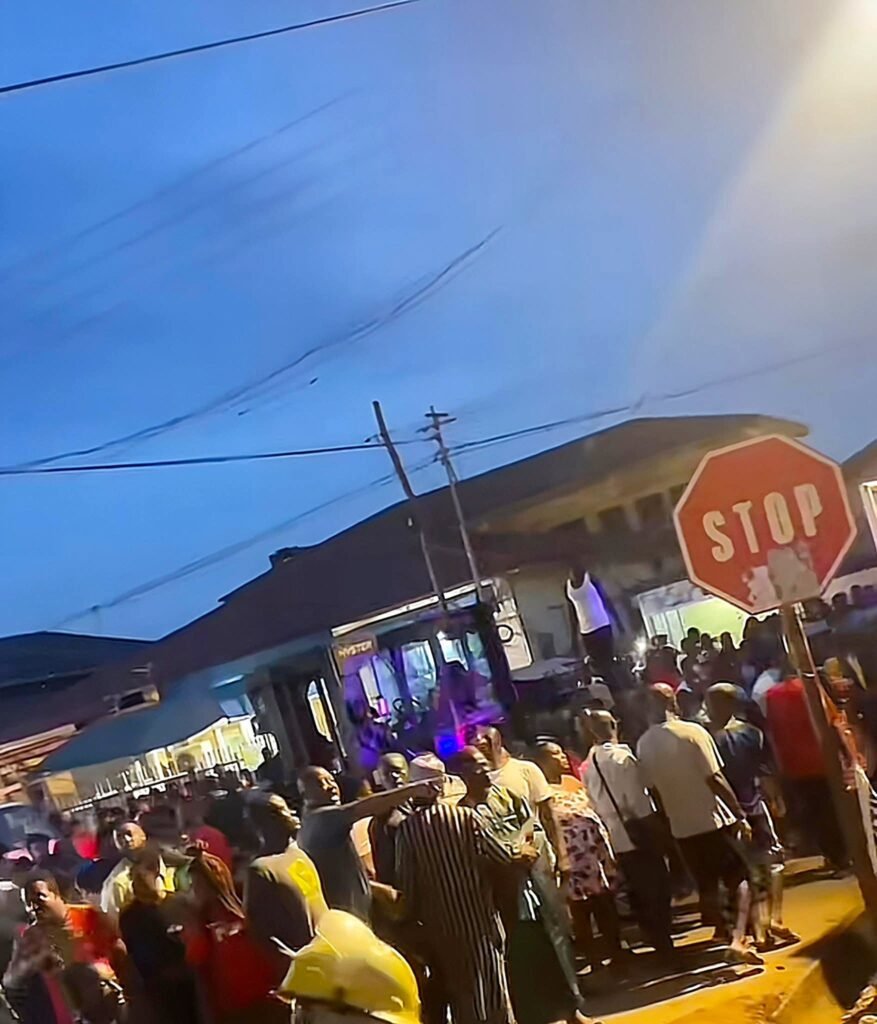
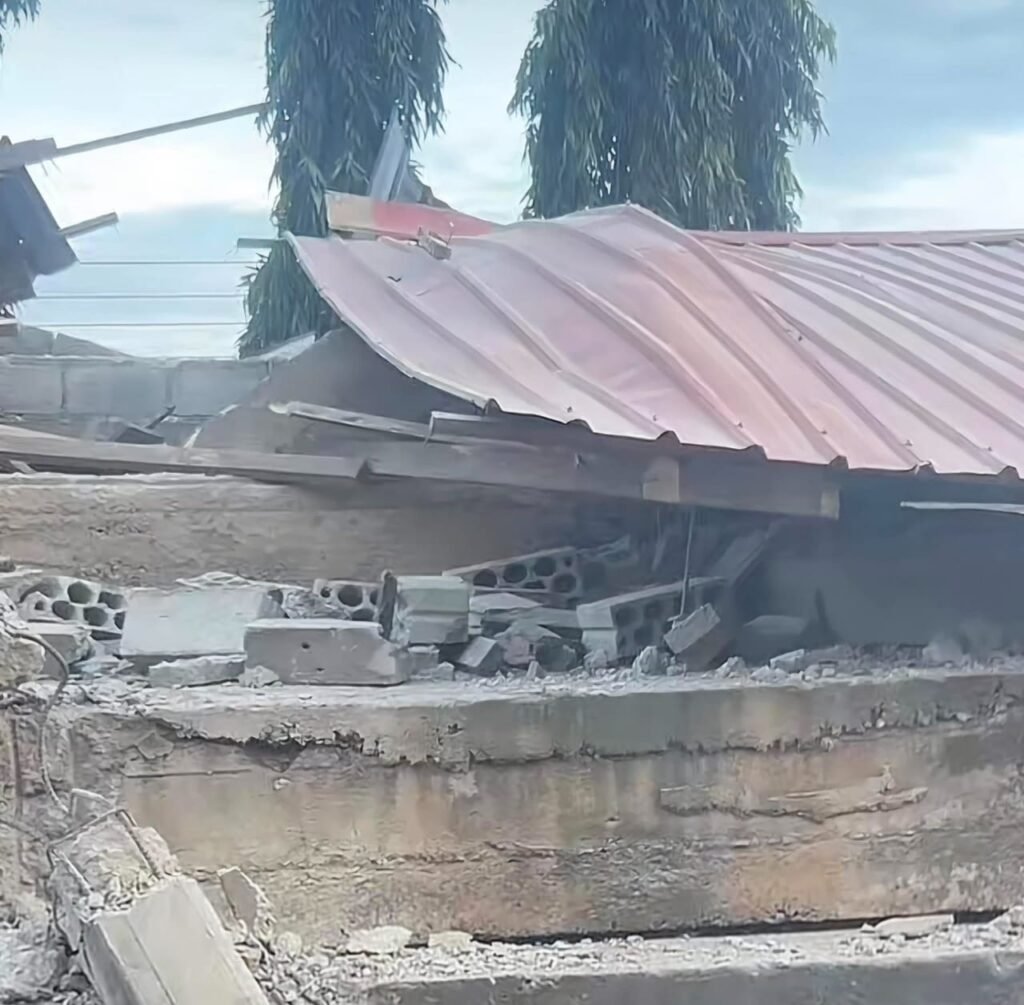

The Ghana National Fire Service (GNFS) confirmed that emergency teams were deployed to the scene to assist victims who may be trapped under the debris.
In an update, the service indicated that personnel from the Ghana Police Service, the National Ambulance Service and the National Disaster Management Organisation (NADMO) are workin7g together to manage the situation and rescue affected persons.
It noted that the area has been cordoned off by the police to prevent members of the public from entering the scene and interfering with the operation.
According to the GNFS, the coordinated effort is aimed at ensuring that all trapped victims are safely rescued as quickly as possible.
The service advised residents and the general public to stay away from the area to allow emergency teams to carry out their work without obstruction.
The service added that further updates will be provided as the situation develops.
By: Jacob Aggrey

The New Times Corporation (NTC), publishers of The Ghanaian Times and The Spectator, on Wednesday held a staff get-together to commemorate the Ghana Month celebration.
The event was also to strengthen teamwork and bonding. It was attended by management members and staff from various departments.
The staff were engaged in activities such as apple eating, musical chairs competition, pick and act, and other interesting games.
Speaking at the gathering, the Chairperson of the Corporation’s Interim Management Committee (IMC), Dr (Mrs) Charity Binka, emphasised the importance of unity and collaboration in achieving organisational goals. She urged the staff to put aside their differences, work together, and also create a positive working environment.
In a welcome address, the Editor of The Spectator, Mrs Georgina Naa-Maku Quaitoo, urged the staff to have fun as “we climax the Ghana Month celebration with this get-together.”


The Acting Editor of The Ghanaian Times, Mr David Adadevoh, commended the staff for coming out in their numbers to join in the celebration and called for unity to transform the fortunes of the Corporation.
By Linda Abrefi Wadie
Join our WhatsApp Channel now!
https://whatsapp.com/channel/0029VbBElzjInlqHhl1aTU27


 News4 days ago
Agona West NDC demands unqualified apology from Paul Adom-Otchere over alleged misleading editorial
- News1 week ago
Eid not only moment of celebration but call to sustain values of discipline – President Mahama
- News3 days ago
Gyankroma Akufo-Addo Denies $25m Interchange Painting Claim, Threatens Legal Action