News
Hasten introduction, passage, implementation of FOPWL policy …Health coalition urges MoH


- /home/u249204778/domains/spectator.com.gh/public_html/wp-content/plugins/mvp-social-buttons/mvp-social-buttons.php on line 27
https://spectator.com.gh/wp-content/uploads/2026/03/Ms-Asiedu-addressing-the-media.jpg&description=Hasten introduction, passage, implementation of FOPWL policy …Health coalition urges MoH', 'pinterestShare', 'width=750,height=350'); return false;" title="Pin This Post">
- Share
- Tweet /home/u249204778/domains/spectator.com.gh/public_html/wp-content/plugins/mvp-social-buttons/mvp-social-buttons.php on line 72
https://spectator.com.gh/wp-content/uploads/2026/03/Ms-Asiedu-addressing-the-media.jpg&description=Hasten introduction, passage, implementation of FOPWL policy …Health coalition urges MoH', 'pinterestShare', 'width=750,height=350'); return false;" title="Pin This Post">
A coalition of health and civil society organisations has called for the urgent introduction of a Front-of-Pack Warning Labelling (FOPWL) policy to curb the rising burden of kidney disease and other non-communicable diseases (NCDs).
The FOPWL policy places clear symbols on ultra-processed products that exceed defined threshold for salt, sugar, unhealthy fats, non-sugar sweeteners, and other nutrients of public health concern.
The labels provide immediate and visible information that allows consumers to identify unhealthy products quickly and make better choices.
At a press briefing in Accra last Thursday, the coalition comprising SEND Ghana, the Ghana Academy of Nutrition and Dietetics, and the Vision for Accelerated Sustainable Development described the situation as a “quiet but dangerous public health crisis” already affecting millions of Ghanaians.
Project Lead at SEND Ghana, Levlyn Konadu Asiedu, addressing the media, cited recent figures presented in Parliament indicating that more than four million people in Ghana are living with chronic kidney disease, with about 400 new end-stage cases recorded annually.
“These are not just numbers; they reflect a growing health crisis driven by preventable risk factors within our environment,” she stated.
According to her, chronic kidney disease often progresses silently, with many individuals unaware of their condition until it reaches advanced stages where treatment becomes expensive and difficult to access.
She noted that dialysis and kidney transplantation remain beyond the reach of many Ghanaians, placing both families and the healthcare system under significant strain.
Ms Asiedu said the coalition identified the widespread consumption of ultra-processed foods as a major contributing factor.
Products such as sugary drinks, energy drinks, instant noodles, biscuits, and highly processed snacks, they said, are increasingly becoming part of daily diets due to their affordability and convenience.
However, these foods are typically high in salt, sugar, and unhealthy fats, increasing the risk of obesity, hypertension, diabetes, and stroke, all of which place added pressure on the kidneys.
Citing the World Health Organization, she noted that non-communicable diseases account for about 45 per cent of deaths in Ghana, underscoring the urgency of preventive interventions.
A key challenge, she said was the lack of clear and accessible nutrition information on many food products, leaving consumers unaware of the health implications of their choices.
She explained that unlike back-of-pack labels, which are often technical and difficult to read, front-of-pack warnings are simple, visible, and easy to understand, and allowing consumers to make informed decisions at a glance.
The coalition also highlighted the economic toll of the rising disease burden, noting that government continues to spend heavily on treatment. Commending ongoing efforts by the Ministry of Health to develop the policy, the group urged the Minister for Health, Kwabena Mintah Akandoh, to champion its swift passage and implementation.
They further called on the media, policymakers, and the public to support the initiative, stressing that empowering consumers with the right information is key to reversing current health trends.
By Esinam Jemima Kuatsinu
Join our WhatsApp Channel now!
https://whatsapp.com/channel/0029VbBElzjInlqHhl1aTU27



Veteran Nigerian actor and African screen legend, Pete Edochie, has paid a courtesy call on the Chief Executive Officer of the Ghana Gold Board (GoldBod), Sammy Gyamfi, during his visit to Ghana.
Edochie is in Ghana to launch the African Legacy Project, which includes a book, documentary film and an African Youth Mentorship Initiative targeting about 500,000 young people across the continent.
Mr. Gyamfi welcomed the opportunity for GoldBod to support the mentorship initiative, noting that it aligns with the Board’s Special Intervention Programme and its focus on social impact and economic empowerment.
GoldBod’s work is also referenced in Pete Edochie’s new book, which highlights Ghana’s efforts to ensure its gold resources contribute to national development.
By Edem Mensah-Tsotorme
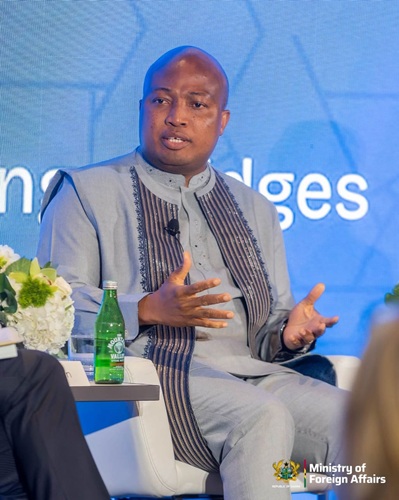
The Ministry of Foreign Affairs has warned Ghanaians seeking employment in Zambia to be cautious of fraudulent job offers that could expose them to human trafficking and forced involvement in cybercrime.
The warning follows the arrest of six Ghanaians in Lusaka, Zambia, during a joint operation by the Zambia Police Service, the Drug Enforcement Commission and the Department of Immigration on August 23, 2026.
According to the Ministry, the operation targeted a facility suspected of being involved in organised cybercrime activities and led to the arrest of 79 people, including 10 Zambians and 69 foreign nationals.
The Ministry said six of the foreign nationals arrested were Ghanaians.
It explained that reports received by the Ghana High Commission in Lusaka indicated that some of those arrested had been recruited through what appeared to be legitimate employment opportunities, including online data entry jobs.
However, the Ministry said some were allegedly forced into online scam activities after their passports were confiscated by their employers.
It warned that the situation highlights how human trafficking groups are using fake employment opportunities to lure unsuspecting job seekers into illegal activities.
The Ministry has therefore advised Ghanaians travelling to Zambia or seeking employment there to thoroughly verify job offers, recruitment agencies and prospective employers before travelling.
Ghanaians living in Zambia have also been urged to remain vigilant when responding to online job opportunities and maintain regular contact with the Ghana High Commission in Lusaka for consular assistance when necessary.
The Ministry said the government remains committed to protecting the welfare and interests of Ghanaians travelling to or living outside the country.
By: Jacob Aggrey