News
Herbal medicine not main cause of kidney disease –Expert

- /home/u249204778/domains/spectator.com.gh/public_html/wp-content/plugins/mvp-social-buttons/mvp-social-buttons.php on line 27
Warning: Trying to access array offset on false in /home/u249204778/domains/spectator.com.gh/public_html/wp-content/plugins/mvp-social-buttons/mvp-social-buttons.php on line 27
&description=Herbal medicine not main cause of kidney disease –Expert', 'pinterestShare', 'width=750,height=350'); return false;" title="Pin This Post">
- Share
- Tweet /home/u249204778/domains/spectator.com.gh/public_html/wp-content/plugins/mvp-social-buttons/mvp-social-buttons.php on line 72
Warning: Trying to access array offset on false in /home/u249204778/domains/spectator.com.gh/public_html/wp-content/plugins/mvp-social-buttons/mvp-social-buttons.php on line 72
&description=Herbal medicine not main cause of kidney disease –Expert', 'pinterestShare', 'width=750,height=350'); return false;" title="Pin This Post">
A medical expert has cautioned that while misuse of herbal medicines can contribute to kidney damage, they are not the leading cause of kidney disease.
Dr Prince Mawutor, a researcher at the Centre for Plant Medicine Research, told the Ghana News Agency that the leading causes of kidney disease remained high blood pressure, diabetes, exposure to toxic substances, arteriosclerosis and genetic factors.
He said both herbal and orthodox medicines could be beneficial when used appropriately but harmful when abused.
“Any medication can become toxic if taken in excess. Once it accumulates in the body beyond safe levels, it can damage vital organs, including the kidneys,” he stated.
Dr Mawutor cautioned that improper use of herbal medicines, particularly unregulated or unapproved ones, increased the risk of kidney damage.
He stressed the importance of purchasing only approved herbal products, noting that regulatory bodies ensured such medicines underwent safety and toxicity testing before reaching the market.
Dr Mawutor advised the public to check for proper labelling when buying herbal products, including product name, list of ingredients, usage instructions and traceable contact information.
Dr Mawutor urged individuals to consult qualified health professionals or certified medical herbalists before using any herbal medicine, especially when combining them with orthodox treatments.
He warned that self-medication and purchasing herbal products from roadside vendors posed serious health risks.
“If you are unwell, it is always best to visit a hospital and follow the proper medical process. A qualified medical herbalist can guide you on safe herbal options and how to integrate them with conventional treatment,” he said.
Dr Mawutor noted that the Food and Drugs Authority did not approve products sold in informal settings, such as from vehicles or on the streets, as they were unlikely to have undergone proper clinical trials.
He highlighted the role of regulatory institutions, including the Traditional Medicine Practice Council and the Ghana Association of Medical Herbalists, in ensuring safe production and use of herbal medicines.
Dr Mawutor acknowledged that although some patients with kidney complications had reported improvements after using herbal remedies, not all herbal medicines could cure every disease. –GNA
Join our WhatsApp Channel now!
https://whatsapp.com/channel/0029VbBElzjInlqHhl1aTU27



Veteran Nigerian actor and African screen legend, Pete Edochie, has paid a courtesy call on the Chief Executive Officer of the Ghana Gold Board (GoldBod), Sammy Gyamfi, during his visit to Ghana.
Edochie is in Ghana to launch the African Legacy Project, which includes a book, documentary film and an African Youth Mentorship Initiative targeting about 500,000 young people across the continent.
Mr. Gyamfi welcomed the opportunity for GoldBod to support the mentorship initiative, noting that it aligns with the Board’s Special Intervention Programme and its focus on social impact and economic empowerment.
GoldBod’s work is also referenced in Pete Edochie’s new book, which highlights Ghana’s efforts to ensure its gold resources contribute to national development.
By Edem Mensah-Tsotorme
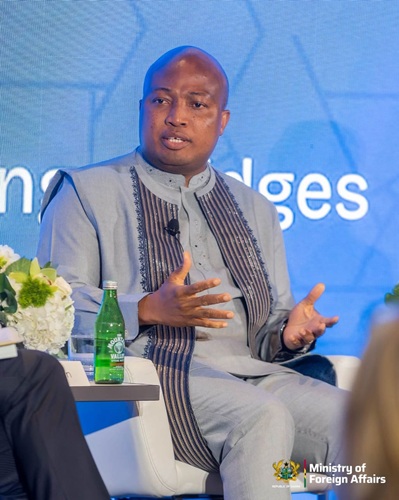
The Ministry of Foreign Affairs has warned Ghanaians seeking employment in Zambia to be cautious of fraudulent job offers that could expose them to human trafficking and forced involvement in cybercrime.
The warning follows the arrest of six Ghanaians in Lusaka, Zambia, during a joint operation by the Zambia Police Service, the Drug Enforcement Commission and the Department of Immigration on August 23, 2026.
According to the Ministry, the operation targeted a facility suspected of being involved in organised cybercrime activities and led to the arrest of 79 people, including 10 Zambians and 69 foreign nationals.
The Ministry said six of the foreign nationals arrested were Ghanaians.
It explained that reports received by the Ghana High Commission in Lusaka indicated that some of those arrested had been recruited through what appeared to be legitimate employment opportunities, including online data entry jobs.
However, the Ministry said some were allegedly forced into online scam activities after their passports were confiscated by their employers.
It warned that the situation highlights how human trafficking groups are using fake employment opportunities to lure unsuspecting job seekers into illegal activities.
The Ministry has therefore advised Ghanaians travelling to Zambia or seeking employment there to thoroughly verify job offers, recruitment agencies and prospective employers before travelling.
Ghanaians living in Zambia have also been urged to remain vigilant when responding to online job opportunities and maintain regular contact with the Ghana High Commission in Lusaka for consular assistance when necessary.
The Ministry said the government remains committed to protecting the welfare and interests of Ghanaians travelling to or living outside the country.
By: Jacob Aggrey