Fashion
Ghana Month 2026: Reviving traditional wear to unite generations


AS Ghana Month unfolds this March, the streets and schools are alive with colour, fabric, and nostalgia. Old-school outfits, once everyday wear, have returned as proud symbols of heritage, reminding Ghanaians of the artistry woven into their past.
From the crisp secondary school uniforms of the 1970s to the bold kaba and slit styles worn by mothers and aunties, these outfits carry stories of discipline, elegance, and identity. The Afro style, paired with bell-bottom trousers or neatly pressed shirts, were once the hallmark of youthful rebellion and confidence.
Traditional fabrics like Kente and Smock remain central to Ghanaian fashion. Once reserved for chiefs and ceremonies, they now appear in classrooms, offices, and parades during Ghana Month, symbolising unity and pride.

“When I wear my Smock, I feel connected to my roots,” says Kwame Asare, a teacher in Tamale. “It is more than clothing; it is history stitched into fabric,” he added.
Old-school fashion also tells the story of Ghana’s social evolution. The platform shoes and polka-dot dresses of the 1980s reflected global influences, while braided hairstyles and headscarves kept tradition alive. Today, young designers are reimagining these looks, blending vintage cuts with modern flair.


For many, dressing in old-school outfits during Ghana Month is not about nostalgia. It is a way of honouring ancestors, celebrating resilience, and teaching the next generation that fashion is culture.
“Our clothes remind us where we come from,” says stylist Efua Mensah. “They are our crown, our pride, and our story.”
As Ghana celebrates its independence and heritage this month, the revival of old-school outfits proves that fashion is never just about trends. It is about memory, identity, and the timeless threads that bind a nation together.
By Linda Abrefi Wadie
Join our WhatsApp Channel now!
https://whatsapp.com/channel/0029VbBElzjInlqHhl1aTU27


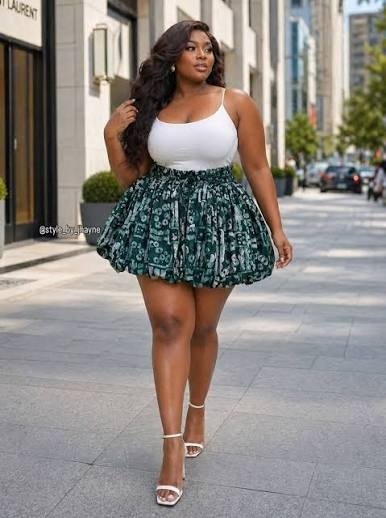
Skirts are a wardrobe essential for many women, offering a variety of styles for different occasions.
Interestingly, not every woman is familiar with different types of skirts available and how best to style them.
The Spectator takes a look at the different types of skirts every woman should know about.
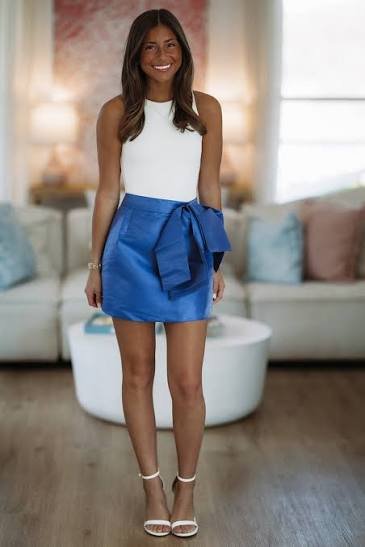
Mini skirt: Short length above knee.
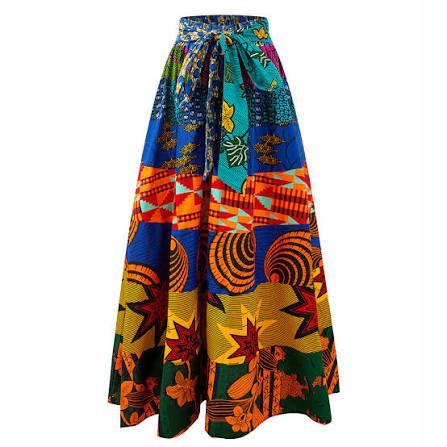
Maxi skirt: Long length reaches the knee.
Tierd skirt: Layers of fabric for a flowy look
Mermaid skirt: Fitted through the hips, flaring the bottom.
Trumpet skirt: Slight flare from mid-thigh to hem.
Circle skirt: Full and flared with a circular shape.
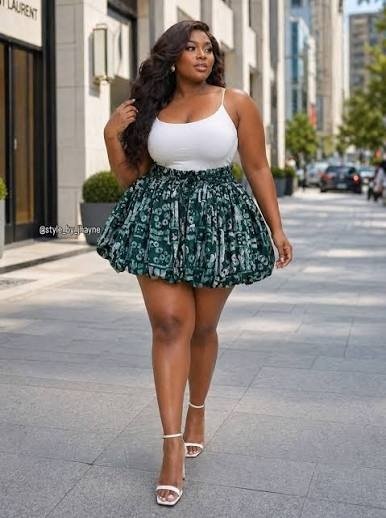
Bubble skirt: Gathered hem creates a full, rounded shape.
Wrap skirt: Wraps around the waist and ties
Staker skirt: Short and flared playful style
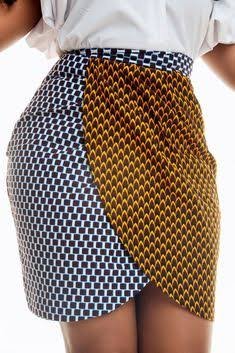
Pencil skirt: Slim fit, straight shape
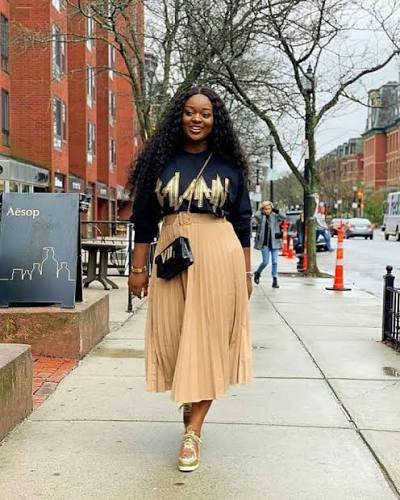
Pleated skirt: Features even folds or pleats.
Tullip skirt: Overlapping from panels create a tulip shape.
Asymmetrical skirt: Uneven hemline for a modern look.
Godet skirt: Inset panels add extra flare.
A-Line skirt: Fitted at the waist gradually flares out.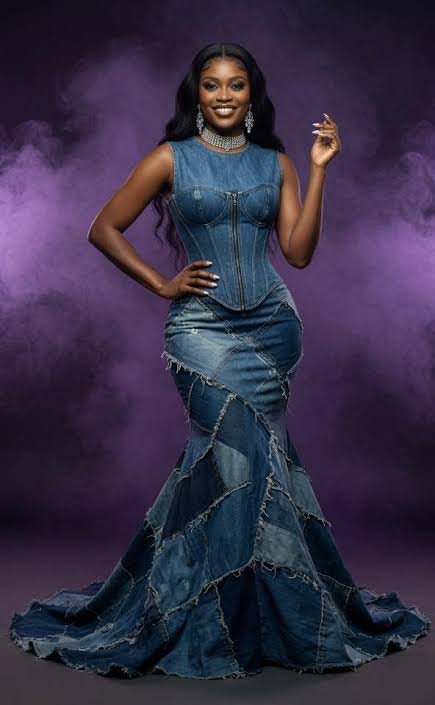
SKIP THE QUEUE, TAP THE NEWS
You can now read the Ghanaian Times and The Spectator newspapers from the comfort of your device via TimesNewsPlus.
Join our WhatsApp Channel: https://whatsapp.com/channel/0029VbBElzjInlqHhl1aTU27
By Linda Abrefi Wadie
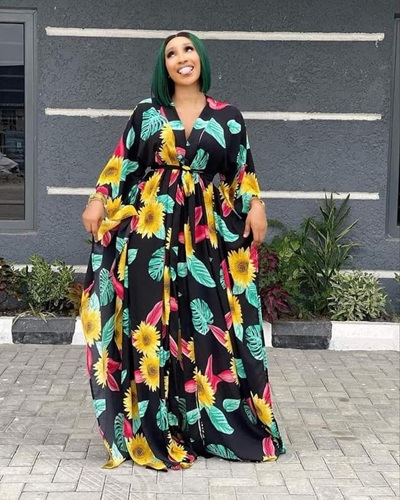
VINTAGE dresses are making a strong comeback in the fashion world as more women embrace timeless designs that combine elegance and a touch of jewellery.
Once regarded as old-fashioned, vintage dresses are now becoming fashionable choices for women who want to stand out from the crowd.
Fashion enthusiasts are particularly drawn to vintage pieces because of their uniqueness. Unlike mass-produced outfits that are often seen everywhere, vintage dresses offer wearers the opportunity to create a distinctive look while expressing their personality.
Vintage dresses are also versatile; they can be worn to weddings, parties, church services, social gatherings or even casual outings, depending on how they are styled. Pairing them with modern shoes, a handbag or simple jewellery can give the outfit a fresh and contemporary appearance.
Vintage fashion therefore proves that style does not always have to mean following the latest trend. Sometimes, the most fashionable statement is found in the beauty of the past.