Nutrition
The N4G Paris Summit 2025: Ghana made commitments, now delivery is what matters

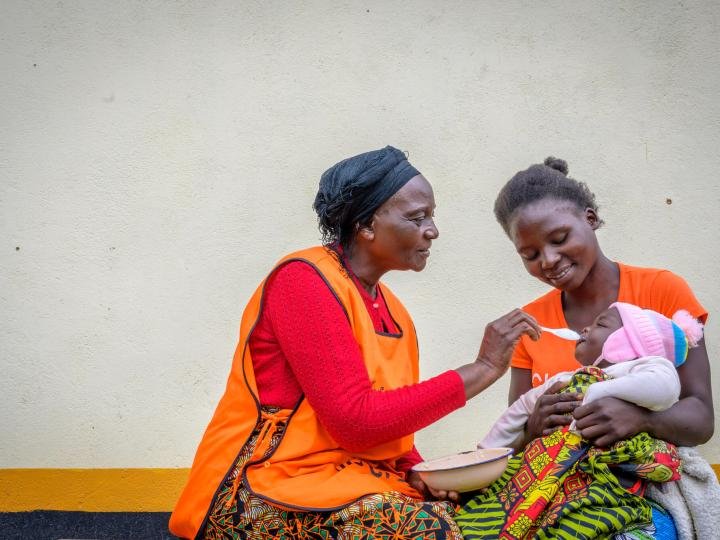
In March 2025, world leaders gathered in Paris for the Nutrition for Growth (N4G) Summit, the most important global gathering on malnutrition of the decade. Over $30 billion in new financial commitments were pledged globally by more than 170 actors from 82 countries. Ghana was there. Ghana made commitments. The question now is: are those commitments enough, and will they be delivered?
Ghana made 10 commitments at the 2025 N4G Summit. One of the most significant is a pledge to spend at least $6 million annually from 2026 for the procurement of essential nutrition commodities including ready-to-use therapeutic food (RUTF), multiple micronutrient supplements (MMS), iron-folic acid tablets, vitamin A supplements, and anthropometric equipment for measuring child growth.
This financial commitment is meaningful. For years, Ghana’s nutrition programmes have depended heavily on donor funding, leaving services vulnerable to aid cuts and supply disruptions. A domestic budget line for nutrition commodities signals a shift toward ownership and sustainability. It also directly supports Ghana’s Nutrition for Growth commitments from the 2021 Tokyo Summit, several of which remain off track.
The Bigger Picture
The 2025 N4G Summit was about more than funding. It called for systemic change: embedding nutrition in food systems, health coverage, climate resilience, and gender equality. Every dollar invested in nutrition is estimated to return $16 to the local economy. Yet malnutrition still costs Ghana an estimated 6.4 per cent of its GDP annually. That is not a public health statistic. It is an economic emergency.
The National Development Planning Commission (NDPC) has acknowledged that converting summit outcomes into actionable change requires transparent policy dialogue and locally driven solutions.
Commitments made in Paris must be tracked, funded, and implemented in Ghana’s communities. Programmes must move from pilot scale to national coverage. That will not happen without sustained political will, dedicated domestic financing, and public accountability.
Commitments made on global stages matter. But they only become meaningful when they translate into services in communities. The question is not what Ghana promised in Paris. It is what Ghana delivers at home.
Feature article by Women, Media and Change under its Nourish Ghana: Advocating for Increased Leadership to Combat Malnutrition project


Ingredients
-Oil
-1 large onion
-2 cups of rice
-Salt
-2 cups of wheat
Preparation
-In a medium saucepan, heat oil over medium-low heat
-Add the onion and cook, stirring frequently, until soft and turns golden brown
-Wash rice and wheat and put into pan. Sauté for two to three minutes, until toasty and fragrant
-Add water and salt and allow to boil.
– Reduce heat to low and allow to simmer for 10 to 15 minutes until rice is tender and the water is absorbed.
-Taste the rice/wheat; if it is still a bit firm, add a few more tablespoons of water and cook a few more minutes.
-When the rice/wheat is ready, take it off the fire and serve hot
Benefits of wheat
–Improves digestion: High levels of insoluble fibre- wheat promotes regular bowel movements, prevent constipation, and support a healthy gut microbiome.
-Supports heart health: Whole-grain wheat helps lower LDL (bad) cholesterol, reduces blood pressure, and decreases the risk of stroke and heart disease.
-Aids weight management: Complex carbohydrates and dense fibre slow digestion, increase feelings of fullness, and help prevent sharp blood sugar spikes.
-Lowers type 2 diabetes risk: Steady glucose release and minerals like magnesium improve insulin sensitivity.
– Provides essential vitamins and minerals: Wheat supplies B vitamins, iron, magnesium, phosphorus, zinc, and selenium, which help build bones and boost immune function.
–Delivers Antioxidants: Compounds like phenolic acids, ferulic acid, and lutein protect cells from oxidative stress and support eye health.
SKIP THE QUEUE, TAP THE NEWS
You can now read the Ghanaian Times and The Spectator newspapers from the comfort of your device via TimesNewsPlus.
Join our WhatsApp Channel: https://whatsapp.com/channel/0029VbBElzjInlqHhl1aTU27

Ingredients
-4 cups of crushed corn
-1 cup of sugar
Method:
-Soak crushed corn for two or more days to ferment
-Boil the fermented corn for about 20-30 minutes until foamy substance is dried up
-Pour sugar in a saucepan and heat until almost burnt
-Strain water from the boiled corn and pour in the saucepan containing sugar
-Use a strainer to strain the chaff
-Allow to cool and store in refrigerator
– Serve with milk
By Linda Abrefi Wadie