Nutrition
Kokonte


- /home/u249204778/domains/spectator.com.gh/public_html/wp-content/plugins/mvp-social-buttons/mvp-social-buttons.php on line 27
https://spectator.com.gh/wp-content/uploads/2025/08/Screenshot_29-8-2025_83717_.jpeg&description= Kokonte', 'pinterestShare', 'width=750,height=350'); return false;" title="Pin This Post">
- Share
- Tweet /home/u249204778/domains/spectator.com.gh/public_html/wp-content/plugins/mvp-social-buttons/mvp-social-buttons.php on line 72
https://spectator.com.gh/wp-content/uploads/2025/08/Screenshot_29-8-2025_83717_.jpeg&description= Kokonte', 'pinterestShare', 'width=750,height=350'); return false;" title="Pin This Post">
Kokonte is a traditional Ghanaian dish made from dried cassava flour. It is often consumed with groundnut soup, palm nut soup, or light soup.
Ingredients
-3 cups of dried cassava flour (also known as kokonte flour)
-5-6 cups of water (adjust as needed)
Preparation
-Place a pot on a low medium heat and cover to boil for 20 minutes
-Mix cassava flour and water and stir thoroughly with a wooden spatula to create a smooth, lump-free mixture. (Stirring is crucial to prevent lumps from forming and to ensure even cooking)
– Continue to stir till it turns into a thick paste gradually (The kokonte will start to pull together and form a smooth, elastic dough)
-Cook on low heat and cover for some time and knead dough in the pot for about 15–20 minutes.
-Scoop and shape portions of the kokonte in a bowl.
-Serve with soup
By Linda Abrefi Wadie

Ingredients
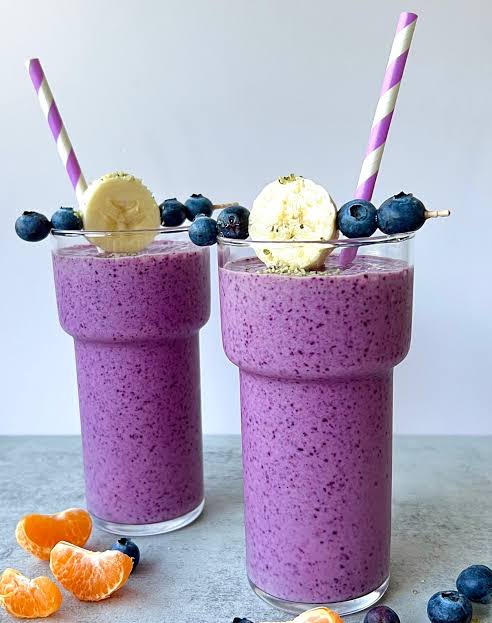
-1 cup of frozen blueberries
-1 medium of ripped banana (fresh or frozen)
-½ cup of plain or greek yogurt
-¾ cup of milk (dairy or plant-based)
-1 teaspoonful of honey or maple syrup (optional)
Preparation
-Wash all ingredients into a bowl
-Blend blueberries and banana.
-Add plain yogurt and cup of milk
-Blend on high speed until completely smooth and creamy.
-Pour into a glass and serve right away
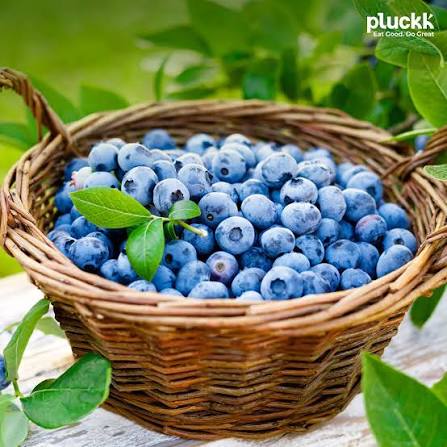
Blueberries have one of the highest antioxidant levels among commonly consumed fruit and vegetables. This is typically referred to as the ORAC score. They are extremely rich in naturally occurring plant compounds called phytochemicals, such as ellagic acid and anthocyanidins. These phytochemicals are responsible for the blue, indigo and red colouring of the berry. They have also been extensively researched for their protective properties.
-Controls blood pressure
Research has shown that anthocyanidins, which are found in berry fruits, supports the cardiovascular system. It supports the health of blood vessels and reducing the arterial stiffness associated with ageing. This is especially useful for post-menopausal women.
Reduce the risk of heart disease
The phytochemicals in blueberries have been seen to prevent oxidative damage to cholesterol. According to research rich in anthocyanins may help lower the risk of heart attacks.
-Regulates blood sugar
Blueberries are both low in sugar and a good source of fibre; as a result, they have a low glycaemic index (GI). This, together with their high flavonoid content, helpsimprove insulin sensitivity, which is important for managing blood sugar levels.
-Maintain eye health
Adding blueberries to diet regularly improve vision and guard against age-related macular degeneration. It improves blood and oxygen flow to the eyes, and the antioxidant protection help to reduce the likelihood of cataract and macular degeneration.
-Reduces gastrointestinal symptoms
Studies suggest the polyphenol and fibre content of blueberries help relieve gut symptoms and improve general well-being in those with abdominal symptoms from gut disorders.
– Ease urinary tract infection symptoms
Many people turn to berries such as cranberries to help prevent urinary tract infections (UTI). Blueberries contain similar compounds to those in cranberries. These compounds may help prevent the bacteria responsible for UTIs from adhering to the bladder wall.
-Reduce muscle damage after exercise
Strenuous physical activity or exercise may lead to soreness and inflammation. Consuming blueberries in a smoothie, for example, before and after such an event may help promote recovery and reduce inflammatory markers.
-Promote healthy ageing
A number of studies suggest that both whole blueberries, their juice and the concentrated powdered form may help reduce oxidative damage. Such damage is an inevitable part of everyday life, but is a key driver in ageing and the development of disease.Bbc.com