Nutrition
Ghana’s bold nutrition for growth commitment: From promises to action

- /home/u249204778/domains/spectator.com.gh/public_html/wp-content/plugins/mvp-social-buttons/mvp-social-buttons.php on line 27
Warning: Trying to access array offset on false in /home/u249204778/domains/spectator.com.gh/public_html/wp-content/plugins/mvp-social-buttons/mvp-social-buttons.php on line 27
&description= Ghana’s bold nutrition for growth commitment: From promises to action', 'pinterestShare', 'width=750,height=350'); return false;" title="Pin This Post">
- Share
- Tweet /home/u249204778/domains/spectator.com.gh/public_html/wp-content/plugins/mvp-social-buttons/mvp-social-buttons.php on line 72
Warning: Trying to access array offset on false in /home/u249204778/domains/spectator.com.gh/public_html/wp-content/plugins/mvp-social-buttons/mvp-social-buttons.php on line 72
&description= Ghana’s bold nutrition for growth commitment: From promises to action', 'pinterestShare', 'width=750,height=350'); return false;" title="Pin This Post">
At the 2025 Nutrition for Growth (N4G) Summit in Paris, Ghana made bold and ambitious commitments to improve the nutritional well-being of its citizens, particularly women and children. These targets if fully implemented have the potential to transform health outcomes, reduce preventable deaths, and unlock national development gains.
Among the commitments announced, Ghana pledged to:
Halve the rate of stunting among children under five.
Reduce anemia in women of reproductive age by 50 per cent.
Cut low birth weight cases by 30 per cent.
Increase exclusive breastfeeding rates to 70 per cent.
Integrate multiple micronutrient supplements (MMS) into antenatal care.
These goals are in line with World Health Assembly nutrition targets and represent a significant step toward addressing the country’s persistent burden of malnutrition. Currently, one in five Ghanaian children is stunted, and nearly half of women of reproductive age suffer from anemia; a situation that weakens productivity, undermines child development, and strains the health system.
Why these commitments matter
Nutrition is not only a health issue; it is an economic and development imperative. Studies have shown that countries lose up to 3 per cent of GDP annually due to malnutrition, while every cedi invested in nutrition generates multiple returns through improved productivity, education, and reduced healthcare costs.
By committing to these targets, Ghana is signaling political will. But political will must translate into action. Civil society organizations (CSOs), the media, and communities all have a role to play in holding government accountable and ensuring that nutrition remains a national priority.
Turning commitments into reality
While the commitments are commendable, the real test lies in implementation. To move from promises to results, Ghana must:
Back commitments with financing. Nutrition interventions must be prioritized in the national budget, with clear allocations and accountability mechanisms.
Strengthen health systems. Integrating micronutrient supplementation and scaling up antenatal care services will require capacity building and supply chain improvements.
Engage parliament and policymakers. Sustained advocacy is needed to ensure nutrition commitments do not get lost in competing political priorities.
Mobilize communities and the media. Public awareness and behavioral change campaigns through churches, schools, and radio can drive adoption of healthy practices such as exclusive breastfeeding.
Track progress transparently. Independent monitoring of stunting, anemia, and low birth weight rates is crucial for evaluating impact.
The commitments made in Paris are not just statistics, they represent brighter futures for Ghanaian children, healthier mothers, and a stronger, more productive nation. Now is the time to turn words into action.

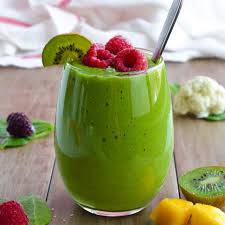
– 2 cups of fresh spinach
-1 cup of almond milk
-1 cup of coconut water
-2 slice of banana or pineapple
– 1/2 cup of greek yogurt
Ice (optional, if not using frozen fruit)
Preparation
- Blend almond milk and spinach
- Continue to blend until no large pieces remain.(This ensures a smooth, non-gritty texture
– Add frozen fruit, yogurt to the mixture
- Blend on high speed until completely smooth.
- Add ice cubes and serve.
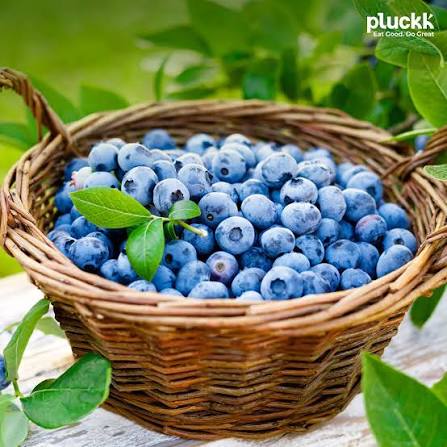
Ingredients
-1 cup of frozen blueberries
-1 medium of ripped banana (fresh or frozen)
-½ cup of plain or greek yogurt
-¾ cup of milk (dairy or plant-based)
-1 teaspoonful of honey or maple syrup (optional)
Preparation
-Wash all ingredients into a bowl
-Blend blueberries and banana.
-Add plain yogurt and cup of milk
-Blend on high speed until completely smooth and creamy.
-Pour into a glass and serve right away