Nutrition
Nutrition as smart economics: Why Ghana must invest in it

- /home/u249204778/domains/spectator.com.gh/public_html/wp-content/plugins/mvp-social-buttons/mvp-social-buttons.php on line 27
Warning: Trying to access array offset on false in /home/u249204778/domains/spectator.com.gh/public_html/wp-content/plugins/mvp-social-buttons/mvp-social-buttons.php on line 27
&description= Nutrition as smart economics: Why Ghana must invest in it', 'pinterestShare', 'width=750,height=350'); return false;" title="Pin This Post">
- Share
- Tweet /home/u249204778/domains/spectator.com.gh/public_html/wp-content/plugins/mvp-social-buttons/mvp-social-buttons.php on line 72
Warning: Trying to access array offset on false in /home/u249204778/domains/spectator.com.gh/public_html/wp-content/plugins/mvp-social-buttons/mvp-social-buttons.php on line 72
&description= Nutrition as smart economics: Why Ghana must invest in it', 'pinterestShare', 'width=750,height=350'); return false;" title="Pin This Post">
When national development is discussed, the spotlight often falls on roads, factories, employment, and technology. Yet, one of the most powerful engines of economic growth remains overlooked: nutrition. A well-nourished population is not just healthier, it is smarter, more productive, and better positioned to drive Ghana’s transformation.
The hidden cost of malnutrition
Malnutrition is not only a public health crisis; it is a silent drain on the economy. According to the Ghana Demographic and Health Survey (GDHS 2022), countries lose up to 3percent of GDP annually due to poor nutrition. For Ghana, this means billions of cedis lost every year through lower productivity, weaker educational outcomes, and soaring healthcare costs. Malnutrition robs the nation of its human capital; the very foundation of sustainable growth.
Nutrition: An investment, not an expense
The evidence is clear: nutrition delivers some of the highest returns on investment of any development intervention. Every cedi spent on nutrition generates multiple benefits:
Higher productivity: Healthy, well-fed workers contribute more to the economy.
Better education outcomes: Children who eat balanced diets learn faster and perform better in school.
Reduced healthcare costs: Preventing malnutrition lowers the burden of disease and reduces long-term treatment expenses.
In short, nutrition is not charity, it is smart economics. Ghana cannot afford to postpone action.
Why Ghana must act now
Ghana has already made bold commitments at the 2025 Nutrition for Growth (N4G) Summit, pledging to halve child stunting and reduce anemia in women. But without adequate financing and political will, these promises risk becoming empty words.
Nutrition interventions such as exclusive breastfeeding promotion, school feeding programmes, and micronutrient supplementation require sustained investment. Without dedicated budget lines and accountability measures, the cycle of malnutrition will continue to undermine development.
A call for leadership and accountability
Nutrition must be placed at the heart of Ghana’s development strategy. Policymakers, parliamentarians, and development partners need to treat nutrition with the same urgency as infrastructure or energy. Civil society organizations, the media, and citizens must also play their part by demanding accountability and ensuring that nutrition remains high on the national agenda.
The truth is simple: a nation cannot grow on an empty stomach. By investing in nutrition today, Ghana secures a healthier, wealthier, and more resilient future. A nourished Ghana is not just a healthier nation; it is a stronger, more prosperous one, ready to achieve its vision of inclusive growth.

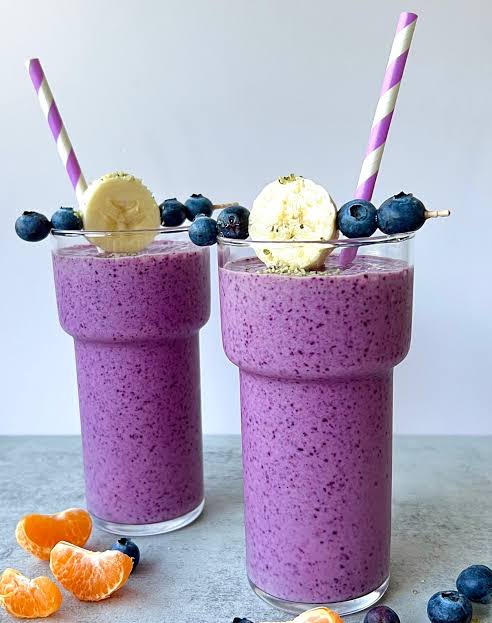
Ingredients
-1 cup of frozen blueberries
-1 medium of ripped banana (fresh or frozen)
-½ cup of plain or greek yogurt
-¾ cup of milk (dairy or plant-based)
-1 teaspoonful of honey or maple syrup (optional)
Preparation
-Wash all ingredients into a bowl
-Blend blueberries and banana.
-Add plain yogurt and cup of milk
-Blend on high speed until completely smooth and creamy.
-Pour into a glass and serve right away
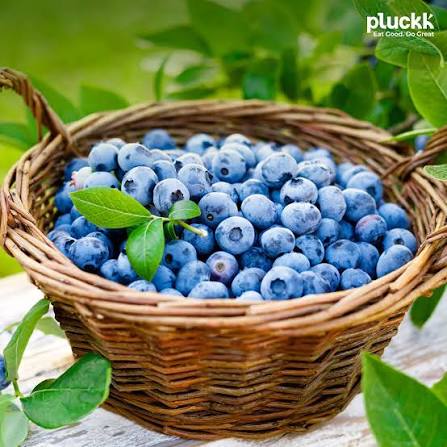
Blueberries have one of the highest antioxidant levels among commonly consumed fruit and vegetables. This is typically referred to as the ORAC score. They are extremely rich in naturally occurring plant compounds called phytochemicals, such as ellagic acid and anthocyanidins. These phytochemicals are responsible for the blue, indigo and red colouring of the berry. They have also been extensively researched for their protective properties.
-Controls blood pressure
Research has shown that anthocyanidins, which are found in berry fruits, supports the cardiovascular system. It supports the health of blood vessels and reducing the arterial stiffness associated with ageing. This is especially useful for post-menopausal women.
Reduce the risk of heart disease
The phytochemicals in blueberries have been seen to prevent oxidative damage to cholesterol. According to research rich in anthocyanins may help lower the risk of heart attacks.
-Regulates blood sugar
Blueberries are both low in sugar and a good source of fibre; as a result, they have a low glycaemic index (GI). This, together with their high flavonoid content, helpsimprove insulin sensitivity, which is important for managing blood sugar levels.
-Maintain eye health
Adding blueberries to diet regularly improve vision and guard against age-related macular degeneration. It improves blood and oxygen flow to the eyes, and the antioxidant protection help to reduce the likelihood of cataract and macular degeneration.
-Reduces gastrointestinal symptoms
Studies suggest the polyphenol and fibre content of blueberries help relieve gut symptoms and improve general well-being in those with abdominal symptoms from gut disorders.
– Ease urinary tract infection symptoms
Many people turn to berries such as cranberries to help prevent urinary tract infections (UTI). Blueberries contain similar compounds to those in cranberries. These compounds may help prevent the bacteria responsible for UTIs from adhering to the bladder wall.
-Reduce muscle damage after exercise
Strenuous physical activity or exercise may lead to soreness and inflammation. Consuming blueberries in a smoothie, for example, before and after such an event may help promote recovery and reduce inflammatory markers.
-Promote healthy ageing
A number of studies suggest that both whole blueberries, their juice and the concentrated powdered form may help reduce oxidative damage. Such damage is an inevitable part of everyday life, but is a key driver in ageing and the development of disease.Bbc.com