Nutrition
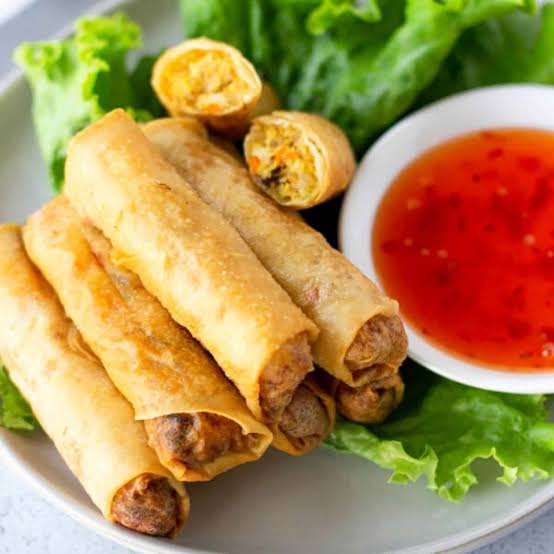
Homemade spring roll

- /home/u249204778/domains/spectator.com.gh/public_html/wp-content/plugins/mvp-social-buttons/mvp-social-buttons.php on line 27
https://spectator.com.gh/wp-content/uploads/2026/08/Delicious-spring-roll.jpg&description=Homemade spring roll', 'pinterestShare', 'width=750,height=350'); return false;" title="Pin This Post">
- Share
- Tweet /home/u249204778/domains/spectator.com.gh/public_html/wp-content/plugins/mvp-social-buttons/mvp-social-buttons.php on line 72
https://spectator.com.gh/wp-content/uploads/2026/08/Delicious-spring-roll.jpg&description=Homemade spring roll', 'pinterestShare', 'width=750,height=350'); return false;" title="Pin This Post">
Ingredients
-6 tablespoonfuls of plain flour
-3 tablespoonfuls of margarine
-5 tablespoonfuls of mixed vegetable
-2 large onions (chopped)
-3 medium-sized chicken breast (chopped)
-Egg white as binding agent
-Salt
-Maggie cube
-Black pepper
-Oil for deep frying
Preparation
Pour plain flour into a mixing bowl
-Add salt to taste
-Add margarine and vegetable oil and mix well
-Add cold water to make a soft dough
– Allow dough to rest and prepare the stuffing
– Put your saucepan on the hub and add about a tablespoonful of oil
– Add the onion and fry for about a minute
– Add the chopped chicken breast
-Allow to cook through for about five minutes whiles turning intermittently
-Add the mixed veggies and allow on for another five minutes. Add a little water to make it saucy
-Add a little gravy powder/ flour to keep it more like gravy sauce and allow the sauce to cool
– Take the dough and with the rolling pin on the board surface, roll the dough till it becomes flat and light and cut the dough into good sizes
– Use egg white as a sticking agent and with the pastry brush, brush the egg white over the pastry.
-Put in the fillings on the individual doughs and fold them nicely, making sure all ends are nicely tucked in.
-Egg wash the rolls
-Deep fry the rolls in hot frying oil, so they don’t become soggy.
Remove when golden brown and serve with Shito or sauce.

One of the most persistent myths about nutrition is that eating well is a luxury reserved for higher incomes. That healthy means imported, packaged, and pricey. The reality in Ghana tells a very different story.
Good nutrition starts with local food
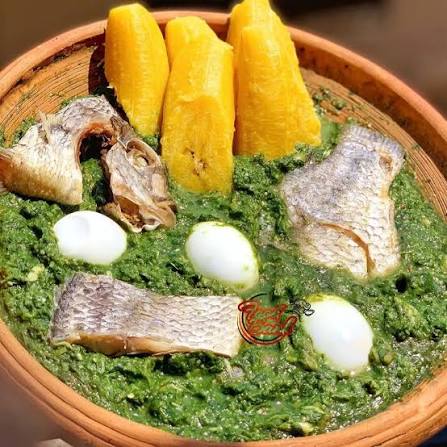
Ghana is rich in nutrient-dense foods that are grown here and sold in markets every day: beans, cowpeas, groundnuts, kontonmire, alefu, okra, garden eggs, tomatoes, oranges, mangoes, pawpaw, millet, sorghum, yam, cocoyam, and small fish. Together, they supply the protein, vitamins, minerals, healthy fats, and fibre the body needs to grow, stay strong, and fend off chronic disease.
Many traditional Ghanaian meals are already nutritionally balanced by design. Beans with ripe plantain. Kontomire stew with boiled yam. Tuo zaafi with ayoyo and beans. Meal for meal, these often outperform processed convenience food and cost less doing it. Healthy eating rarely requires exotic ingredients; it starts with foods that have always been part of the culture.
So why does healthy eating still feel expensive?
Rising food prices, transport costs, and post-harvest losses all chip away at affordability. Fresh fruit, vegetables, fish, and eggs can get pricier at certain times of year, while heavily marketed processed foods stay cheap and everywhere. Busy schedules push people toward packaged convenience food that’s quick to prepare but often loaded with salt, sugar, and unhealthy fat. The lesson here: healthy eating isn’t only a personal choice. It is shaped by the food environment people live in.
Small changes, real savings
Families don’t need a diet overhaul overnight. A few consistent habits go a long way:
- Plan meals before shopping to buy only what’s needed and cut food waste.
- Buy fruits and vegetables in season, when prices are lowest.
- Add beans or other legumes to meals a few times a week as an affordable protein source.
- Swap sugary drinks for water and fresh fruit offering better nutrition at no extra cost.
A shared responsibility
Households can only do so much on their own. Governments, local authorities, and the private sector need to make the healthy choice the easy choice, too. That means investing in irrigation, storage, and transport to stabilise prices; supporting farmers to keep fresh produce flowing year-round; and building nutrition education and healthier food options into schools, workplaces, and public institutions.
Good nutrition should never be treated as a luxury. It’s the foundation of good health, learning, and productivity. When nutritious local food is within reach of every household, Ghana moves closer to a healthier, more productive future for everyone.
Feature article by Women, Media and Change under its Nourish Ghana: Advocating for Increased Leadership to Combat Malnutrition project
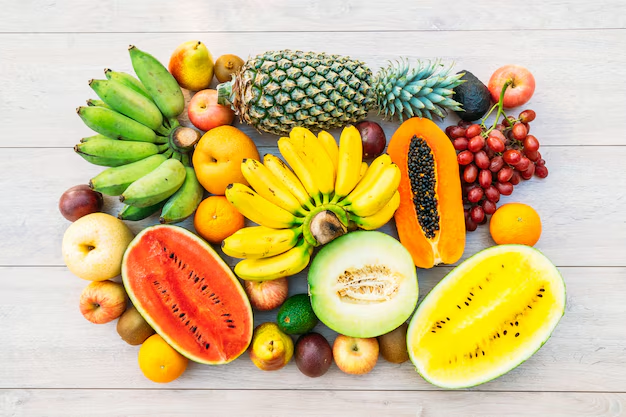
Walk through any market in Ghana during fruit season and one thing is unmistakable: nature has been generous. Mangoes, pineapples, oranges, watermelon, pawpaw, bananas, and avocados sit in abundance, often at their most affordable prices of the year.
And yet many families still eat far less fruit than they should even as non-communicable diseases like hypertension, diabetes, and obesity continue to rise nationally. Encouraging more seasonal fruit in everyday diets is one of the simplest, most cost-effective nutrition wins available to Ghana.
Nature’s nutrient package
Fruits deliver the vitamins, minerals, fibre, and antioxidants that the body needs to function well. Vitamin C strengthens immunity and helps the body absorb iron. Potassium supports healthy blood pressure. Fibre aids digestion and helps regulate blood sugar. For children, fruit fuels healthy growth and development. For adults, regular fruit intake is linked to lower risk of heart disease, stroke, and certain cancers, all while staying naturally low in sodium and free of added sugar, unlike most processed snacks.
Why eating in season just makes sense
Seasonal fruit is fresher, tastier, cheaper, and at its nutritional peak, all at once. Buying in season saves households money, supports local farmers, and reduces post-harvest losses across the supply chain. Small habits compound: a banana at breakfast, watermelon as an afternoon snack, a slice of pawpaw after dinner. None of it dramatic, all of it adding up.
The competition from processed foods
Despite this local abundance, sugary drinks, biscuits, and processed snacks are steadily winning market share, especially with children and adolescents. Aggressive marketing and convenience have made them the easier choice, even though they’re typically high in sugar, salt, and unhealthy fat and low in real nutrition. Swapping just one processed snack a day for a piece of fresh fruit is a small change that pays off over time.
Making the healthy choice the easy choice
Fixing this is not just about telling people to eat better. It is about shaping the environment around them. Schools can build fruit into feeding programmes. Workplaces can offer healthier snacks at meetings. Markets and supermarkets can give locally grown fruit better visibility and shelf space. Local authorities can support vendors with better storage to cut spoilage. And nutrition education should spotlight Ghana’s own fruits, not just imported alternatives.
Seasonal fruit is one of Ghana’s greatest and most underused nutritional assets. Sometimes the best solution to a nutrition problem isn’t a new product. It’s already growing in our own communities.
Feature article by Women, Media and Change under its Nourish Ghana: Advocating for Increased Leadership to Combat Malnutrition project

 News1 week ago
Prof. Kwabena Twerefou holds inaugural lecture; calls for better stewardship of Ghana’s natural resources
- News1 week ago
Prez Mahama to visit Jamaica to strengthen ties and advance reparations agenda
- News1 week ago
Ahanta Heritage Month: Diplomats, youth tour forts, Cape Three Points and historic sites