Nutrition
Health benefits of jute leaves (Ademe)

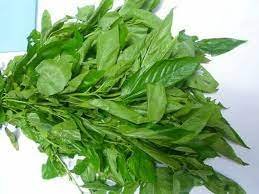
• Jute leaves
Jute leaves is popularly called ewedu among the Yoruba and rama or ayoyo among the Hausa. It is a popular vegetable in West Africa and is not just rich in nutrition but also has a lot of health benefits, including protecting us from various diseases. Nutrition-wise, vegetables are low in calories but high in vitamins and minerals.
– Internal Bleeding
Jute plant consists of considerable amount of Vitamin K which is helpful in reducing the threat of bleeding in the liver, poor nutrient absorption, jaundice or the combination of long term use of antibiotics or aspirin. Some of the problems related with the gastrointestinal system due to a decrease of this vitamin include colitis, obstructions, sprue and Crohn’s disease. All these problems are due to a reduced content of Vitamin K.
-Weight loss
The green leaf has been described as a source of weight loss. Serving ayoyo or ademe without meat or fish has 97 calories. So, for those trying to lose some weight, include ewedu in your diet.
The ewedu leaf is an adequate source of fibre, thus making the plant very helpful in dealing with weight management and may also promote intestinal health by helping with bowel movement.
– Good for pregnant
women
This jute leaf has been known to be a remedy for pregnant women experiencing prolonged labour. When a pregnant woman is experiencing prolonged labour, a bunch of ewedu leaves squeezed with the stem can be given to her to drink. It has also been discovered to aid milk secretion in lactating mothers.
– Protects Eye Health
Poor diet or nutrient deficiencies are the fundamental reasons of numerous eye diseases. Research has proven that taking vitamin B6 together with other vitamins, like folate, can help in the prevention of eye disorders and loss of vision. Jute plant consists of 0.496 mg Vitamin B6 which is 38.15percent of the daily recommended value. Regular consumption of Jute plant is believed to help slow the start of certain eye diseases, including age-related macular degeneration.
-Fights off colds and flu
Jute plant consists of Vitamin C which is extremely beneficial to the immune system and plays an important role in the body’s ability to fight off colds and viruses. You can take 1,000 mg of Vitamin C to fight off an oncoming cold and 4,000 mg per day to get rid of a cold which is previously in your system.
Vitamin C when taken during colds and flu can help to decrease the risk of developing further complications, like pneumonia and lung infections.
-Reduces cholesterol
Several research studies have shown that copper helps to reduce the levels of “bad” cholesterol (LDL cholesterol) and to increase beneficial cholesterol (HDL cholesterol). Jute plant consists of 0.222 mg of copper which is 24.67percent of the daily recommended value. This helps to lower the chances of cardiovascular diseases like atherosclerosis, heart attacks, and strokes.
– Protects healthy hair and skin
Vitamin B2 also known as riboflavin plays an important role in maintaining collagen levels, which helps to make up healthy skin and hair. Collagen is required to maintain the youthful structure of skin and to prevent fine lines and wrinkles, thus a riboflavin deficiency can make us look aged earlier. Some research recommends that riboflavin can decrease the time needed for wound healing, can decrease skin inflammation and cracked lips, and can help naturally slow signs of aging.
Source: Herbal Cure For Disease



Ingredients
-Oil
-1 large onion
-2 cups of rice
-Salt
-2 cups of wheat
Preparation
-In a medium saucepan, heat oil over medium-low heat
-Add the onion and cook, stirring frequently, until soft and turns golden brown
-Wash rice and wheat and put into pan. Sauté for two to three minutes, until toasty and fragrant
-Add water and salt and allow to boil.
– Reduce heat to low and allow to simmer for 10 to 15 minutes until rice is tender and the water is absorbed.
-Taste the rice/wheat; if it is still a bit firm, add a few more tablespoons of water and cook a few more minutes.
-When the rice/wheat is ready, take it off the fire and serve hot
Benefits of wheat
–Improves digestion: High levels of insoluble fibre- wheat promotes regular bowel movements, prevent constipation, and support a healthy gut microbiome.
-Supports heart health: Whole-grain wheat helps lower LDL (bad) cholesterol, reduces blood pressure, and decreases the risk of stroke and heart disease.
-Aids weight management: Complex carbohydrates and dense fibre slow digestion, increase feelings of fullness, and help prevent sharp blood sugar spikes.
-Lowers type 2 diabetes risk: Steady glucose release and minerals like magnesium improve insulin sensitivity.
– Provides essential vitamins and minerals: Wheat supplies B vitamins, iron, magnesium, phosphorus, zinc, and selenium, which help build bones and boost immune function.
–Delivers Antioxidants: Compounds like phenolic acids, ferulic acid, and lutein protect cells from oxidative stress and support eye health.
SKIP THE QUEUE, TAP THE NEWS
You can now read the Ghanaian Times and The Spectator newspapers from the comfort of your device via TimesNewsPlus.
Join our WhatsApp Channel: https://whatsapp.com/channel/0029VbBElzjInlqHhl1aTU27

Ingredients
-4 cups of crushed corn
-1 cup of sugar
Method:
-Soak crushed corn for two or more days to ferment
-Boil the fermented corn for about 20-30 minutes until foamy substance is dried up
-Pour sugar in a saucepan and heat until almost burnt
-Strain water from the boiled corn and pour in the saucepan containing sugar
-Use a strainer to strain the chaff
-Allow to cool and store in refrigerator
– Serve with milk
By Linda Abrefi Wadie