Hot!
Gov’t urged to invest in tourism to reap full benefits

- /home/u249204778/domains/spectator.com.gh/public_html/wp-content/plugins/mvp-social-buttons/mvp-social-buttons.php on line 27
https://spectator.com.gh/wp-content/uploads/2023/12/IMG-20231220-WA00361.jpg&description=Gov’t urged to invest in tourism to reap full benefits', 'pinterestShare', 'width=750,height=350'); return false;" title="Pin This Post">
- Share
- Tweet /home/u249204778/domains/spectator.com.gh/public_html/wp-content/plugins/mvp-social-buttons/mvp-social-buttons.php on line 72
https://spectator.com.gh/wp-content/uploads/2023/12/IMG-20231220-WA00361.jpg&description=Gov’t urged to invest in tourism to reap full benefits', 'pinterestShare', 'width=750,height=350'); return false;" title="Pin This Post">
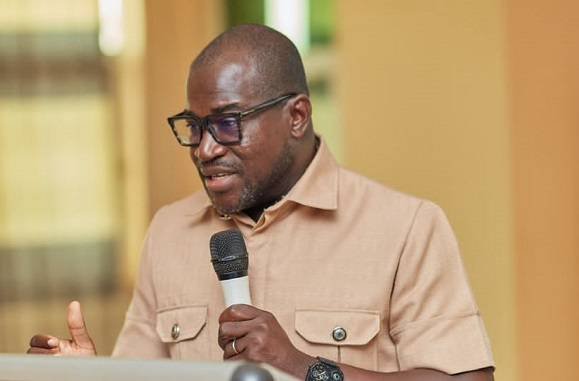
The Director in-Charge of monitoring and Evaluation at the Ghana Investment Promotion Centre (GIPC), Dr George Asafo Adjei has said that although the tourism sector is receiving some attention from the government with the development of key tourism sites, a lot more needs to be done to maximise the benefits of the sector.
According to him, there was the need to develop tourism along the value chain, adding that “we need to link tourism development with all its accompaniments such as entertainment, food joints and other side attractions to sustain the interest of tourists who would flock into the country.”
He said it was not enough to just draw tourists into the country without the favourable conditions to sustain and generate their interest.
Most tourists want something that would generate their interest rather than merely visiting tourist sites.
“We need to ensure that the 10 or 15 minutes a tourist will spend at tourist sites, he can take something away. There could be things like cultural displays performed by local people at these sites,” he emphasised.
He was speaking in an interview with The Spectator on the sidelines of a day’s Regional sensitisation workshop organised by GIPC to create awareness on its mandate and service delivery at Techiman in the Bono East Region.
Among the objectives of the workshop was to share insights of the region’s untapped economic potentials and opportunities among others.
Dr Asafo Adjei charged the Bono East Regional Coordinating Council to liaise with the GIPC to develop a business plan to push for the region’s development.
The Bono East Region, he noted must leverage on its tourism potential as well as agribusiness which the region abounds in to fast-track the development of the area.
He also called for the improvement in infrastructure such as roads, hospitals and hotels which he said were very critical to attract investors into the new region.
The Bono East Regional Minister, Kwasi Adu Gyan, commended GIPC for extending their activities to the Bono East Region and expressed the hope that this would go a long way to speed up the implementation of the area.
He explained that the government believes that the unit of development begins from the Municipal and district Assemblies through the implementation of local content and urged the participants to make use of the knowledge acquired through the workshop.
From Daniel Dzirasah, Techiman


The University of Ghana Medical Centre (UGMC) has disputed claims made on social media by comedian Michael Blackson concerning the treatment given to his late mother, saying a review found that the allegations did not accurately reflect what happened during her stay at the hospital.
In a statement issued in Accra on August 5, 2026, the management of UGMC expressed condolences to Mr. Blackson and his family over the death of his 83-year-old mother, who died at the facility on July 16, 2026.
The hospital said it had taken the concerns raised by Mr. Blackson seriously and conducted a thorough review in line with its clinical and administrative procedures.
According to the statement, the facts presented by Mr. Blackson on social media contained “numerous inaccuracies” and did not accurately reflect the medical care provided to his mother.
UGMC explained that she was referred to the facility from another hospital and received treatment there from May 27 to July 16, 2026, a period of about eight weeks.
The hospital stated that it would not release details of her diagnosis, treatment, medical records or other aspects of her care because it had a duty to protect patient confidentiality, even after death.
It said the decision was intended to respect the dignity of the deceased and the privacy of her family.
UGMC further stated that all clinical decisions at the facility are made by qualified healthcare professionals based on medical judgment, established standards of care and the best interests of the patient.
The statement added that such decisions are made in consultation with authorised family representatives where necessary and that billing and financial procedures are governed by institutional policies and are separate from clinical decision-making.
The hospital noted that it values feedback from patients and their families and considers both positive and negative comments important for improving the quality of care.
Mr. Blackson had earlier used social media to criticise the care his mother received at UGMC, prompting the hospital’s response.
By: Jacob Aggrey
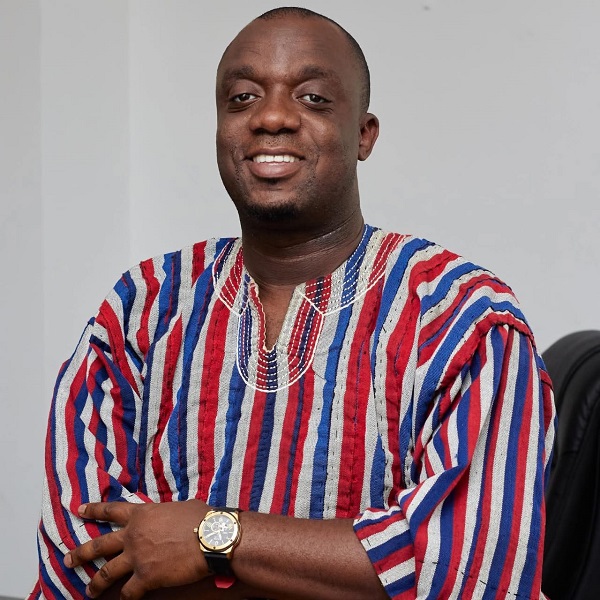
The New Patriotic Party (NPP) has directed all aspirants campaigning in the Greater Accra Region to suspend their campaign activities on August 5 and 6 and instead mobilise supporters for the party’s planned “Democracy Under Attack” demonstration.
The directive was issued by the party’s National Steering Committee in a statement signed by the NPP General Secretary, Justin Kodua Frimpong, on Tuesday.
According to the statement, the decision forms part of efforts to ensure a strong turnout for the demonstration, which is scheduled for Thursday, August 6, 2026.
The party said the protest would begin at 5:00 a.m., with participants expected to gather at the Supreme Court in Accra.
It further directed Regional, Constituency and Polling Station Executives in Greater Accra to work closely to mobilise members and supporters for the event.
“The National Steering Committee is calling on all aspirants currently campaigning across the Greater Accra Region to temporarily suspend their campaign activities on the 5th and 6th of August and join in mobilising support for the upcoming demonstration,” the statement noted.
The NPP appealed to party members and supporters to remain peaceful, disciplined and orderly throughout the protest.
The demonstration forms part of the party’s response to concerns it has raised over issues relating to Ghana’s democratic governance and the justice system.
The NPP leadership expressed confidence that party members would cooperate fully to ensure a successful and peaceful event.
By: Jacob Aggrey

 News1 week ago
Prof. Kwabena Twerefou holds inaugural lecture; calls for better stewardship of Ghana’s natural resources
- News1 week ago
Prez Mahama to visit Jamaica to strengthen ties and advance reparations agenda
- News1 week ago
Ahanta Heritage Month: Diplomats, youth tour forts, Cape Three Points and historic sites