Gender
Ending maternal mortality: A national, moral duty to mothers

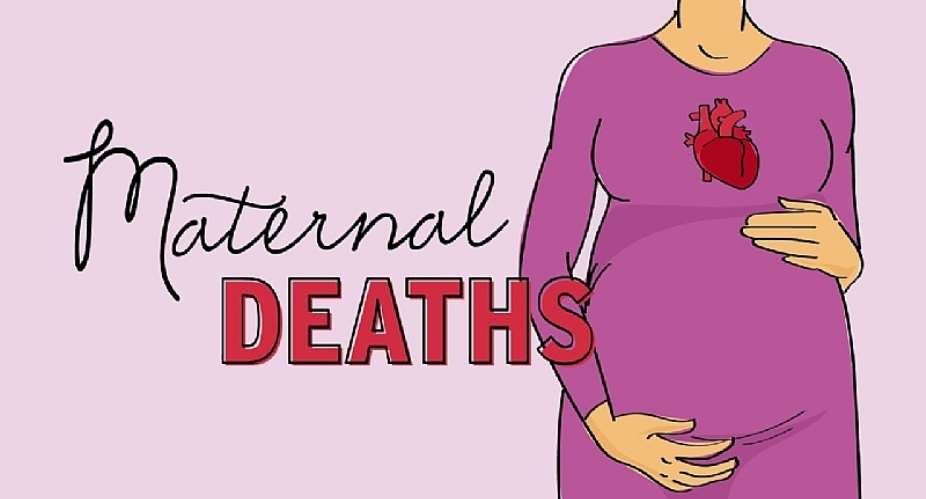
When Ama Serwaa stepped out of her room that night, she paused at the doorway and looked back. Her two-year-old son was asleep, his tiny chest rising and falling gently. She bent, kissed his forehead and whispered, “Mummy will be back soon.”
It was a promise she never kept.
Ama was 28, seven months pregnant, and hopeful. She had been feeling unwell all day, but as many women do, she tried to endure it. When the bleeding started, fear crept in.
By the time her husband and neighbours realised it was serious, night had fallen and transport was hard to find. The nearest health facility was far away. Every minute felt like an hour.
By the time Ama arrived at the Ada district hospital, she was barely conscious. Within minutes, she was gone. Her unborn baby died with her.
In one night, a child lost his mother, a husband lost his wife, and a family lost its future. Ama became another silent statistics- another woman who left home pregnant and never returned alive.
Maternal mortality remains a challenge as far as reproductive healthcare services in Ghana are concerned.
The World Health Organisation (WHO) defines it as the death of a woman while pregnant or within 42 days of termination of pregnancy, regardless of the duration of the pregnancy, from any cause related to or aggravated by the pregnancy or its management but not from accidental or incidental causes.
This continues to be a great concern with majority of all maternal deaths occurring in developing Africa with more than half in Sub- Saharan Africa.
The Ghana Health Service (GHS) says, the country has recorded a slight increase in the institutional maternal mortality rate for 2024.
Data presented by the Director for Family Health, Dr Kennedy Brightson, at the Fifth National Maternal, Child Health, and Nutrition Conference in Accra shows a rise from 109.22 per 100,000 live births in 2023 to 110 per 100,000 live births in 2024.
Owing to the still high levels of maternal mortality in developing countries, especially Africa, it is now increasingly being recognised that actions required to achieve improvements in maternal health should involve comprehensive, multi-faceted approach.
Across Ghana, stories like Ama’s unfold quietly. There are no sirens, no headlines, no public mourning. Just hurried burials, unanswered questions and children growing up with fading memories of a mother’s voice.
It is this painful reality that formed the backdrop to a high-level Maternal Mortality Roundtable attended by the Minister for Gender, Children and Social Protection, Dr Agnes Naa Momo Lartey, as Ghana intensifies efforts to end preventable maternal deaths.
The roundtable, convened by the Office of the President through the SDGs Advisory Unit, in collaboration with the United Nations Population Fund (UNFPA) and the National Development Planning Commission (NDPC), was held under the theme: “No woman should lose her life to give a life.”
But for families like Ama’s, these words must mean more than fine speeches and conference banners. They must mean real change that reaches the last woman in the last village.
Speaking with emotion and urgency, Dr Lartey reminded participants that maternal mortality is not just a medical failure, but a failure of care, equity and accountability.
“Saving women’s lives must go beyond rhetoric,” she stressed. “It must be seen, felt and materialised in our communities, our clinics and our homes.”
She called for strong community accountability mechanisms, warning that when maternal deaths are normalised or hidden, society becomes complicit in the loss. Every woman who dies in childbirth, she noted, leaves behind a trail of grief that does not end at the grave.
“History will not judge us by the speeches we deliver today,” the Minister said quietly, “but by the lives we save through the path we take.”
She urged all stakeholders, government agencies, development partners, traditional and religious leaders to move beyond promises to clear commitments, timelines and responsibility, insisting that maternal health cannot remain an annual discussion while women continue to die daily.
Yet Dr Lartey was equally clear that the fight against maternal deaths also begins with women themselves. She urged pregnant women to take antenatal and postnatal care seriously, noting that many complications are preventable or manageable if detected early.
Health experts present acknowledged a painful truth: some women delay or skip antenatal visits because of distance, cost, fear or cultural beliefs. But these visits can be the thin line between life and death the place where danger signs are noticed before it is too late.
Dr Lartey reminded the nation that maternal health is not the burden of one ministry alone, but a shared moral responsibility — from policy makers to health workers, from chiefs to pastors, from husbands to neighbours.
“When women survive, children are born, families thrive, communities prosper and nations grow,” she said. “Saving women’s lives is not charity. It is justice.”
Today, Ama’s son calls his grandmother “Mama.” Her husband still keeps her cloth folded neatly in a box.
Her absence is felt in small, crushing ways an empty seat, an unanswered call, a child asking questions no one can answer.
Ama’s death should not be just another story told and forgotten. It should be a reminder and a warning.
If Ghana’s commitments remain words on paper, more women will leave home pregnant and never return. But if action replaces rhetoric, if women are supported to seek care, and if communities refuse to stay silent, then fewer families will have to whisper goodbye at a graveside.
By Esinam Jemima Kuatsinu

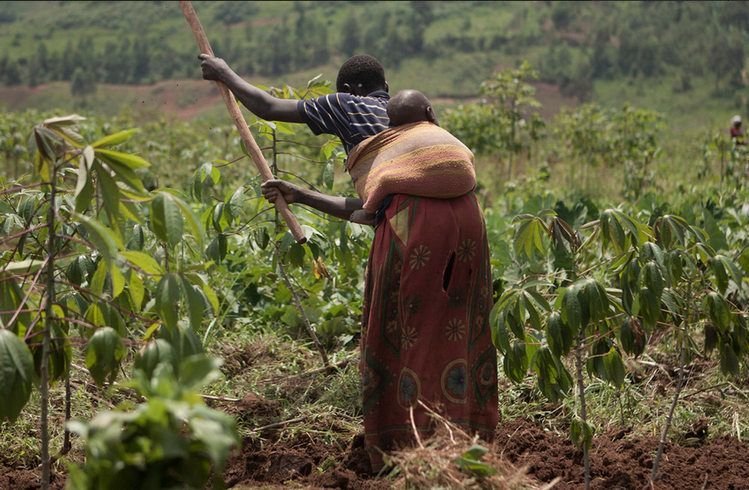
Across many farming communities in Northern Ghana, women routinely carry their infants on their backs while engaging in strenuous farm labour. This practice, though rooted in necessity and resilience, exposes both mothers and their babies to significant health risks, particularly musculoskeletal strain and developmental concerns.
For these women, the decision to take babies to the farm is rarely optional. It reflects the absence of affordable childcare, entrenched gender roles, and persistent economic pressures that compel women to combine farming, childcare, and household duties simultaneously.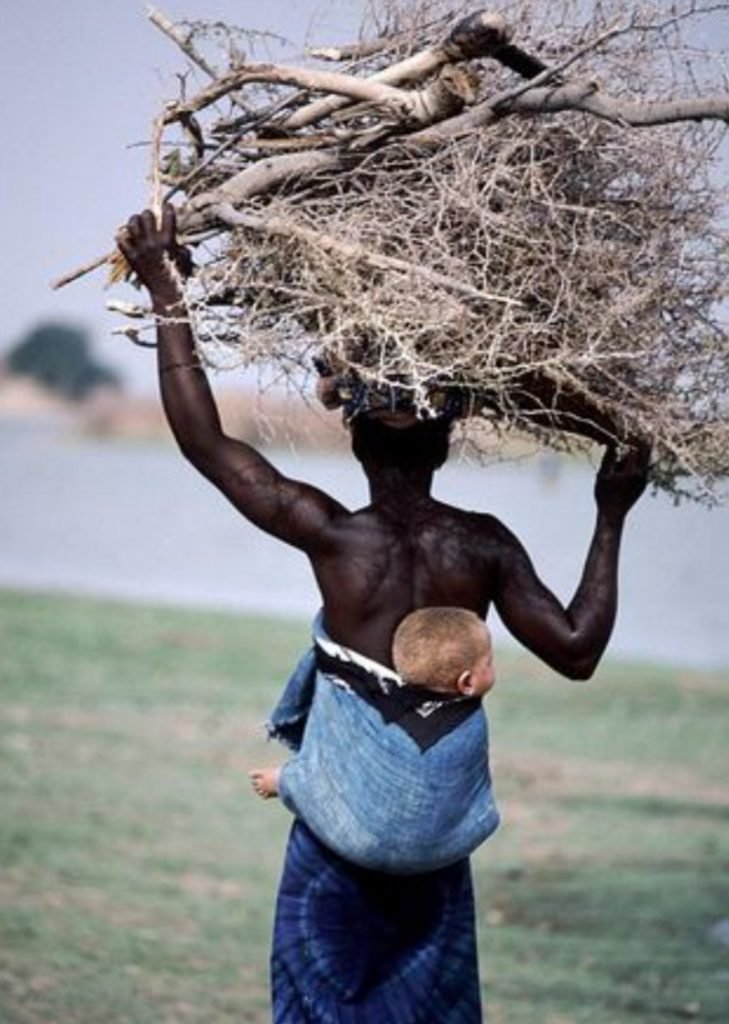
Everyday Reality
In many rural communities in Northern Ghana, women begin their day before sunrise, balancing farm work with domestic responsibilities such as fetching water and firewood, cooking, and caring for children. Carrying infants on their backs, strapped with cloth, enables them to breastfeed and monitor their babies while going about their farming activities.
The use of outdated tools increases the risk of sprains and strains. Exposure to pesticides, extreme heat, and zoonotic infections further endanger women, especially those who are pregnant or breastfeeding.
Effects on Mothers
Dr. Enoch Harvoh, a Senior Medical Doctor at the Tamale Teaching Hospital, explained in an interview with GNA that the primary health risks stem from prolonged physical strain. He identified several key concerns, including musculoskeletal pain, postural changes, chronic fatigue, injury risk, and other hazards such women face.
Dr. Harvoh explained that musculoskeletal issues such as chronic lower back, upper back, neck, and shoulder pain are common among women who farm with babies on their backs. He added that back-carrying alters spinal alignment, increasing pelvic tilt and causing abnormal curvature of the spine, medically described as cervokypholordotic posture.
The combination of farming, domestic work, and childcare leads to severe physical exhaustion and stress, while frequent bending, squatting, and lifting further contribute to physical strain.
Effects on Infants
While back-carrying supports bonding and infant safety, prolonged exposure in farm environments presents risks to infants. These include:
- Lower limb development concerns
- Restricted movement and visual stimulation
- Potentially affected sensorimotor development
- Exposure to farm hazards including chemicals, machinery, and excessive heat
According to Dr. Harvoh, some studies link extended back-carrying to changes in leg alignment, such as genu valgum (knock-knees), though these are often within normal clinical limits.
Labour and Time Constraints
Women face chronic labour shortages, especially during peak farming seasons. Combined with unpaid domestic work and childcare, this creates extreme physical and mental strain.
Madam Saada Abdul, a farmer from Kpadjai in the Kpandai District, told GNA that she regularly carries her baby while weeding, harvesting, transporting crops, and cooking. “The work is very hard, and the baby’s weight adds to the pain in my back and waist. I hardly get time to rest compared to my husband,” she said.
Similarly, Madam Ramatu Iddris from the Nawuri community explained that women often prioritise labour on their husbands’ farms, reducing productivity on their own plots. Limited access to tractors, credit, extension services, and market information forces many women to rely on manual labour while carrying their babies.
These compounded challenges heighten women’s vulnerability to climate shocks such as drought, erratic rainfall, and economic downturns.
Intersecting Challenges
The practice of carrying babies to farms is embedded within broader structural inequalities. Customary inheritance systems largely favour men, leaving women with limited access to land. Many women farm on their husbands’ plots or borrow small, less fertile parcels of land, discouraging long-term investment and access to credit or extension services.
Women account for more than half of Ghana’s agricultural labour force, particularly in subsistence farming in the Northern Sector, yet much of their work remains informal and undervalued, with limited recognition in economic planning and policy frameworks.
Resilience and Coping Strategies
Despite these hardships, Northern women farmers demonstrate remarkable resilience. Common coping mechanisms include forming women’s farming groups to access training, credit, and inputs. Livelihood diversification, such as engaging in shea butter processing, poultry rearing, petty trading, charcoal production, and seasonal migration, can help supplement income.
Recommendations
Stakeholders in agriculture, health, and local governance must prioritise targeted interventions to reduce the physical burden on women farmers. Key recommendations include:
- Establishing community-based childcare centres to reduce the need to carry babies to farms
- Providing practical ergonomic training on safe lifting, posture, and culturally appropriate baby-carrying techniques
- Improving access to appropriate farm tools and small-scale mechanisation
- Strengthening workplace protections through rest breaks, access to potable water, and protective equipment
- Formally recognising women’s unpaid care and agricultural labour in national and district development planning
Health professionals also recommend targeted strengthening and stretching exercises for the lower back and pelvic muscles to mitigate long-term physical strain associated with combined farming and childcare responsibilities.
Conclusion
Women farmers are indispensable to Ghana’s food security and rural livelihoods. Yet their contributions come at a high personal cost due to systemic inequities, limited support services, and entrenched gender roles.
Addressing the health and productivity challenges faced by women who farm with babies on their backs is not only a matter of equity but a critical investment in national development, public health, and future generations.
—GNA
Join our WhatsApp Channel now!
https://whatsapp.com/channel/0029VbBElzjInlqHhl1aTU27

A training and capacity-building workshop was held on Thursday for the media to intensify coverage on gender-based issues to support women’s participation in leadership and governance in Accra.
The workshop, held under the theme ‘Strengthening Advocacy for the Implementation of Ghana’s Affirmative Action (Equity) Law, 2024 – The Case of the Media’, brought together journalists from selected media houses.
The Convener of the Affirmative Action (AA) Law Coalition, Ms Sheila Minka-Premo (Esq.), stressed that the media has a critical responsibility to educate the public on the importance of the Affirmative Action Act, noting that sustained and informed reporting would strengthen advocacy and support the effective implementation of the law.
While commending both the Legislature and the Executive for the passage and presidential assent of the Affirmative Action Bill into law, the AA Law Coalition Convener appealed to government to address existing gaps. These include the constitutional provision of 30 per cent women’s representation in politics, inadequate policy frameworks to advance affirmative action, and weak compliance by state institutions.
She charged the media to highlight and promote the role of women in leadership and to actively support a smooth and effective implementation process of the Act.
In her welcome address, Executive Director of ABANTU for Development, Dr Rose Mensah-Kutin, said the training sought to strengthen journalists’ advocacy skills to enable them to educate the public on the provisions and significance of the law.
Dr Mensah-Kutin commended ActionAid Ghana for supporting the advocacy efforts, urging the media to prioritise the law to ensure its sustainability.
The Affirmative Action (Gender Equity) Act, 2024 (Act 1121) was passed by Parliament in July 2024 and received presidential assent in September 2024, following years of sustained advocacy by women’s rights organisations, gender activists, and other stakeholders.
By Linda Abrefi Wadie
Join our WhatsApp Channel now!
https://whatsapp.com/channel/0029VbBElzjInlqHhl1aTU27

 News2 days ago
Agona West NDC demands unqualified apology from Paul Adom-Otchere over alleged misleading editorial
- News1 week ago
Eid not only moment of celebration but call to sustain values of discipline – President Mahama
- Entertainment1 week ago
Ghana Music Awards-USA @ 7 Unveils FIFA World Cup-Themed Celebration in Princeton