News
Employ African-led innovation to eliminate malaria — Dep Minister of Health

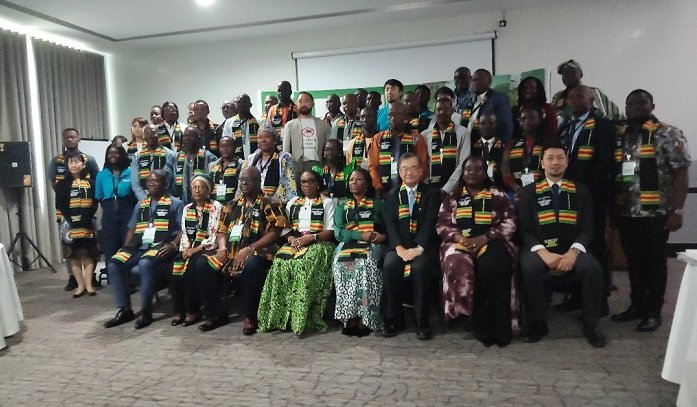
THE Deputy Minister of Health, Prof. Dr Grace Ayensu-Danquah, has called for bold African-led innovation and stronger bilateral partnerships to eliminate malaria.
She made the remarks at a regional workshop organised by Sora Technology in collaboration with the National Malaria Elimination Programme (NMEP) in Accra last week. The event was held under the theme: “From Mapping to Action: Tech-enabled LSM for Malaria Elimination.”
The two-day workshop brought together participants from 13 African countries to share experiences and leverage best practices to eliminate malaria in the region. The countries represented were Ghana, Nigeria, the Democratic Republic of Congo, Uganda, Burkina Faso, Côte d’Ivoire, Cameroon, Mali, Benin, Tanzania, Ethiopia, South Sudan, and Zimbabwe.
Prof. Ayensu-Danquah emphasised the need for Africa to shift from aid dependency to health sovereignty, stating:
“Behind every statistic is a child missing school, a family losing income, and a health worker managing a preventable emergency.”
She highlighted that malaria remains a major global public health threat, claiming 610,000 lives in 2024, with a $5.4 billion annual funding gap for malaria control—only 42 per cent of required resources are currently available. She warned that declining international assistance underscores the urgency for domestic resource mobilisation.
At the national level, Ghana recorded 74 malaria-related deaths in 2024, down from 146 the previous year, surpassing its target of 95 deaths. Since 2012, malaria mortality has declined by 97 per cent. Under the National Malaria Strategic Plan (2024–2028), Ghana aims to reduce malaria deaths by 90 per cent, cut incidence by 50 per cent, and eliminate the disease in 21 districts within Greater Accra.
The Director-General of the Ghana Health Service, Dr Samuel Kaba Akoriyea, in a speech read on his behalf, described the event as a “transformative moment” in Ghana’s malaria response. Citing the World Health Organization (WHO), he noted that 282 million malaria cases were recorded globally in 2024, with Africa bearing 95 per cent of the burden.
Although investments since 2000 have averted an estimated 2.3 billion cases and 14 million deaths, Dr Akoriyea expressed concern that progress has slowed, with global incidence still far above the 2025 target. He also warned about the detection in 2023 of the invasive Anopheles stephensi mosquito in Accra, cautioning that up to 126 million additional Africans could be at risk if it spreads further.
He emphasised that malaria elimination is not only a public health priority but also an economic imperative, noting estimates from the RBM Partnership to End Malaria that eradicating malaria could boost Africa’s GDP by up to $127 billion.
“This is about our children’s future and our collective capacity to confront shared challenges,” the Service stated.
Central to discussions was the resurgence of Larval Source Management (LSM), now strengthened by drone mapping and artificial intelligence (AI). A pilot project in Kwabirem District, conducted with the Noguchi Memorial Institute for Medical Research and SORA Technology, showed that drone-assisted mapping identified more than three times the breeding sites found through conventional methods, while AI classification reduced field verification needs by over 50 per cent.
Cost comparisons presented at the forum indicated that LSM could protect individuals at between 24 and 44 cents per person, compared to about $6.70 per person for indoor residual spraying.
By Esinam Jemima Kuatsinu

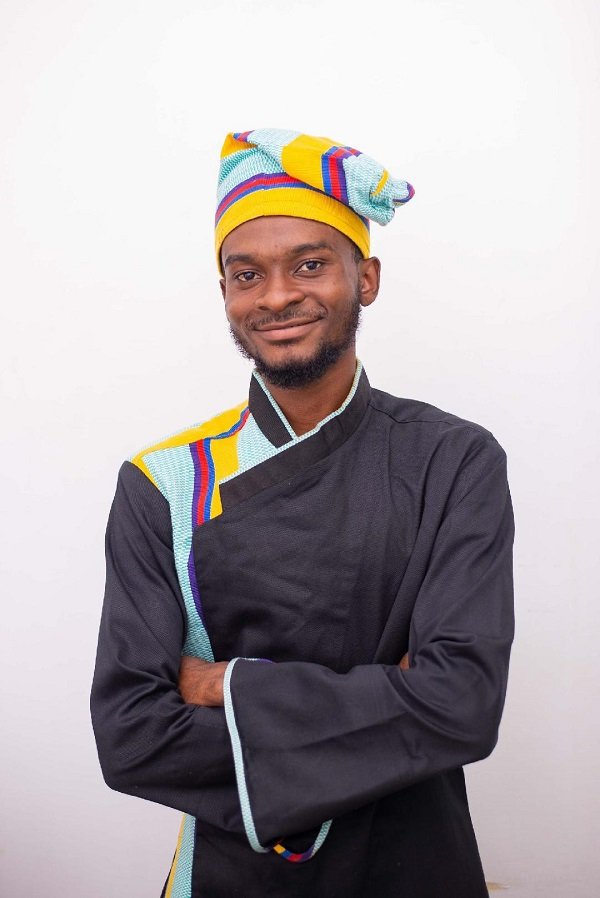
From Bolgatanga in Ghana’s Upper East Region, Chef Abiro Seidu Napaana of Zuarungu is redefining what it means to cook and take pride in one’s heritage. His mission: to elevate Northern Ghanaian cuisine onto the global stage.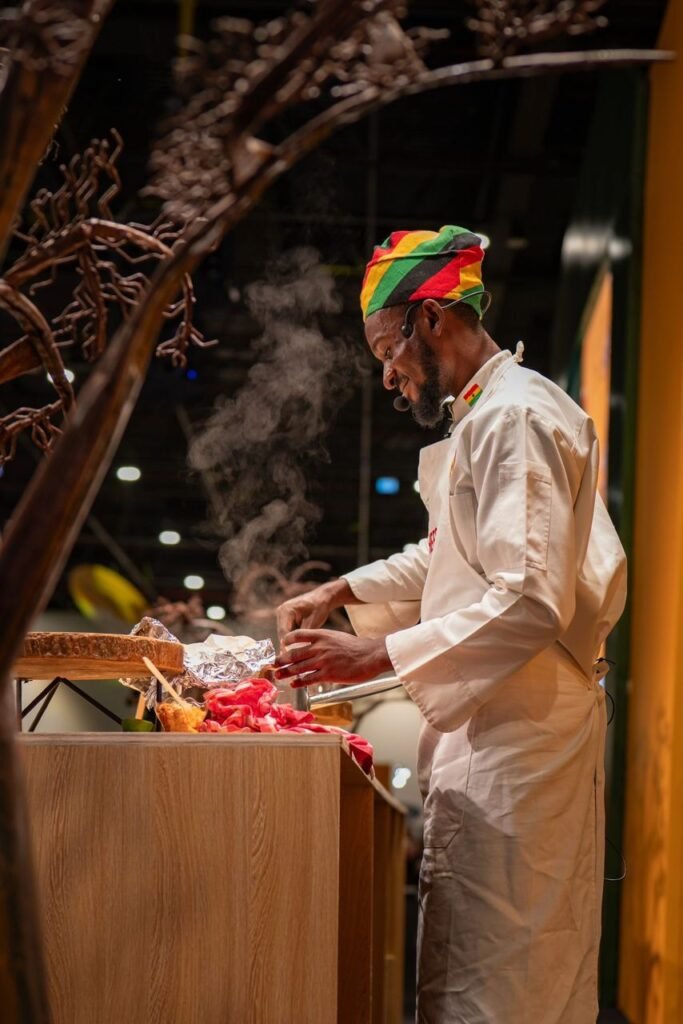
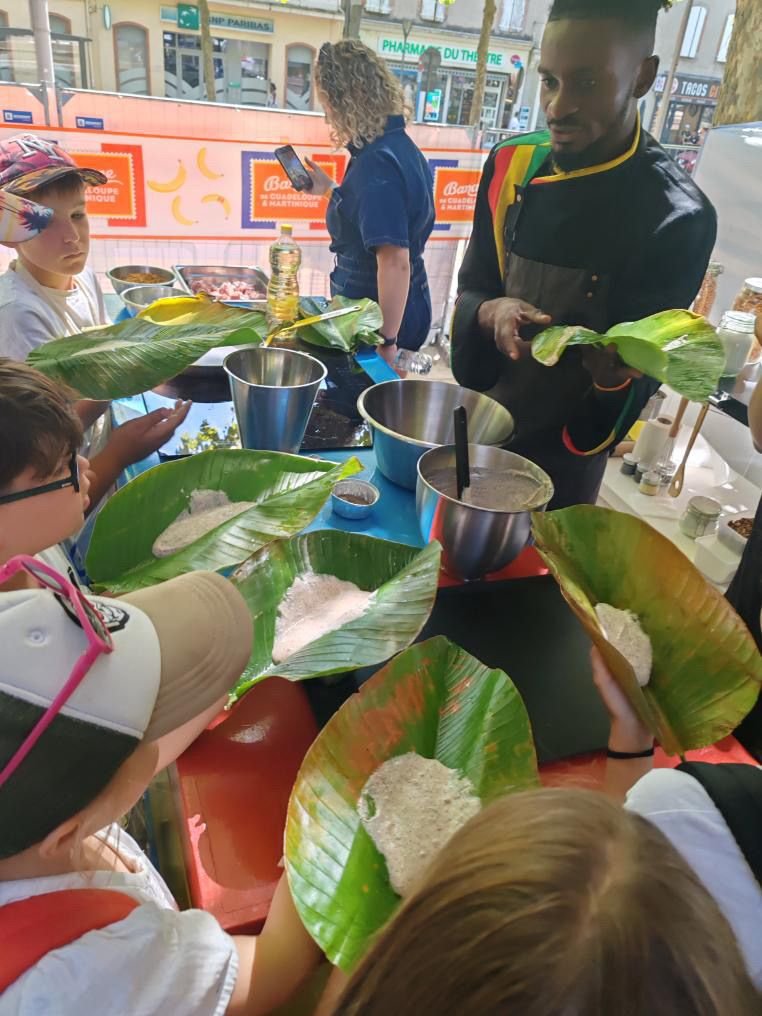
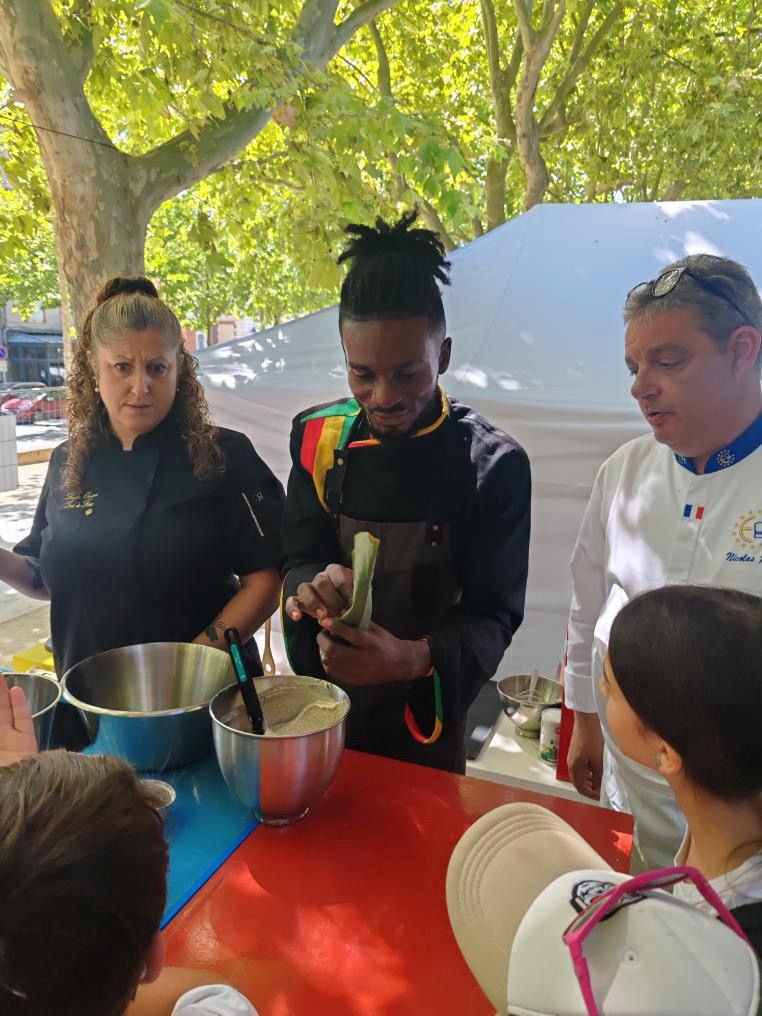
Raised in a household that emphasized gender equality, Abiro began cooking as a responsibility rather than rebellion. In a region where cooking is traditionally assigned to women, his early interest was unusual, but it quickly became a passion.
At Bolgatanga Senior High School, Abiro chose Home Economics over General Science, placing him among just five boys in his class. Despite bullying and skepticism from peers, he excelled academically, proving his capabilities and earning respect.
Abiro pursued Hotel, Catering, and Institutional Management at university, graduating in 2019. He noted that culinary schools often prioritized international cuisines—French, Italian, Mexican, and Chinese—while sidelining Ghanaian dishes. Determined to champion local cuisine, he joined the Ghana Food Movement, an organization promoting indigenous foods.
Focusing on Northern Ghanaian cuisine, Abiro highlights its nutrient-dense, climate-adapted dishes, such as wasawasa (millet-based) and tuo zaafi (soups with dried okra). To make these visually appealing, he reimagines traditional meals using modern plating techniques, maintaining authenticity while attracting contemporary audiences.
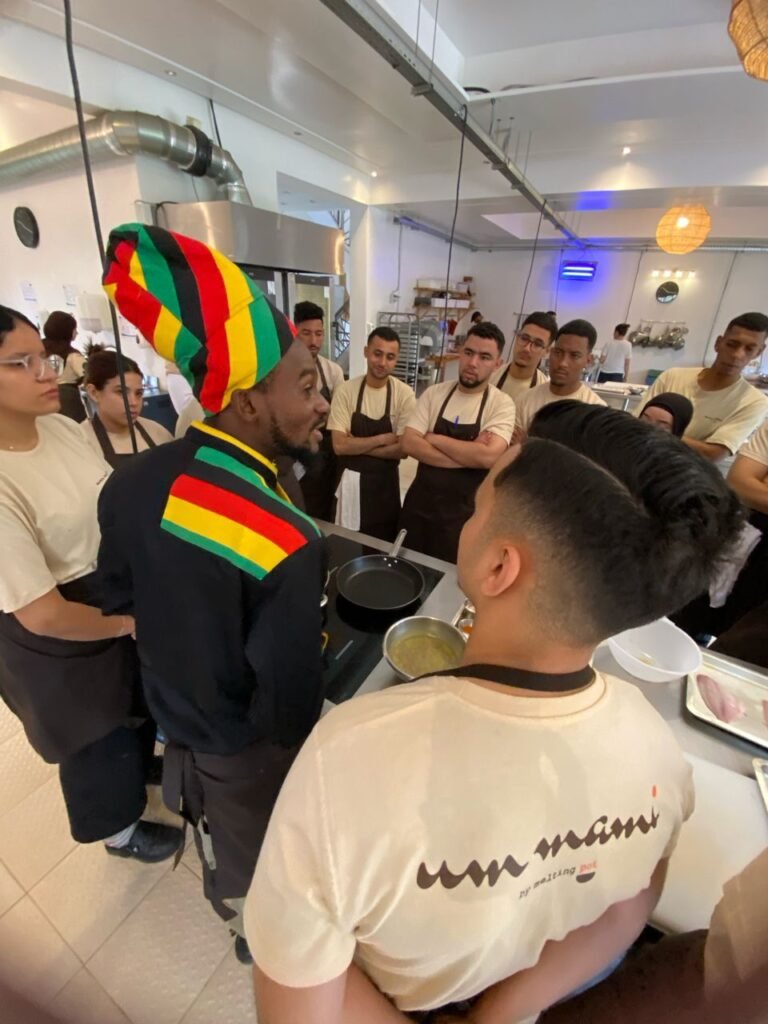
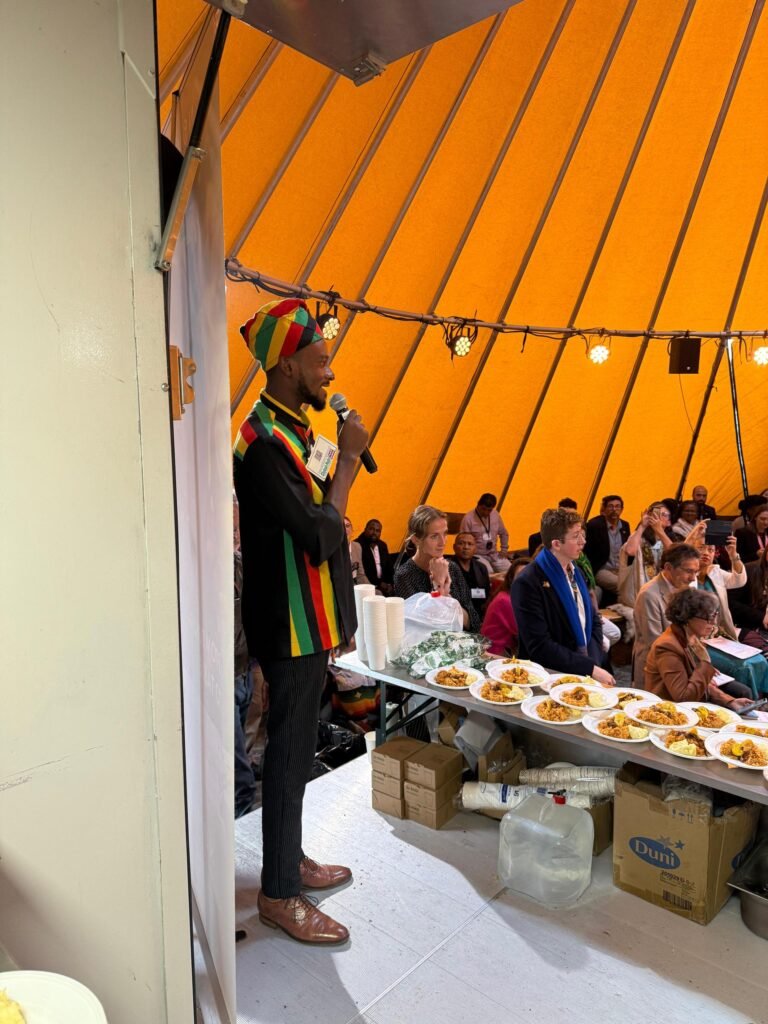
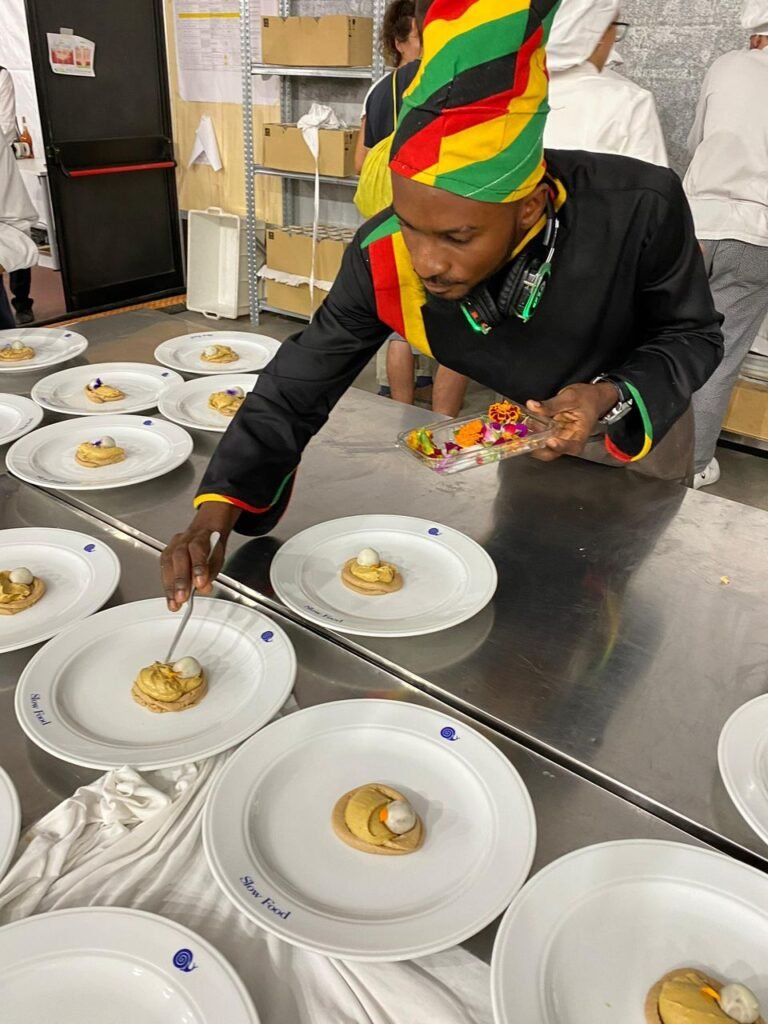
His work has gained international recognition. He has conducted cooking demonstrations in Italy, France, Morocco, Algeria, Senegal, and Canada, showcasing Ghanaian staples rather than continental dishes. For four consecutive years, he has represented Northern Ghanaian cuisine in Rome through programmes linked to the Food and Agriculture Organisation (FAO).
Abiro also advocates for climate-resilient crops like fonio and millet, highlighting their potential to combat food insecurity and lifestyle diseases such as diabetes and hypertension. He believes Northern Ghanaian cuisine, rich in fibre, micronutrients, and plant proteins, will become central to global conversations on sustainable and healthy eating.
As Head Chef of the Ghana Food Movement, Abiro sees himself not just as a cook but as a cultural ambassador. His message to young chefs: success is possible when rooted in indigenous cuisine.
“I came from Zuarungu in the Upper East. If I can travel the world cooking Northern Ghanaian food, then any young chef who believes in their heritage can do the same,” he says.
For Chef Abiro, the kitchen is a platform for identity, pride, and transformation—one beautifully plated dish at a time.
By Esinam Jemima Kuatsinu
Join our WhatsApp Channel now!
https://whatsapp.com/channel/0029VbBElzjInlqHhl1aTU27
A deserted house overlooking the Gambaga Escarpment in northern Ghana once served as a strategic rest stop for Kwame Nkrumah during the country’s struggle for independence.
From the elevated site in what is now the North East Region, Ghana’s first president could survey vast stretches of the surrounding terrain, a position that offered both security and advantage at a time of political uncertainty.
The structure now stands in disrepair; its walls cracked and roof partially collapsed, and its history largely absent from public record. Yet the remote outpost remains one of the few surviving physical traces of Nkrumah’s movements within Ghana before his overthrow in 1966 and subsequent exile, offering a little-known glimpse into the domestic geography of a leader more often remembered through speeches, monuments, and international diplomacy.
It is against this backdrop that a major decision by the government of Ghana, announced last week, takes on deeper meaning.
On the instructions of President John Dramani Mahama, the Ministry of Foreign Affairs has initiated negotiations with the family of Guinea’s first president, Ahmed Sékou Touré, to allow Ghana take possession of the house where Dr Nkrumah lived and worked as Co-President of Guinea in his final years.
The announcement, conveyed by Foreign Affairs Minister Samuel Okudzeto Ablakwa, followed a high-level visit led by Vice President Prof. Jane Naana Opoku-Agyemang to Conakry.
The aim, according to the ministry, was to renovate and preserve the residence not only as a mark of respect, but as a way of allowing visitors to trace Nkrumah’s extraordinary life from Ghana to Guinea, from leadership to exile, from power to Pan-African persistence.
It is a landmark decision, and a commendable one.
According to history, in Guinea, Nkrumah found more than refuge after the 1966 coup that overthrew his government. President Sékou Touré welcomed him as a brother, granting him the rare title of Co-President. Though physically removed from Ghana, Nkrumah continued to write, organise, and advocate for African unity until his death in 1972.
Preserving that home
One of the deserted buildings preserves a vital chapter of Africa’s political history—one that reminds the world that ideas do not end in exile.
Yet as Ghana looks outward to reclaim this chapter of its past, it is worth pausing to look inward.
Long before Conakry, there was Nakpanduri.
Situated along the Gambaga Scarp, the Nakpanduri rest house was deliberately positioned on high ground, away from major settlements. During the volatile years of the independence struggle and early nationhood, it served as a secure retreat for Nkrumah and his family—a place of protection, reflection, and strategy.
The North’s terrain offered both concealment and command, qualities essential in an era when political survival was far from guaranteed. In this sense, Nakpanduri is not merely a historical footnote; it is evidence of the risks Nkrumah lived with and the lengths to which the independence movement went to safeguard its leader.
Today, however, the site has been reduced to a ruin. Despite its proximity to other natural attractions along the Gambaga Scarp and its potential role in cultural and eco-tourism, it remains neglected, often described in reports as a “white elephant.”
The contrast with the decisive action now being taken in Guinea is striking.
This is not an argument against the preservation of Nkrumah’s residence in exile. On the contrary, the Vice President’s engagement with the Sékou Touré family, and the Ministry of Foreign Affairs’ commitment to transparency and expert-led conservation, signal a welcome seriousness about heritage preservation.
If Ghana is prepared to restore and preserve Nkrumah’s home beyond its borders, then the historic places that sheltered him within Ghana deserve no less attention. Sites like Nakpanduri are integral to the national story, particularly in regions whose contributions to independence are too often overlooked.
Preserving these spaces would do more than honour memory. It would expand heritage tourism beyond traditional centres, bring economic opportunity to underserved areas, and offer future generations a fuller understanding of how Ghana was built not only in conference halls and capitals, but in remote sanctuaries and quiet strongholds.
Taken together, Nkrumah’s resting places in Ghana and his residence in Guinea form a continuous geographic narrative of African leadership. From the hilltops of the North East Region to the seashore of Conakry, his life unfolded across borders, shaped by both danger and solidarity.
The government’s initiative in Guinea opens the door to a broader vision—a coherent Nkrumah heritage trail that allows citizens and visitors alike to follow the arc of a man whose ideas helped shape a continent.
As a Ghanaian and a photographer, standing among the ruins at Nakpanduri, one cannot escape a simple truth: seeing history here and in other spaces needs documentation and preservation. When those places are allowed to disappear, so too does our connection to the past.
But many of the spaces that protected him, inspired him, and sustained him are still here. They are waiting to be seen.
By Geoffrey Buta
Join our WhatsApp Channel now!
https://whatsapp.com/channel/0029VbBElzjInlqHhl1aTU27