News
COVID-19 spread: don’t ‘share’ your phone with others


- /home/u249204778/domains/spectator.com.gh/public_html/wp-content/plugins/mvp-social-buttons/mvp-social-buttons.php on line 27
https://spectator.com.gh/wp-content/uploads/2021/08/Clean-mobile-phones-regularly.png&description=COVID-19 spread: don’t ‘share’ your phone with others', 'pinterestShare', 'width=750,height=350'); return false;" title="Pin This Post">
- Share
- Tweet /home/u249204778/domains/spectator.com.gh/public_html/wp-content/plugins/mvp-social-buttons/mvp-social-buttons.php on line 72
https://spectator.com.gh/wp-content/uploads/2021/08/Clean-mobile-phones-regularly.png&description=COVID-19 spread: don’t ‘share’ your phone with others', 'pinterestShare', 'width=750,height=350'); return false;" title="Pin This Post">
It is not only human contact that can infect one with the coronavirus but the use of another person’s mobile phone also has the tendency of spreading the deadly virus.
The means through which the virus can be contained is for mobile phone users to constantly sanitise their hands before and after using the phones.
Majority of Ghanaians pass on their phones to others to speak to friends, family members or business partners which is not a healthy practice.
The same goes with the use of another person’s phone to read text or WhatsApp messages or look at images as commonly done in our communities including workplaces and institutions of learning.
A Health Promotion Specialist, Mr Kisses Ahotor Johnson in an interview with The Spectator has said that “the act of receiving the phone call on another person’s phone MAY NOT necessarily spread the virus, but passing it on to numerous people without sanitising it could spread the Coronavirus.”
He explained that if the phone had been infected by the virus from a contaminated hand and passed on to an unwashed hand which was also passed to another it could transfer the virus.
Mr. Johnson, therefore, advised the public to reduce the practice of sharing mobile phones and electronic gadgets to the barest minimum to ensure the safety of all persons.
He said it was also important to sanitise and wipe them clean as often as possible and also constantly wash hands with soap under running water or sanitise the hands to be safe and ensure the safety of others.
From Dzifa Tetteh Tay, Tema.



Veteran Nigerian actor and African screen legend, Pete Edochie, has paid a courtesy call on the Chief Executive Officer of the Ghana Gold Board (GoldBod), Sammy Gyamfi, during his visit to Ghana.
Edochie is in Ghana to launch the African Legacy Project, which includes a book, documentary film and an African Youth Mentorship Initiative targeting about 500,000 young people across the continent.
Mr. Gyamfi welcomed the opportunity for GoldBod to support the mentorship initiative, noting that it aligns with the Board’s Special Intervention Programme and its focus on social impact and economic empowerment.
GoldBod’s work is also referenced in Pete Edochie’s new book, which highlights Ghana’s efforts to ensure its gold resources contribute to national development.
By Edem Mensah-Tsotorme
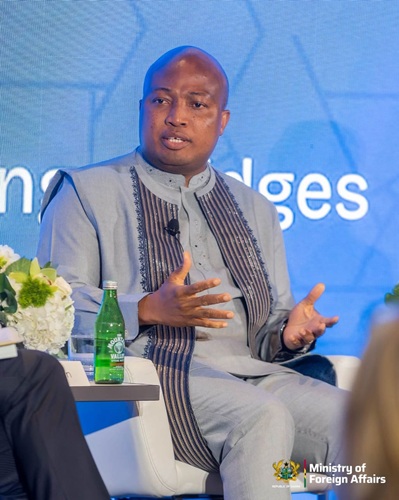
The Ministry of Foreign Affairs has warned Ghanaians seeking employment in Zambia to be cautious of fraudulent job offers that could expose them to human trafficking and forced involvement in cybercrime.
The warning follows the arrest of six Ghanaians in Lusaka, Zambia, during a joint operation by the Zambia Police Service, the Drug Enforcement Commission and the Department of Immigration on August 23, 2026.
According to the Ministry, the operation targeted a facility suspected of being involved in organised cybercrime activities and led to the arrest of 79 people, including 10 Zambians and 69 foreign nationals.
The Ministry said six of the foreign nationals arrested were Ghanaians.
It explained that reports received by the Ghana High Commission in Lusaka indicated that some of those arrested had been recruited through what appeared to be legitimate employment opportunities, including online data entry jobs.
However, the Ministry said some were allegedly forced into online scam activities after their passports were confiscated by their employers.
It warned that the situation highlights how human trafficking groups are using fake employment opportunities to lure unsuspecting job seekers into illegal activities.
The Ministry has therefore advised Ghanaians travelling to Zambia or seeking employment there to thoroughly verify job offers, recruitment agencies and prospective employers before travelling.
Ghanaians living in Zambia have also been urged to remain vigilant when responding to online job opportunities and maintain regular contact with the Ghana High Commission in Lusaka for consular assistance when necessary.
The Ministry said the government remains committed to protecting the welfare and interests of Ghanaians travelling to or living outside the country.
By: Jacob Aggrey