Sports
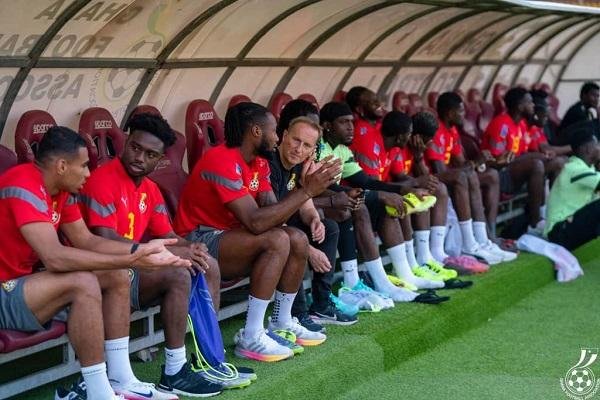
Black Stars face Mali test in FIFA World Cup qualifier – Preview

- /home/u249204778/domains/spectator.com.gh/public_html/wp-content/plugins/mvp-social-buttons/mvp-social-buttons.php on line 27
https://spectator.com.gh/wp-content/uploads/2025/09/WhatsApp-Image-2025-09-08-at-10.30.17.jpeg&description=Black Stars face Mali test in FIFA World Cup qualifier – Preview', 'pinterestShare', 'width=750,height=350'); return false;" title="Pin This Post">
- Share
- Tweet /home/u249204778/domains/spectator.com.gh/public_html/wp-content/plugins/mvp-social-buttons/mvp-social-buttons.php on line 72
https://spectator.com.gh/wp-content/uploads/2025/09/WhatsApp-Image-2025-09-08-at-10.30.17.jpeg&description=Black Stars face Mali test in FIFA World Cup qualifier – Preview', 'pinterestShare', 'width=750,height=350'); return false;" title="Pin This Post">
With only two rounds left, the Black Stars lead the table but can’t afford slip-ups against a Mali side still firmly in contention for a top two finish.
Ghana entered the September window with momentum, but a late setback against Chad pegged the team back in N’Djamena.
The Black Stars looked in control for large parts of the match, with Jordan Ayew’s first-half strike seemingly setting the team on course for a routine win. However, missed opportunities left the door open for Chad, who snatched a dramatic equalizer in the 89th minute.
The 1-1 draw cost Ghana the chance to extend their cushion at the top, though results elsewhere kept them three points clear of Madagascar and four above Mali.
For Mali, after a stop-start campaign that included too many draws, the Eagles reignited their qualification hopes with an emphatic 3-0 victory over Comoros last time out – putting them firmly in contention.
Dorgeles Nene, Kamory Doumbia, and Lassana Coulibaly all scored in a display that showcased both cutting-edge and balance, qualities Tom Saintfiet’s men have often lacked in recent games.
The visitors have proven difficult to beat, losing just once in seven outings, but their three draws have left them playing catch-up. Their defensive stability is impressive, with only four goals conceded so far, boasting one of the stingiest backlines in the group.
What Saintfiet now demands is greater ruthlessness in attack, where Doumbia and El Bilal Touré have often flattered to deceive despite flashes of brilliance.
With the gap to second-placed Madagascar now three points, Mali knows victory in Accra would put them firmly back in the race for automatic qualification. Otto Addo’s side are still well-placed to qualify for back-to-back World Cups, but sharper finishing and greater control in midfield will be needed to avoid more late frustrations.
Home form has been a strong foundation for Ghana’s campaign, with the Black Stars unbeaten in Accra so far in the qualifying series following wins against Madagascar, Central African Republic, and Chad.
Defensively, Ghana have conceded just six goals in seven games. With the likes of Mohammed Kudus and Jordan Ayew supporting Antoine Semenyo and Iñaki Williams in attack, this Ghana side has plenty of quality to punish any opponent.
Both teams arrive with plenty to play for – Ghana aiming to consolidate their lead and Mali looking to force their way back into contention.
Ghana’s firepower, especially in Accra, makes them favorites, but Mali’s defensive organization and recent attacking revival mean this could be a far tighter contest than the standings suggest.
The match will take place at the Accra Sports Stadium at 7 p.m. on Monday, September 8, 2025.
GFA COMMUNICATIONS

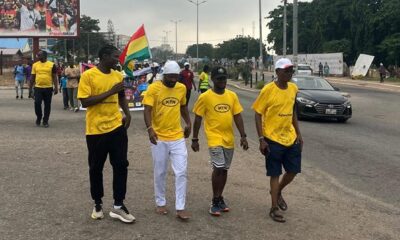



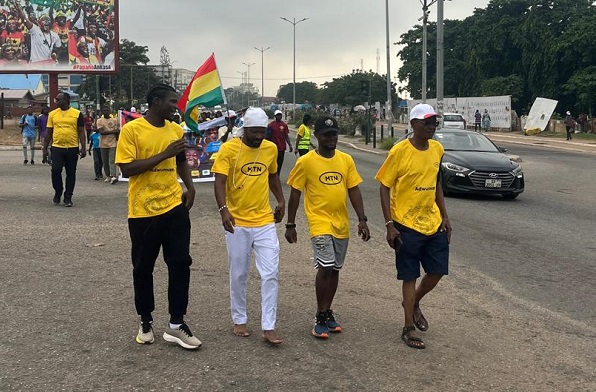
Students and management staff were joined by keep fit enthusiasts to partake in the 2026 edition of the Street Academy annual health walk held last Saturday.
It was held on the theme: “Feet on the Street, Hope in Motion.”
The event also brought opinion leaders from some of the Ga communities, sports men and women including former world boxing champion, Joseph Agbeko, and children from the academy and neighbouring communities.
The event was originally slated for July 18 but postponed due to President John Dramani Mahama’s declaration of July 17-18 as National Clean-up Day.
That development did not affect the event in any way as participants, mostly cladded in yellow outfits, turned up in their numbers.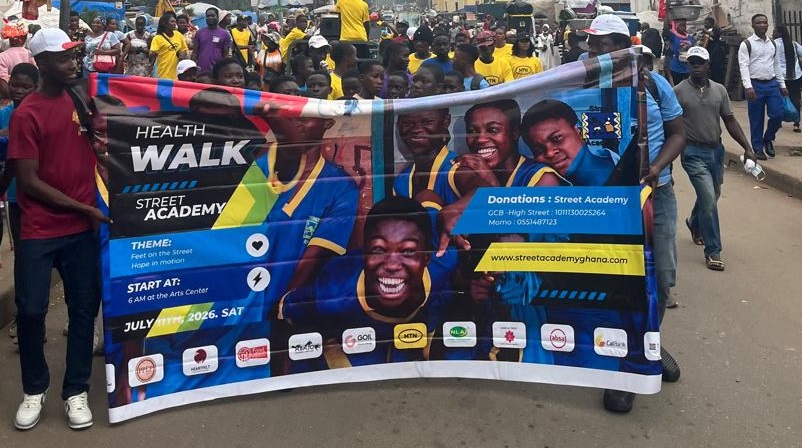
Spurred on by brass band music, the walk went through some of the principal streets of the capital, drawing more crowds from the communities it went through before returning to the Accra Arts Centre, the starting point.
Participants then went through another exhaustive aerobic session before they were refreshed.
Addressing the participants, Dr Ataa Lartey, the Founder and Executive Director of the Academy, commended them for turning out in their numbers for the walk, which he described as an event to enable the children and other guests to exercise.
Secondly, the event, he stated, was also to raise awareness about the plight of needy and underprivileged children, promote healthy living, and advocate the importance of basic education.
By Spectator Sports Reporter
Usually, when a coach is tasked to build a formidable national team for a major tournament, he does so with the best players available to him, with a special focus on local talents.
But where such local talents are not available or are unconvincing, the coach is allowed to supplement with foreign based players.
In this case, these players scouted beyond the borders of the country must be in top form and prove beyond reasonable doubt that they are far better than the locals.
Again, such players must also show some commitment and dedication to the national call.
A coach can however, decide to ignore this system in cases where there is insufficient time for the exercise, when there is a policy that forbids him from inviting certain crop of players, or if he finds himself in a position where he has no say on the players selected for him to use.
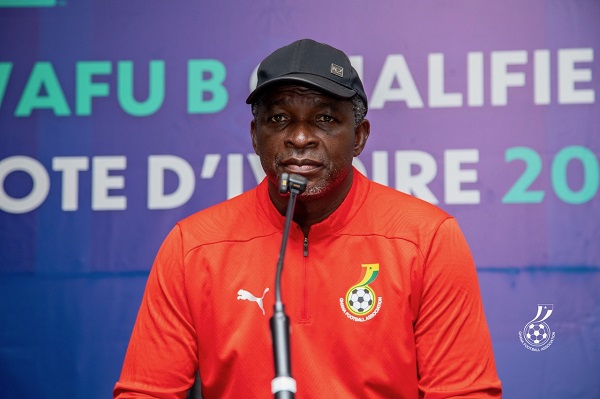
Recently, Coach Maxwell Konadu was tasked to build a Black Satellites team for the ongoing WAFU B U-20 championship in Cote d’Ivoire, a tournament which also serves as a qualifier for the 2027 Africa U-20 Championship which Ghana is hosting.
With that status, the Black Satellites become automatic candidates and rightfully, the focus should have been on a team to be groomed for the ultimate.
The sub-regional tournament did not actually oblige Konadu to rely on foreign based players, most of who are on pre-season assignments with their respective clubs.
Also, Konadu was under no misperception about quotas to allot local or foreign based players. It was very clear that the tourney was for the locals.
With this background, he is believed to have selected the players that formed the team that represented Ghana at the championship.
Sadly, Konadu and his boys disappointed woefully at the championship, failing to march his words against performance on the field.
Exiting just after the group stage came with little surprise. That has been the pattern for the national juvenile teams in their respective championships for now.
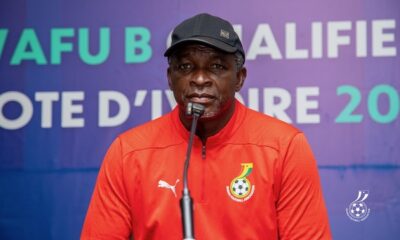
What left tongues wagging, however, was Konadu’s claim that lessons from the championship would help build a “stronger and more competitive squad for next year’s TotalEnergies CAF U-20 Africa Cup of Nations.”
The confusion lied in his admission that “the squad which competed in Côte d’Ivoire is unlikely to be the same one that represents Ghana at the 2027 TotalEnergies CAF U-20 Africa Cup of Nations.”
It would have made a lot of sense to rather build a team that uses the WAFU B Championships as a platform to prepare for the main championship next year, than selecting a team that in his own words is unlikely to compete.
This is a very common feature in other jurisdictions. The English FA, for instance, would have used an Under-18 team for the WAFU B, knowing the impact that experience would have on the team.
So clearly, the experience and lessons Konadu spoke about would be non-existent and would not help the team in anyway because if he happened to be in charge of the Ghana 2027 championship team, he would be supervising an entirely new team.
From where I sit, Konadu and whoever played any role in assembling this team got everything wrong and must be reminded that there would be no assurances that the next team would excel in the championship.
By Andrew Nortey

 News1 week ago
Prof. Kwabena Twerefou holds inaugural lecture; calls for better stewardship of Ghana’s natural resources
- News1 week ago
Prez Mahama to visit Jamaica to strengthen ties and advance reparations agenda
- News1 week ago
Ahanta Heritage Month: Diplomats, youth tour forts, Cape Three Points and historic sites