Profile
Aziz Adimah raising the bar in International Hockey officiating


In the world of sports, athletes often take center stage while the role of officials remains equally critical, yet less celebrated.
One Ghanaian is steadily changing that narrative. He is Aziz Adimah, a dedicated hockey umpire whose journey from the school field to the international arena reflects passion, resilience, and purpose.
Aziz Adimah’s story with hockey began during his secondary school days. Introduced to the sport in his second year by a peer tutor, what started as a casual interest quickly evolved into a lifelong commitment.
After completing school, he continued playing actively, but by 2008, he made a defining decision to pursue officiating seriously.
That decision marked the beginning of a remarkable turn in his sports journey.

While many athletes aspire to reach the pinnacle as players, Aziz recognised a different path to longevity and impact in the sport. According to him, playing careers especially at the national level can be short-lived, often limited to a few major tournaments.
Officiating, however, offered a broader horizon.
Through umpiring, Aziz found an opportunity not only to stay connected to the sport but also to rise through the global ranks. His dedication has since earned him a place on the international stage, where he proudly represents Ghana.
One of Aziz’s greatest motivations is the honour of representing his country internationally. Having officiated in global competitions, including World Cup qualifiers, he describes the experience as both humbling and inspiring.
Among his most memorable moments was officiating a high-intensity match between Pakistan and England during a World Cup qualifying tournament.
The pace, skill, and tactical depth of the game left a lasting impression on him and reinforced his passion for the profession.
“Being alone on that stage, representing your country is a special kind of pride,” he reflects.
Like every profession, umpiring comes with its own set of challenges. For Aziz, two stand out: logistics and performance expectations.
Unlike players who often benefit from structured team support, umpires must sometimes navigate limited resources, including travel logistics. Additionally, officials are expected to perform at standards higher than the level of play in their home countries which required constant learning, exposure, and adaptation to global trends.
Another major challenge lies in decision-making under pressure. Aziz recounts a particularly difficult moment when, as a video referee, he had to review footage and make a call that resulted in a player receiving a yellow card and a ten-minute suspension.
“In such moments, you know that if you get it wrong, it affects the entire game,” he explains.
Umpiring demands sharp judgment, often within split seconds. Aziz emphasises that fans and players must understand the intensity of this responsibility.
“The umpire processes everything in a split second. Sometimes you get it right, sometimes you don’t but the pressure is always there.”
Fortunately, he highlights the strong support system within the hockey hierarchy; from coaches to technical teams which provides room for reflection, learning, and growth.
Beyond officiating, Aziz is deeply committed to developing hockey in Ghana.
He runs an academy that focuses on nurturing young talent, with programmes for both youth and university students.
Currently, the academy trains players under 20 and is expanding its reach within tertiary institutions.
His goal is to build a strong pipeline of talent while also promoting officiating as a viable pathway in the sport.
However, he notes a significant gap in female participation, particularly in umpiring.
Efforts are underway to intentionally recruit and mentor more women into officiating roles, including collaborations with schools and international professionals.
Outside the hockey field, Aziz maintains a professional career, balancing work responsibilities with his demanding schedule as an umpire.
He credits his workplace –Promasidor Ghana Limited, for being supportive, allowing him to travel for international assignments.
Despite the challenges, he considers hockey not just a profession, but a form of leisure; something he genuinely enjoys.
Currently serving on the international panel just below the elite level, Aziz is determined to climb higher.
His immediate goal is to secure the required assessment scores to qualify for the top-tier panel, which would enable him to officiate at prestigious events such as the World Cup and the Olympic Games.
Driven by ambition, he hopes to become one of the first Ghanaian umpires to reach that level.
To young people considering a career in hockey officiating, Aziz offers both encouragement and realism. While the profession may not yet provide full financial security, it offers exposure, growth, and the chance to make a mark globally.
With structural improvements expected in international hockey, he believes the future holds greater opportunities for umpires worldwide.
A husband and father of two, Aziz Adimah embodies balance, discipline, and vision. His journey is not just about personal achievement but about elevating Ghana’s presence in international hockey.
Through every whistle blown and every decision made, he continues to inspire a new generation proving that sometimes, the most powerful impact in sports comes not from scoring goals, but from ensuring the game is played right.
By Esinam Jemima Kuatsinu
Join our WhatsApp Channel now!
https://whatsapp.com/channel/0029VbBElzjInlqHhl1aTU27



IN a world where inequality continues to limit access to basic life needs, a new generation of leaders is stepping forward to drive change.
Among them is Nuhu Alimatu Sadia, a development practitioner and philanthropist transforming lives across underserved communities.
A 2025 Mandela Washington Fellow and alumna of Project CURE’s Professional Development Exchange programme in Washington, D.C., Sadia brings a strong academic and professional background to her work.
She holds an MPhil in Community Health and Development, a degree in Health Education from the University of Development Studies, and another in Psychology from the International Open University.
Driven by this vision, Sadia founded Hereafter Ghana, a community-focused nonprofit organisation dedicated to improving equitable access to healthcare, education, economic opportunities, and social support.

The organisation operates on a practical, community-driven model that empowers people to take ownership of their development.
Through mobile medical outreaches, Hereafter Ghana has reached over 40 rural communities, many without access to healthcare facilities.
The organisation has facilitated the registration of more than 8,200 children onto the National Health Insurance Scheme, ensuring access to essential healthcare services.
Her expertise spans community development, resource mobilization, and capacity building, all anchored in a passion for equity and sustainability.
Sadia’s journey into philanthropy is deeply rooted in her upbringing. Growing up in a home where giving was a way of life, she was greatly influenced by her father, whose philanthropic work she supported for over a decade.
Through him, she learned the values of empathy, generosity, and structured giving. A defining moment, however, came when she and her family experienced hardship and received overwhelming support from their community.
“That experience strengthened my resolve to build systems that ensure no one is left behind,” she says.
In addition, Sadia and her team have mobilised over $600,000 in cash and in-kind support to fund life-saving surgeries for more than 250 patients.
Their impact also extends to education, with the distribution of over 5,000 learning materials and dual desks to improve conditions in underserved schools.
Women’s empowerment remains a key focus of her work. By equipping women with vocational skills and micro-business capital, Hereafter Ghana is helping to build sustainable livelihoods and strengthen local economies.
The organisation also runs charity initiatives, including food distribution programmes and orphan support schemes, reaching thousands of vulnerable individuals.
One of Sadia’s most memorable experiences came during a community outreach, where her team encountered an orphaned boy believed to be deaf from birth.
After raising funds for his medical assessment, it was discovered that he had partial hearing and could benefit from assistive devices.

“His reaction when he first heard a sound was priceless,” she recalls. “Moments like that remind us why this work matters.”
Despite these achievements, challenges remain. Limited resources and logistical constraints, particularly in reaching remote communities, continue to pose difficulties.
However, Sadia has addressed these challenges by strengthening local fundraising efforts, building strategic partnerships, and promoting a culture of community-driven philanthropy.
She is also passionate about changing perceptions around giving. According to her, philanthropy is not reserved for the wealthy but is about contributing in any form—time, skills, knowledge, or resources.
She emphasises the importance of shifting from short-term charity to long-term, sustainable solutions that address root causes.
As a young leader, Sadia acknowledges both the opportunities and challenges that come with her age. While her energy and innovation have helped her connect with communities, she has also had to overcome skepticism about her leadership.
Through consistent results and professionalism, she continues to build credibility and inspire confidence.
Beyond her direct interventions, she is investing in the future by mentoring young people and training civil society organisations across Africa in sustainable fundraising and leadership.
Her goal is to create a ripple effect of empowered change-makers who can drive impact within their own communities.
Looking ahead, Sadia envisions scaling Hereafter Ghana’s model across Ghana and beyond, strengthening locally driven systems for healthcare, education, and economic empowerment.
Her long-term vision is to see communities become self-sustaining, resilient, and actively shaping their own development.
Her advice to young people is simple: “start where you are, with what you have, and remain consistent.”
True change, she believes, takes time, but with purpose and persistence, it is always achievable.
By Esinam Jemima Kuatsinu
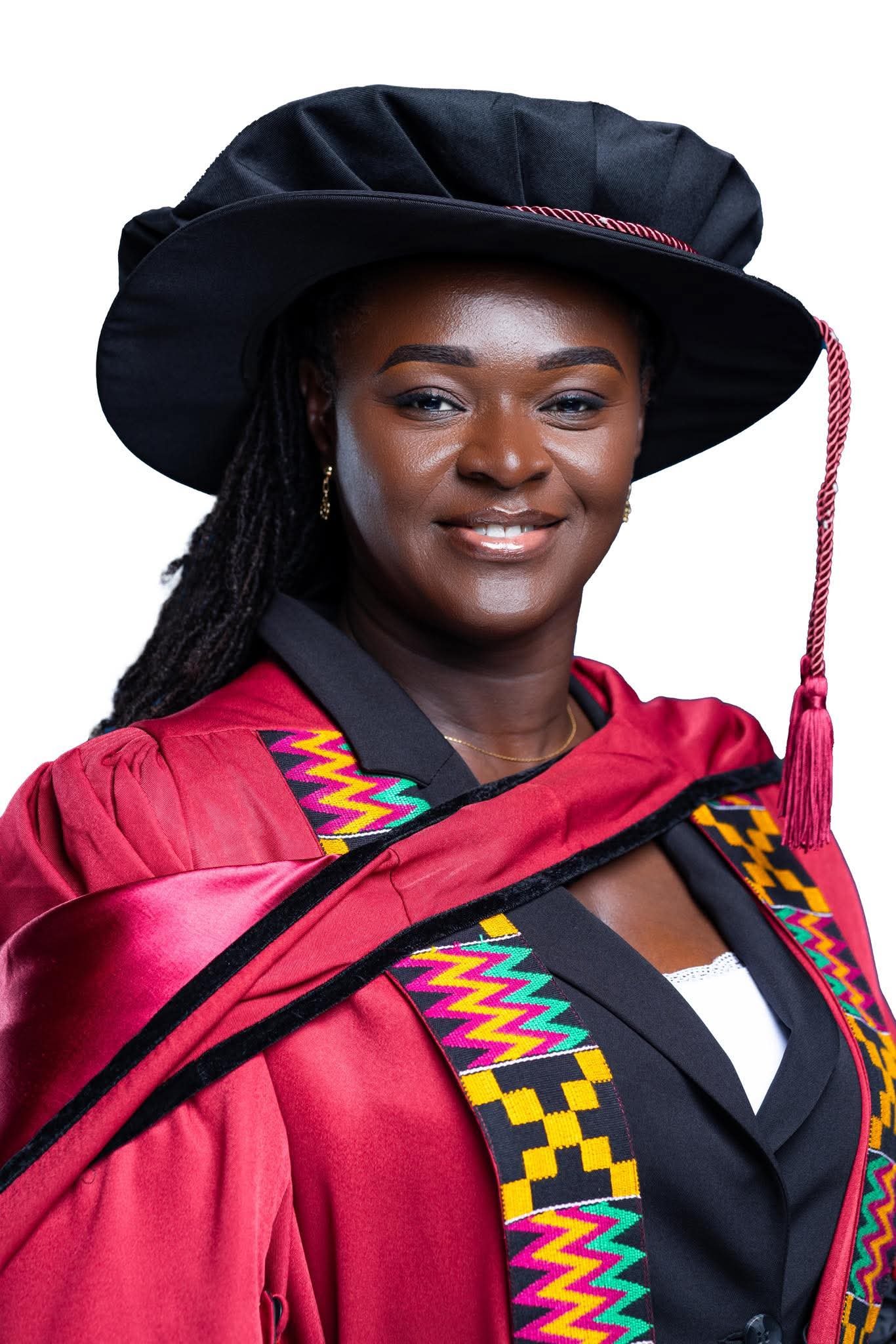
PROF. Nana Ama Browne Klutse has emerged as one of Ghana’s most influential scientists in the field of climate research and environmental policy.
A distinguished physicist and climate scientist, she currently serves as the Chief Executive Officer of the Environmental Protection Authority (EPA) of Ghana, a role she assumed in January 2025 following her appointment by the President.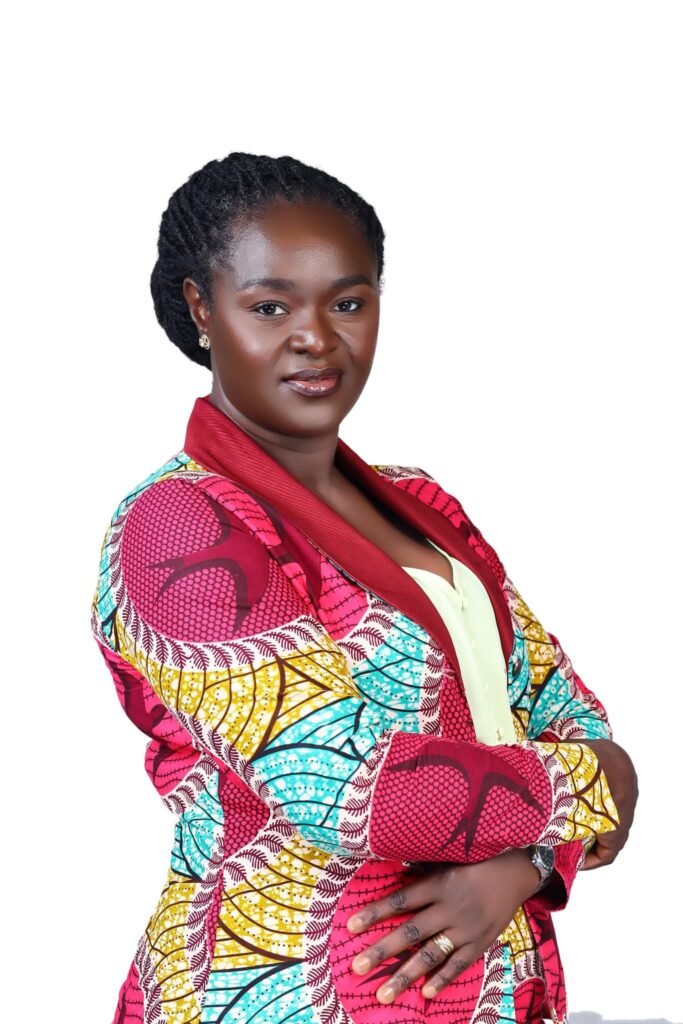
Her appointment places her at the helm of the nation’s foremost environmental regulatory body at a time when climate change and environmental sustainability have become critical issues for national development.
Before her current position, Prof. Klutse served as the Head of the Department of Physics at the University of Ghana from August 2023 to January 2025. Her leadership there was historic, as she became the first woman to occupy that position since the department was established.
In the same year, she achieved another remarkable milestone by becoming the first female full professor of Physics in Ghana and the first woman to attain that rank in the discipline at the University of Ghana in its 75-year history.
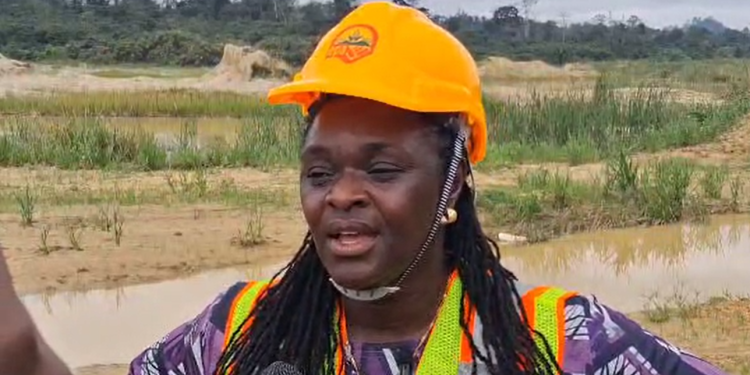
Beyond her national role, Prof. Klutse also commands global recognition in climate science. She currently serves as Vice-Chair of Working Group I of the Intergovernmental Panel on Climate Change (IPCC), the United Nations body responsible for assessing the science related to climate change. Through this role, she contributes to shaping global climate knowledge and policy, while ensuring that Africa’s perspectives and experiences are reflected in international climate assessments.
Earlier in her career, Prof. Klutse worked as a Senior Research Scientist at the Ghana Space Science and Technology Institute under the Ghana Atomic Energy Commission, where she managed the Remote Sensing and Climate Centre.
Her research expertise lies in climate modelling, climate variability and climate change impacts, particularly in Africa. Over the years, she has contributed significantly to research initiatives that seek to understand climate patterns and develop adaptation and mitigation strategies for vulnerable communities.
Born in Nyanfeku Ekroful in the Central Region, Prof. Klutse began her academic journey at Nyanfeku Ekroful Community Nursery School before continuing her education at Anomabu Methodist Primary and Junior High School.
She later attended Mfantsiman Girls’ Secondary School, where her interest in science began to flourish.
She pursued a degree in Physics at the University of Cape Coast before furthering her studies in climatology at the University of Cape Town in South Africa and the International Centre for Theoretical Physics in Italy.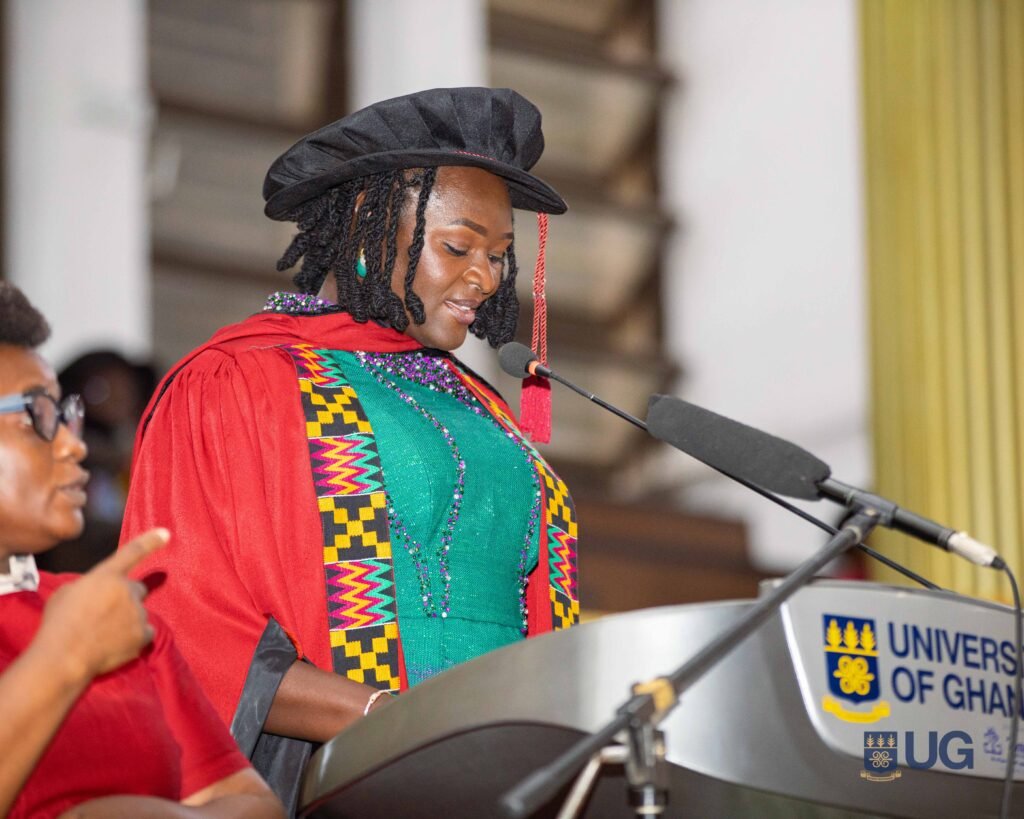
These academic experiences helped shape her career in climate science and strengthened her commitment to addressing the environmental challenges confronting Africa.
Prof. Klutse’s research focuses on atmospheric physics and the ways in which climate change affects critical sectors such as agriculture, water resources and public health. Her work also explores climate variability, climate modelling and solar radiation management. Through these studies, she transforms historical and projected climate data into actionable information that can guide policy decisions and help communities prepare for climate-related risks.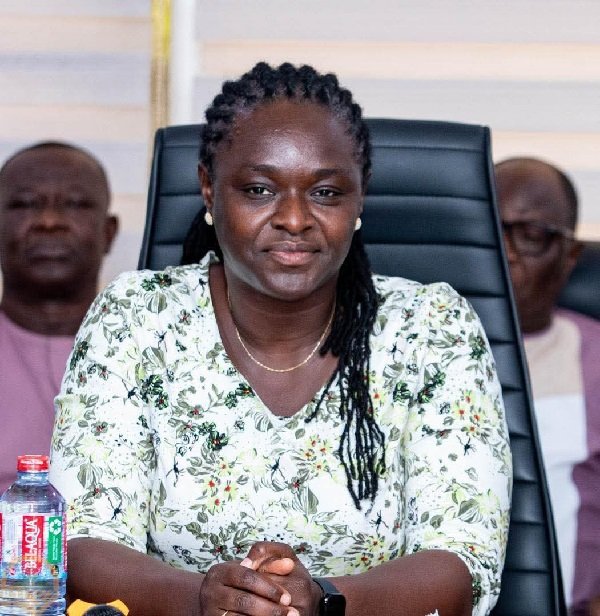
One of her recent research studies examined solar radiation management during the harmattan season and its possible impact on climate variability over southern West Africa. Her scholarly contributions have been widely recognised in the scientific community.
As of February 2025, she had published about 70 scholarly articles with more than 6,600 citations, highlighting the impact of her work on global climate research.
Nations Framework Convention on Climate Change and played a role in the development of Ghana’s National Framework for Climate Services.
In addition to her research achievements, Prof. Klutse is also a passionate educator.
At the University of Ghana, she teaches courses such as Electricity and Magnetism, Mechanics and Thermal Physics, Meteorology, Climate Change and Society, Climate Change Modelling and Research Methods. She is affiliated with both the Department of Physics and the Centre for Climate Change and Sustainability Studies.
Earlier in her academic career, she taught courses including Satellite and Radar Meteorology, Cloud Physics and Atmospheric Physics at the University of Cape Coast.
Her academic influence also extends beyond Ghana. She has served as a guest lecturer at the West African Science Service Centre on Climate Change and Adapted Land Use (WASCAL) and at the African Institute for Mathematical Sciences, where she contributed to training the next generation of climate scientists across the African continent.
Prof. Klutse has also been actively involved in shaping Ghana’s climate policies. She contributed to the country’s Second, Third and Fourth National Communications to the United
Earlier, she collaborated with the United Nations Development Programme to develop early warning systems for floods and droughts in northern Ghana, helping to improve resilience to climate-related disasters.
Beyond her scientific and policy work, Prof. Klutse is committed to community engagement and mentoring young people, particularly girls interested in science. She actively promotes women’s participation in Science, Technology, Engineering and Mathematics (STEM) and encourages young Ghanaian girls to pursue careers in scientific fields.
Her dedication and achievements have earned her several international recognitions, including the Schlumberger Faculty for the Future Award, the DAAD In-Country/In-Region Award and the UNESCO Award on Basic Physics for Young Scientists.
Prof. Klutse is married to Dr Charles Kofi Klutse of the Ghana Atomic Energy Commission, and together they have three children.
Through her work in research, education and environmental governance, Prof. Nana Ama Browne Klutse continues to make remarkable contributions to science and national development, while inspiring a new generation of African scientists committed to tackling climate change and protecting the environment. —Source UG.edu.gh
Join our WhatsApp Channel now!
https://whatsapp.com/channel/0029VbBElzjInlqHhl1aTU27

 News2 days ago
Agona West NDC demands unqualified apology from Paul Adom-Otchere over alleged misleading editorial
- News1 week ago
Eid not only moment of celebration but call to sustain values of discipline – President Mahama
- Entertainment1 week ago
Ghana Music Awards-USA @ 7 Unveils FIFA World Cup-Themed Celebration in Princeton