News
AngloGold Ashanti Obuasi Mine observes International Women’s Day 2026


THE township of Obuasi came alive last week as AngloGold Ashanti, Obuasi Mine, marked International Women’s Day 2026 with a stirring celebration of women’s leadership, resilience, and achievement.
A two-part programme — an EmpowerHer Conference followed by a Dinner and Awards Night — drew employees, community leaders, and stakeholders to the AGA School Park, underscoring the mine’s commitment to gender inclusion both within its operations and across host communities.
The EmpowerHer Conference opened the day with energy and candour. Female employees and leaders from across departments gathered to share experiences, confront challenges, and chart strategies for strengthening women’s participation in the mining industry — a sector long dominated by men.
The sessions brimmed with mentorship and dialogue, offering inspiration and practical pathways for women determined to grow, lead, and thrive.
As dusk fell, the celebration shifted into elegance and recognition. The Dinner and Awards Night honoured 28 outstanding individuals across nine categories, spotlighting contributions in education, entrepreneurship, professional excellence, and community service. Among the honourees were female employees, women-led businesses, students, and public service professionals — each a testament to the power of investing in women’s potential.
In his keynote, Samuel Boakye Pobee, Managing Director of AGA Obuasi Mine, reaffirmed the company’s pledge to gender equity and inclusive growth. “Both men and women deserve equal opportunities to excel in their professions,” he declared.
Beyond the awards and accolades, the event reflected AngloGold Ashanti’s ongoing commitment to diversity and inclusion, while inspiring the next generation of women to pursue leadership and professional excellence.
For Obuasi, it was more than a corporate programme — it was a community statement that women’s voices, talents, and ambitions are vital to the future of mining and development.
From Kingsley E. Hope, Kumasi


THE East Legon enclave in the Greater Accra Region is noted for housing the influential and affluent in society.
The area is synonymous with luxury mansions and ‘big-time’ businesses.
But within the same territory lies ‘Mempeasem,’ a community with a striking contradiction; it tells a totally different story.
‘Mempeasem’ translates from Twi, a local dialect, to “I don’t want trouble,” but the reality, however, is that the neighborhood is currently defined by a troubling disconnect between the admired reputation and its deteriorating infrastructure.
After publishing concerns expressed by a student in its ‘Write to the Editor’ column, The Spectator followed up to present detailed scenes of the sanitation problems in the area.

Residents are increasingly vocal about the lack of drainage systems, a deficiency that turns moderate rainfall into a logistical nightmare.
Without engineered channels for runoff, water settles in stagnant pools, eventually eroding roads.
The irony is sharp: billion-cedi homes often stand adjacent to clogged gutters and makeshift refuse sites.
The lack of public sanitation facilities and a centralised sewage system means that the environmental health of the area is constantly under threat, undermining the quality of life for its high-net-worth inhabitants and local workers alike.
Beyond waste and water, the community faces a broader infrastructure deficit.
Concerns about the prevalence of wooden structures in close proximity to refuse dump sites, where waste material is burnt, were raised; it’s a recipe for disaster.
The situation in Mempeasem is detrimental to public health and safety and serves as a wake-up call for urban planners and local authorities.
By Spectator Reporter
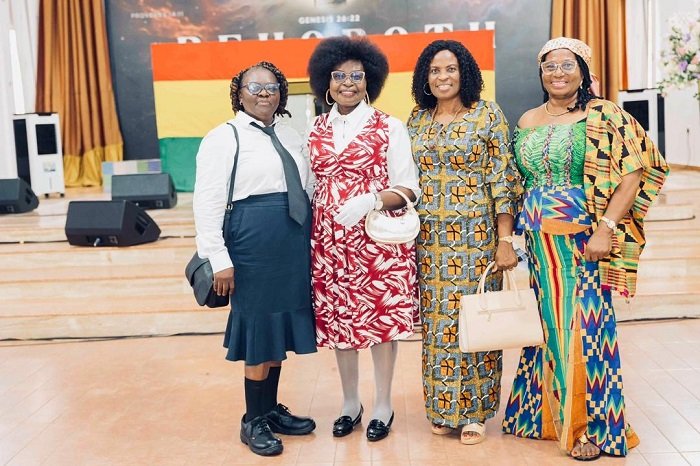
REDEEMED Baptist Church (RBC), located at Ogbojo in the La Nkwantanang–Madina Municipal Assembly (LANMMA), Madina, has marked its Old School Sunday as part of its Ghana Month celebrations, with members beautifully dressed in vintage and free-style African attire.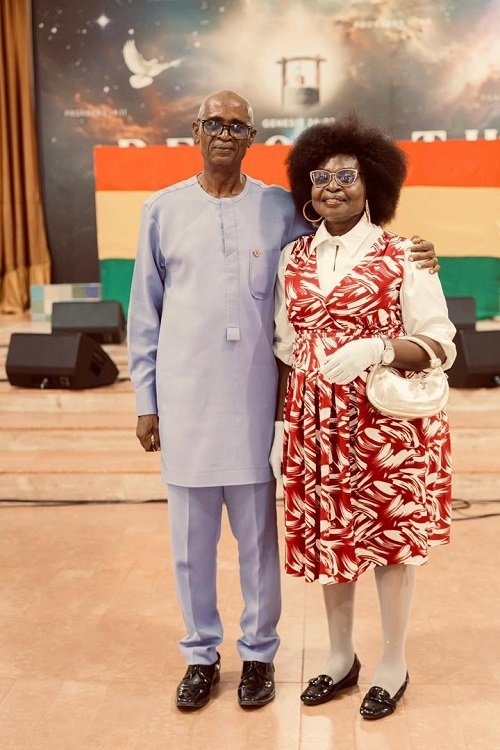
The service featured a sermon on “The Role of the Church in Nation Building and Economic Development,” highlighting the church’s vital role in shaping values, promoting integrity and contributing to national growth.
The celebration seamlessly blended culture and faith, reinforcing the impact of Christian living on Ghana’s development.
RBC has dedicated the month of March to the celebration of Ghana, a period of reflection on the nation’s heritage and the role of Christian values in national development.
Led by the Pastorate and organised by the church’s Ghana Month Committee, the initiative brings together members of the congregation to celebrate Ghana’s culture while examining how faith can positively influence patriotism, leadership, and community life.
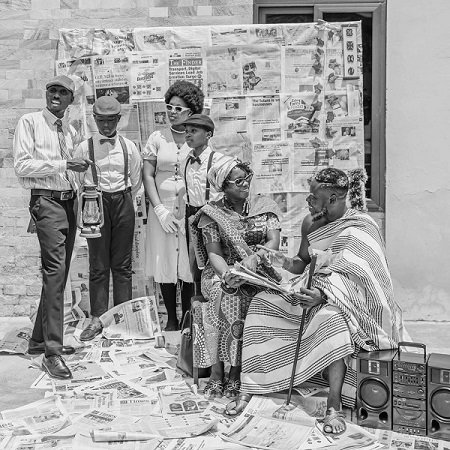
The celebration is being held under the theme: ‘Making Room for Jesus in Our Culture and Tradition for Nation Building.’
Throughout the month, Sunday teachings focus on topics such as Christianity and Patriotism, Christianity in the Context of Our Culture and Tradition, The Role of the Church in Nation Building and Economic Development, Transforming the Nation through a Transformed Lifestyle, and The Impact of Our Mother Tongue in Interpreting the Great Commission.
The members of the Ghana Month committee are Rev. Abu Ibrahim, Senior Associate Pastor of RBC; Mrs Audrey Azinogo, Chairperson; Ms Sackeybea Botchway, Organiser; Mr Maxwell Kofi Alorwornu, Mr Bright Nyarko Obeng, Mr Witfield Kwablah, and Mr Emmanuel Som Ntow.
By Spectator Reporter