Profile
Albert Litela Obidiaba: The artist who wove Ghana’s soul into the King’s Baton

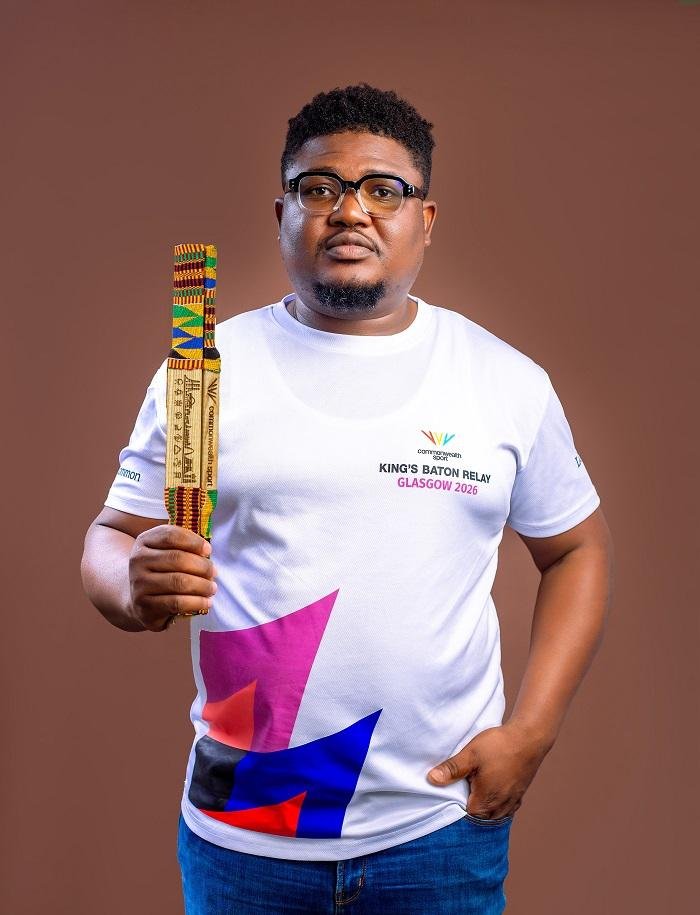
When the world’s eyes turn to the King’s Baton on its global journey, one of Ghana’s most profound artistic stories travels with it. It will be a story of creativity, culture, and national pride crafted by Albert Litela Obidiaba.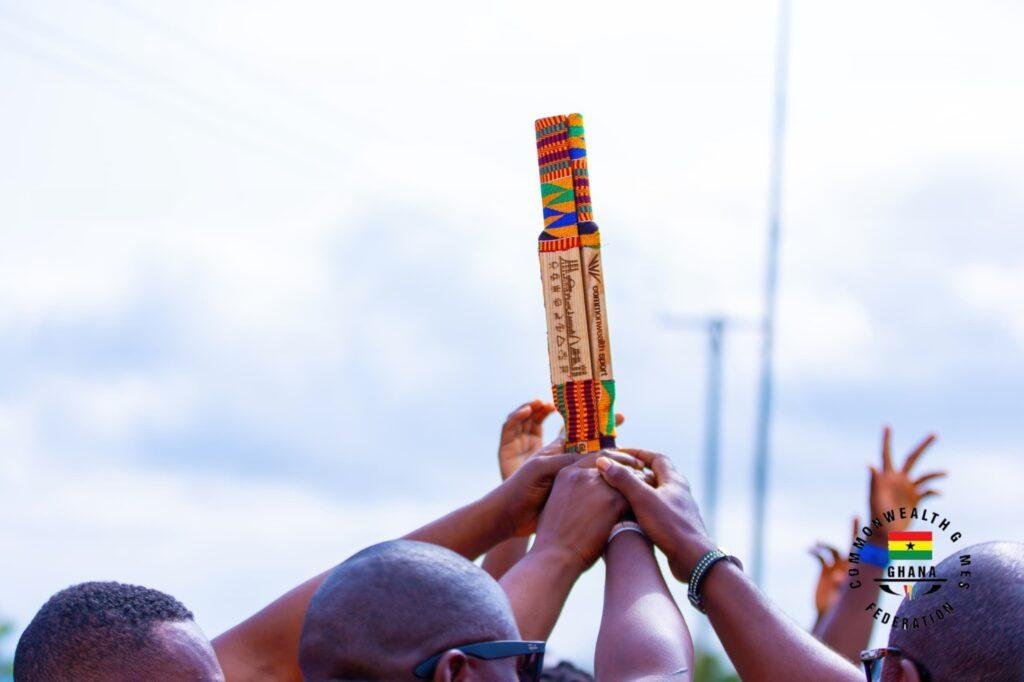
From the quiet town of Old Baika in the Oti Region, Albert’s journey as an artist has always been about telling stories. It is not just through words, but through symbols, textures, and meaning.
“From a young age, I was drawn to the power of art, knowing how colours and textures can capture not just emotion but culture and identity,” he recalls.
Today, his name has become synonymous with innovation rooted in traditional bridge between Ghana’s past and its global creative future.
Albert’s love for art was born from curiosity. Surrounded by the vibrancy of Ghanaian culture; the patterns of kente, the stories behind Adinkra symbols, and the textures of daily life, he began sketching and crafting early on.
“Simple things told deep stories,” he says. “That fascinated me.”
As he matured, his art evolved into a personal mission to preserve and reinterpret Ghana’s heritage for a modern audience. His style reflects a seamless blend of culture and contemporary design, each piece a narrative of unity, history, and pride.
“I see art as storytelling through form and symbolism, it should feel rooted in purpose yet speak to today’s world,” he explains.
When the call came to design Ghana’s version of the King’s Baton, Albert saw it as both a national duty and a creative calling.
Recommended by mentors like Mr Charles Osei Asibey, who trusted his talent and understanding of Ghanaian symbolism, he embraced the project wholeheartedly.

His vision was clear; to create a piece that would embody unity, pride, and the enduring spirit of Ghana.
Drawing from traditional motifs, he integrated textures inspired by kente weaving, representing hard work, continuity, and creativity. The golden tones symbolise strength and dignity, while the contours and natural motifs mirror Ghana’s landscapes and people.
“The King’s Baton had to tell our story of who we are, what we value, and how we see the world, it is more than art, it is identity in motion,” he said.
Every etch, every pattern carries meaning. From concept to completion, the entire process took three intense weeks which were filled with research, design sketches, consultation, and collaboration with skilled artisans.
“It was days and nights of work, but a lifetime of meaning,” he says with quiet pride.
Creating a design that represents all of Ghana’s diverse cultures was no small feat. Albert had to balance aesthetics, authenticity, and technology thereby using sustainable wood, carefully treated and certified, to reflect the nation’s commitment to nature and preservation.
“It wasn’t easy finding the right mix,” he admits. “But those challenges pushed me to think deeper. They made the final piece stronger — both artistically and symbolically.”
For Albert, Ghanaian culture is both muse and message. His works echo the values of unity, strength, persistence, and wisdom, drawn from Ghana’s traditions.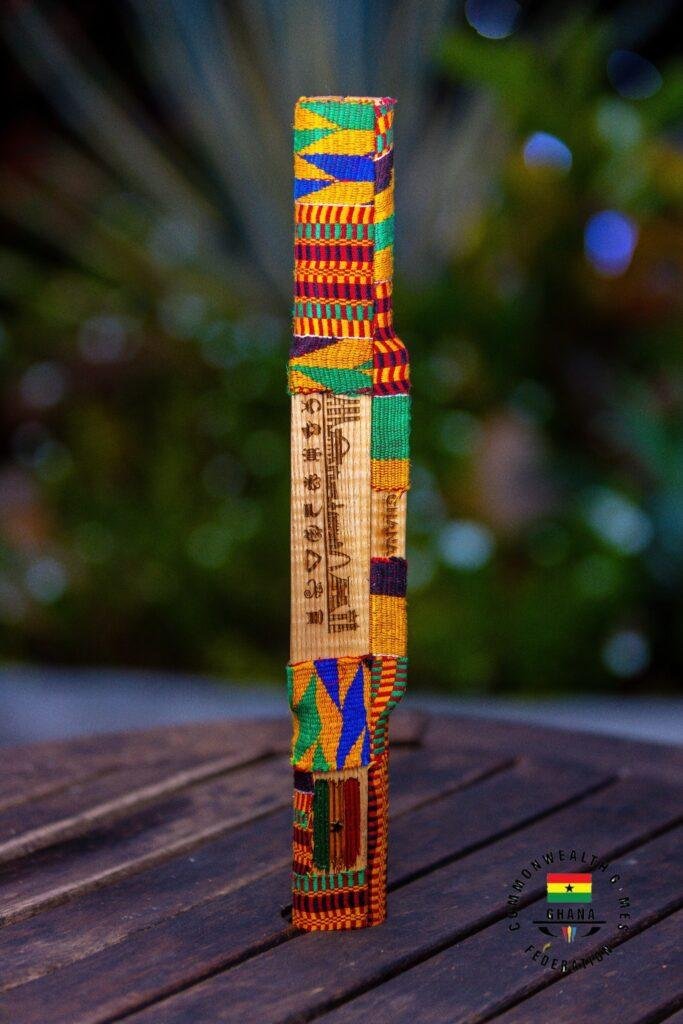
“Art preserves who we are and every line and symbol tells a story of belonging,” he said, and believes art is one of the most powerful tools for building national pride.
Designing the King’s Baton has been a defining moment in his creative journey and that it deepened his appreciation for cultural storytelling. “It taught me that creativity is also a form of service,” he said.
The experience has opened new professional doors, but more importantly, it gave him a renewed sense of purpose making him embrace a call to national duty.
“My soul will be glad even after my days on earth are over,” he said beaming with smiles.
Beyond the King’s Baton, Albert has worked on numerous projects celebrating Ghanaian identity through contemporary art and design. His ongoing works explore symbolism and heritage in new forms which includes blending materials, stories, and styles from across Ghana’s regions.
He is currently preparing projects that continue the conversation the baton began. They are about unity, creativity, and Africa’s evolving artistic voice.
To young artists aspiring to make their mark, Albert’s advice is for them to believe deeply in their craft and that the world is always looking for authenticity “which comes from knowing who you are and where you come from.”
On how he wants to be remembered, he said, “I want to be remembered as an artist who used creativity to celebrate culture and connect people. If my name is remembered as the one who designed Ghana’s version of the King’s Baton, that will be enough, because it means I carried Ghana in my hands, and shared her with the world.”
By Esinam Jemima Kuatsinu
Join our WhatsApp Channel now!
https://whatsapp.com/channel/0029VbBElzjInlqHhl1aTU27

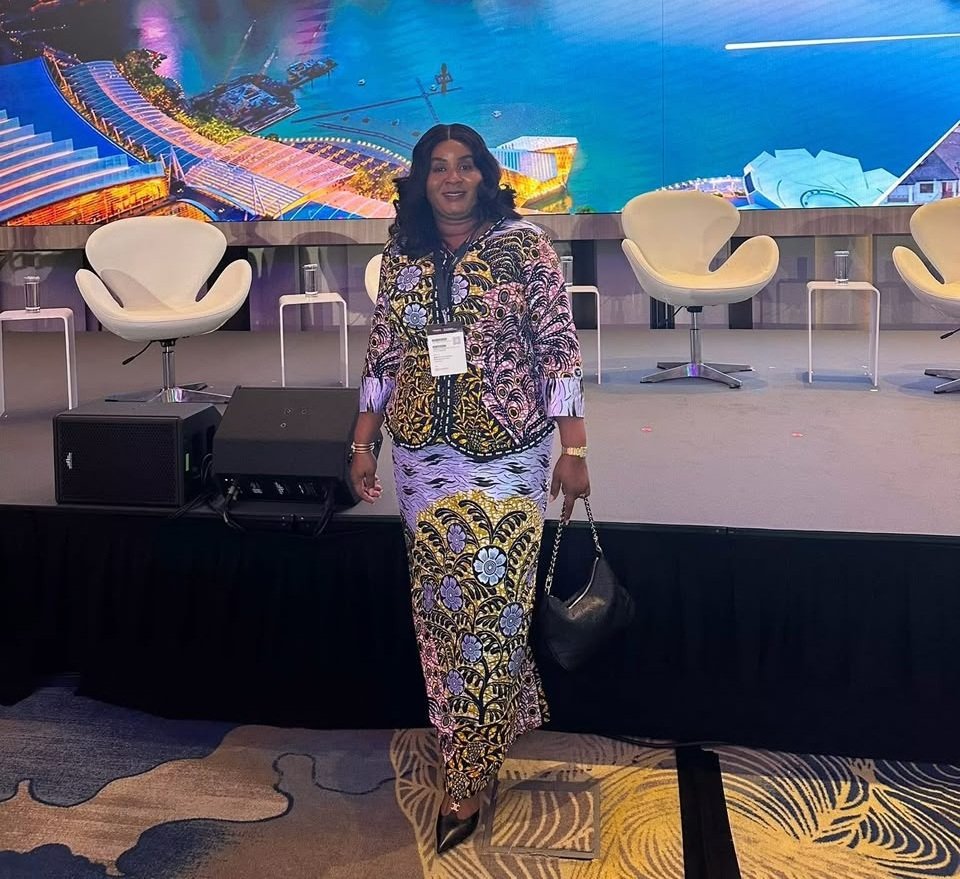
In an industry long dominated by men, Ms Anita Soatuo Kontuo is demonstrating that women can also build successful businesses, provide leadership and contribute significantly to the growth of Ghana’s maritime sector.
With more than two decades of experience in shipping, the Chief Executive Officer and Founder of AskRaf International Company Limited has carved a niche for herself through entrepreneurship, professional commitment and a passion for national development.
Through her vision, determination and professional experience, she has transformed AskRaf International into a reputable indigenous company operating in Ghana’s shipping, logistics and maritime services sector.
Her journey reflects the growing contribution of women to an industry that remains critical to international trade, economic growth and national development.
The shipping industry plays an important role in facilitating international commerce, connecting businesses to markets and supporting the movement of goods across countries.
Within this demanding environment, Kontuo has demonstrated that women can occupy influential positions, build successful businesses and contribute meaningfully to the growth of the maritime sector.
Under her leadership, AskRaf International has recorded significant growth and established a reputation for efficiency, integrity and excellence in service delivery.
One of the notable outcomes of her entrepreneurial leadership is the company’s contribution to employment creation. AskRaf International has created sustainable employment opportunities for more than 100 people, providing livelihoods and contributing to economic empowerment.
The achievement highlights the potential of indigenous businesses to support national development through private-sector investment, enterprise growth and job creation.
For Kontuo, business leadership also extends beyond the pursuit of commercial success. Her commitment to philanthropy and social impact has seen her support various Corporate Social Responsibility initiatives aimed at giving back to society and improving lives.
Her involvement in such initiatives demonstrates the importance of businesses recognising their responsibilities towards the communities within which they operate.
In an environment where businesses are increasingly expected to contribute to social development, her approach reflects the value of combining entrepreneurship with a commitment to the welfare of others.
Her leadership journey also comes at a time when women are increasingly taking up influential positions in the maritime industry, challenging traditional perceptions about women’s capacity to lead in sectors largely associated with men.
For many years, the maritime industry has been perceived as a male-dominated space, with women’s participation often limited by structural and professional barriers. However, the growing presence of women in leadership, entrepreneurship and maritime-related professions is gradually changing this narrative.
Kontuo’s experience as the founder and head of an indigenous maritime company provides an example of how women can contribute to the industry’s development through business ownership, professional expertise and leadership.
Her achievements also highlight the importance of encouraging more women to explore opportunities in shipping, logistics and other maritime-related fields.
Beyond individual accomplishments, increased female participation in the maritime industry can contribute to broader conversations about inclusive economic growth, equal opportunities and sustainable development.
As Ghana continues to explore opportunities within its maritime sector, indigenous companies such as AskRaf International have an important role to play in strengthening the country’s shipping and logistics capacity.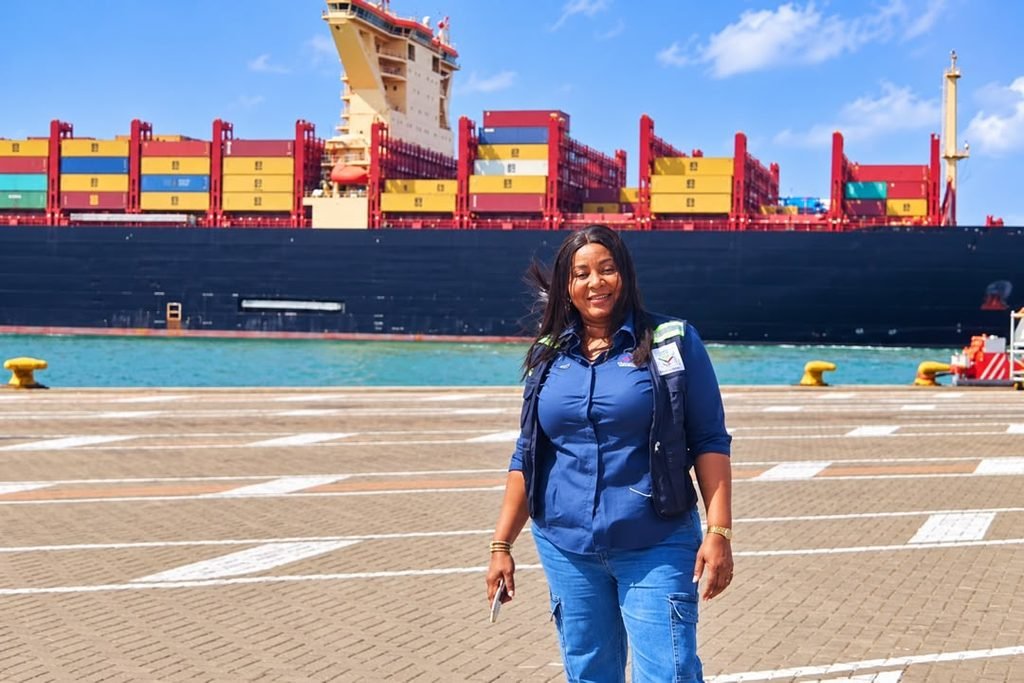
The Blue Economy, which focuses on the sustainable use of ocean and marine resources for economic growth, improved livelihoods and environmental protection, presents significant opportunities for Ghana and other African countries.
Harnessing these opportunities requires investment, innovation, effective policies and collaboration among government, private-sector players, academia and development partners.
Kontuo’s professional experience and entrepreneurial contributions position her as one of the women whose work reflects the importance of private-sector participation in advancing the maritime industry.
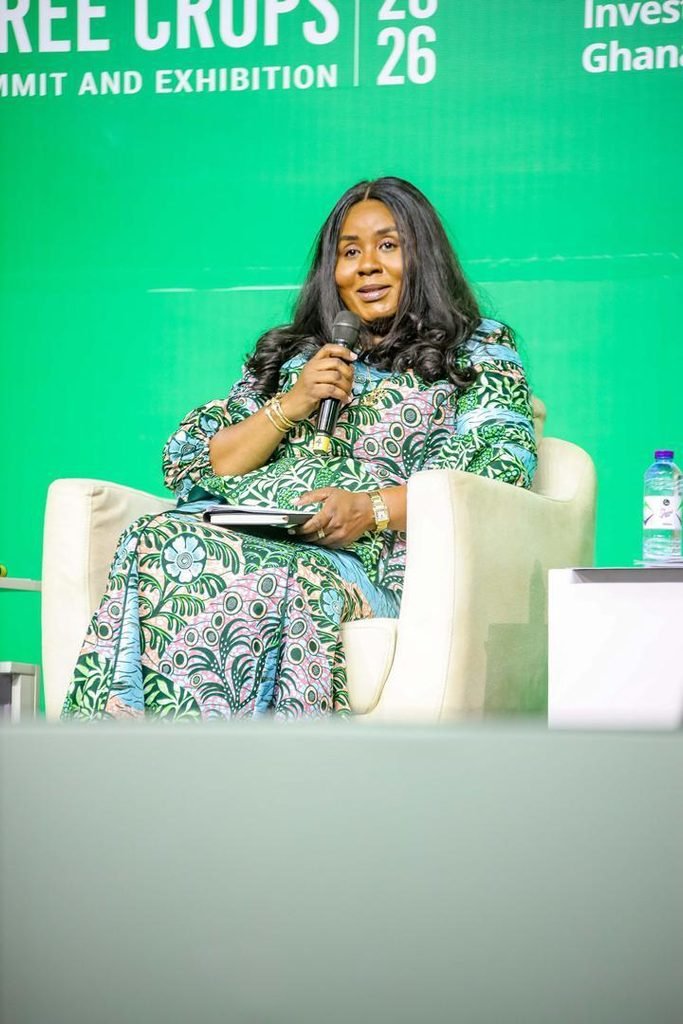
Her contributions will be recognised as she assumes the role of Chief Patron of the Regional Maritime University (RMU)-AskRaf Annual Blue Economy Public Lecture.
The lecture, which will be held under the theme, “Blue Growth for Africa: Investing in Oceans, Empowering People for National Development and Sustainability,” will bring together policymakers, academics, industry leaders, development partners and other stakeholders to examine the potential of Africa’s ocean resources as drivers of sustainable development and economic growth.
Her recognition celebrates her professional accomplishments, entrepreneurial vision, and commitment to employment creation and contribution to national development.
By Esinam Jemima Kuatsinu
SKIP THE QUEUE, TAP THE NEWS
You can now read the Ghanaian Times and The Spectator newspapers from the comfort of your device via TimesNewsPlus.
Join our WhatsApp Channel: https://whatsapp.com/channel/0029VbBElzjInlqHhl1aTU27
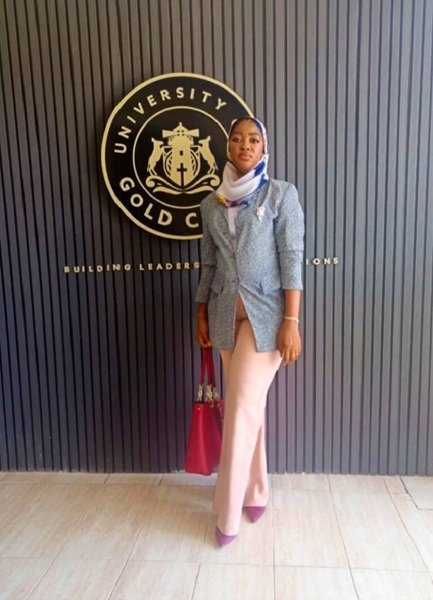
While many graduates dream of securing comfortable corporate jobs after years of education, Bushira Saanpograwwo Abass chose a different path. Armed with determination and savings from her National Service, she ventured into pineapple farming, driven by a belief in the untapped opportunities within agriculture.
What began as a modest farming experiment has since evolved into a growing agribusiness, positioning her as a woman determined to challenge conventional perceptions of farming, inspire young people and build a lasting agricultural legacy.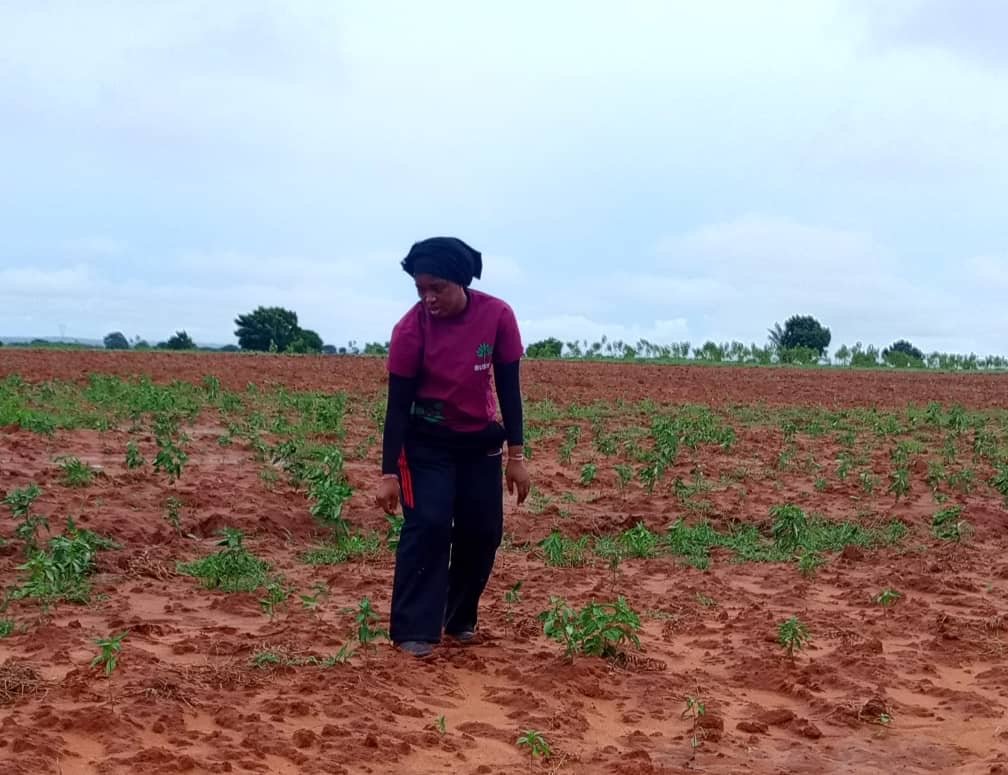
Born in Bawku in the Upper East Region, Bushira was raised in a family that valued education and discipline. She attended school in Bawku and Tamale Senior High School, studied Advanced French Language at the Ghana Institute of Languages and Bilingual Secretaryship at the University of Media, Arts and Communication, then earned an MPhil in Sustainability Science from the University of Ghana. Her childhood ambitions were journalism and space travel; but farming came unexpectedly.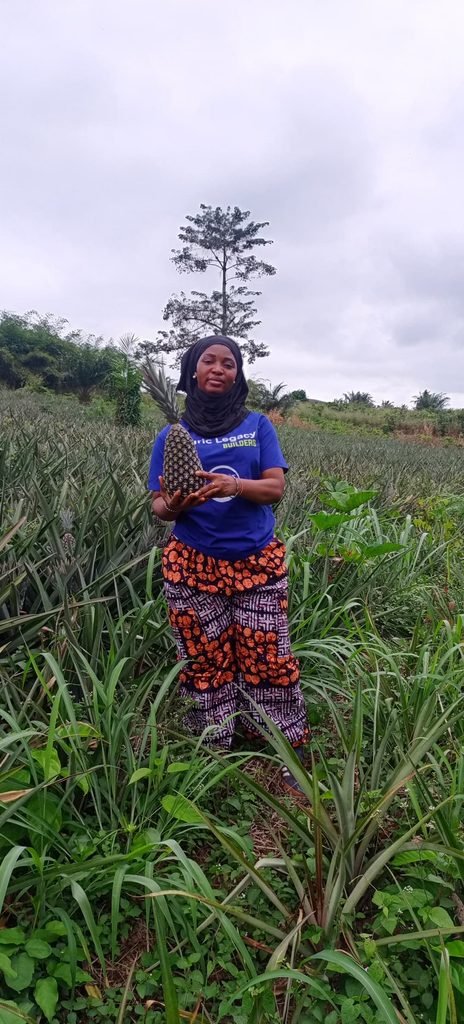
Bushira’s interest grew from seeing a gap in a sector essential to everyday life. She recognised agriculture’s untapped potential but believed youth participation and innovation were insufficient. To her, it offered much more than crop cultivation and animal rearing: it was a route to entrepreneurship, employment and wealth creation.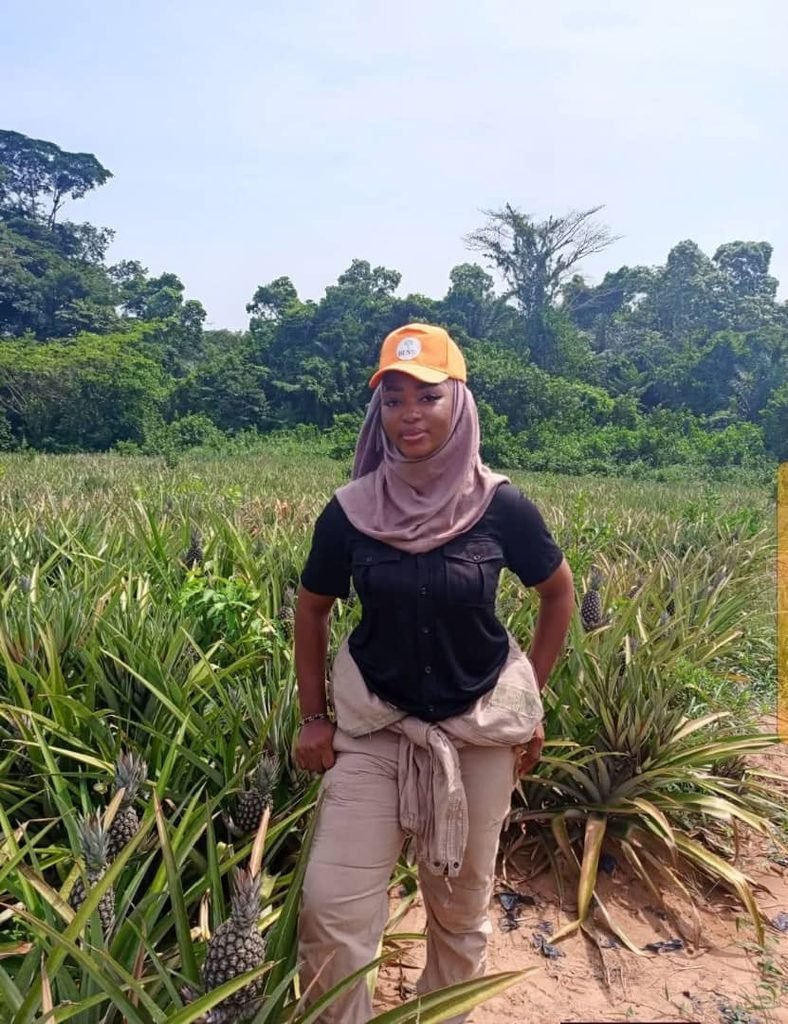
Her decision was not immediately understood. Her parents expected her to find an office job after her education, while some friends questioned her choice of farming. She remained convinced that the sector offered an opportunity worth pursuing.
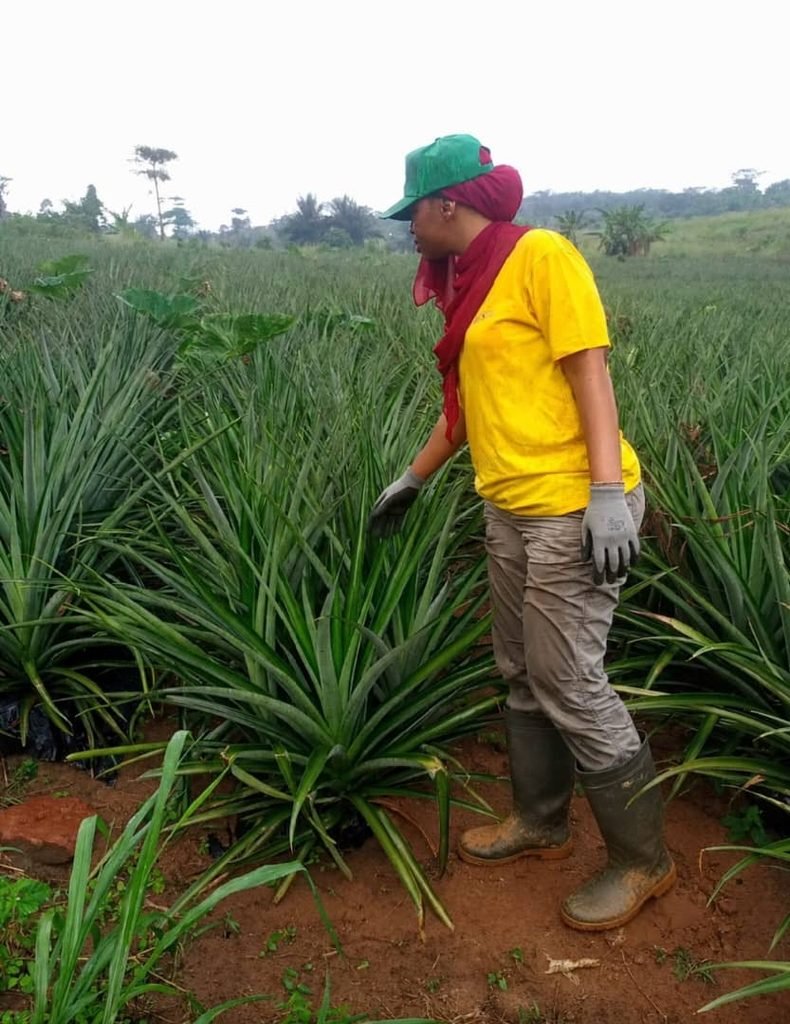
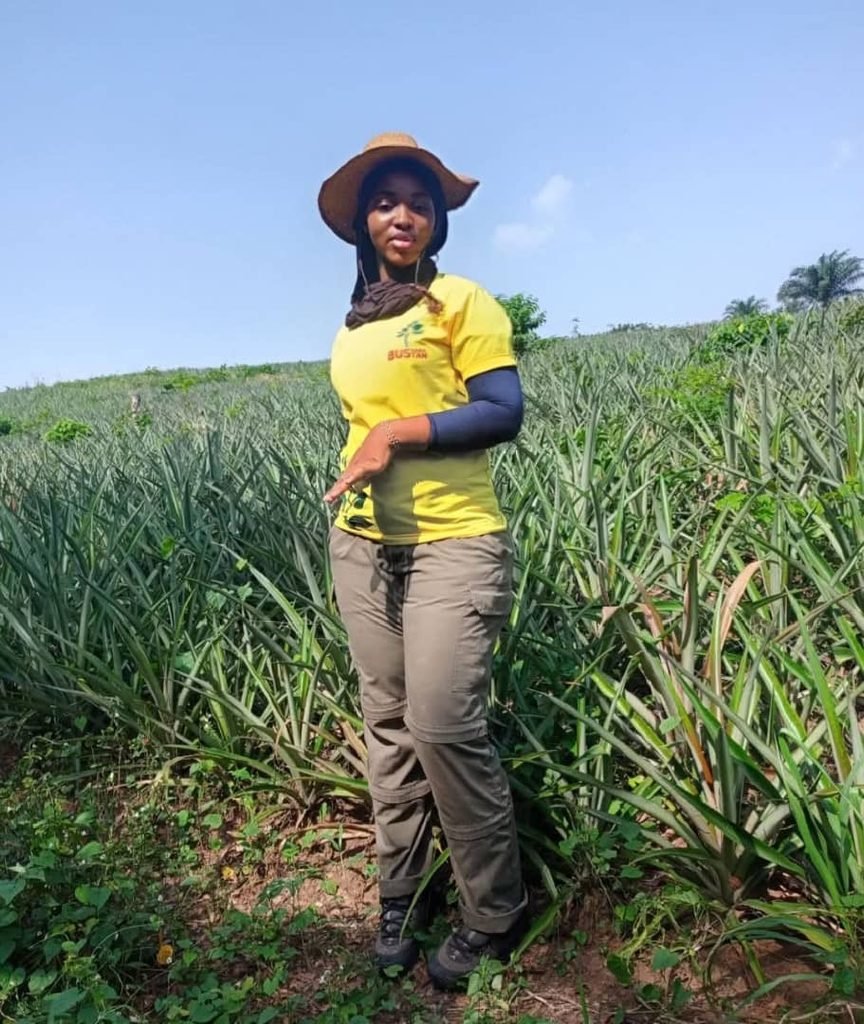
Her journey began about eight years ago, during National Service, when she saved portions of her allowance to establish a business. After considering crops and livestock, she chose crop production. A trip to the mountains around Aburi inspired her to grow pineapples. She admired the plantations and recognised the crop’s commercial potential.
With her savings, she started despite having no practical farming experience. She learnt on the job, making mistakes and improving her methods. That first venture became the foundation of Bushara Bustan.
Her first major setback was losing an entire production, a financial and emotional blow that threatened the business.
She temporarily left farming, returned to corporate work, started a personal business and saved until she could rebuild. Eventually, she returned to the field.
Last year, an earth-moving machine destroyed part of her farm in an incident reportedly caused by a mistake. The damage attracted public attention and calls from concerned supporters. Despite promises of assistance, she says she received no help towards recovery.
She did not consider quitting. Other farms and ongoing production enabled her to continue. The experience reinforced her belief that entrepreneurs cannot always wait for outside support; sometimes they must work with the resources available.
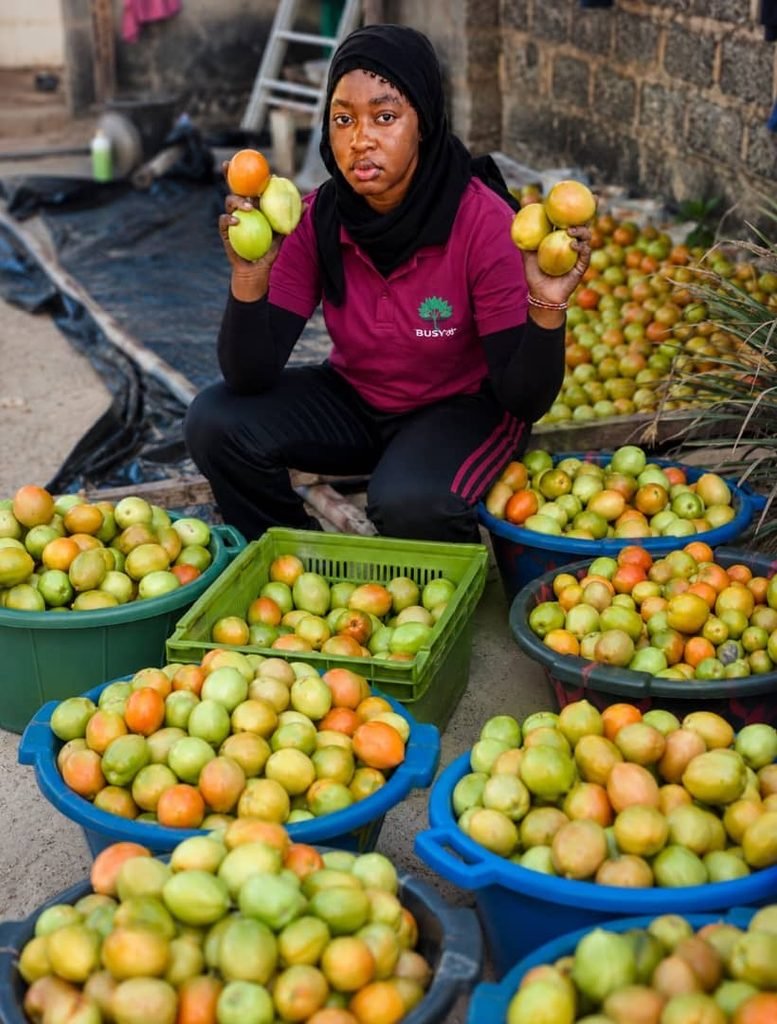
Bushara Bustan has grown from a small pineapple venture into a diversified enterprise. Pineapple remains its main crop, alongside cassava, chilli pepper and ginger.
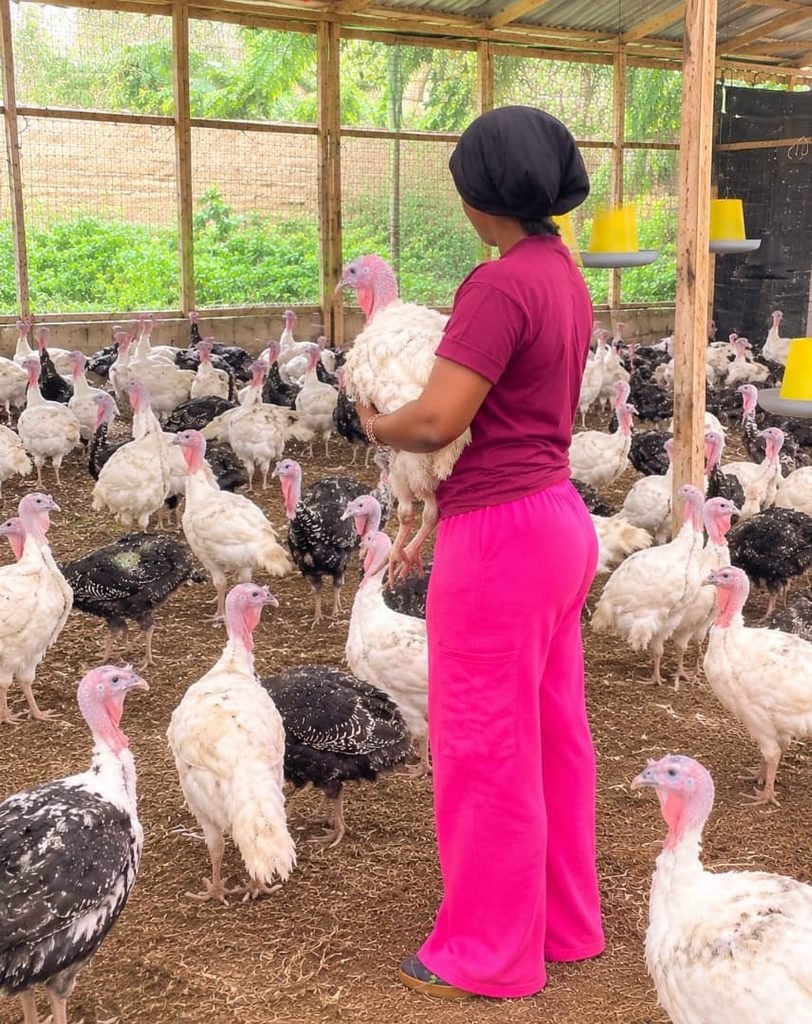
Bushira has also entered livestock and poultry through Horns and Wings Sustenance, which deals in chicken, turkey and goats, sold live or properly packaged.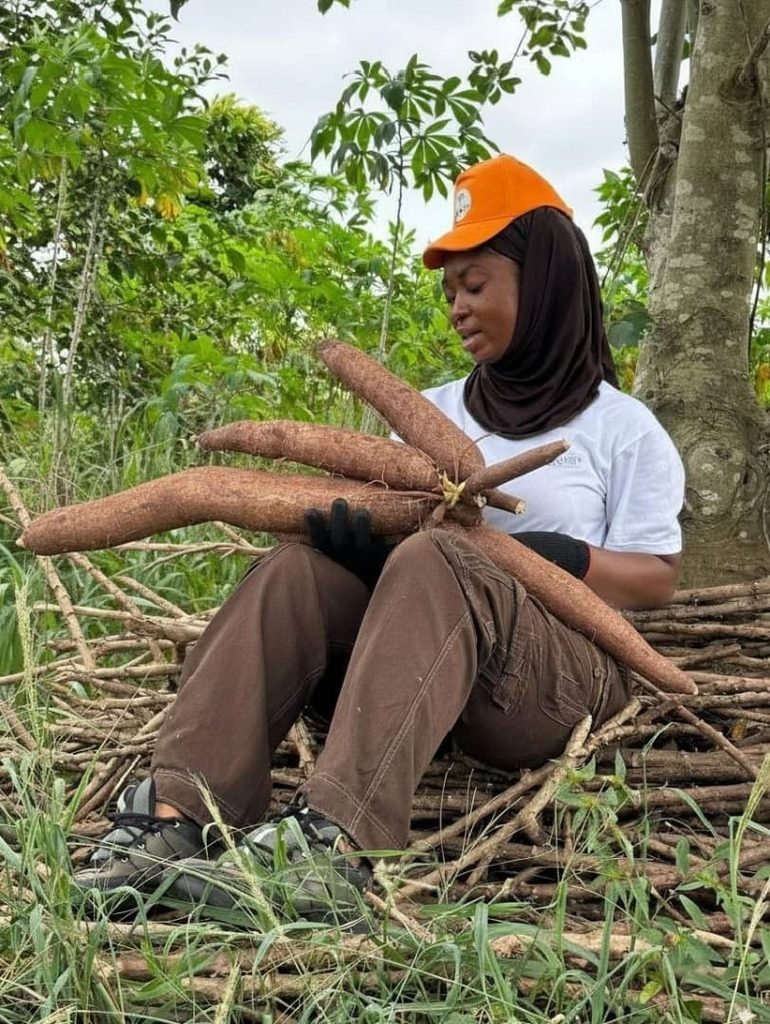
Farming’s reward, she says, is knowing her farms contribute food to people’s tables. Agriculture has also brought financial stability and opportunities in mentoring, teaching, consultancy and advocacy. Her day often begins at 5 a.m. with farm supervision.
Youth development is central to Bushira’s work. She founded ‘The Agreen Generation Blueprint’ to equip young people with practical agricultural skills and agribusiness knowledge. She also leads Agric Legacy Builders, a platform for sharing knowledge and connecting people through the experiences of those in the sector.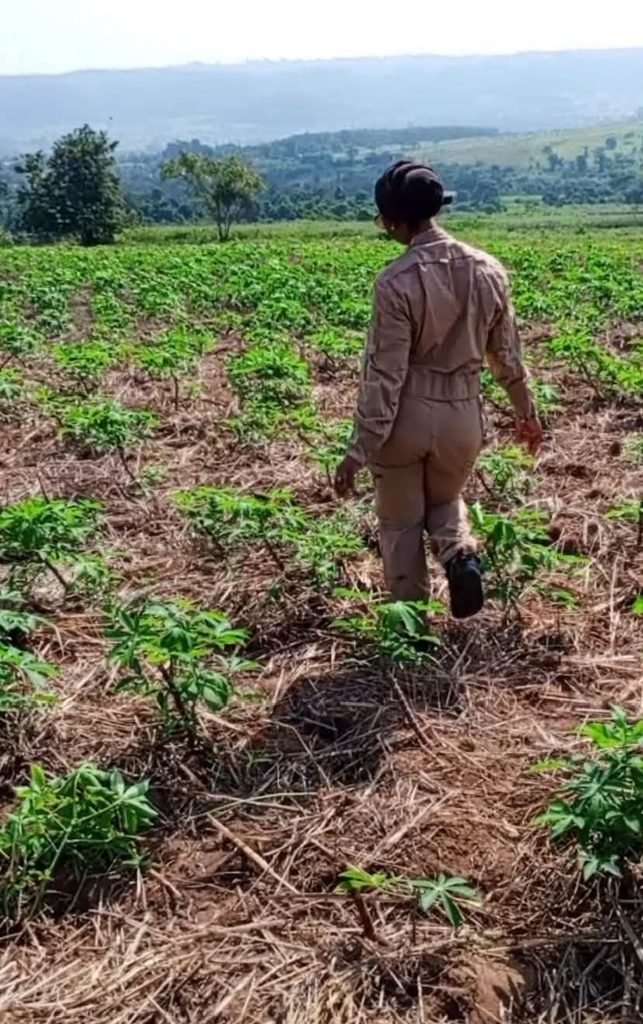
She wants young people to regard agriculture as a sector of choice, not a last resort.
As a woman in a traditionally male-dominated field, she has occasionally faced challenges managing farm workers. Some male workers, she says, have seemed reluctant to take her instructions seriously.
She suspects they assume she will not be firm enough to enforce decisions. She sees her leadership as a way to challenge stereotypes and show that women can run agricultural businesses.
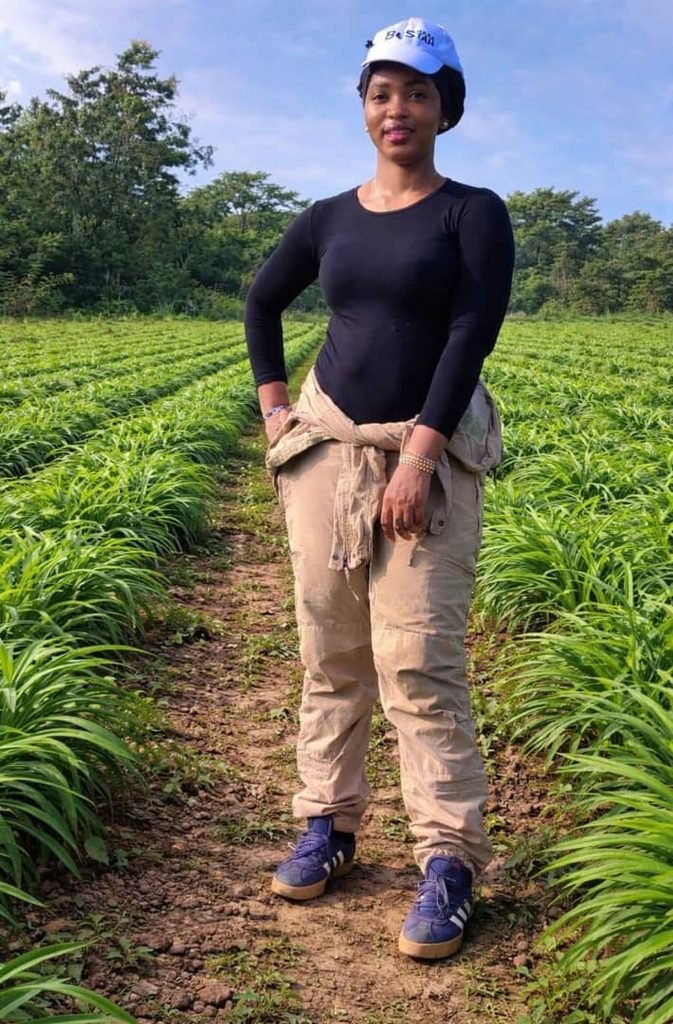
Bushira hopes to expand Bushara Bustan, increase production and improve market reach. She wants Horns and Wings Sustenance to become a reliable supplier of livestock and poultry products. Through The Agreen Generation Blueprint, she plans to reach more young people, especially women, with practical training and mentorship.
She wants her legacy associated with opportunity, impact and honesty. She believes success should not come at the expense of integrity.
Away from work, Bushira enjoys a quiet life, watching movies and resting at home. She sometimes visits the beach to relax. Her outlook is grounded in faith, hard work, contentment and treating others well.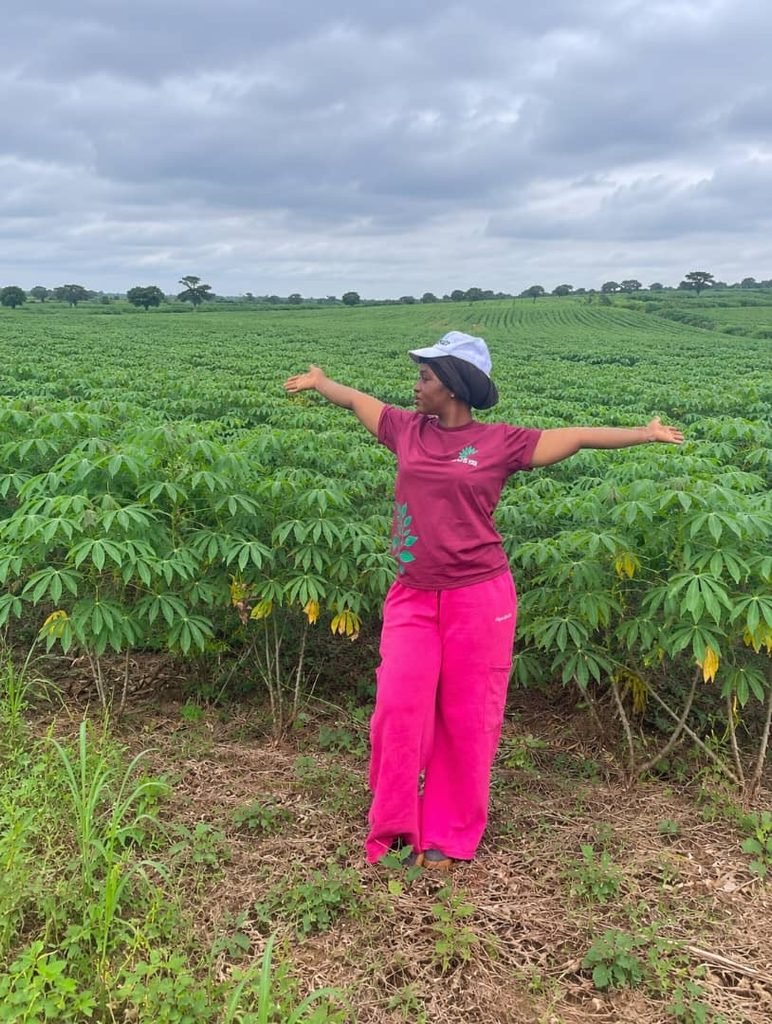
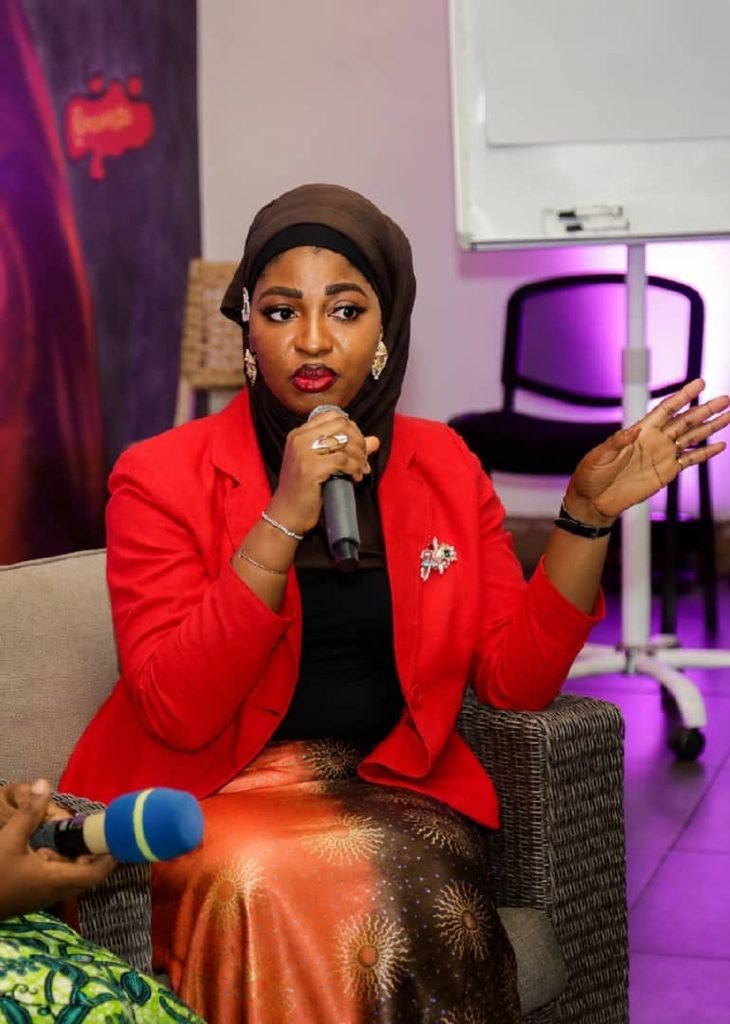
She urged young aspiring farmers to begin with what they have, keep learning and not let fear stop them.
“Farming demands patience, commitment and resilience. Young entrepreneurs also need access to land, affordable finance, practical training, mentorship, modern equipment and dependable markets,” she added.
By Esinam Jemima Kuatsinu
SKIP THE QUEUE, TAP THE NEWS
You can now read the Ghanaian Times and The Spectator newspapers from the comfort of your device via TimesNewsPlus.
Join our WhatsApp Channel: https://whatsapp.com/channel/0029VbBElzjInlqHhl1aTU27